 championcircle20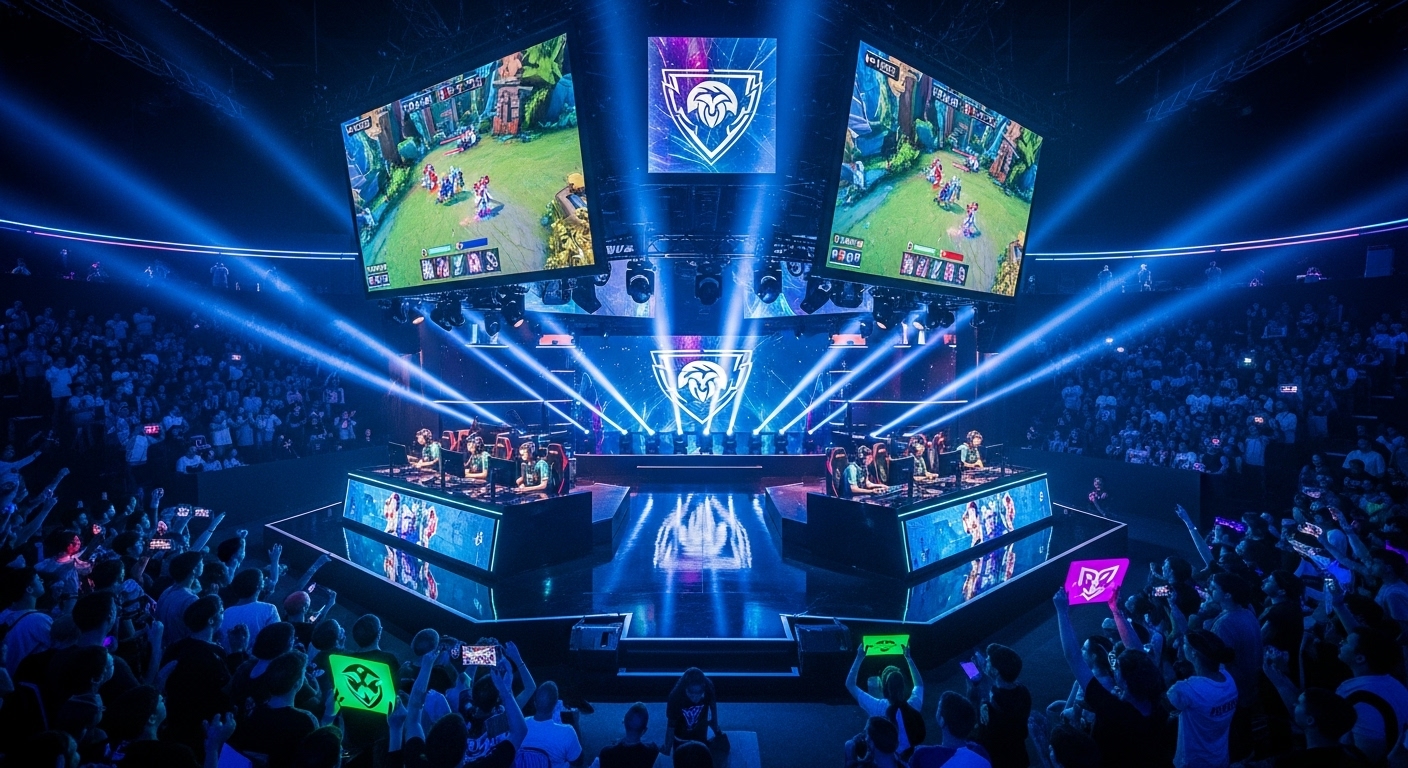
The Rise of Esports: The Digital Revolution Redefining Modern Competition
Introduction: The New Age of Digital Competition
In the twenty-first century, competition has transcended physical boundaries and moved into a digital arena. Esports, or electronic sports, has evolved from a niche hobby enjoyed by small groups of gaming enthusiasts into a global phenomenon attracting millions of viewers, professional athletes, sponsors, and investors. This digital revolution has transformed the entertainment and sports industries alike, blurring the line between traditional athletics and gaming. What was once considered a pastime for tech-savvy youth is now recognized as one of the fastest-growing sectors in the world, shaping culture, business, education, and even career paths.
Esports is not simply about playing video games. It is about mastering them at a professional level, competing on grand stages, and cultivating teamwork, strategy, and precision. Much like traditional sports, esports involves training regimens, coaching staff, tactical planning, and fan engagement. The magnitude of its reach is staggering, and its influence continues to expand every year. To truly understand how esports became such a global force, it is essential to look back at its roots and trace the journey that led gaming from basement LAN parties to international arenas filled with thousands of roaring fans.
The Early Beginnings: From Arcades to LAN Battles
The origins of esports can be traced back to the golden age of arcade gaming in the late 1970s and early 1980s. When games like Space Invaders, Pac-Man, and Donkey Kong became cultural sensations, competitive gaming naturally followed. The very first recognized esports tournament took place in 1972 at Stanford University, where students competed in a game called Spacewar for a subscription to a science magazine. Though modest in scale, it marked the beginning of organized video game competition.
By the early 1980s, high-score competitions began appearing across the United States, with magazines such as Twin Galaxies recording and publishing leaderboards for popular arcade titles. Players were celebrated for achieving record-breaking scores, and the concept of gaming fame was born. The advent of home gaming consoles and personal computers further fueled the spirit of competition. Games like Street Fighter II and Doom brought multiplayer gaming into homes, while the emergence of LAN parties in the 1990s allowed gamers to connect locally and test their skills against others in real time.
It was during this period that titles such as Quake, Counter-Strike, and StarCraft began to define the competitive gaming landscape. These games demanded precision, teamwork, and lightning-fast reflexes. Tournaments became more organized, prize pools grew, and communities formed around competitive play. The idea of gaming as a legitimate sport was still a distant dream, but the foundation for esports was being carefully built.
The Internet Era: Global Connectivity and Online Competitions
The late 1990s and early 2000s marked a turning point for esports, as high-speed internet became more accessible and multiplayer gaming moved online. The ability to compete with players from across the world transformed the gaming experience entirely. Competitive communities blossomed on platforms like Battle.net for StarCraft, and early esports leagues such as the Cyberathlete Professional League (CPL) and Major League Gaming (MLG) began to appear.
These organizations laid the groundwork for the structure that defines modern esports today—ranked matches, professional teams, sponsored tournaments, and dedicated audiences. The internet did not just allow competition; it created a sense of global connection. Gamers were no longer confined to local events; they could now test their abilities against international opponents, learn from others, and grow through online exposure.
The early 2000s also saw a rise in major tournaments for games like Warcraft III, Unreal Tournament, and Counter-Strike. The dream of becoming a professional gamer started to take root, as players realized that their skills could lead to fame, travel, and even financial success. Still, esports remained relatively underground—supported by passionate fans but overlooked by mainstream media and sports organizations.
The Streaming Revolution: Twitch, YouTube, and the Birth of Esports Celebrities
The next major milestone in the evolution of esports came with the explosion of live streaming. Platforms like Twitch and YouTube Gaming transformed how audiences consumed content. For the first time, fans could watch professional players and tournaments in real-time, engage in chat discussions, and even interact directly with their favorite streamers. This instant accessibility gave esports the visibility it needed to cross over into mainstream entertainment.
Professional gamers became internet celebrities, building personal brands and loyal fanbases. The rise of streaming created a new culture where gamers could not only compete but also entertain. This dual role—competitor and content creator—elevated esports personalities to the same level of recognition as athletes and entertainers. Major tournaments like The International for Dota 2, the League of Legends World Championship, and the Fortnite World Cup began attracting millions of live viewers, with production quality rivaling that of the Super Bowl or the FIFA World Cup.
Streaming also democratized esports participation. Anyone with skill, passion, and consistency could rise through the ranks and showcase their gameplay to the world. This inclusivity made esports appealing to a generation raised on the internet, one that values digital connection, creativity, and self-expression.
Professionalization and Big Business: Esports as an Industry
Today, esports is not just a cultural trend—it is a multi-billion-dollar industry. Major corporations, media networks, and investors have entered the arena, recognizing the potential for growth and influence. Esports teams now operate like traditional sports franchises, complete with managers, analysts, nutritionists, and sponsorship deals. Brands ranging from technology giants to luxury fashion houses have partnered with esports organizations to reach younger, digitally engaged audiences.
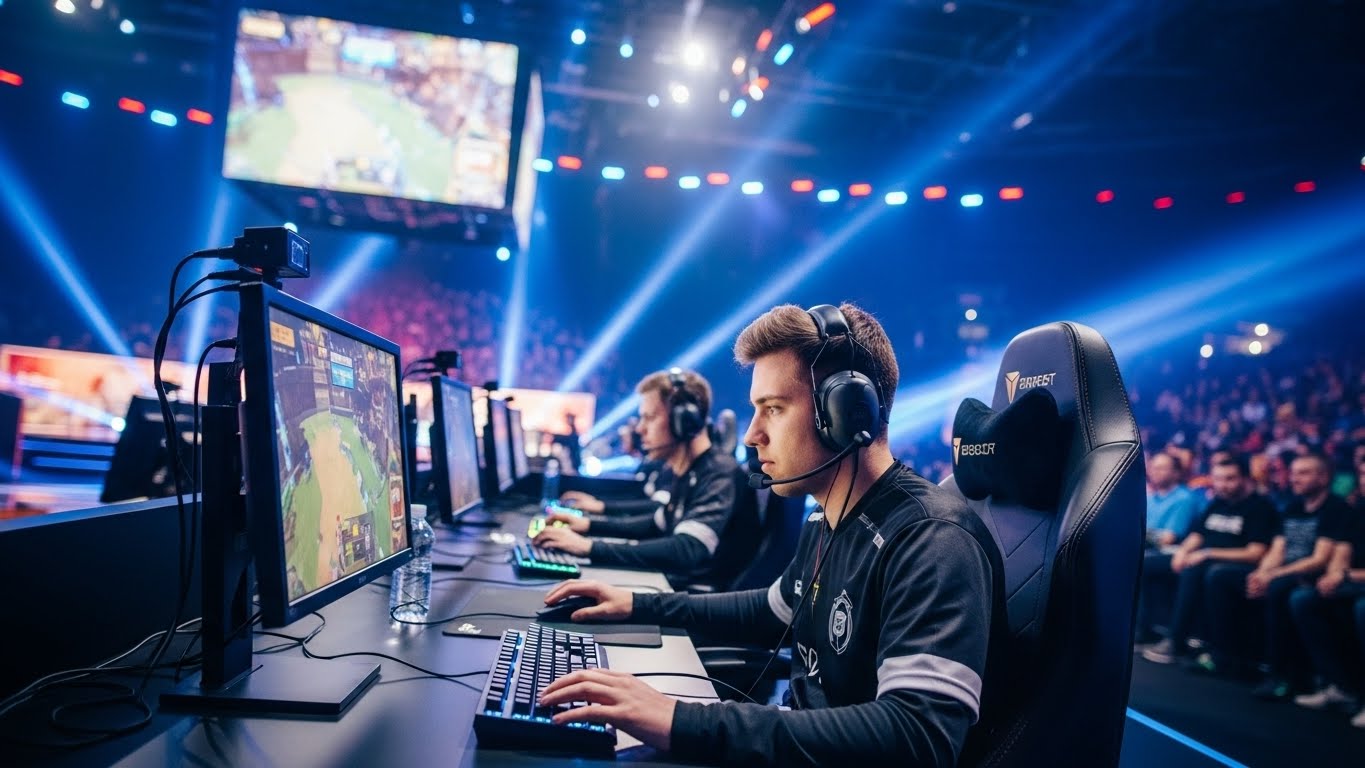
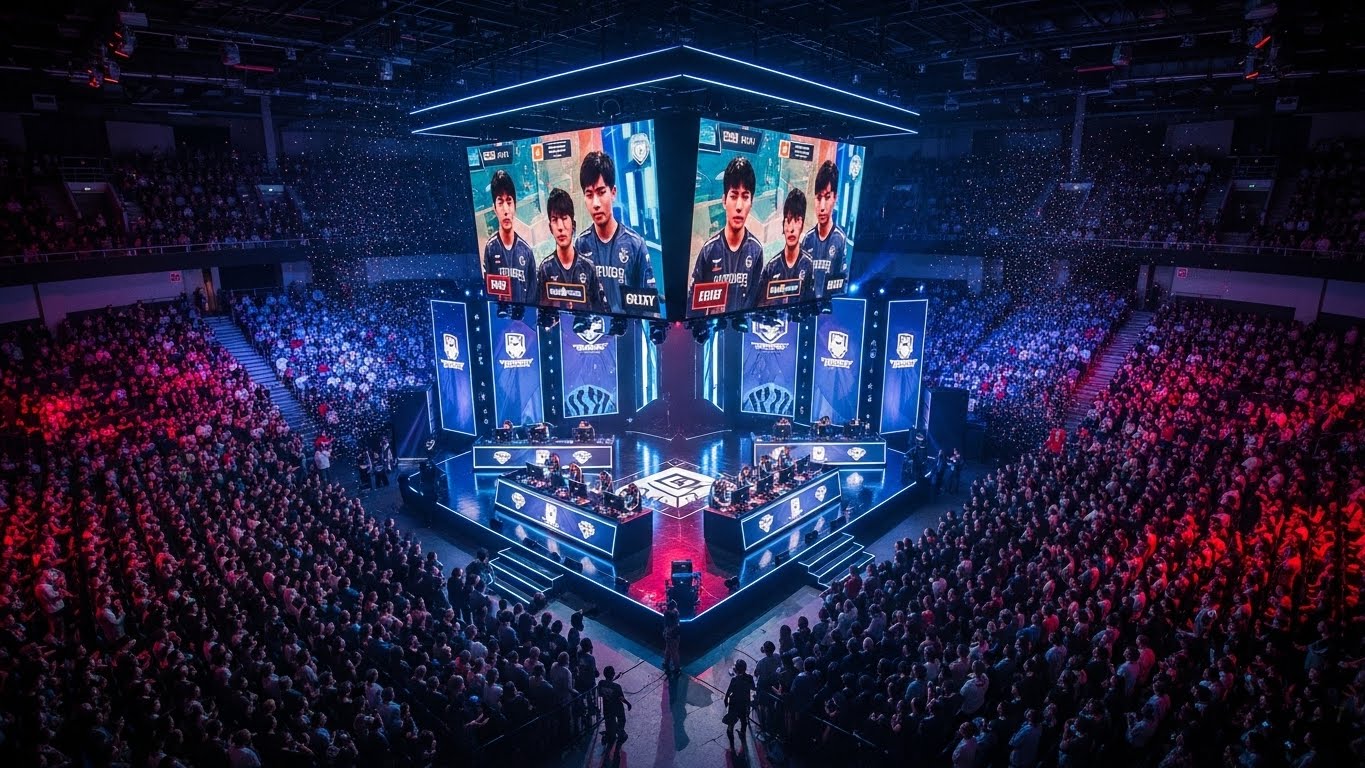
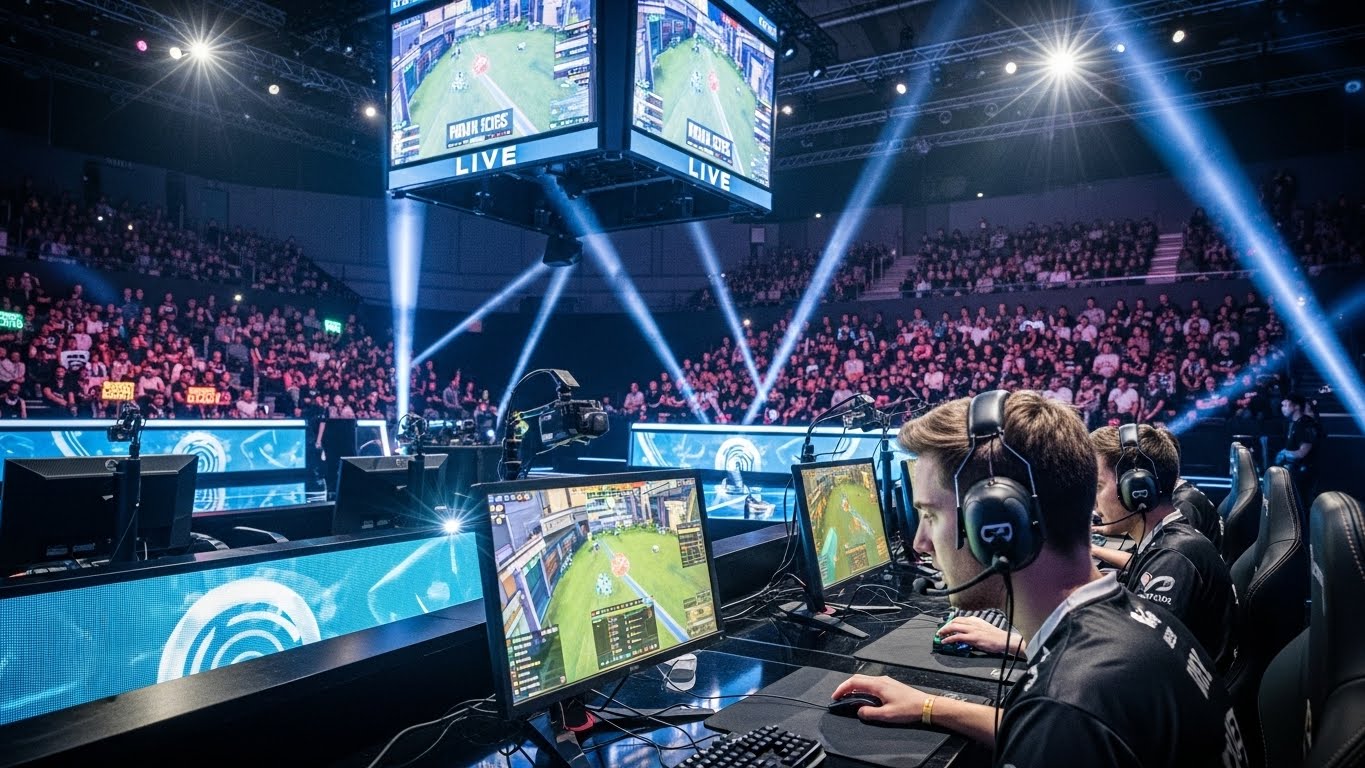
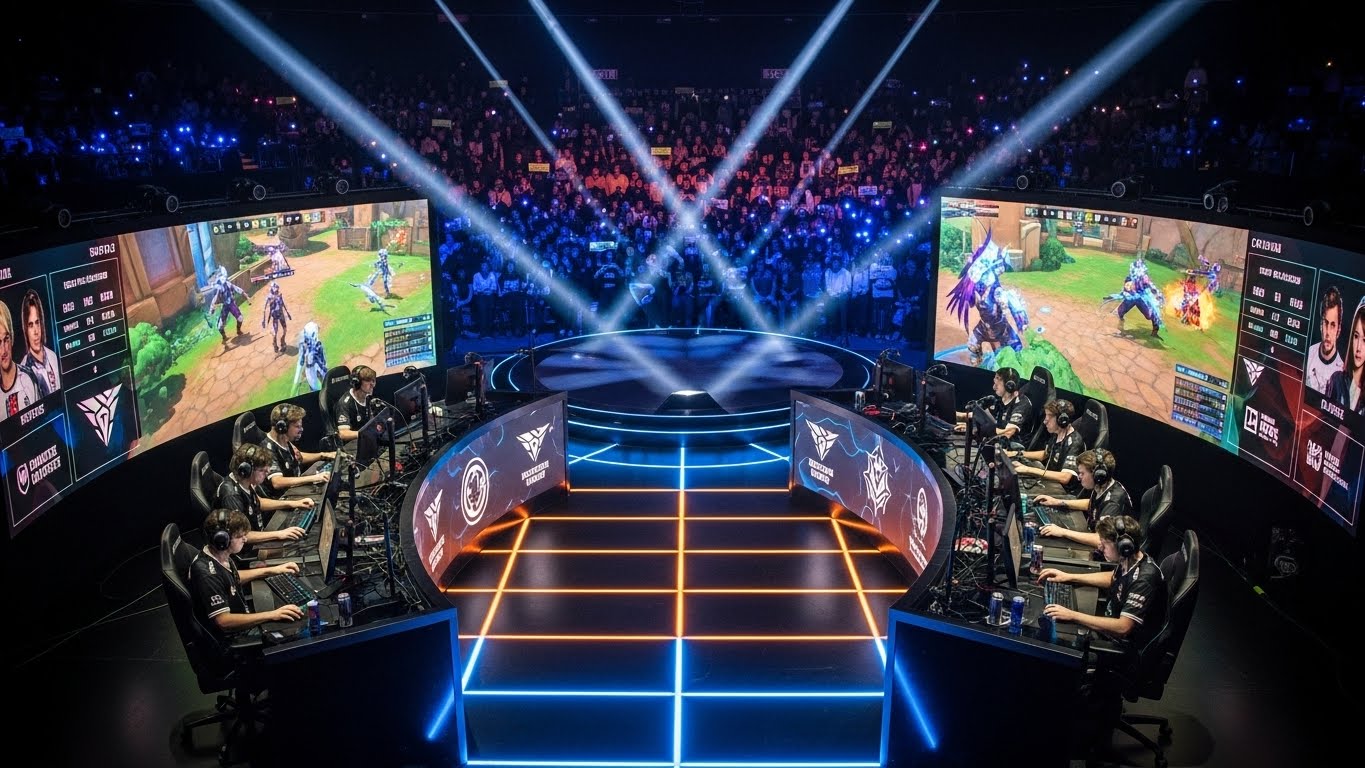
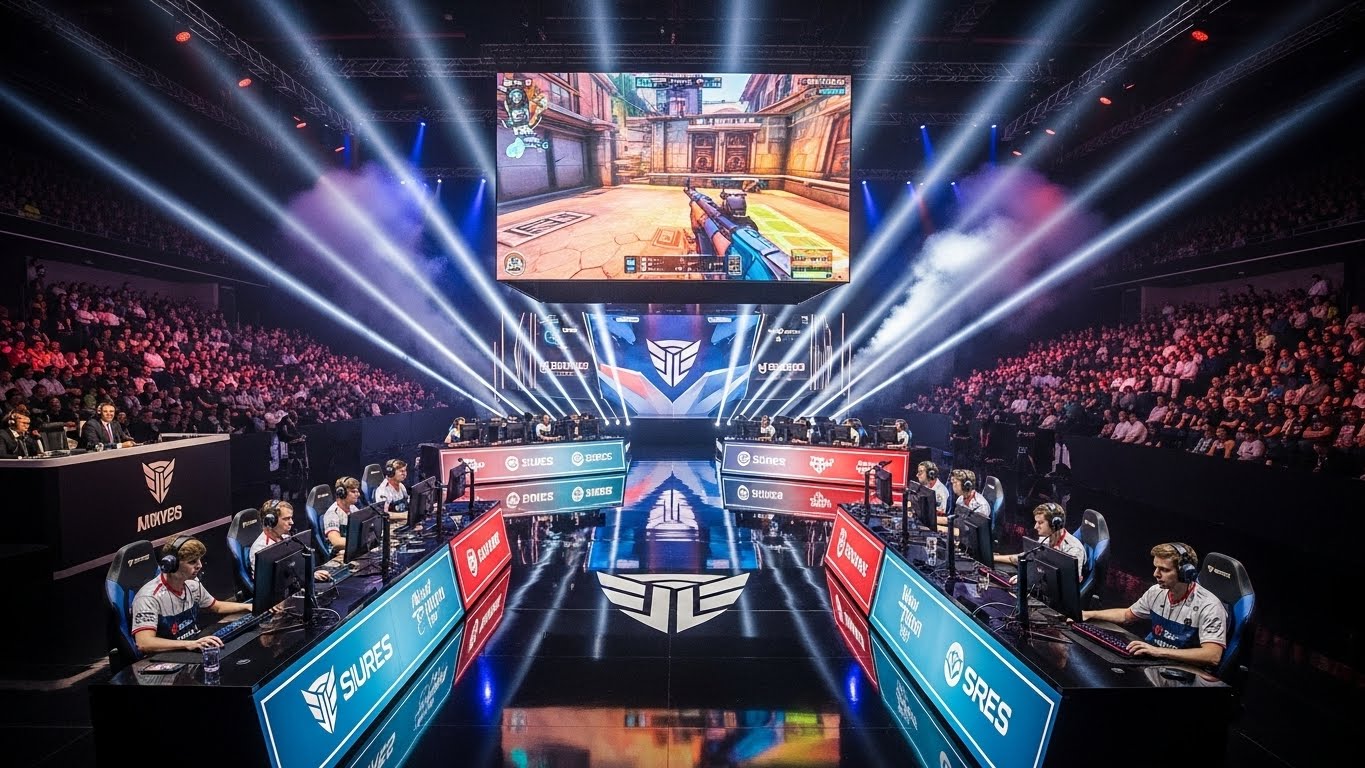
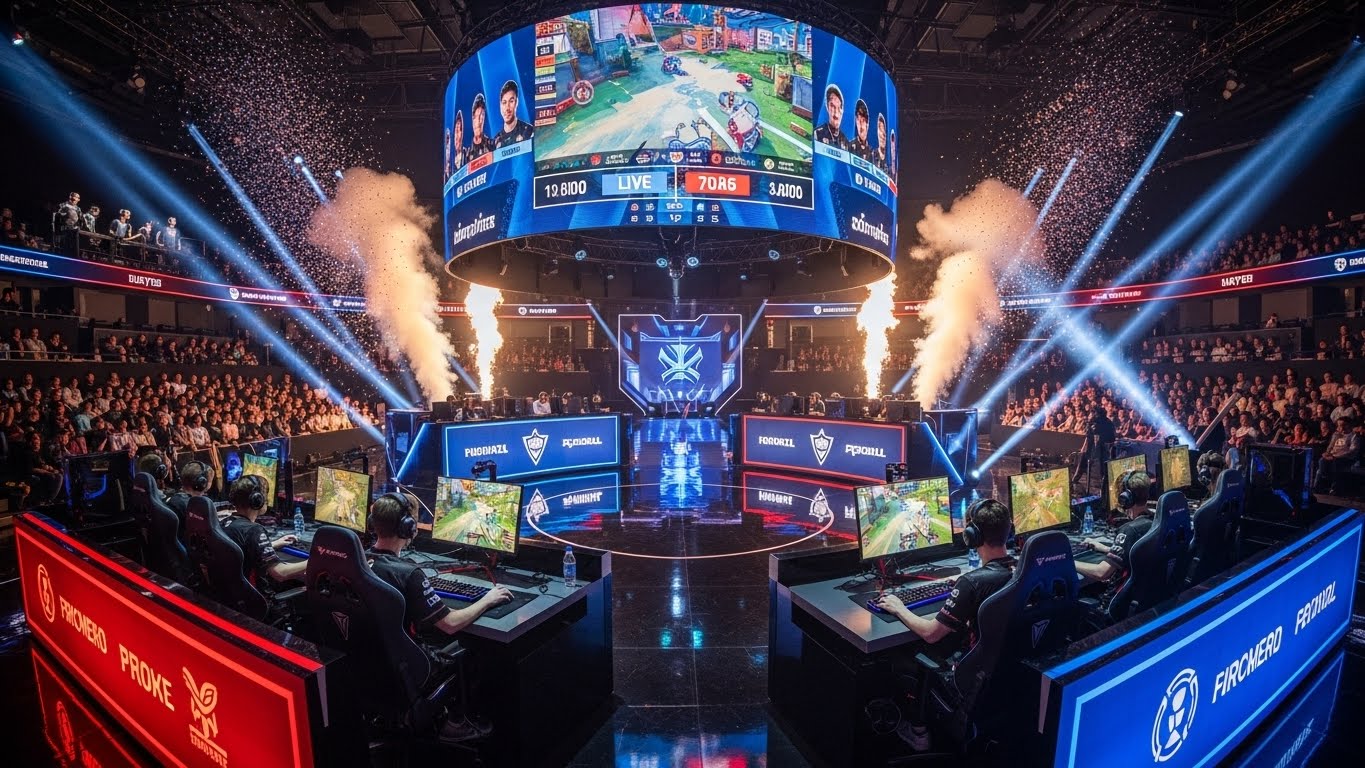
The structure of professional esports mirrors that of traditional sports leagues. Teams compete in regional and international tournaments, players sign contracts with salaries and endorsement deals, and fans follow their favorite teams with passionate loyalty. Esports events are held in stadiums packed with spectators, featuring dazzling light shows, commentary teams, and live broadcasts to millions online. Some universities even offer esports scholarships and degree programs, acknowledging gaming as a legitimate career path.
The financial ecosystem of esports includes prize pools, streaming revenue, sponsorships, advertising, and merchandise. Games like Dota 2 and Fortnite have offered prize pools exceeding tens of millions of dollars, creating some of the highest-earning athletes in the world—not in physical sports, but in virtual arenas. This economic expansion demonstrates the growing power of digital entertainment and how esports sits at the intersection of technology, culture, and business.
The Culture of Esports: Community, Identity, and Global Unity
Esports is not solely about competition; it is also about community and shared identity. Online gaming connects people from diverse backgrounds, fostering a sense of belonging and teamwork. The esports community is a vibrant ecosystem of players, fans, content creators, and organizers who all contribute to the growth of the culture.
The sense of global unity within esports is unmatched. Players from South Korea, China, North America, and Europe regularly compete on the same stages, creating cultural exchange and respect among nations. South Korea, for instance, is often regarded as the birthplace of modern esports culture, particularly through its dedication to games like StarCraft. Meanwhile, North America and Europe have cultivated thriving professional leagues, and Southeast Asia has become a rising powerhouse in mobile esports titles.
Moreover, esports has provided a platform for individuals who may not fit traditional athletic molds to express their skills and creativity. It promotes values such as perseverance, teamwork, critical thinking, and strategic planning. Fans connect not just with the games but with the stories of underdogs, comebacks, and moments of brilliance—emotions that are universal across all forms of competition.
The Role of Technology: Innovation Driving the Esports Experience
Esports owes much of its growth to rapid technological innovation. High-performance gaming hardware, ultra-fast internet speeds, and powerful streaming platforms have made competitive gaming seamless and accessible. Virtual reality, augmented reality, and artificial intelligence are beginning to shape the next generation of gaming experiences, promising even more immersive and interactive forms of esports.
The improvement of graphics, physics engines, and network stability has elevated the quality of competitive play. Spectator modes, instant replays, and professional commentary have made esports broadcasts engaging and polished. Data analytics has also become a key element, allowing teams to study opponents, refine strategies, and evaluate player performance with precision.
Cloud gaming and cross-platform integration are expanding accessibility, enabling players from around the world to compete without hardware limitations. The convergence of technology and competition ensures that esports will continue to evolve in ways that traditional sports cannot replicate. The digital nature of esports allows it to adapt, innovate, and expand beyond physical and geographical constraints.
The Global Stage: Major Esports Titles and Their Impact
Several games have played defining roles in shaping the esports landscape. League of Legends stands as one of the most influential, with its global tournaments and structured competitive seasons. Dota 2, known for its complexity and immense prize pools, represents the strategic depth and high-stakes drama of esports. Counter-Strike remains a timeless classic, emphasizing precision, teamwork, and tactical execution.
Meanwhile, newer games such as Fortnite, Valorant, and Apex Legends have brought fresh energy to the scene, attracting younger audiences and new sponsors. Mobile titles like PUBG Mobile and Mobile Legends have made esports accessible in regions where console and PC gaming are less common, particularly in Asia, Latin America, and the Middle East.
Each of these games has cultivated unique cultures, heroes, and fanbases. They have become more than just entertainment—they are cultural touchstones, shaping how people interact, communicate, and even dream. For many young players, competing in these games is not just a hobby but an aspiration to reach the global stage and make a name for themselves in the digital world.
The Challenges of Esports: Health, Sustainability, and Regulation
Despite its tremendous success, esports faces several challenges that must be addressed for its long-term sustainability. Player health is a growing concern, as professional gamers often practice for long hours, leading to physical strain, eye fatigue, and mental stress. Unlike traditional sports, where physical fitness is a primary focus, esports organizations are only beginning to emphasize wellness programs and balanced routines.
Another challenge lies in regulation and governance. Since esports operates across various games and publishers, there is no single governing body overseeing its rules, contracts, or integrity. Issues such as cheating, match-fixing, and player exploitation occasionally arise, threatening the credibility of the industry. Establishing standardized regulations, ethical guidelines, and player protections will be crucial for maintaining fairness and professionalism.
Furthermore, the industry must confront the volatility of game popularity. Esports titles can rise and fall quickly, depending on trends and developer support. This creates uncertainty for players, teams, and investors. The key to stability lies in diversification, innovation, and long-term collaboration between developers and the competitive community.
The Educational and Social Impact of Esports
Esports is no longer confined to entertainment; it is becoming a valuable educational tool and social platform. Schools and universities worldwide are integrating esports programs into their curricula, recognizing the potential for developing teamwork, leadership, and digital literacy. Students learn about event management, marketing, broadcasting, and game design through esports-related studies.
On a social level, esports has fostered inclusivity and connectivity. It provides a shared space where individuals can express themselves, form friendships, and collaborate without geographical or physical barriers. For many young people, esports represents not only fun but also a sense of purpose and belonging.
Esports has also proven to be a catalyst for technological education, encouraging youth to pursue careers in software development, computer science, and media production. It inspires innovation and creativity, motivating individuals to explore the possibilities of the digital world.
The Future of Esports: The Next Evolution
Looking ahead, the future of esports is boundless. As technology continues to evolve, the boundaries between gaming, entertainment, and social interaction will blur even further. Virtual reality competitions may soon allow players to physically immerse themselves in digital environments, while artificial intelligence could revolutionize training methods and game analysis.
Esports is also poised to enter new frontiers such as the Olympics and mainstream sports broadcasting. Several organizations are already lobbying for esports inclusion in major global sporting events, and discussions about digital athleticism are gaining legitimacy. The potential for growth is immense, particularly in emerging markets where internet connectivity and mobile technology are rapidly expanding.
Moreover, as esports integrates with virtual worlds and metaverse platforms, new forms of interaction and engagement will emerge. Fans may attend virtual arenas, interact with avatars of their favorite players, and experience matches from entirely new perspectives. The future of esports is not merely about playing games; it is about redefining what competition, entertainment, and human connection mean in the digital age.
Conclusion: Esports as the Symbol of a Digital Generation
Esports represents more than a new form of competition—it is a reflection of a changing world. It embodies the creativity, ambition, and connectivity of a generation raised on technology. The rise of esports has shown that skill, strategy, and passion can thrive in digital form, uniting millions of people under a common banner of play and performance.
From its humble beginnings in university basements to sold-out arenas and global broadcasts, esports has redefined the meaning of sportsmanship for the modern era. It continues to challenge perceptions, inspire innovation, and bring people together across boundaries that once seemed insurmountable. Whether you are a player, a fan, or simply a spectator of this digital revolution, one thing is certain: esports is not the future—it is the present, and its story has only just begun.