 championcircle20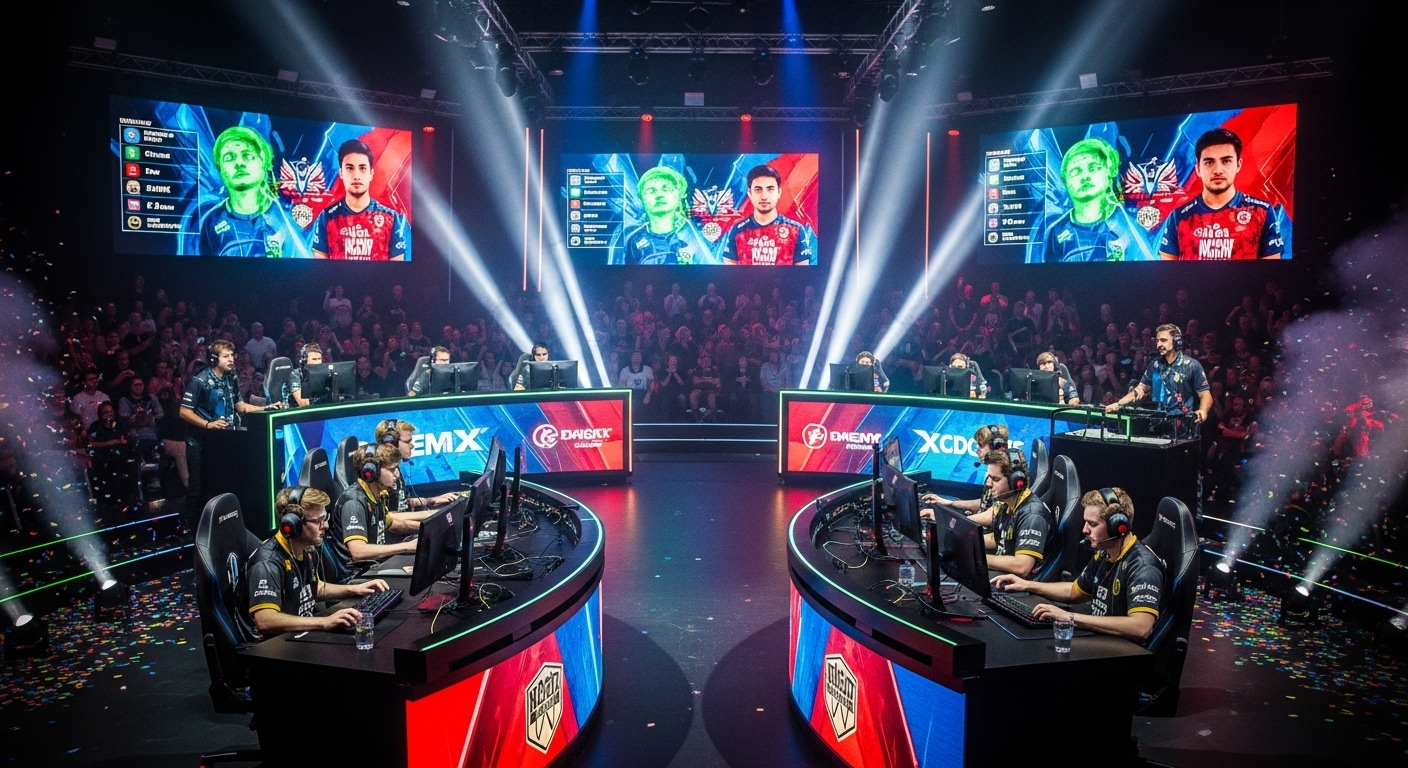
Introduction
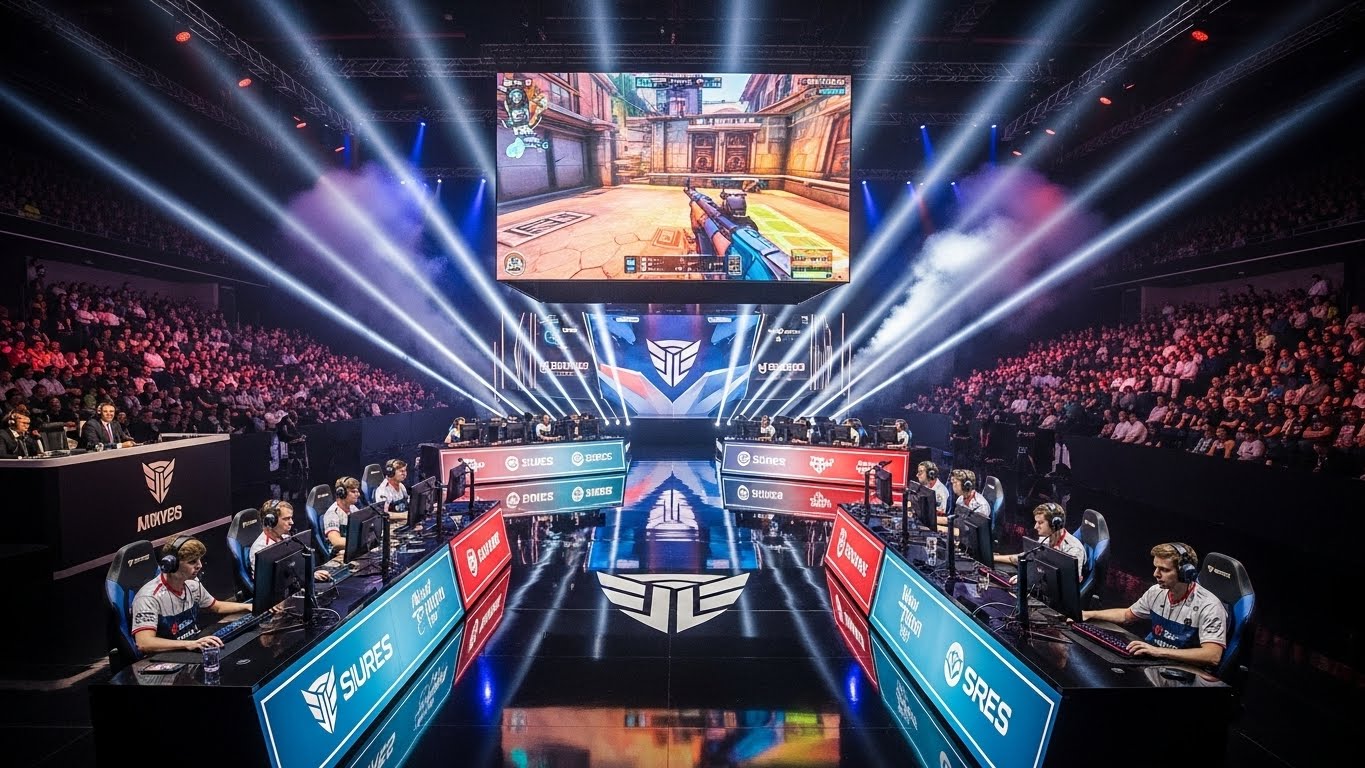
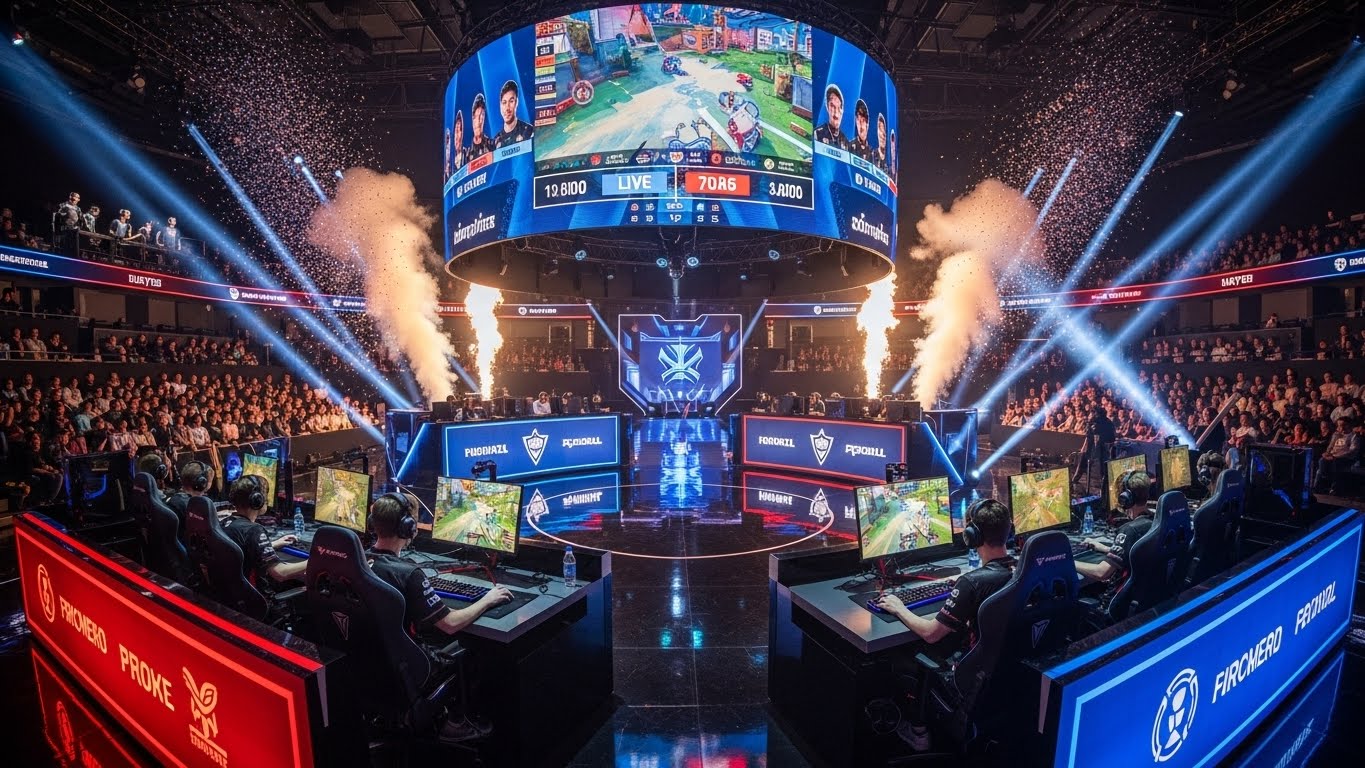
Esports, the realm of competitive video gaming, has evolved into one of the fastest-growing entertainment industries of the 21st century. What started as a niche activity for gaming enthusiasts has now blossomed into a global phenomenon, with millions of viewers, professional players, and lucrative sponsorship deals. Esports today isn’t just about playing games; it’s a multi-billion-dollar industry that spans across media, education, and even traditional sports. As technology advances, the scope and reach of Esports continue to expand, reshaping the way we perceive entertainment, competition, and community. In this blog, we explore the rise of Esports, its impact on global culture, the future of competitive gaming, and the challenges it faces as it continues to grow.
The Origins of Esports: From Arcade Games to Global Competitions
Esports may seem like a modern phenomenon, but its roots can be traced back to the early days of video games. In the 1970s and 1980s, arcade games like Space Invaders and Pong started to captivate the imaginations of players, but it wasn’t until the 1990s that competitive gaming began to take shape. Early competitions, such as the Red Annihilation tournament for Quake in 1997, marked the first significant attempt to organize video gaming into a competitive format. These early tournaments were small in scale, but they demonstrated the potential for competitive play in video games.
The rise of multiplayer games like StarCraft, Warcraft III, and Counter-Strike in the late 1990s and early 2000s set the stage for the development of Esports. As gaming communities grew, players began forming teams and competing against one another, both online and at physical events. It wasn’t long before gaming competitions started attracting more serious attention from sponsors, media, and fans. This laid the foundation for the massive global Esports scene we know today.
The Rise of Streaming and Digital Platforms
One of the most important factors behind the rapid growth of Esports is the rise of digital platforms like Twitch, YouTube Gaming, and Facebook Gaming. These platforms made it possible for anyone with an internet connection to watch live Esports events from the comfort of their homes. As streaming technology improved and became more accessible, Esports tournaments began attracting millions of viewers worldwide. The ability to watch professional players compete in real time helped create a sense of community among fans and introduced a new way to experience gaming.
Twitch, launched in 2011, became the go-to platform for streaming video game content. It allowed gamers not only to watch competitive matches but also to interact with streamers and other viewers in real time. This direct engagement with players and commentators has been a huge draw for fans, making Esports events feel more personal and immersive. Over time, Twitch and other streaming platforms have played an instrumental role in Esports’ success, building an ecosystem where players, fans, and sponsors could all come together.
The Explosion of Esports Leagues and Major Tournaments
As Esports grew in popularity, major tournaments began to emerge, offering large prize pools and global recognition. The League of Legends World Championship, held annually by Riot Games, is one of the most prestigious events in the Esports world. In 2020, the tournament attracted over 100 million viewers, a staggering figure that puts it on par with the viewership of the biggest traditional sports events.
Similarly, The International, an annual Dota 2 competition, has become one of the richest Esports events in the world, with prize pools regularly exceeding $30 million. These tournaments have not only become prestigious in the Esports community but have also attracted mainstream attention from traditional media, sponsors, and advertisers.
The success of these tournaments has been a driving force behind the professionalization of Esports. Competitive gaming is no longer just for hobbyists; it’s a career path for professional players, coaches, analysts, and content creators. Esports organizations have emerged as professional teams, similar to those in traditional sports, with players signing contracts, playing in leagues, and competing in high-stakes tournaments for fame and fortune.
Esports as a Professional Career
The transformation of Esports into a professional industry has created career opportunities for players, coaches, analysts, commentators, streamers, and even event organizers. Professional gamers can earn significant salaries from tournament winnings, sponsorship deals, and streaming revenue. Top-tier players in popular games like League of Legends, Fortnite, and Valorant can make millions of dollars annually, a testament to the growing financial viability of competitive gaming.
The rise of Esports teams, such as Team Liquid, Cloud9, and FaZe Clan, has contributed to this professionalization. These organizations are similar to traditional sports franchises, with team rosters, coaches, and support staff. The growth of Esports teams has also attracted major corporate sponsorships from brands like Intel, Red Bull, Nike, and Coca-Cola. These sponsorships help fund teams and tournaments while providing brands with access to an engaged and tech-savvy audience.
Esports has also opened the door for many new career opportunities outside of playing. The demand for analysts, coaches, team managers, and content creators has led to the development of a new workforce dedicated to supporting Esports organizations and events. This has created a broader ecosystem where people with a variety of skills can contribute to the growth and success of Esports.
The Cultural Impact of Esports
Esports is more than just a form of entertainment; it has become a cultural phenomenon that connects people from all over the world. In many ways, Esports has reshaped how we think about competition, teamwork, and community. It offers a space where players of all ages, backgrounds, and abilities can compete on an equal footing. Unlike traditional sports, which often have physical requirements, Esports is a digital domain that welcomes anyone with the skills to succeed.
The global reach of Esports has also helped create a sense of community among fans. Whether they’re watching a League of Legends match in Europe, a Dota 2 competition in China, or a Fortnite tournament in North America, Esports fans feel connected to each other through their shared passion for gaming. This sense of belonging has turned Esports into a social experience, where fans and players interact on streaming platforms, social media, and fan forums.
Esports has also contributed to the popularization of gaming as a mainstream form of entertainment. In the past, gaming was often seen as a solitary activity, but Esports has turned it into a spectator sport, attracting millions of fans to watch live competitions. It has blurred the lines between traditional sports and digital entertainment, allowing gamers to become celebrities in their own right.
The Economic Impact of Esports
The financial impact of Esports is enormous. In 2021, the global Esports industry was valued at over $1 billion, and it is expected to continue growing at a rapid pace. Revenue from Esports comes from a variety of sources, including sponsorships, media rights, merchandise sales, and ticket sales to live events. Esports organizations and tournament organizers also generate significant income from streaming platforms and brand partnerships.
One of the biggest drivers of revenue in Esports is sponsorship. Major companies in industries such as technology, apparel, food and beverage, and entertainment have all invested heavily in Esports. Companies like Intel, Microsoft, and Nike have formed partnerships with Esports teams and tournaments, seeking to capitalize on the rapidly growing fanbase of Esports enthusiasts.
Additionally, Esports has had a positive impact on related industries, such as video game development, media production, and tourism. Game developers are increasingly designing games with competitive play in mind, while event organizers are investing in the infrastructure required to host live tournaments. Cities that host major Esports events also benefit from tourism, with fans traveling from all over the world to attend competitions and engage with the gaming community.
The Challenges Facing Esports
While Esports has achieved incredible success, it also faces several challenges. One of the biggest issues is the lack of regulation in the industry. Unlike traditional sports, Esports does not have a central governing body that sets rules and standards for tournaments, player contracts, and competition formats. This lack of oversight can lead to inconsistencies and potential issues with cheating, player exploitation, and unfair competition.
Another challenge is the physical and mental health of Esports athletes. Professional gaming requires long hours of training, which can lead to physical ailments such as repetitive strain injuries, eye strain, and poor posture. Mental health issues, such as stress, anxiety, and burnout, are also common among professional players. Addressing these issues and providing support for players will be crucial to the long-term success of Esports.
Finally, there is still a perception issue surrounding Esports. Despite its growing popularity, some people still view gaming as a “fad” or as a less legitimate form of competition than traditional sports. Overcoming this stigma and gaining widespread recognition for Esports as a professional and competitive field will be important for its continued growth.
The Future of Esports
The future of Esports is incredibly bright, with continued technological advancements and a growing global fanbase. As virtual reality (VR) and augmented reality (AR) technologies evolve, Esports is likely to become even more immersive, offering fans and players new ways to engage with the games. These advancements could further transform the competitive gaming experience, creating new opportunities for Esports to expand its reach and appeal.
Esports is also expected to continue its integration with traditional sports. Many traditional sports organizations have already invested in Esports, and this trend is likely to grow. Hybrid events that combine traditional sports and Esports are becoming more common, providing fans with an exciting blend of both worlds.