 championcircle20
Esports Revolution: How Competitive Gaming is Shaping the Future of Sports and Culture
Esports, short for electronic sports, has emerged as one of the most transformative forms of entertainment in the 21st century. Once considered a niche hobby for tech enthusiasts, esports now commands global attention, attracting millions of viewers, professional players, and corporate investment. From humble beginnings in arcade competitions to massive international tournaments with multi-million-dollar prize pools, esports has proven that competitive gaming is more than just a pastime—it is a cultural phenomenon that is reshaping sports, technology, and social interaction.
The Origins of Esports
The story of esports begins in the late 1970s and 1980s, when arcade games like Space Invaders, Pac-Man, and Donkey Kong inspired friendly competitions. Players competed for high scores and bragging rights, laying the foundation for organized gaming events. The 1990s introduced multiplayer gaming with titles such as Quake, StarCraft, and Counter-Strike, which allowed players to compete across local networks and eventually online. These early multiplayer experiences demonstrated the potential of digital competition on a larger scale, leading to the first professional leagues and tournaments.
The rise of the internet and broadband connectivity in the early 2000s accelerated esports’ growth, enabling players from around the world to compete in real-time. Communities of competitive gamers formed, sharing strategies, training techniques, and experiences, establishing esports as a global pursuit. By the mid-2000s, tournaments began offering significant cash prizes, attracting more skilled players and creating professional opportunities.
Understanding Esports
Esports is defined by its competitive, organized, and professional nature. Unlike casual gaming, esports involves structured tournaments, team coordination, and rigorous training. It spans multiple genres, including Multiplayer Online Battle Arenas (MOBA), first-person shooters (FPS), real-time strategy (RTS), sports simulations, and fighting games. Titles like League of Legends, Dota 2, Fortnite, and Call of Duty dominate the esports landscape.
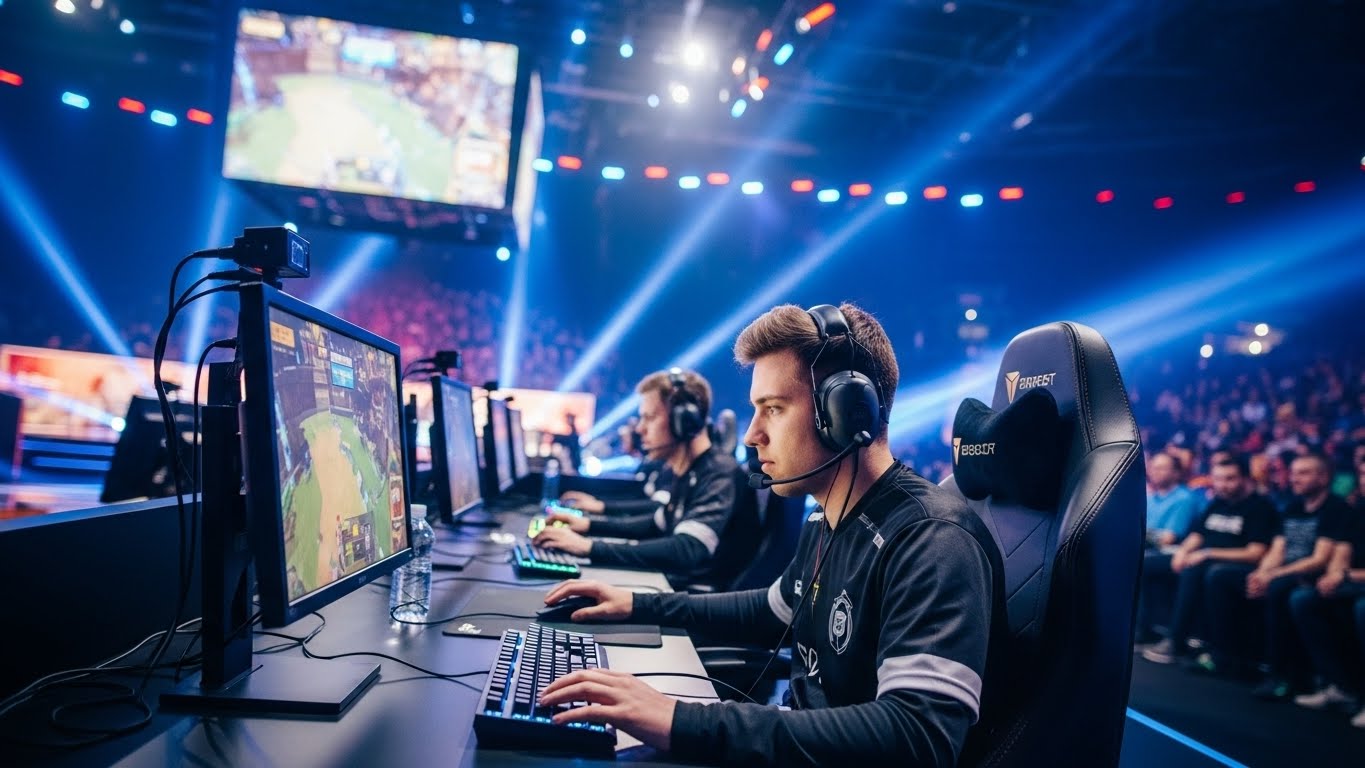
Professional esports players train for hours each day, focusing on reflexes, strategy, communication, and teamwork. Coaches, analysts, and even nutritionists often support players, similar to traditional athletes. Success in esports requires not only skill but also mental resilience, strategic thinking, and the ability to perform under pressure.
The Rise of Professional Esports
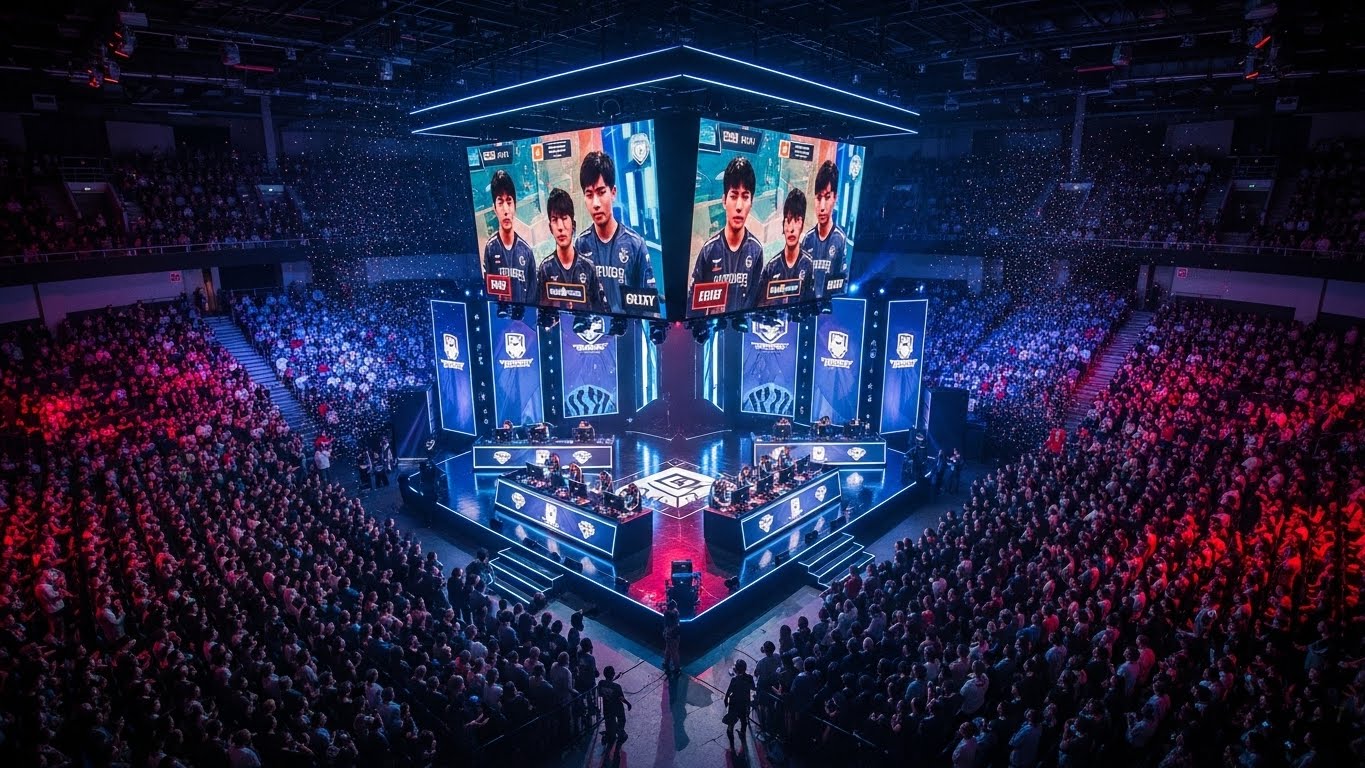
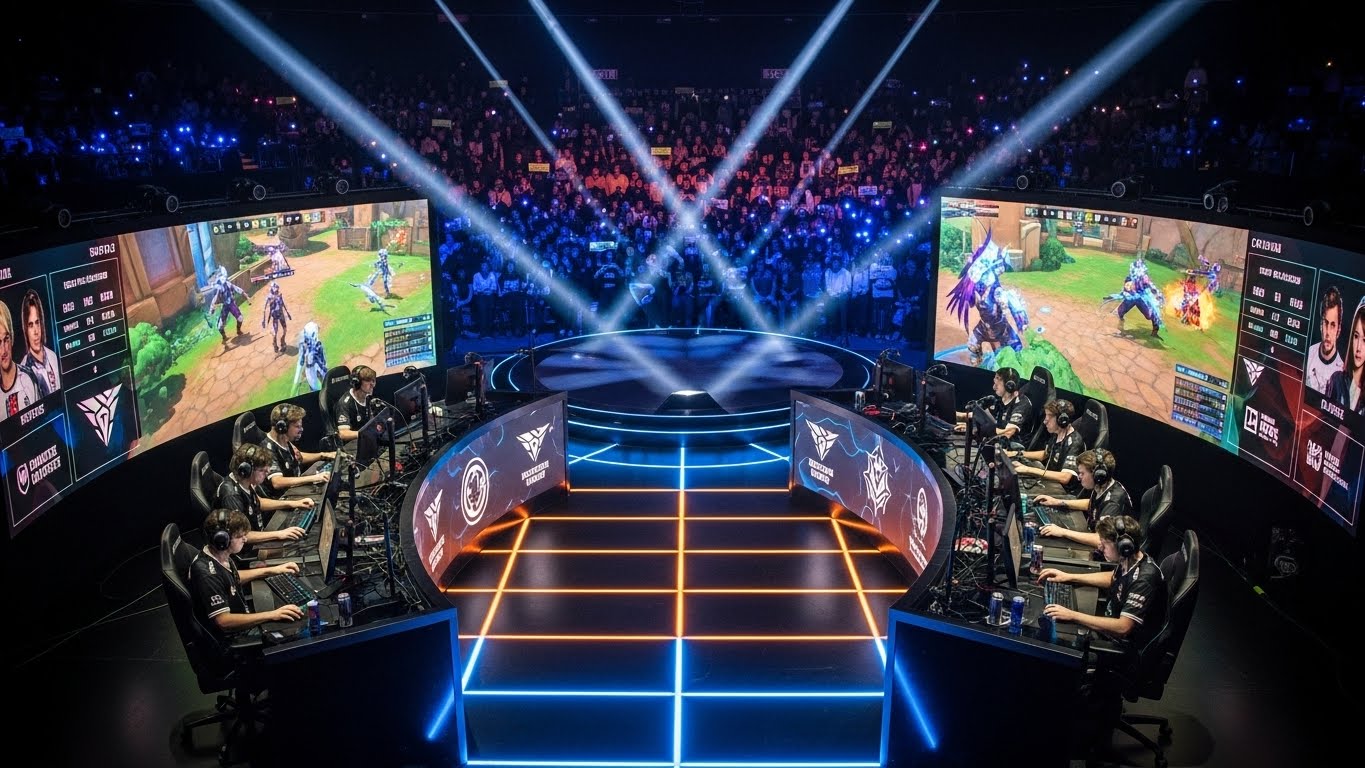
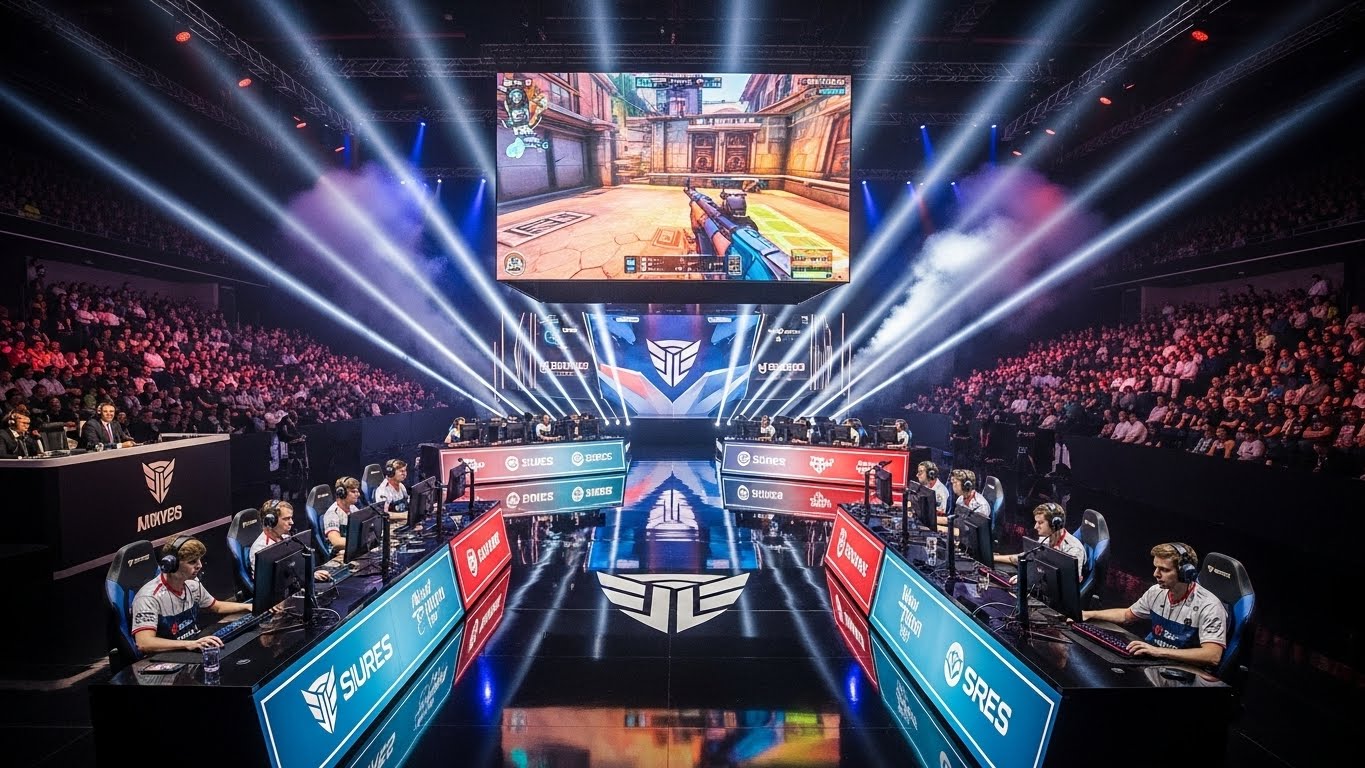
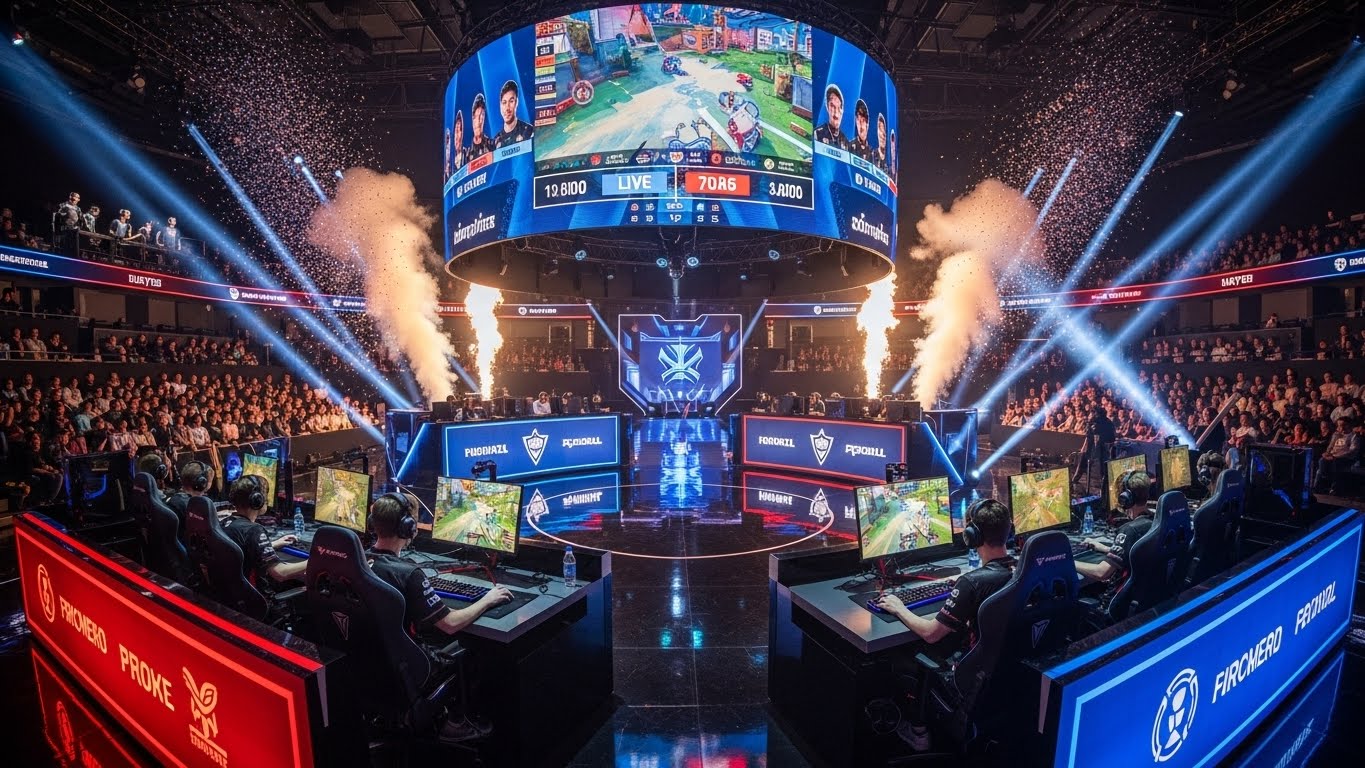
Esports has grown into a global industry that rivals traditional sports. International tournaments now attract millions of viewers, with events such as the League of Legends World Championship, The International for Dota 2, and the Fortnite World Cup offering prize pools in the millions of dollars. Esports teams operate like traditional sports clubs, complete with training facilities, coaching staff, and management teams.
The professionalization of esports has legitimized competitive gaming as a career. Players can earn salaries, sponsorship deals, and prize winnings, while organizations generate revenue through merchandise, media rights, and advertising. The rise of professional leagues has also increased accessibility, inspiring younger generations to pursue competitive gaming seriously.
Cognitive and Strategic Benefits of Esports
Esports provides significant cognitive benefits, particularly in problem-solving, multitasking, and decision-making. Players must analyze opponents’ strategies, anticipate movements, and make split-second decisions. These skills translate to real-world applications, improving strategic thinking and mental agility.
Team-based esports also enhance communication and collaboration. Multiplayer games require players to coordinate tactics, delegate responsibilities, and adapt strategies in real time. Resource management, planning, and quick thinking are all essential, helping players develop mental resilience and focus that extend beyond the gaming arena.
Emotional and Psychological Impact
The psychological impact of esports is profound. Competitive gaming fosters perseverance, patience, and resilience. Players experience both the thrill of victory and the lessons of defeat, learning to manage emotions and maintain focus under pressure.
For many fans, esports provides emotional engagement similar to traditional sports. Spectating high-stakes matches evokes excitement, anticipation, and connection, while online communities allow fans to share experiences and celebrate achievements collectively.
The Social Dimension of Esports
Esports has transformed social interaction, creating communities that span the globe. Online multiplayer platforms enable players to connect, collaborate, and form lasting friendships. Clans, guilds, and esports teams foster a sense of belonging and shared identity.
Streaming platforms further enhance social engagement. Fans can watch live tournaments, interact with players in real time, and participate in discussions about strategies and gameplay. Esports has created a participatory culture where audiences are active contributors rather than passive viewers.
Esports as a Career Path
Esports offers professional opportunities beyond playing competitively. Players can pursue careers as analysts, coaches, commentators, streamers, and content creators. The growth of esports organizations has also created roles in marketing, event management, broadcasting, and game development.
Colleges and universities have recognized the potential of esports by offering scholarships and programs designed to develop talent in gaming and related fields. This shift underscores the legitimacy of esports as a professional domain, demonstrating that competitive gaming is more than entertainment—it is a viable career path.
The Role of Technology in Esports
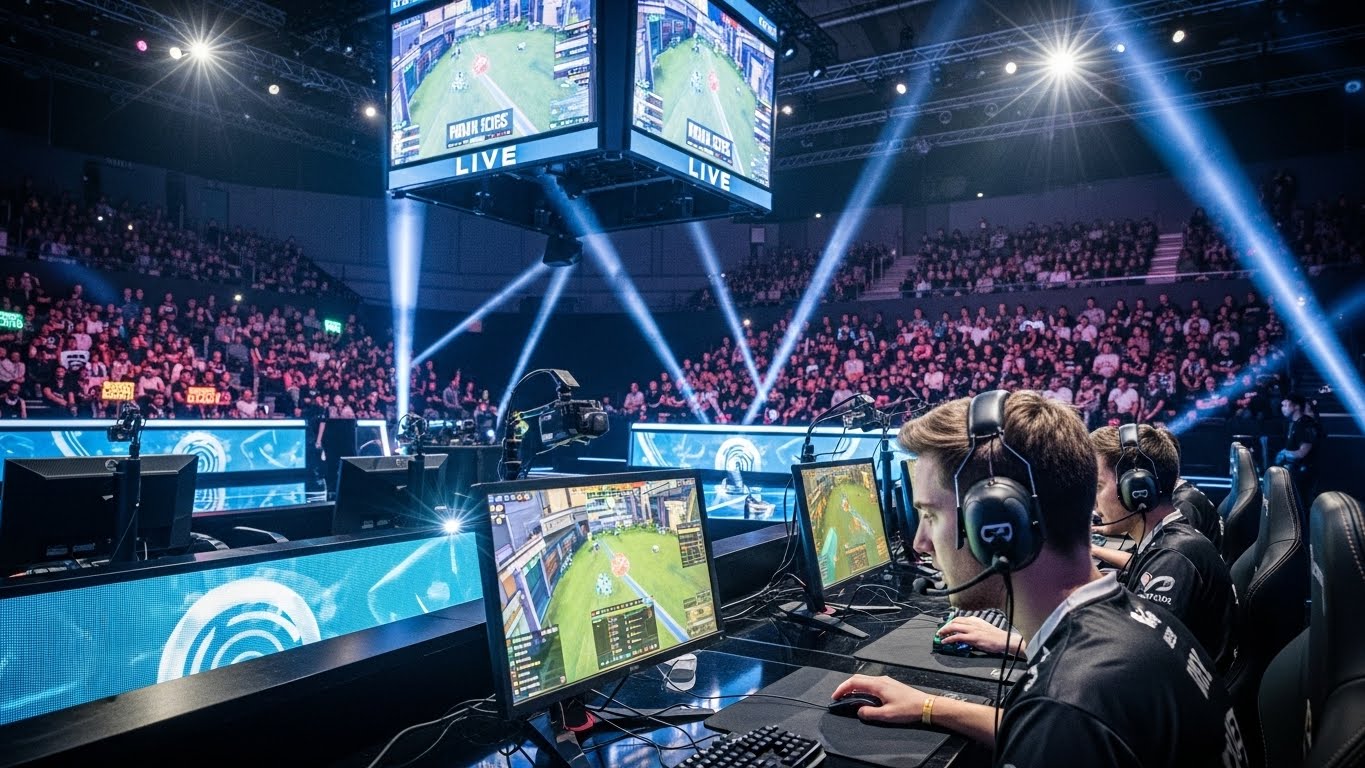
Technology is at the heart of esports. High-speed internet, advanced gaming hardware, and sophisticated software enable elite-level competition. Streaming platforms provide real-time access to tournaments, connecting millions of viewers worldwide. Analytics tools and artificial intelligence assist teams in performance evaluation, strategy development, and skill improvement.
Emerging technologies, including virtual reality and augmented reality, are poised to transform esports further. These innovations promise immersive experiences for both players and spectators, redefining what it means to participate in or watch competitive gaming.
Challenges in Esports
Despite its rapid growth, esports faces several challenges. Player burnout is common due to intense schedules, high-pressure environments, and prolonged screen time. Maintaining mental and physical health is essential for long-term success.
In addition, inclusivity and diversity remain ongoing challenges. Barriers still exist for women and underrepresented groups within esports, and online toxicity can affect both players and fans. Ethical concerns surrounding gambling, monetization, and fair play also require careful oversight to ensure the integrity and sustainability of the industry.
Esports in Education
Esports has begun intersecting with education in innovative ways. Schools and universities now offer esports programs, combining competitive gaming with skill development in leadership, teamwork, and strategic thinking. Students participating in esports gain experience in time management, collaboration, and digital literacy.
Educational initiatives in esports also foster creativity and technological fluency. By integrating esports into learning environments, institutions recognize its potential to equip students with skills relevant to modern careers, whether in gaming, media, or technology sectors.
Cultural Influence of Esports
Esports has become a cultural force that shapes entertainment, media, fashion, and social behavior. Iconic games inspire fan art, cosplay, and creative content, while tournaments become large-scale cultural events celebrated with high production values and global engagement.
Esports challenges traditional perceptions of sports and competition, proving that digital arenas can evoke passion, loyalty, and excitement comparable to physical sports. The cultural significance of esports reflects its power to unify diverse audiences and redefine the entertainment landscape.
The Future of Esports
The future of esports is both promising and dynamic. Advances in cloud gaming, virtual reality, and artificial intelligence will continue to enhance gameplay and audience experiences. Esports tournaments may become more interactive, immersive, and globally accessible, attracting new participants and fans.
Professional leagues are likely to expand, integrating advanced analytics, performance tracking, and fan engagement strategies. As esports continues to professionalize, it will solidify its place alongside traditional sports, offering opportunities for career development, entertainment, and community building on a global scale.
Personal Growth Through Esports
Esports is more than competition; it is a vehicle for personal development. Players develop discipline, resilience, strategic thinking, and communication skills. Fans gain appreciation for creativity, skill, and teamwork. Esports mirrors real-world challenges, providing opportunities for personal growth, self-reflection, and the cultivation of meaningful social connections.
Through esports, individuals learn to balance ambition with patience, practice with creativity, and competition with collaboration. It offers experiences that foster intellectual, emotional, and social growth in ways few other mediums can match.
Conclusion
Esports has evolved from humble arcade competitions into a global cultural and professional movement. It combines skill, strategy, technology, and community, offering cognitive, emotional, and social benefits to players and fans alike. As a professional pursuit, a cultural phenomenon, and a platform for personal development, esports continues to grow in scope and influence.
The digital arena has become a space where talent, dedication, and creativity converge, shaping the future of entertainment, competition, and social interaction. Far beyond screens and controllers, esports is a transformative force that is redefining what it means to play, compete, and connect in the modern world. Competitive gaming is no longer just a pastime—it is a powerful cultural and professional phenomenon that reflects the evolution of human creativity and ambition in the digital age.