 championcircle20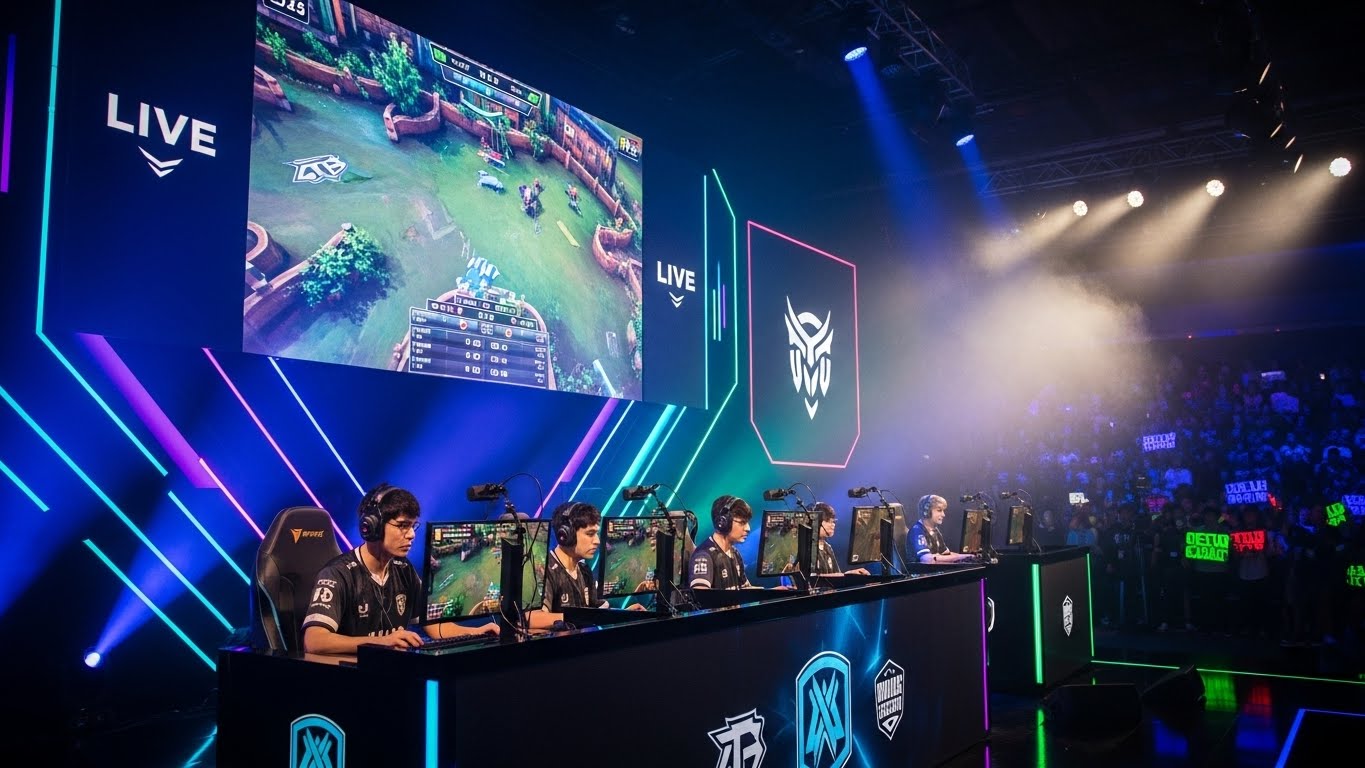
The Rise of Esports: A New Era of Competitive Gaming
In recent years, the world of competitive gaming, or esports, has evolved from a niche hobby to a global phenomenon. What was once seen as a pastime for a select group of gamers is now a multi-billion-dollar industry, attracting millions of fans, sponsors, and professional players. Esports has not only redefined the way people perceive video games but has also created a whole new ecosystem where talent, strategy, and entertainment converge. In this blog post, we will explore the explosive growth of esports, the factors contributing to its rise, and what the future holds for this exciting industry.
What Is Esports?
At its core, esports refers to organized, multiplayer video game competitions, particularly between professional players, individually or as teams. These competitions are often held in a tournament format and can range from online matches to large-scale events held in stadiums and arenas. Popular esports titles include games like League of Legends, Dota 2, Counter-Strike: Global Offensive, Fortnite, Call of Duty, and Overwatch.
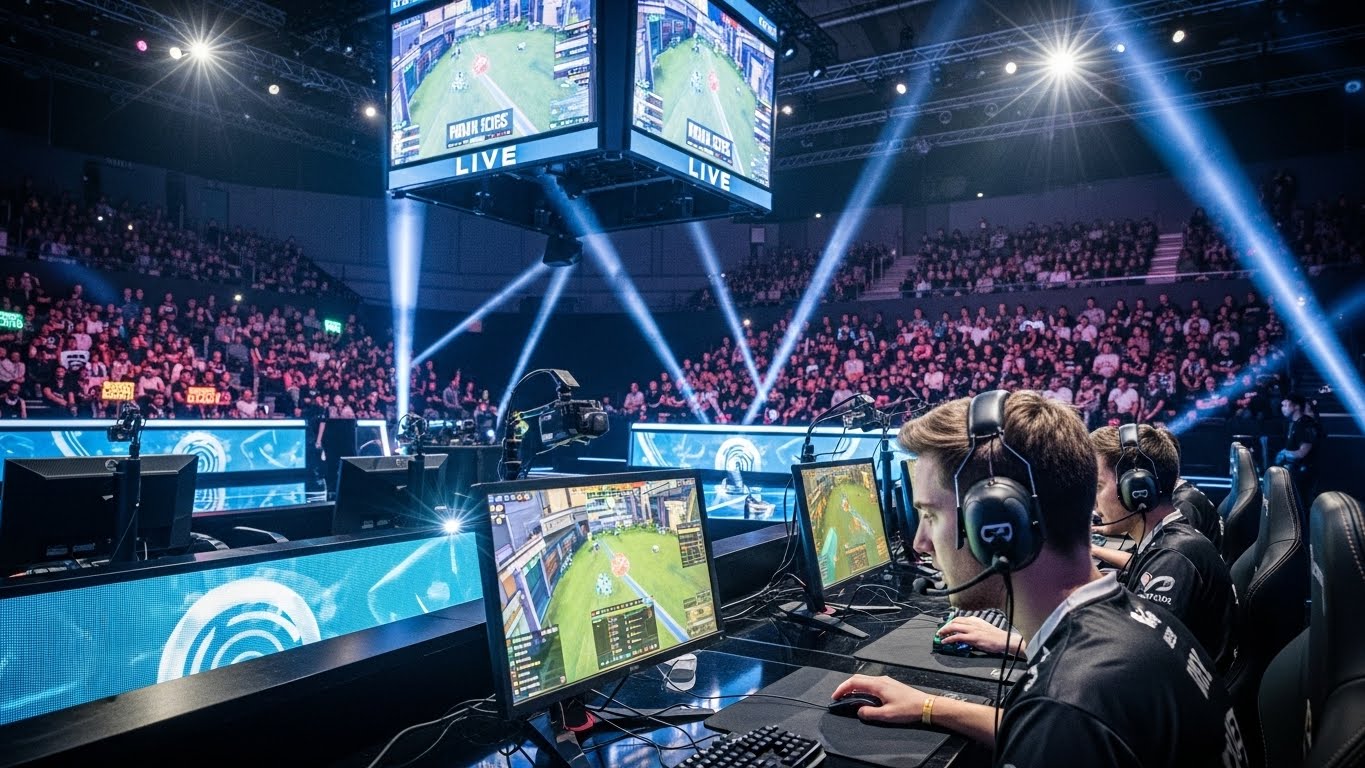
Unlike casual gaming, esports involves professional players who train rigorously, much like athletes in traditional sports. These players must master specific games, develop strategies, work with teammates, and maintain peak mental and physical performance. In addition to individual skill, teamwork, and communication are crucial aspects of success in esports competitions.
The Explosive Growth of Esports
Over the past decade, esports has seen a remarkable rise in popularity. What began as small-scale tournaments for a limited audience has now become a global industry with millions of fans tuning in to watch games online and in person. Several factors have contributed to this growth, including technological advancements, the rise of streaming platforms, and increasing investments from traditional sports organizations and media companies.
One of the most significant factors driving the rise of esports is the growth of online streaming platforms such as Twitch, YouTube Gaming, and Facebook Gaming. These platforms have made it easier for fans to watch their favorite players and teams compete in real time. Twitch, in particular, has become synonymous with esports, offering live broadcasts of tournaments, behind-the-scenes content, and interactive opportunities for fans to engage with players and streamers.
The increasing accessibility of high-speed internet and the availability of gaming consoles and PCs have also played a significant role in the democratization of esports. Gamers can now compete from virtually anywhere, whether it’s in a living room or a professional gaming studio, which has helped increase the global reach of esports. Moreover, the affordability of gaming equipment and the proliferation of mobile esports titles have opened up new avenues for aspiring players to enter the competitive gaming scene.
Esports as a Professional Career
As esports has grown, so too has the opportunity for players to turn their passion into a legitimate career. Professional esports players can now earn substantial salaries through tournament winnings, sponsorships, and streaming platforms. Major esports organizations sign players to contracts, offering them financial stability, coaching, and resources to help them reach their potential.
The most successful esports players can earn millions of dollars annually, with some tournaments offering multi-million-dollar prize pools. For instance, The International, an annual Dota 2 tournament, is famous for its record-breaking prize pools, sometimes exceeding $40 million. Similarly, League of Legends World Championship has become one of the most-watched annual events, attracting millions of viewers worldwide and offering massive cash prizes to its victors.
Beyond tournament earnings, professional esports players also benefit from brand endorsements, sponsorships, and media deals. Top-tier players often sign deals with gaming hardware companies, energy drinks, and even traditional sports teams, further solidifying their status as public figures in the digital world. This ecosystem mirrors traditional sports in many ways, with players becoming brands in their own right, streaming content, hosting live shows, and participating in promotional activities.
The Global Esports Audience
Esports has rapidly gained a dedicated and diverse global fanbase. According to estimates, there are more than 500 million esports enthusiasts worldwide, spanning various demographics and regions. The largest audiences are found in Asia, North America, and Europe, with countries like South Korea, China, the United States, and Germany leading the charge in esports viewership.
In South Korea, esports is considered a mainstream form of entertainment, with games like StarCraft and League of Legends achieving cultural significance. The country’s government even supports esports development through educational programs and infrastructure investments. Similarly, China has become a major player in the esports world, with vast audiences following games like Honor of Kings and PUBG Mobile. The sheer size of these regions has contributed to the global appeal of esports.
In North America and Europe, esports is also thriving, with tournaments, team leagues, and fan events drawing massive crowds. Esports has found a niche in the sports industry as well, with traditional sports franchises like the Dallas Cowboys, Los Angeles Lakers, and Paris Saint-Germain investing in esports teams. The inclusion of esports in major sporting events, such as the Asian Games, is further cementing its legitimacy and recognition as a competitive pursuit.
Esports Tournaments and Leagues
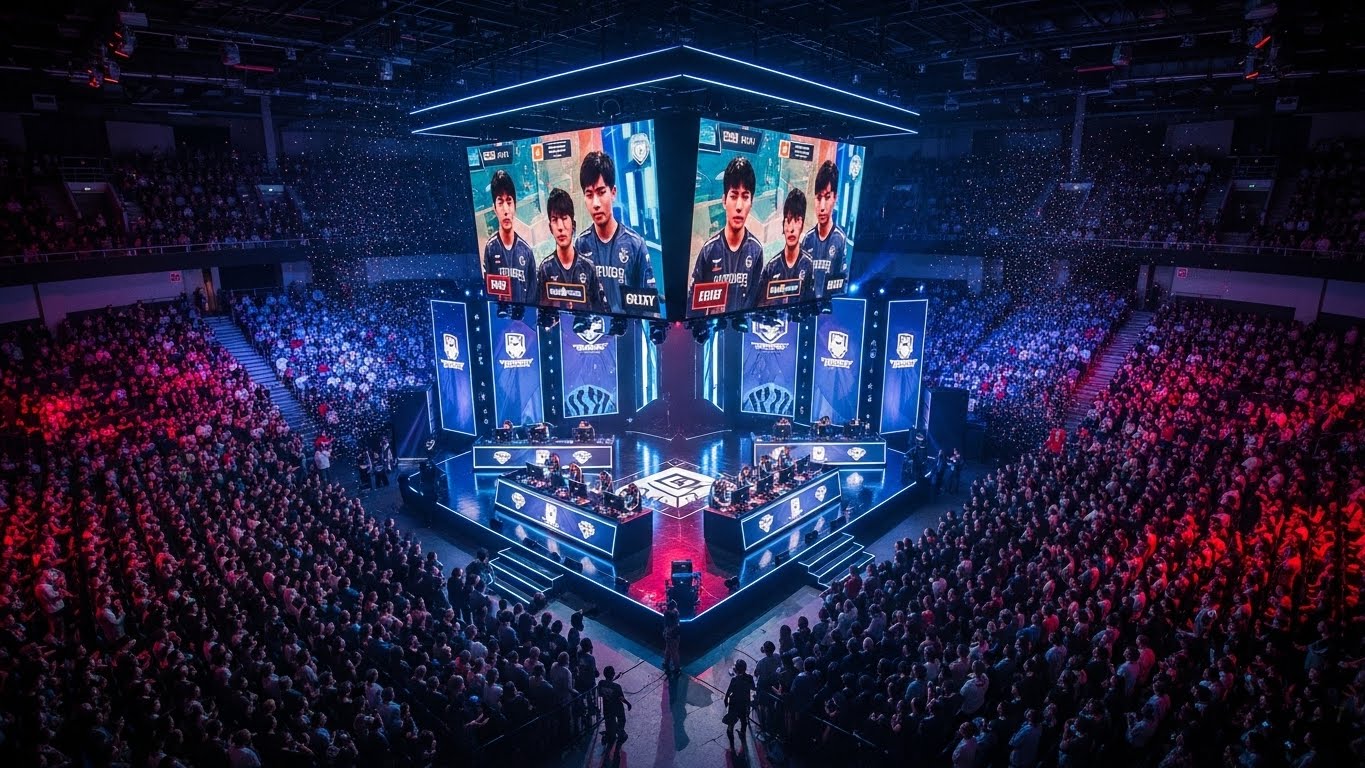
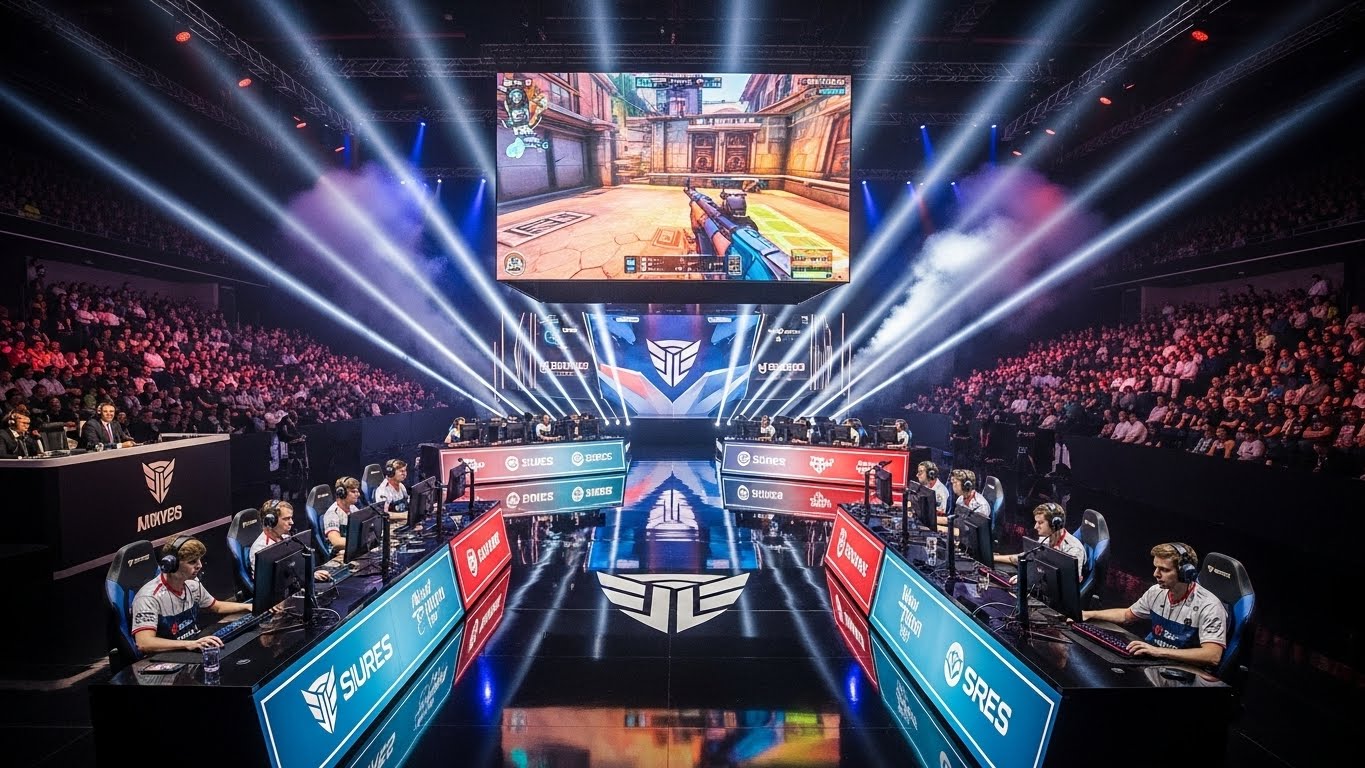
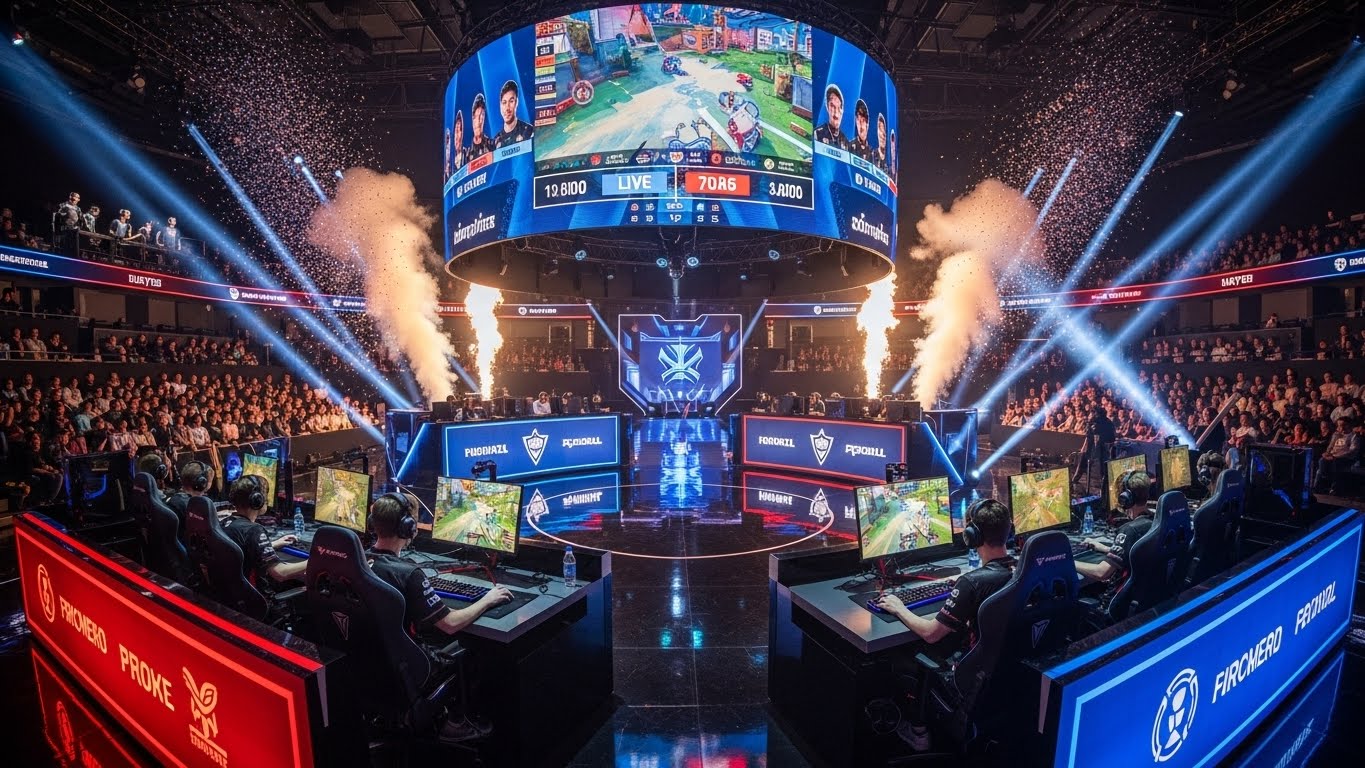
Esports tournaments and leagues have become the focal points of the industry, where professional players and teams can showcase their skills and compete for substantial rewards. These events are often broadcasted to millions of viewers worldwide, either via streaming platforms or through television networks.
Major tournaments like The International for Dota 2, League of Legends World Championship, and Overwatch League are some of the most-watched events in the gaming world, drawing in tens of millions of viewers. These tournaments feature the best players and teams from around the globe, creating intense rivalries and compelling storylines that captivate fans.
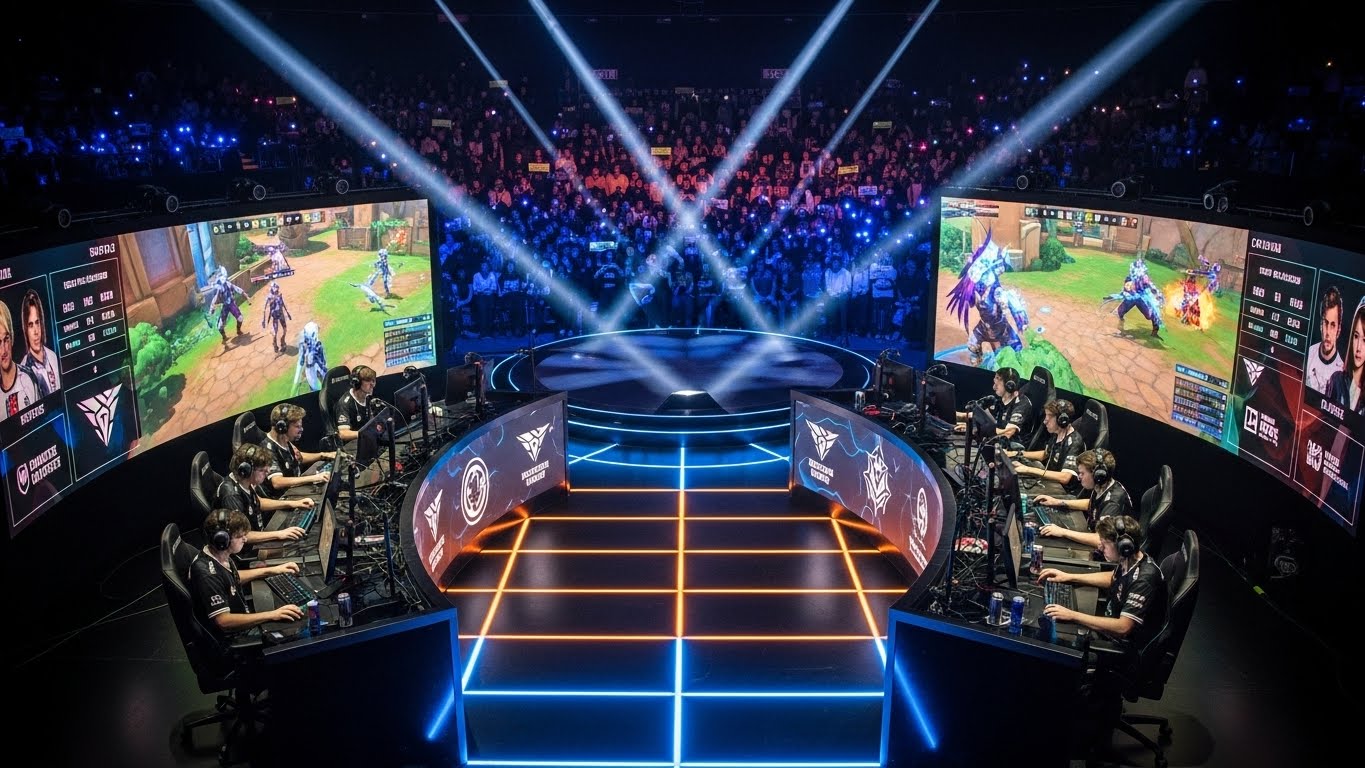
Esports leagues, such as Call of Duty League and LCS (League of Legends Championship Series), offer a structured competition where professional teams compete over the course of a season. These leagues have their own regular seasons, playoffs, and grand finals, akin to the structure of traditional sports leagues like the NBA or NFL.
Not only do these events provide exciting entertainment, but they also offer a platform for sponsors to connect with the growing esports audience. Companies in various industries, including tech, fashion, and energy drinks, sponsor events, teams, and players, further integrating esports into mainstream culture.
The Role of Technology in Esports
The technological advancements that have driven the gaming industry are also fueling the rise of esports. High-performance gaming hardware, such as graphic cards, gaming PCs, and consoles, have enabled players to compete at the highest levels. Esports events also rely heavily on cutting-edge technology, including high-definition video production, live streaming infrastructure, and advanced data analytics.
The use of artificial intelligence (AI) and machine learning is also beginning to make an impact in the esports world. AI-powered analytics can help teams assess player performance, track in-game statistics, and devise winning strategies. Some teams even use AI to scout new talent, identifying players with high potential based on their gameplay data.
Additionally, the rise of virtual reality (VR) and augmented reality (AR) technologies has the potential to revolutionize the esports experience. These technologies could create more immersive viewing experiences, where fans can virtually step into the action and interact with the players in new and exciting ways. VR and AR may also change how players train and compete, providing innovative tools to enhance their performance.
Esports and the Future of Entertainment
Esports has already solidified its place as a major player in the entertainment industry, but its future is still full of untapped potential. As esports continues to grow in popularity, we can expect even more innovation in terms of gaming hardware, competition formats, and fan engagement. New esports titles are constantly being developed, with a focus on multiplayer gameplay and community-driven experiences.
There is also growing interest in esports as a form of spectator sport. The next few years may see esports tournaments held in larger venues, including dedicated esports arenas that rival traditional sports stadiums. With the rise of 5G technology, we can expect faster and more seamless live streaming, allowing fans to watch their favorite games from anywhere in the world with ultra-low latency.
Furthermore, the crossover between traditional sports and esports is likely to increase. As more traditional sports teams invest in esports, and as esports organizations partner with major media outlets, the boundaries between these two forms of entertainment will continue to blur. Esports could eventually become as mainstream as traditional sports, attracting even greater global attention and investment.
Conclusion: Esports — A New Chapter in Competitive Entertainment
Esports has come a long way since its early days as a niche pastime for competitive gamers. Today, it stands as one of the fastest-growing industries in the world, with professional players, global tournaments, and a massive fanbase driving its success. The combination of skill, strategy, and entertainment that defines esports makes it a unique and exciting form of competition that is set to dominate the entertainment landscape for years to come.
As technology continues to evolve and the esports community expands, there is no limit to what the future holds. Esports is not just a game; it is a cultural movement that is reshaping how we think about competition, entertainment, and the digital world. For fans, players, and sponsors alike, the rise of esports marks the beginning of a new era in global entertainment. The journey of esports is only just beginning, and the best is yet to come.