 championcircle20
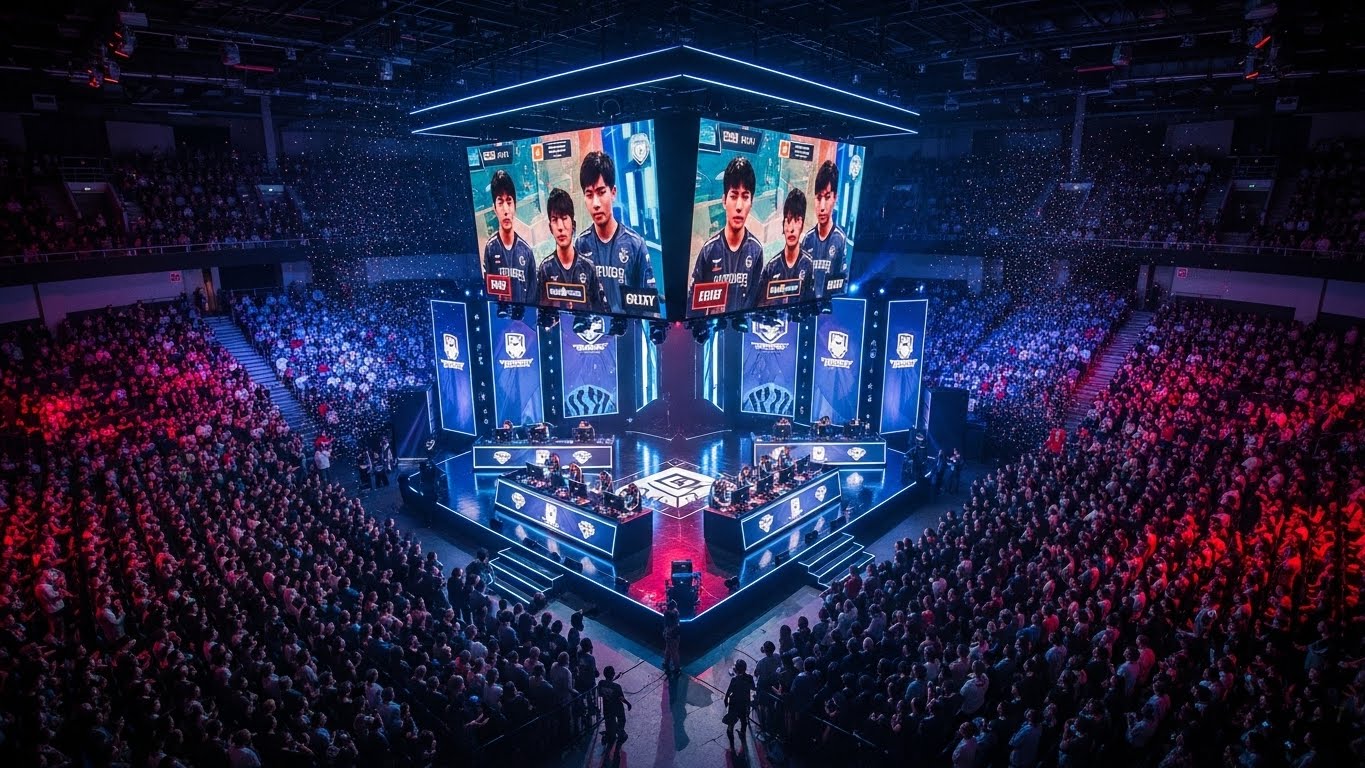
In recent years, esports has evolved from a niche hobby to a global entertainment juggernaut. What was once a pastime for passionate gamers is now a multi-billion dollar industry, with professional teams, sponsorships, live-streamed tournaments, and millions of fans worldwide. The rise of esports has captured the attention of not just gamers, but also investors, celebrities, and major brands. But how did esports transform from a basement pastime to a billion-dollar global industry? In this blog post, we will explore the origins of esports, its rapid rise in popularity, and the factors that have contributed to its success.
The Origins of Esports: A Grassroots Beginning
Esports has its roots in the early days of competitive gaming. In the 1970s and 1980s, video games were still in their infancy, and arcades were the primary places for players to compete against each other. Classic games like Space Invaders and Pac-Man offered informal competitive play, where high scores were often a measure of skill. However, the first true esports tournament didn’t take place until 1997, when the Red Annihilation tournament for the popular game Quake was held.
The Red Annihilation tournament was a pivotal moment in the history of esports. It brought together the best players from around the world to compete for a significant prize—an actual Ferrari. This event helped to solidify the idea of esports as a legitimate competitive endeavor. As internet speeds improved and multiplayer games became more sophisticated, online gaming exploded in popularity, paving the way for larger-scale tournaments.
In the early 2000s, games like Warcraft III, StarCraft, and Counter-Strike helped lay the foundation for the modern esports scene. These games featured competitive multiplayer modes, which encouraged players to test their skills against others. StarCraft, in particular, gained massive popularity in South Korea, where it became a national pastime. The country’s dedication to esports led to the creation of professional leagues, such as the Korean e-Sports Association (KeSPA), which is often credited with laying the groundwork for the modern esports ecosystem.
The Rise of Esports: A Global Phenomenon
By the late 2000s and early 2010s, esports began to attract a broader audience. The popularity of games like League of Legends (LoL), Dota 2, Counter-Strike: Global Offensive (CS:GO), and Overwatch contributed to the rapid expansion of the esports industry. These games not only offered competitive gameplay but also built strong communities around them, which in turn created a sense of loyalty among fans.
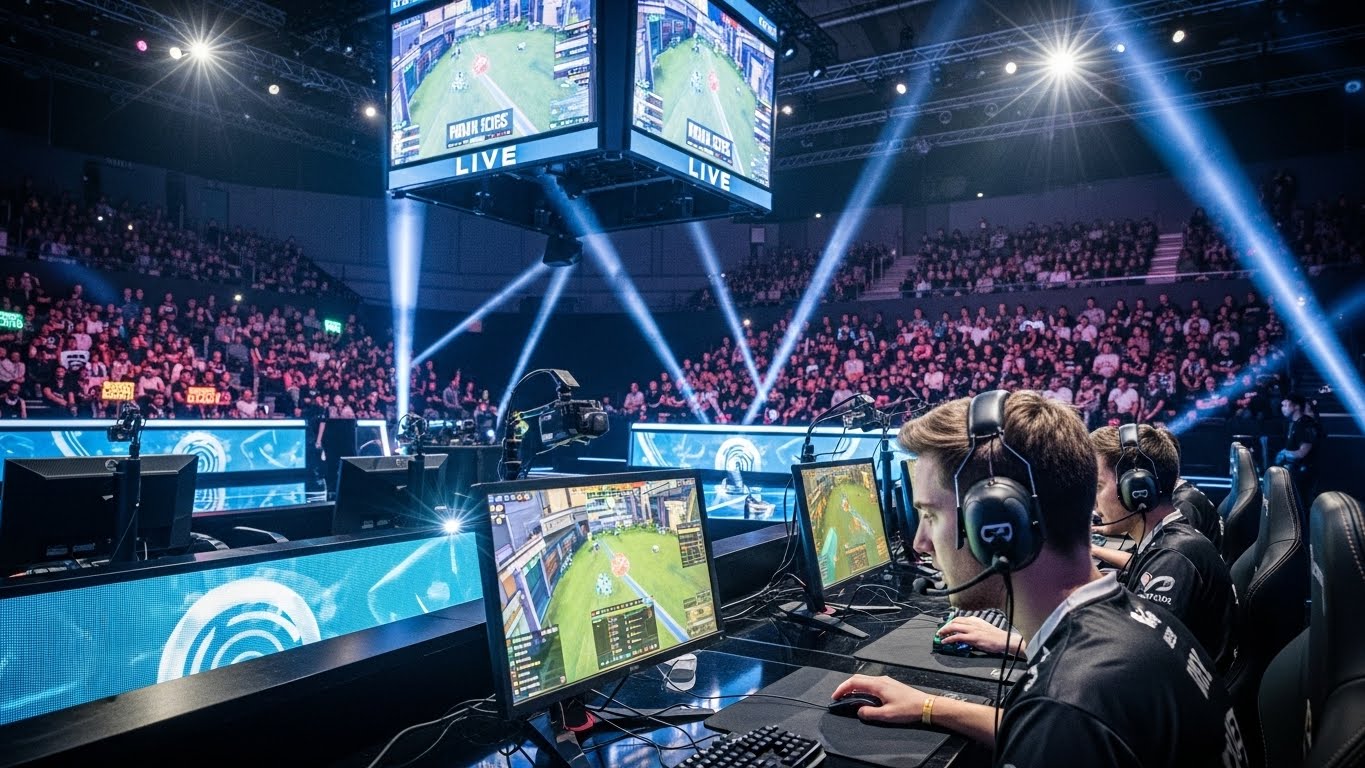
Streaming platforms like Twitch played a significant role in the esports boom. Founded in 2011, Twitch allowed gamers to live-stream their gameplay to a global audience, creating an entirely new form of entertainment. What started as a platform for casual gamers quickly became a hub for professional esports competitions, with millions of viewers tuning in to watch tournaments, player streams, and commentary. The ability to broadcast high-quality, real-time gameplay brought esports to the masses and made it more accessible than ever before.
As streaming gained popularity, major companies took notice. In 2014, Amazon acquired Twitch for nearly $1 billion, signaling the growing importance of esports in the entertainment landscape. The move also paved the way for significant investments in esports infrastructure, leading to the establishment of professional leagues, team organizations, and sponsorship deals.
The Role of Professional Leagues and Organizations
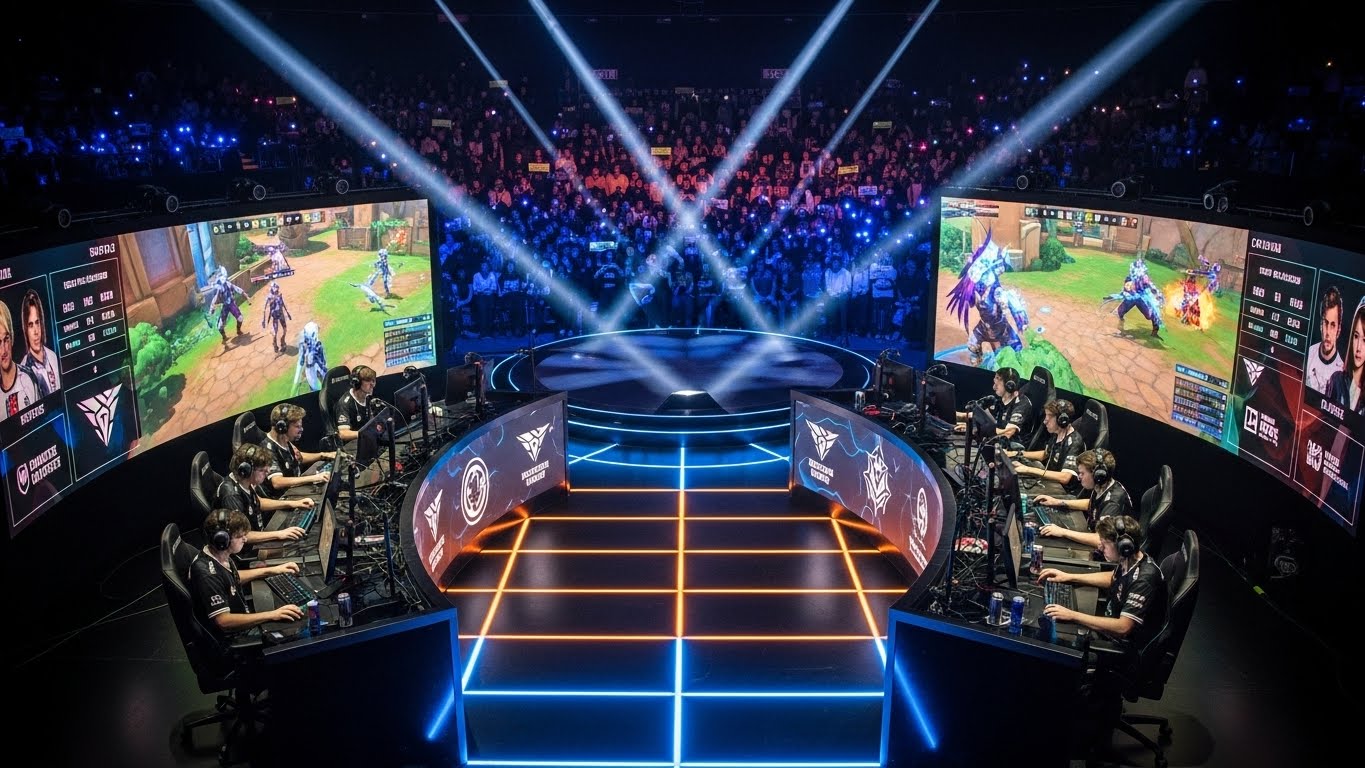
One of the key factors behind the growth of esports is the establishment of professional leagues and organizations. Similar to traditional sports leagues like the NFL or NBA, esports leagues provide a structured environment for teams and players to compete at the highest level.
For example, the League of Legends Championship Series (LCS) is one of the most well-known professional leagues in esports. Formed in 2013, the LCS features the best League of Legends teams from North America and Europe. The LCS, along with other leagues like the Overwatch League (OWL) and Call of Duty League (CDL), provides a regular schedule of events, complete with playoffs and championship matches.
These professional leagues not only offer a platform for the best players to showcase their skills but also create a stable ecosystem for team organizations. Organizations like Team Liquid, Cloud9, and Fnatic have become household names in esports, signing top-tier players and building fan bases that rival traditional sports teams.
Sponsorships and partnerships have become a key revenue source for these leagues. Major brands like Coca-Cola, Intel, and Nike have signed multi-million-dollar sponsorship deals with esports organizations, helping to elevate the sport’s visibility. In some cases, the financial backing from these partnerships allows esports teams to offer salaries and benefits comparable to those in traditional sports, making professional gaming a viable career path for talented players.
The Growth of Esports Tournaments and Prize Pools
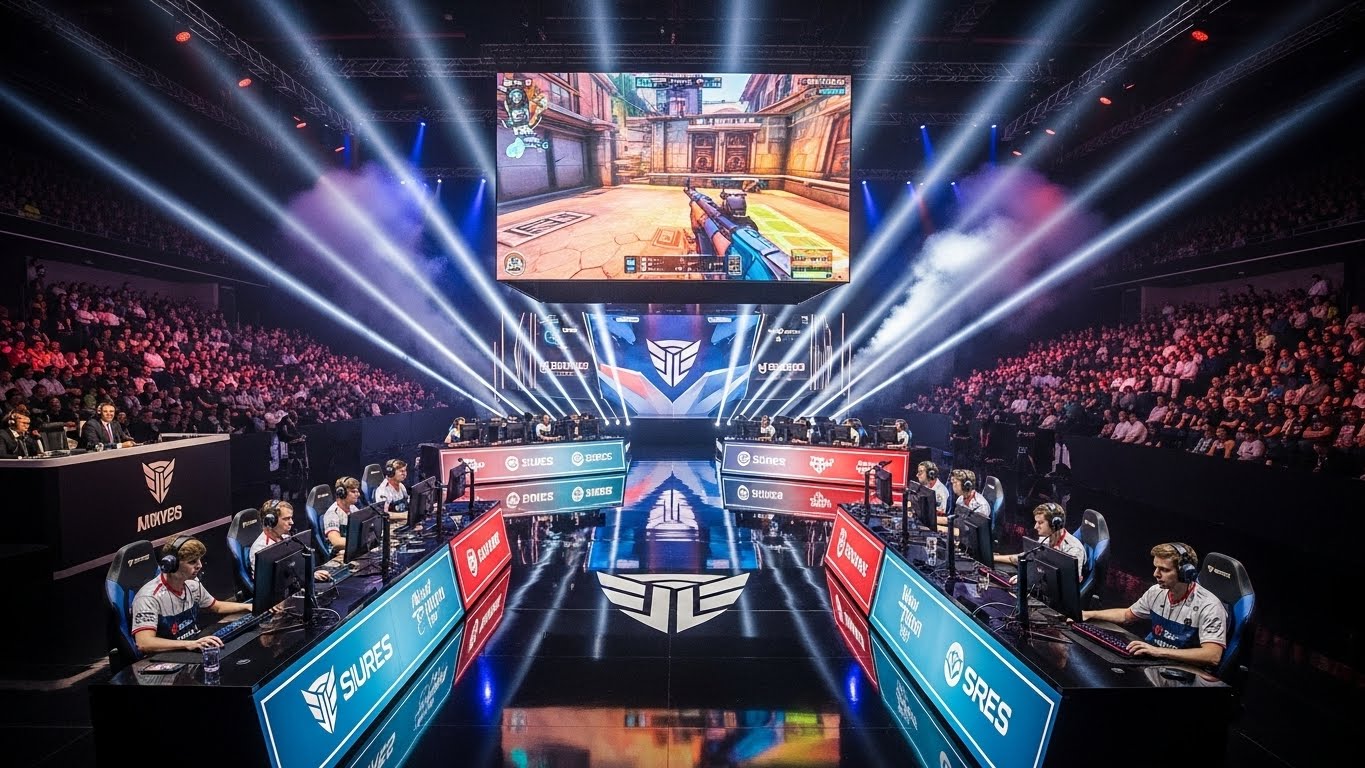
Another significant factor in the rise of esports is the increasing size of tournament prize pools. Major esports tournaments now offer millions of dollars in prize money, attracting top-tier talent from around the world. For example, the The International, the world championship tournament for Dota 2, consistently offers some of the largest prize pools in esports. In 2021, the prize pool for The International surpassed $40 million, with the winning team taking home over $18 million.
These massive prize pools have helped to solidify esports as a professional sport and have attracted top-tier players who are willing to dedicate their lives to perfecting their craft. The opportunity to win life-changing sums of money has made esports highly competitive, drawing players from all over the world.
In addition to traditional esports tournaments, online events and grassroots competitions have also contributed to the industry’s growth. Many games, including Fortnite and Valorant, feature in-game tournaments and events that allow players to compete for prizes without needing to be part of a professional organization. This accessibility has opened the door for aspiring players to make a name for themselves and has helped fuel the growth of the esports community.
Esports and Its Cultural Impact
Esports has also had a significant impact on popular culture. In recent years, we’ve seen esports being featured in mainstream media outlets, television broadcasts, and even traditional sports networks. In 2016, the Overwatch World Cup was broadcast on ESPN, marking a milestone for esports in terms of mainstream recognition. As more people become aware of esports, its cultural influence continues to grow.
The rise of esports has also led to a shift in how we view professional athletes. Many esports players now enjoy celebrity status, with large social media followings and endorsement deals. Some have even transcended the gaming world and become influencers, collaborating with brands, appearing in commercials, and hosting their own content on platforms like YouTube and Instagram.
Esports is also helping to change the way we think about traditional sports. While physical prowess is important in traditional sports, esports focuses on cognitive abilities, strategic thinking, and teamwork. This shift has made esports more inclusive, attracting people who may not have traditionally been interested in physical sports but who excel in areas like problem-solving, hand-eye coordination, and multitasking.
The Future of Esports: What’s Next?
The future of esports looks incredibly promising, with new developments and innovations on the horizon. One area that is set to grow is the integration of virtual and augmented reality (VR/AR). As VR and AR technologies improve, we may see the emergence of new esports games and formats that offer a more immersive experience for players and viewers alike.
Additionally, the rise of mobile gaming is expected to play a key role in the future of esports. With smartphones becoming more powerful and capable of running high-quality games, mobile esports is poised to become a significant part of the industry. Games like PUBG Mobile and Arena of Valor have already seen massive success in regions like Southeast Asia, and as mobile gaming continues to grow, esports tournaments for mobile titles will likely become more common.
As esports continues to evolve, its influence will likely expand into other areas of entertainment, including movies, music, and live events. The increasing popularity of esports events, combined with the growing financial support from sponsors and investors, means that esports will only become more integrated into the mainstream.
Conclusion
Esports has come a long way since its humble beginnings in the 1990s. Today, it is a global phenomenon that continues to grow, attracting millions of fans, top-tier players, and major brands. With its increasing cultural impact, substantial prize pools, and professional leagues, esports is poised to become a permanent fixture in the entertainment industry. As technology continues to advance and new opportunities arise, there is no telling just how far esports can go. One thing is for sure: the future of esports is bright, and it will continue to captivate audiences for years to come.