 championcircle20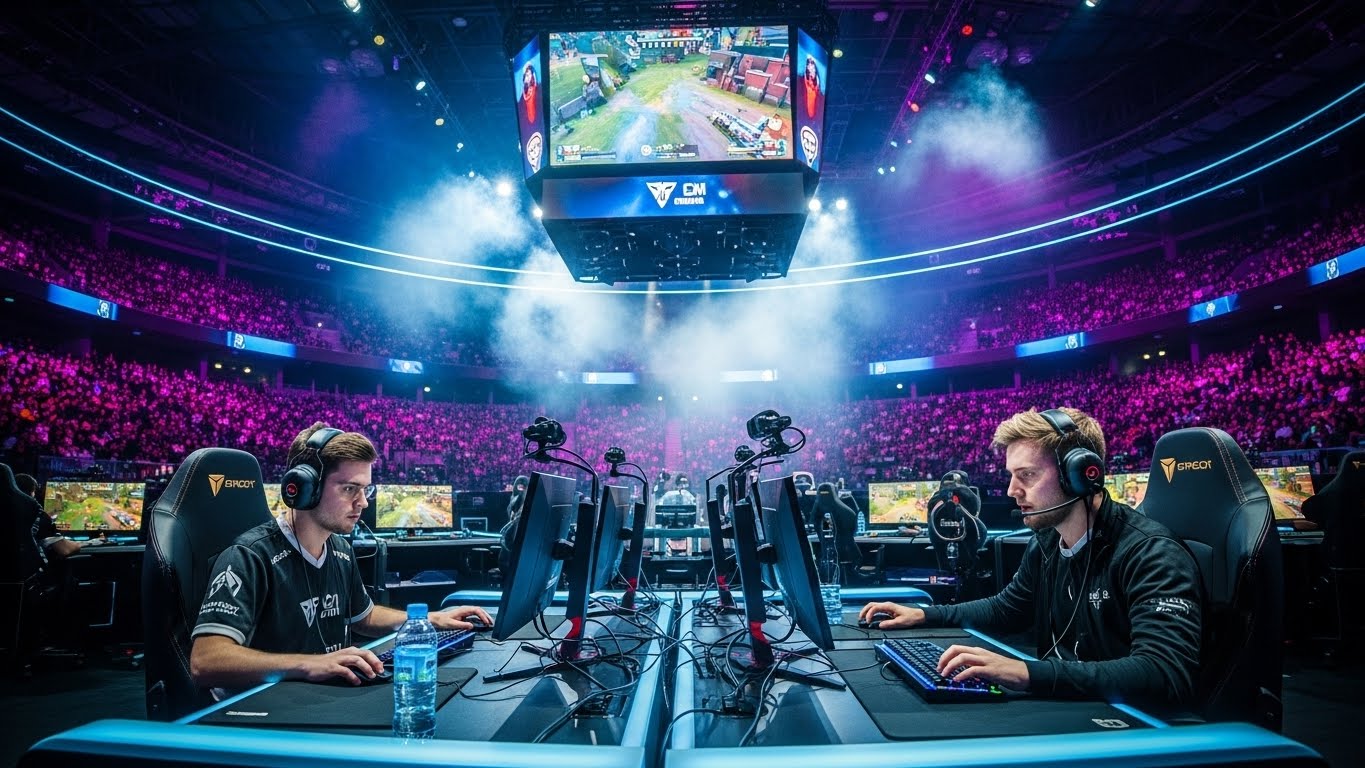
Introduction: A New Era of Competitive Entertainment
Over the last decade, entertainment has undergone a dramatic transformation. Traditional sports still dominate stadiums and television screens, yet a new form of competition has risen from living rooms, gaming cafés, and online communities across the world. This rising force is esports, a booming industry built on video game competitions, passionate fandom, and global digital connectivity. Far from being a niche hobby reserved for tech-loving teenagers, esports has evolved into a multi-billion-dollar industry with professional athletes, massive tournaments, corporate sponsorships, and millions of viewers tuning in from every corner of the globe.
This blog explores the evolution, impact, and future of esports, examining why it is now considered one of the most influential and rapidly growing entertainment sectors of our time.
The Evolution of Esports: From Arcades to Arenas
Esports did not emerge overnight. It began with small gatherings in local arcades, where gamers competed for bragging rights on titles like Pac-Man and Street Fighter. In the early 2000s, multiplayer online games such as Counter-Strike, WarCraft III, and StarCraft helped bring competitive gaming into the mainstream, especially in regions like South Korea where early internet infrastructure was strong.
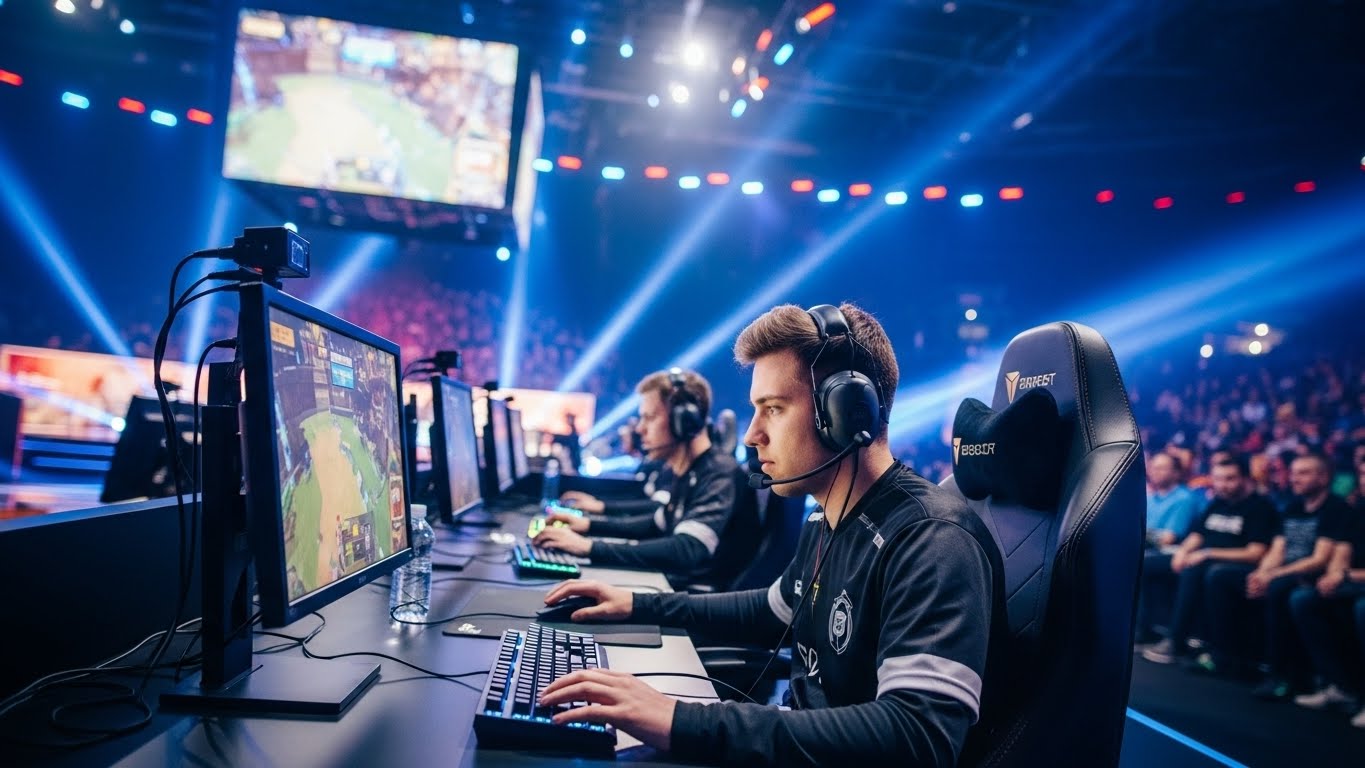
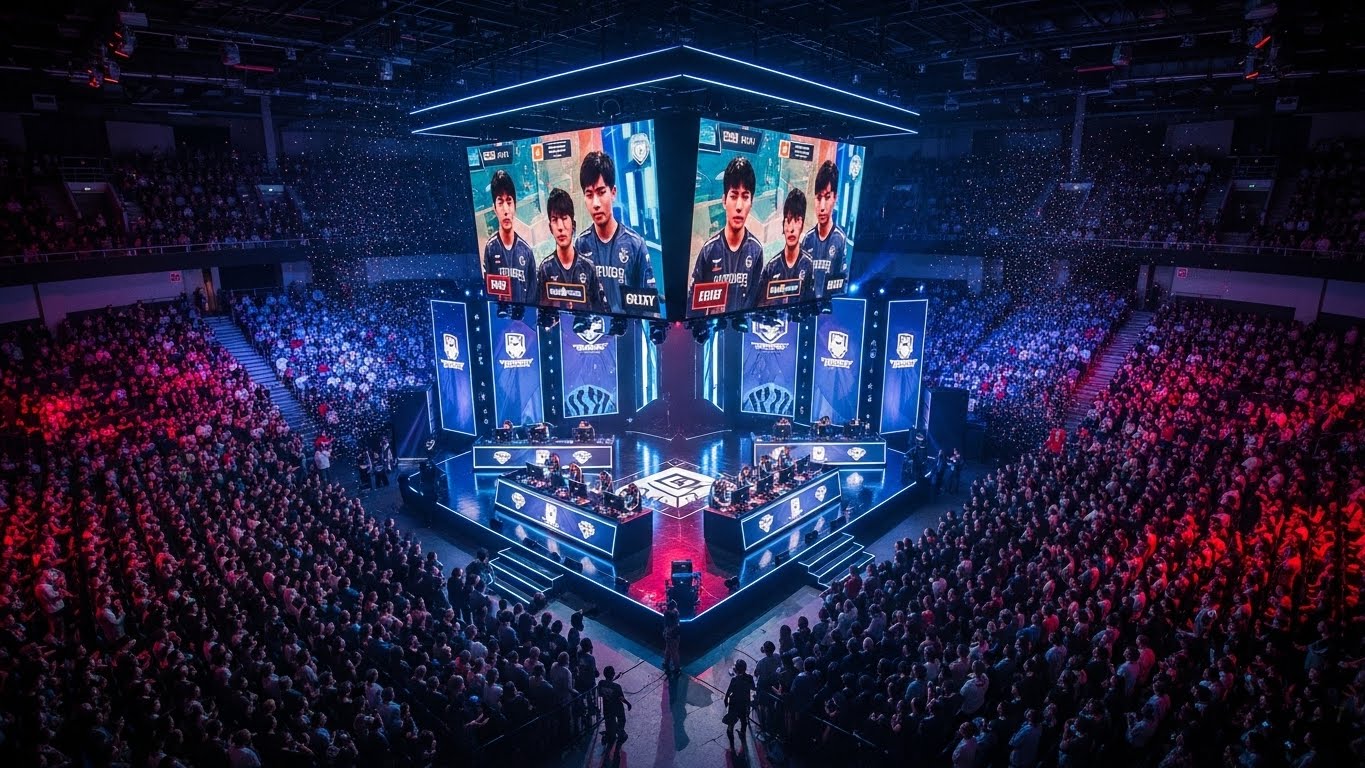
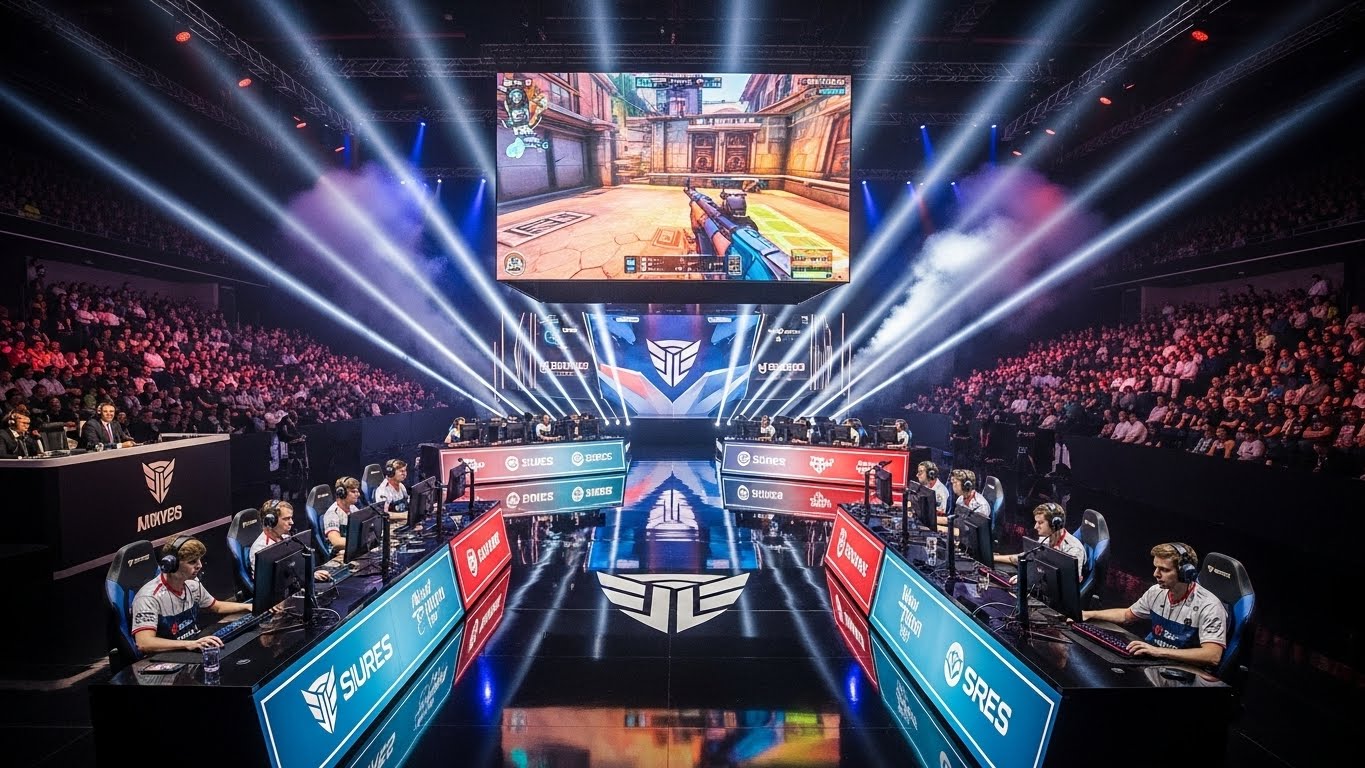
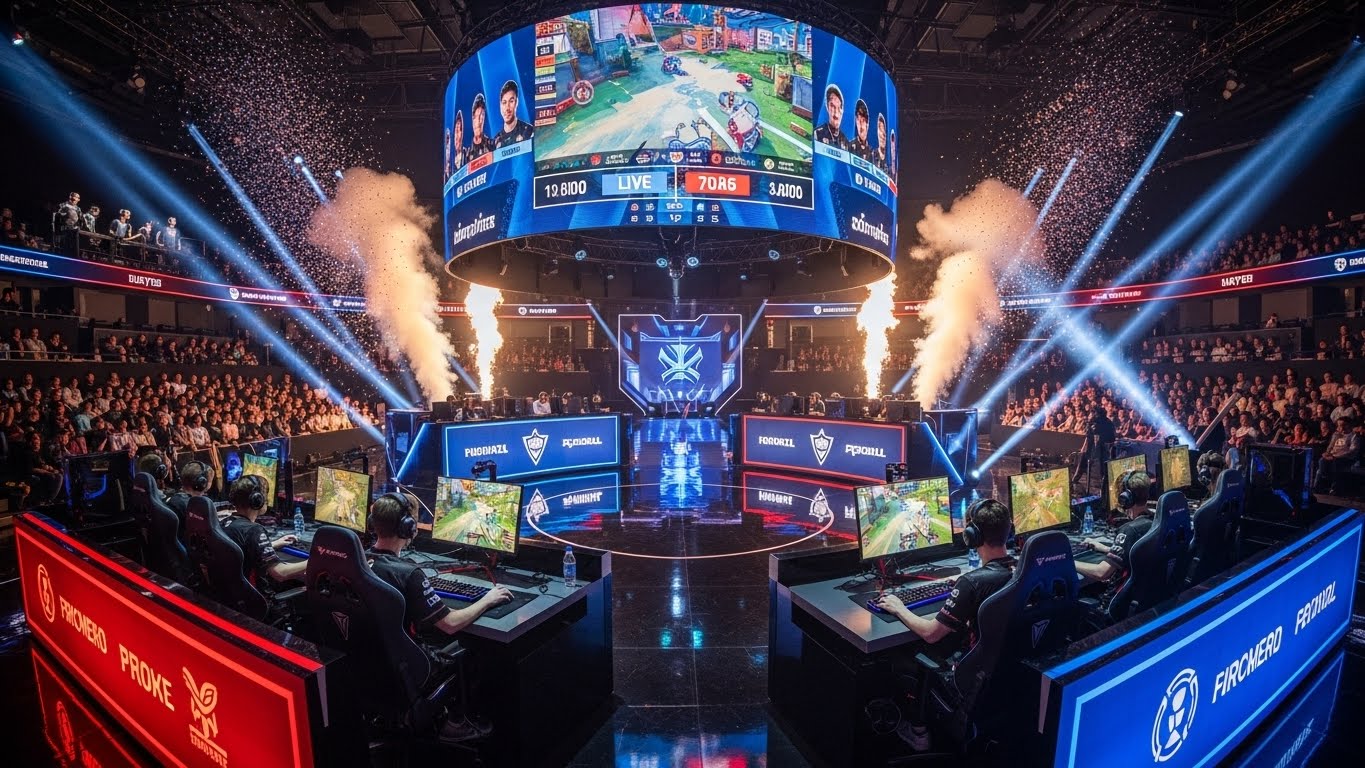
What began as casual tournaments expanded into professionally organized events, complete with leagues, seasons, and teams. Today, esports arenas resemble traditional sports venues, packed with fans cheering for their favorite players. The evolution showcases a blend of technology, culture, and community that uniquely defines the competitive gaming world.
Why Esports Is Captivating Millions
Esports appeals to a wide range of enthusiasts for several reasons:
Accessibility
Anyone with a computer, console, or even a smartphone can become part of the esports ecosystem. This accessibility is unmatched by most traditional sports, which often require physical space, equipment, and teams.
Global Community
Players and fans can connect regardless of location. Whether someone lives in a bustling city or a quiet village, esports breaks geographical barriers in ways few entertainment forms can.
Dynamic Entertainment
Gaming constantly evolves. New characters, maps, strategies, and game patches ensure competitions remain fresh and unpredictable. Fans are drawn to the strategic depth and high-speed decision-making that define esports matches.
Cultural Integration
Esports has merged seamlessly with modern youth culture, influencing fashion, music, art, and social media trends. Gamers are not just competitors; many are influencers and entertainers followed by millions.
Popular Games That Shape the Competitive Landscape
Esports spans multiple genres, each attracting its own fanbase and competitive scene. Some of the most influential include:
Multiplayer Online Battle Arena (MOBA)
Games like League of Legends and Dota 2 dominate global esports. They require team coordination, split-second decisions, and deep strategic knowledge.
First-Person Shooters (FPS)
Counter-Strike, Valorant, and Overwatch demand precision, teamwork, and lightning-fast reflexes. These games are some of the most watched in the esports world.
Battle Royale Titles
Games such as Fortnite and Apex Legends offer constantly shifting strategies and thrilling unpredictability that keep fans engaged.
Sports and Racing Games
Titles like FIFA, NBA 2K, and various racing simulators combine traditional athletic fandom with digital skill.
Each genre contributes something unique to the esports ecosystem, showcasing the diverse range of gaming experiences.
Professional Players: The Athletes of the Digital Age
Esports professionals dedicate countless hours to training, strategy sessions, and team practice. Contrary to the stereotype of casual gaming, these athletes operate with discipline and structure similar to traditional sports players.
Training Regimens
They practice mechanics, analyze opponents, refine strategies, and maintain peak mental health. Many teams have coaches, analysts, and sports psychologists.
Team Dynamics
Communication and synergy are essential. A team’s success often depends more on coordination than individual skill.
Career Longevity and Challenges
The career span of esports athletes can be short due to high mental demands and fierce competition. However, many transition into coaching, streaming, or content creation afterward.
Professional players serve as role models for aspiring gamers, showing what passion combined with dedication can achieve.
Major Tournaments and Global Events
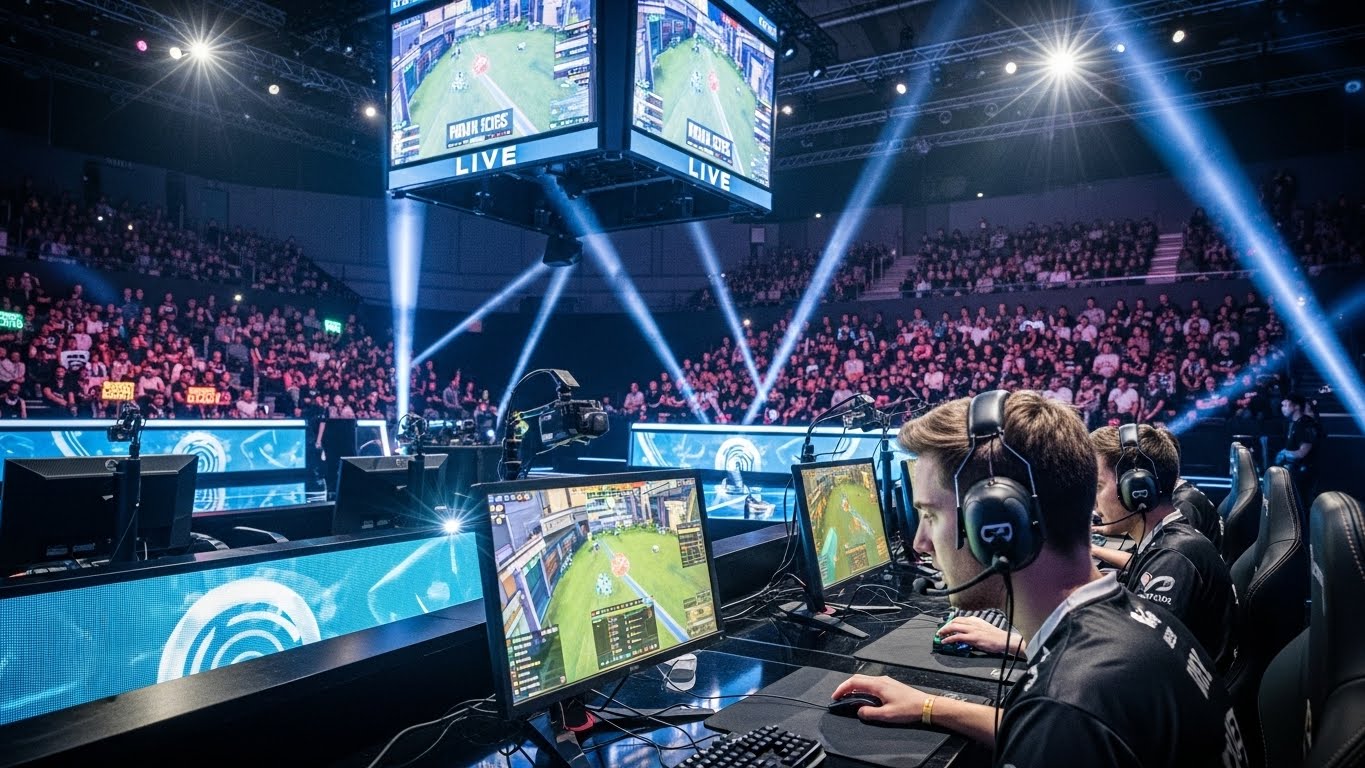
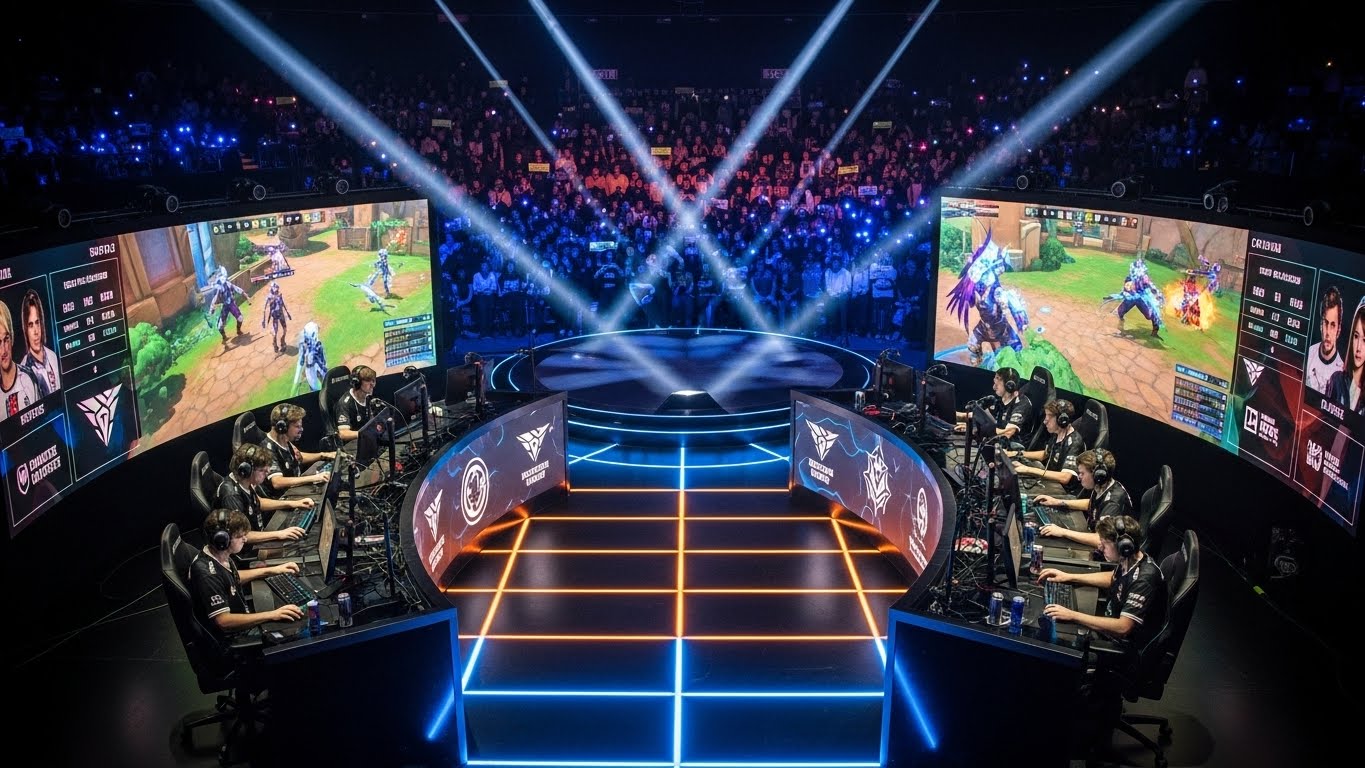
Prestigious tournaments draw millions of viewers and pay out prize pools comparable to major traditional sports events. Esports championships are global spectacles filled with light shows, commentary, fan events, and electrifying gameplay.
Events attract audiences both online and in-person, filling arenas that have hosted concerts and sporting finals. Fans travel long distances to support their favorite teams, mirroring the culture seen in football or basketball.
These tournaments highlight the global scale of esports and demonstrate its power to bring communities together.
The Role of Technology in Esports Growth
Advancements in technology have been central to esports’ meteoric rise.
High-speed internet allows instant global communication, ensuring seamless online competition.
Streaming platforms enable players to broadcast their games to millions, turning them into entertainers and influencers.
Virtual and augmented reality are emerging as new frontiers in competitive gaming, promising immersive experiences.
AI and analytics help coaches analyze gameplay patterns, refine strategies, and prepare for opponents.
Technology continues to push esports forward, opening new possibilities for competition and connection.
The Business Behind Esports
Esports is not just about games; it is a full-fledged industry with many revenue streams.
Sponsorships and Advertisements
Brands across fashion, tech, energy drinks, and automobiles invest heavily in esports partnerships.
Media Rights and Broadcasting
Tournaments are streamed worldwide, with production quality rivaling traditional sporting events.
Merchandise and Ticket Sales
Teams sell branded clothing, accessories, and collectibles, while events generate significant ticket revenue.
Game Developers and Publishers
Companies that create the games often play key roles in organizing leagues and promoting competitions.
Overall, esports has become an ecosystem that supports players, organizations, content creators, and countless job roles.
Esports and Education: A Growing Relationship
More schools and universities are integrating esports programs to connect with modern students.
Scholarships are now offered for talented players.
Academic courses teach game design, broadcasting, and esports business management.
Student teams foster teamwork, leadership, and strategic thinking.
Educational institutions recognize esports as an opportunity to engage students while preparing them for careers in a growing digital economy.
The Global Impact of Esports on Culture
Esports has influenced modern culture in surprising ways.
Fashion trends emulate gaming culture, from streetwear to esports jerseys.
Music artists collaborate with game developers, creating theme songs or performing at digital concerts.
Social conversations form around major tournaments, similar to global sporting events.
Gaming slang and vocabulary have entered everyday language.
Esports has become more than entertainment; it is now a cultural movement.
Challenges Facing the Esports Industry
Despite its growth, esports faces several challenges:
Player burnout from intense training and constant travel.
Regulation issues, as the industry lacks a unified governing body.
Security concerns, including cheating or match-fixing.
Accessibility gaps, especially in regions with limited resources.
Addressing these challenges is crucial to ensuring long-term stability and fairness in the competitive gaming world.
The Future of Esports
The future of esports looks incredibly promising. We can expect:
Larger global tournaments with even greater production value.
More crossovers with entertainment industries such as movies, animation, and music.
Technological advancements that transform how players compete and how fans watch.
Esports in schools and universities becoming as common as traditional sports programs.
Mainstream recognition, potentially including its inclusion in major international sporting events.
Esports is not passing trend; it is shaping the future of digital entertainment and competitive culture.
Conclusion: The New Frontier of Competition
Esports has redefined what competition looks like in the digital age. What began as simple gaming sessions has grown into a global phenomenon that rivals traditional sports in popularity, production, and cultural impact. Fueled by technology, driven by passionate players, and supported by millions of fans, esports represents the future of entertainment.
As we move further into a connected digital world, esports will continue to evolve, inspiring new generations of players, creators, and fans. It proves that competition is not limited to physical arenas but can thrive wherever people share a passion for skill, strategy, and innovation.