 championcircle20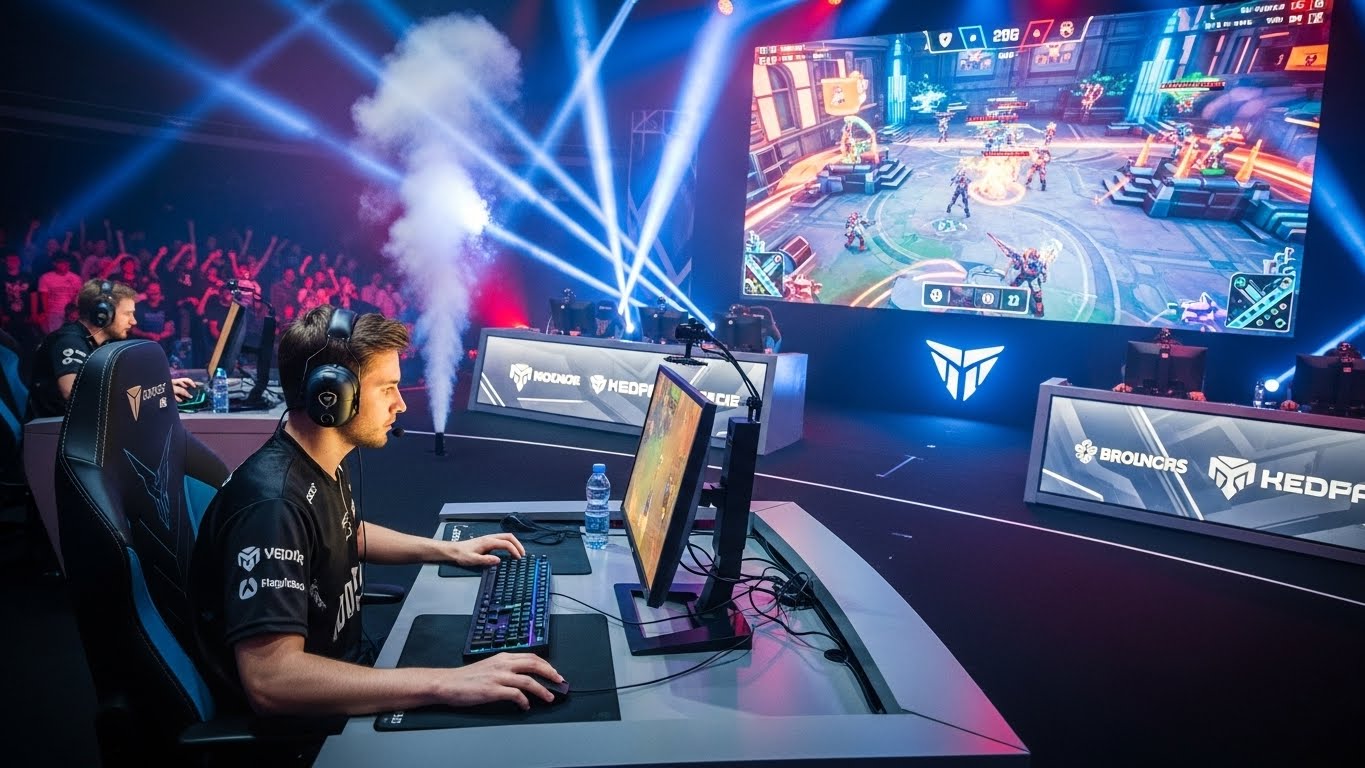
Esports has evolved from a niche pastime into a global phenomenon that rivals traditional sports in viewership, investment, and cultural influence. What was once a hobby for dedicated gamers has become a multibillion-dollar industry complete with professional athletes, global tournaments, massive prize pools, merchandise, and a passionate worldwide community. In this blog post, we explore the rise of esports, the factors fueling its success, and the future of this rapidly expanding competitive landscape.
The Origins of Esports: From Arcades to Arenas
Esports started in humble settings long before stadiums were filled with cheering fans. The earliest competitions date back to the arcade era, where players gathered around machines to achieve the highest score. Games like Space Invaders and Pac Man inspired the first organized tournaments, but these events remained relatively small and localized.
The true turning point began with the rise of personal computers and console gaming. Titles like Street Fighter, StarCraft, and Counter-Strike introduced competitive elements that required skill, strategy, reflexes, and teamwork. These games attracted dedicated communities and early competitive circuits, laying the foundation for what would later become esports. As internet access expanded, online multiplayer games allowed players from different countries to face off, creating global rivalries and fostering the first international competitions.
The Explosion of Modern Esports
Esports experienced its biggest surge in the late 2000s and early 2010s. High-speed internet, streaming platforms, and advancements in game design shifted competitive gaming from a hobby to an industry. Titles like League of Legends, Dota 2, and Call of Duty propelled esports into the mainstream by offering unique gameplay experiences and massive competitive ecosystems.
Live streaming platforms were among the greatest catalysts for growth. They allowed fans to watch professional players in real time, learn strategies, and engage directly with their favorite teams and personalities. This level of accessibility helped esports reach millions of viewers worldwide, making it one of the fastest-growing entertainment sectors.
The Global Community Behind the Screens
Esports thrives because its community is deeply engaged and incredibly diverse. Players and fans come from virtually every country, united by a shared passion for the games they love. Unlike many traditional sports, esports is not limited by geography, weather, or physical barriers. Anyone with a device and an internet connection can participate, spectate, or even compete.
Online forums, chat channels, social media groups, and fan communities have built an interconnected ecosystem where strategies are shared, new talents are discovered, and friendships are formed. This global interactivity is one of the defining features that sets esports apart. While traditional sports rely heavily on in-person events, esports can flourish both offline and online, bridging a massive worldwide audience.
Professional Players and the Path to Glory
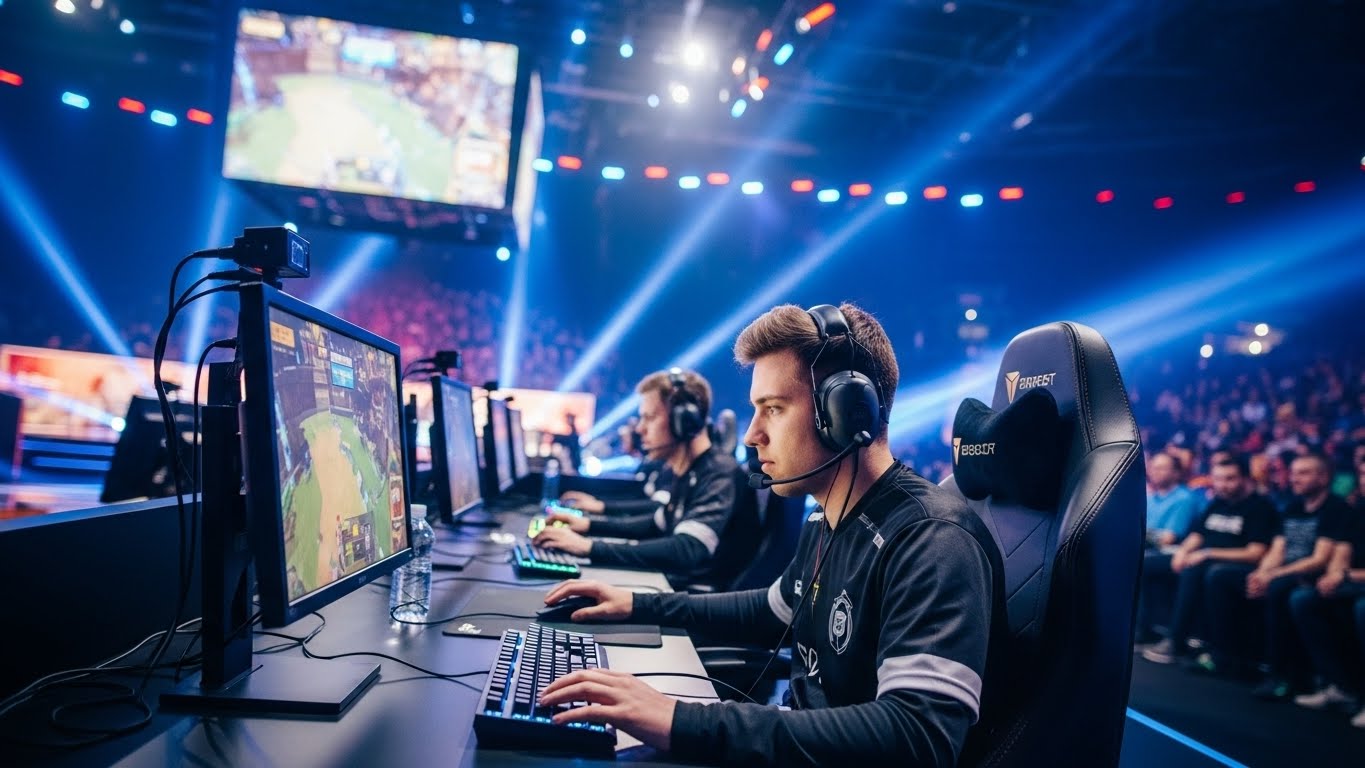
Esports athletes are now recognized globally for their dedication and skill. Becoming a professional esports player requires years of practice, sharp mental focus, rapid reflexes, and deep strategic understanding. Many players train for hours each day, refining their mechanics, studying game updates, and participating in team scrims.
Professional teams operate like traditional sports organizations, complete with coaches, analysts, nutritionists, and training facilities. These support systems help athletes maintain peak performance while managing physical and mental health. The intense nature of competitive gaming requires a delicate balance between practice and personal well-being, and top teams invest heavily in ensuring their players have the resources they need to succeed.
Prize pools and salaries have grown dramatically over the past decade. Some tournaments offer millions of dollars in rewards, and sponsorship deals bring additional financial support to players and teams. This level of investment has solidified esports as a legitimate career path for talented individuals willing to put in the effort required to compete at the highest level.
Tournaments That Rival Traditional Sports
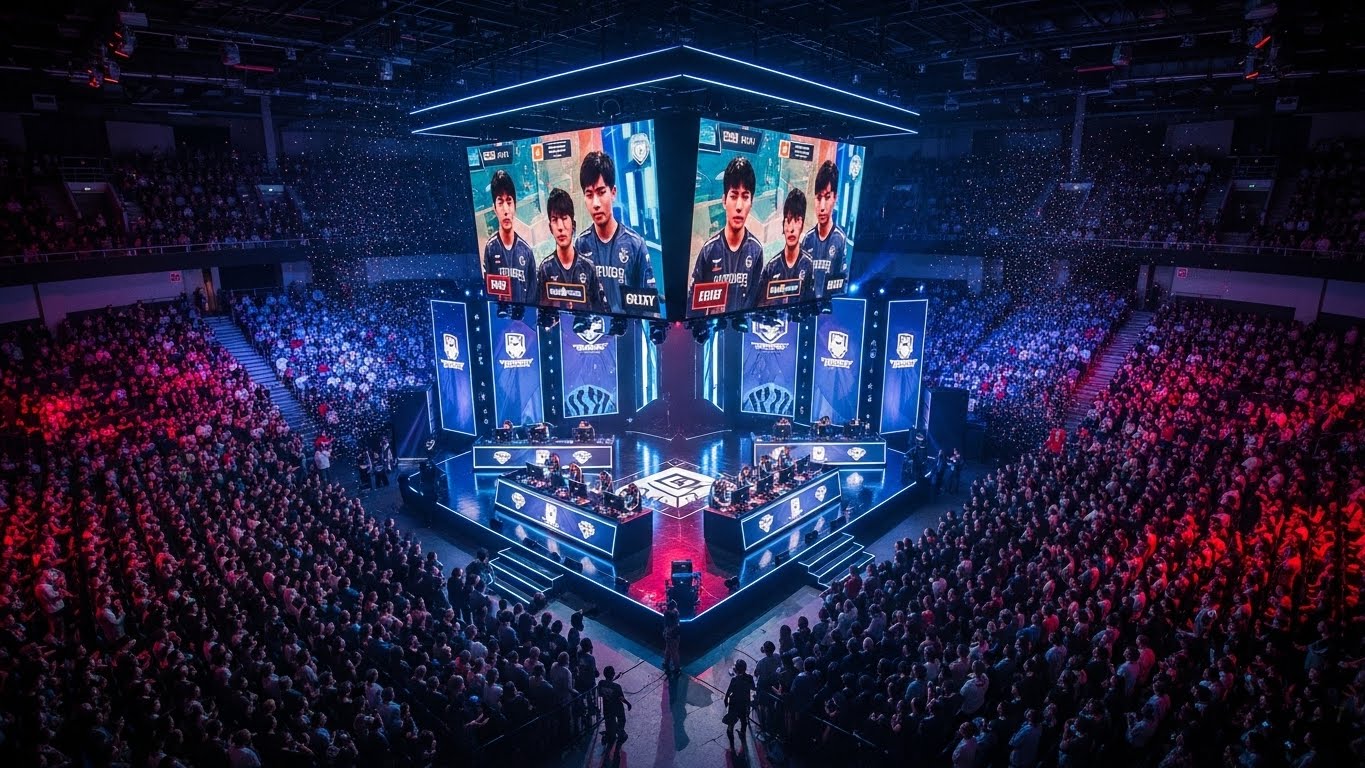
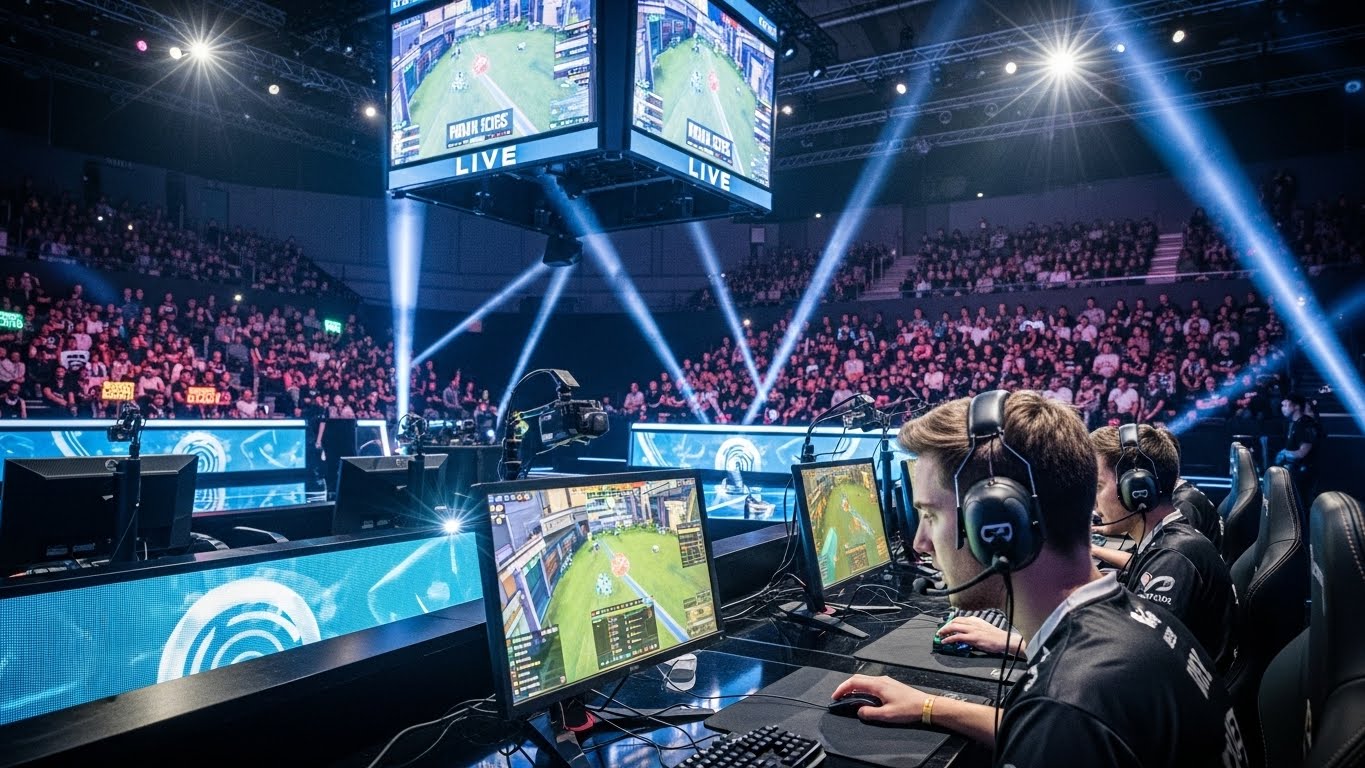
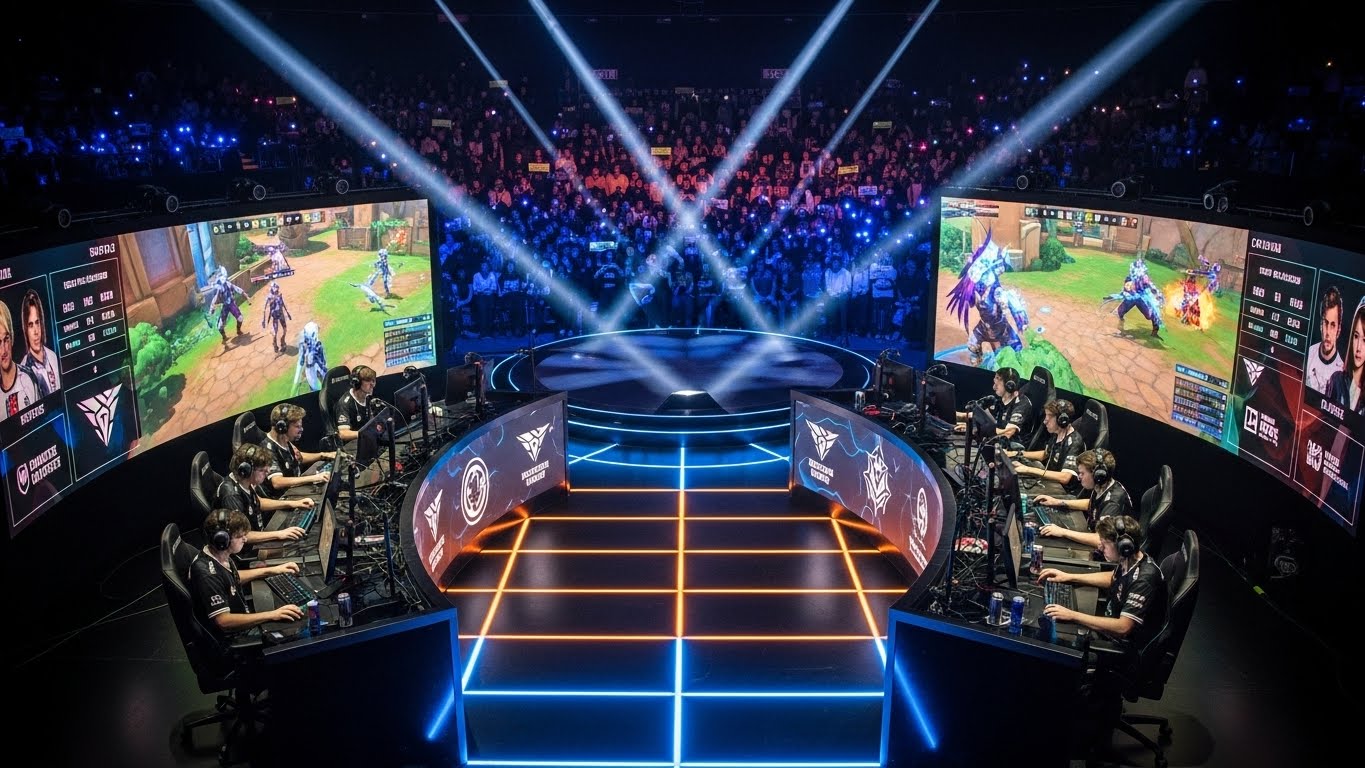
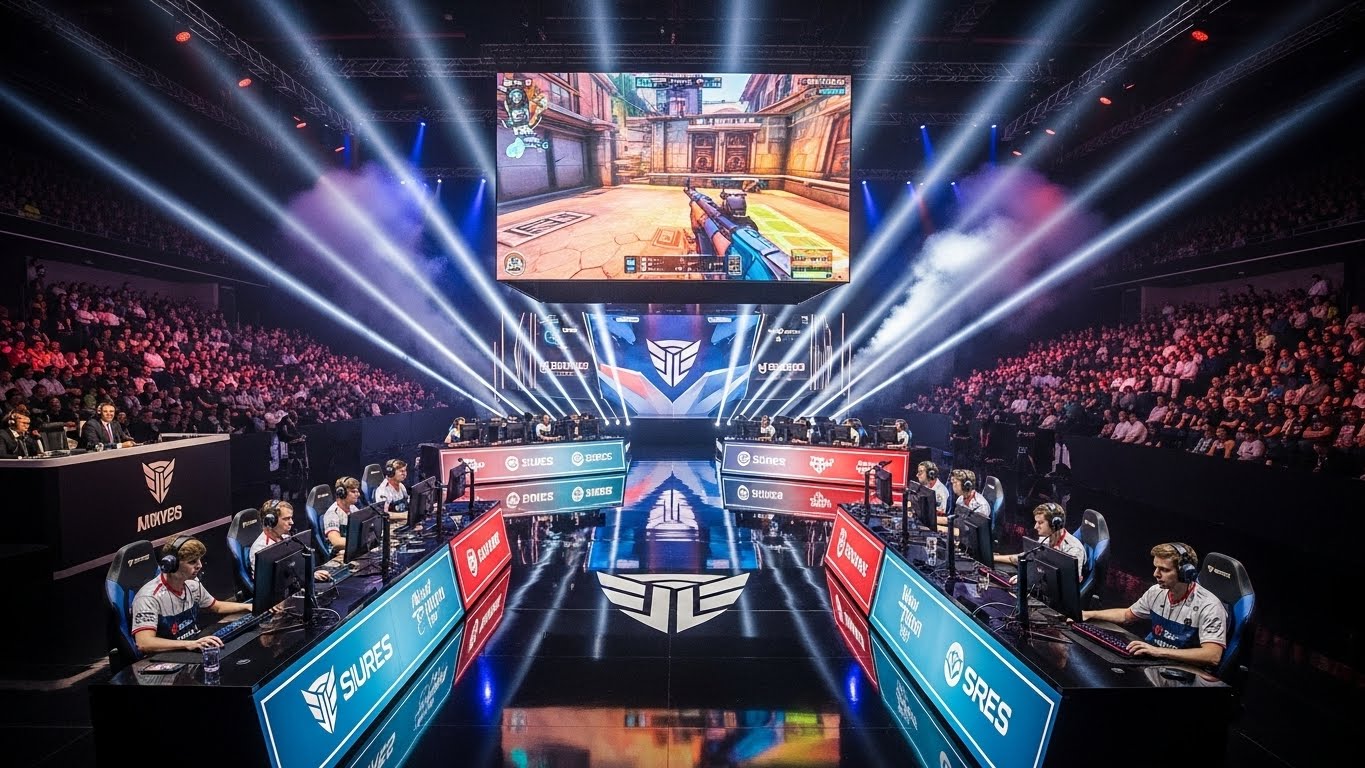
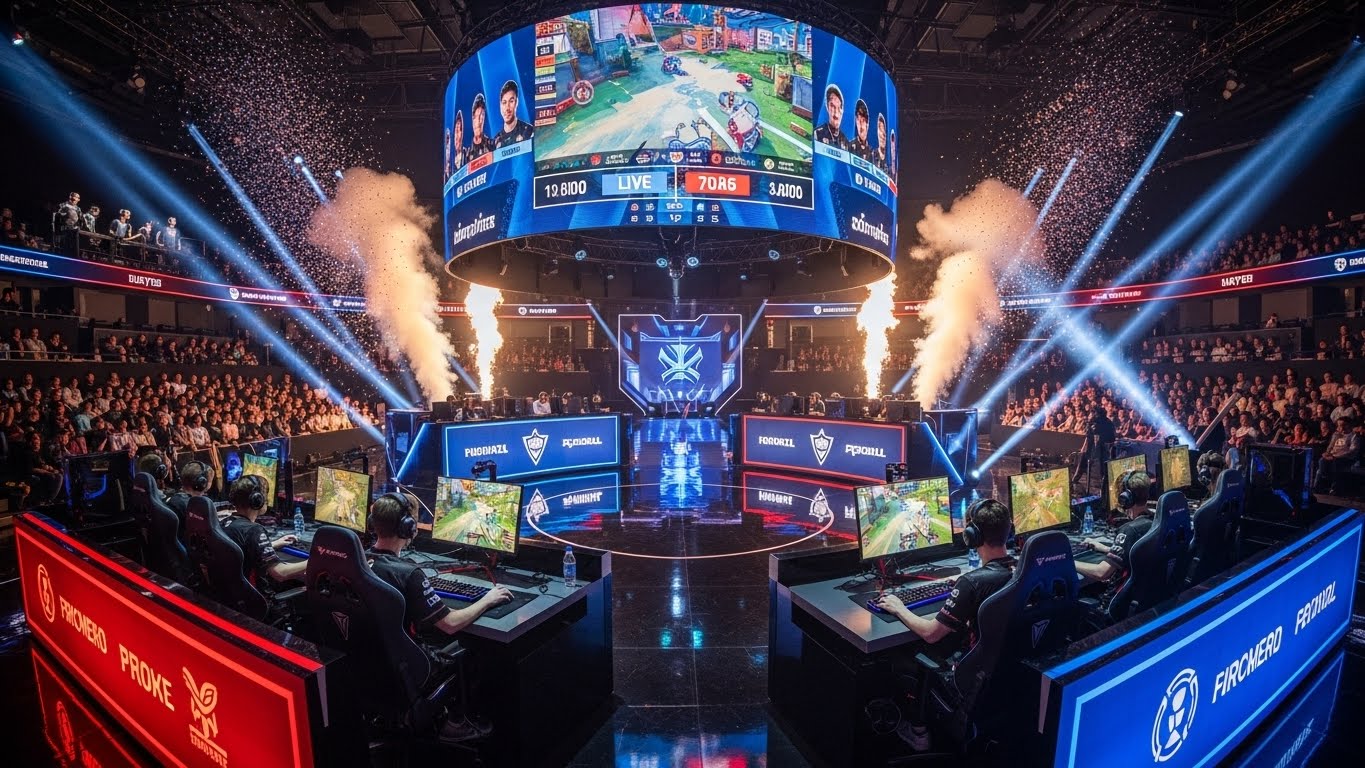
Major esports tournaments draw crowds comparable to major sporting events. Competitions for games like League of Legends, Valorant, and Dota 2 fill giant arenas and stadiums, with fans traveling from around the world to witness the action in person. These events include dramatic stage designs, live commentary, music performances, and elaborate ceremonies that elevate the experience beyond simple gameplay.
International tournaments help forge intense rivalries between regions. Teams from Europe, Asia, North America, and beyond compete for glory, pride, and championship titles. Fans support teams with the same passion seen in traditional sports, complete with chants, banners, and team merchandise. Esports events often trend on social media, showcasing their broad cultural influence.
The Business Behind Esports
Esports is more than entertainment. It is a thriving industry driven by sponsorships, advertising, merchandise, game sales, franchising, and media rights. Companies across the world have recognized the power of esports to connect with younger audiences who prefer digital and interactive forms of entertainment.
Brands from technology, energy drinks, fashion, and even automotive industries invest heavily in esports partnerships. Teams and tournament organizers collaborate with these brands to create memorable experiences for fans while generating significant revenue. The business ecosystem includes event organizers, broadcasters, publishers, and marketing agencies, all working together to support the rapid expansion of competitive gaming.
Game developers play a particularly important role. They design and maintain competitive titles, update game balance, and create new content that keeps the community engaged. Many developers also host official leagues and tournaments, ensuring that players have a structured path to competition.
The Cultural Influence of Esports
Esports has dramatically reshaped gaming culture, but its impact reaches far beyond the gaming community. Competitive gaming has influenced music, fashion, education, and entertainment. Popular esports athletes become influencers with massive followings, partnering with brands and appearing in advertising campaigns.
Universities and schools have recognized the importance of esports as well. Many educational institutions now offer esports programs, scholarships, and training facilities. These programs combine competition with academic studies in fields such as game development, marketing, and sports management. Students can pursue careers as players, coaches, event organizers, or analysts.
Esports also promotes teamwork, critical thinking, problem-solving, and communication. These skills are essential in modern careers, making esports more than just a recreational activity. It is increasingly viewed as a tool for personal and professional development.
Technology and Innovation Driving the Future
The future of esports is tied closely to technological innovation. Advancements in virtual reality, augmented reality, and artificial intelligence will redefine how competitions are played and watched. Faster internet speeds and improved gaming hardware will make high-level competition more accessible to players around the world.
Spectators will also enjoy enhanced experiences through interactive features, real-time statistics, and immersive viewing modes. The boundary between the digital and physical worlds continues to blur, and esports is at the forefront of this transition.
In addition, mobile esports is rapidly expanding, especially in regions where smartphones are more accessible than gaming consoles or PCs. Mobile titles have created new competitive scenes and introduced millions of new players to esports. This shift ensures that the industry will continue growing across diverse demographics.
Challenges Facing the Esports Industry
Despite its growth, esports faces challenges that must be addressed for the industry to remain sustainable. Player burnout is a major concern due to demanding schedules and intense training. Establishing better support systems, mental health programs, and balanced training routines will be essential for athlete longevity.
Regulation and governance are also needed. Esports involves many organizations, game publishers, and third-party tournament organizers. Creating unified standards for competition fairness, player contracts, and safety will help protect athletes and ensure consistent professionalism across the industry.
Inclusivity and diversity remain ongoing goals. While esports is global and accessible, more progress is needed to ensure equal opportunities for players of all backgrounds, genders, and regions. Continued efforts to create welcoming and supportive environments will benefit the entire esports community.
The Future of Competitive Gaming
Looking ahead, esports shows no signs of slowing down. As technology evolves and global interest continues to rise, competitive gaming will reach even greater heights. New genres, new games, and new audiences will emerge, expanding the boundaries of what esports can become.
Esports may eventually be recognized alongside traditional sports in global competitions, with discussions already underway about inclusion in international events. The integration of esports into mainstream culture will only grow stronger as new generations adopt gaming as a key form of entertainment.
Final Thoughts
The rise of esports is one of the most remarkable developments in modern entertainment. What began as small gaming gatherings has grown into a global digital arena that captivates millions. Esports brings people together, inspires innovation, and creates opportunities for players, fans, and businesses around the world. Its impact is undeniable, and its future holds endless potential.
As the industry continues to evolve, one thing is certain. Esports is not just the future of gaming. It is the future of global entertainment.