 championcircle20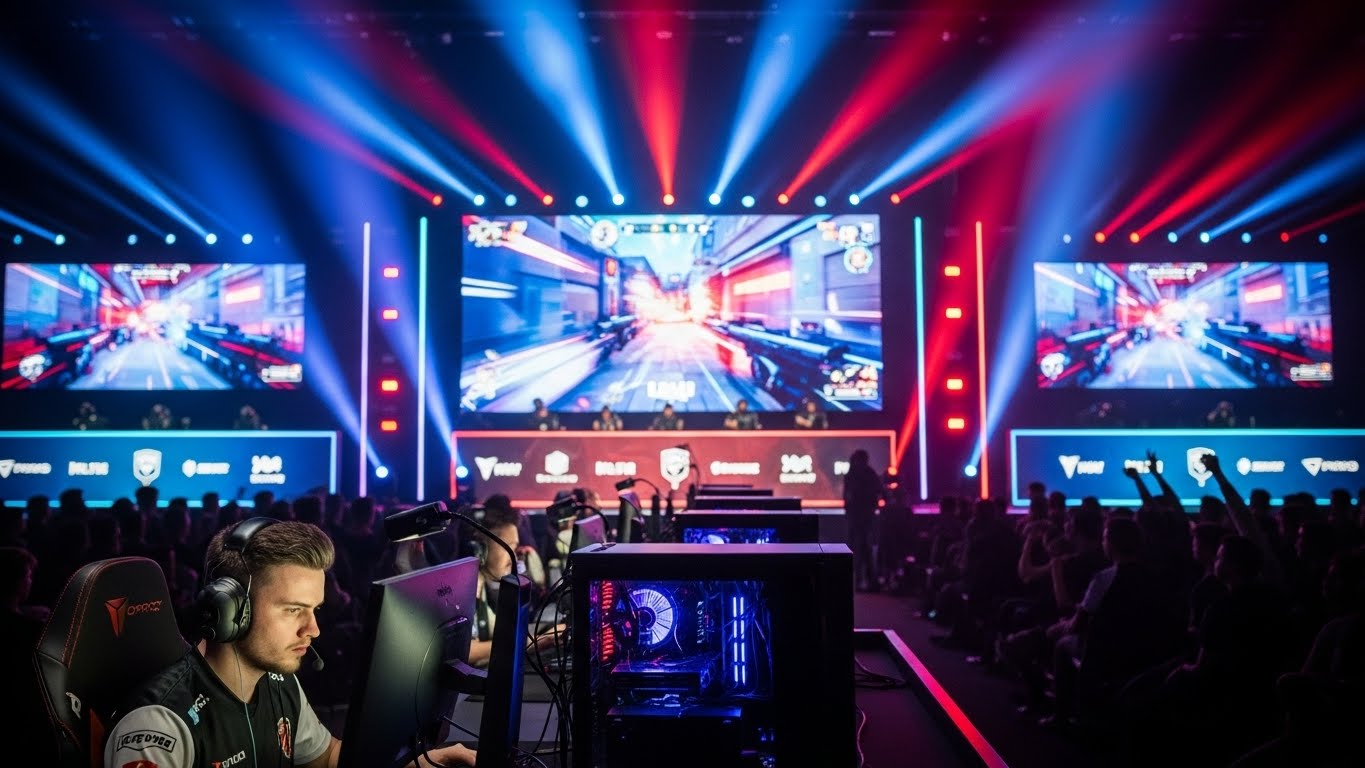
Introduction: A New Era of Competitive Entertainment
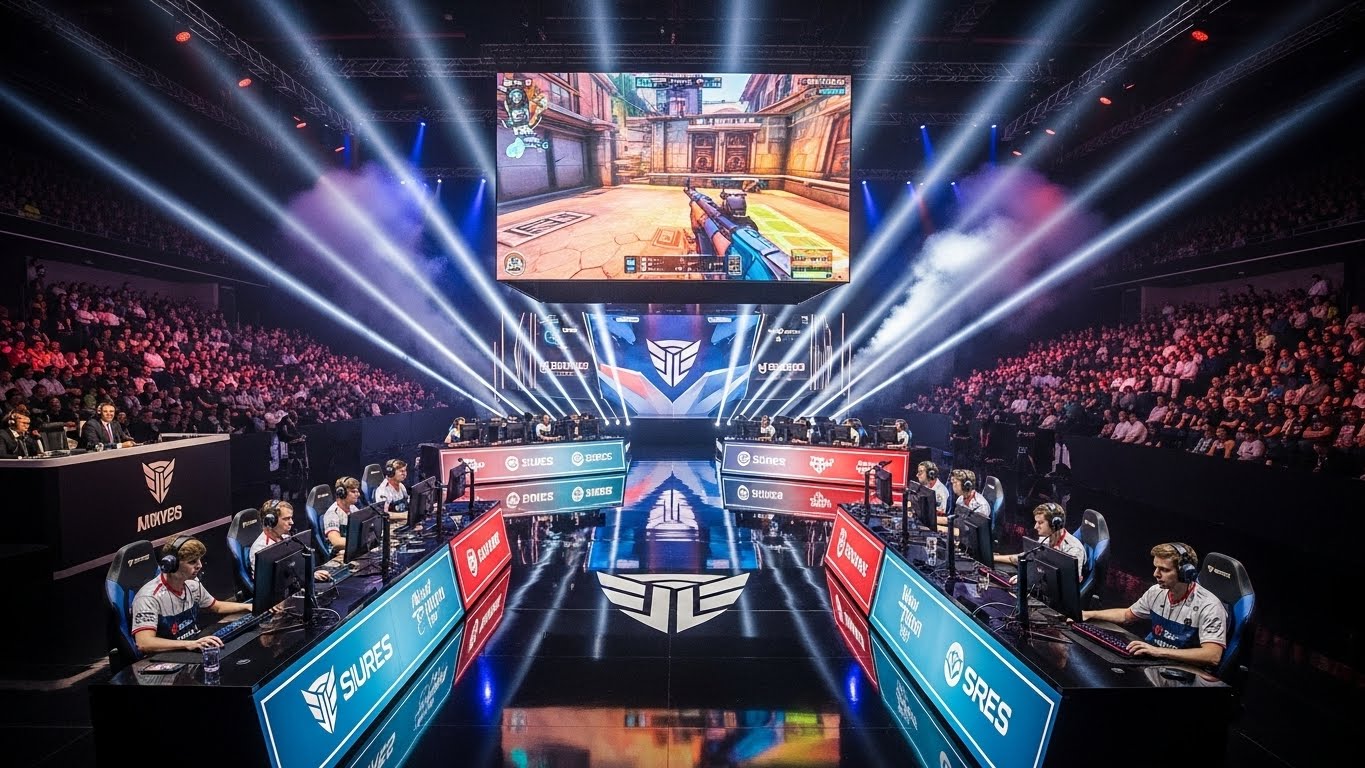
Esports has rapidly evolved from small local gaming competitions to a global entertainment powerhouse. What was once viewed as a casual pastime has transformed into a professional domain filled with high-stakes tournaments, dedicated athletes, passionate fans, and multi-million-dollar industries. This rise is not just a trend; it is a reflection of how digital culture, technology, and human creativity are reshaping modern competition. Esports has carved out its own place in the world of sports, redefining what it means to be an athlete and how audiences engage with competitive entertainment.
The Unexpected Beginning of Esports
The roots of esports stretch back to early arcade tournaments and friendly neighborhood challenges. However, the true momentum began with the expansion of home computers and consoles, allowing players to compete from their living rooms. As internet connectivity improved, online multiplayer games opened the door for global competition. Titles like strategy-based games, shooters, and fantasy battle arenas created entire communities centered around skill, teamwork, and mastery. These early beginnings laid the groundwork for the sophisticated and professional esports ecosystems we see today.
The Transformation into a Professional Industry
Esports matured quickly as companies realized its potential. Professional teams were formed, complete with training facilities, coaches, analysts, and support staff. Major tournaments attracted huge audiences both online and in-person, rivaling traditional sporting events in viewership and excitement. Players began earning salaries, sponsorships, and endorsements. What once seemed unconventional soon appeared on mainstream television and became part of academic programs, business models, and international competitions. Esports was no longer a hobby; it was a profession backed by organization, infrastructure, and global recognition.
The Skills Behind Elite Esports Performance
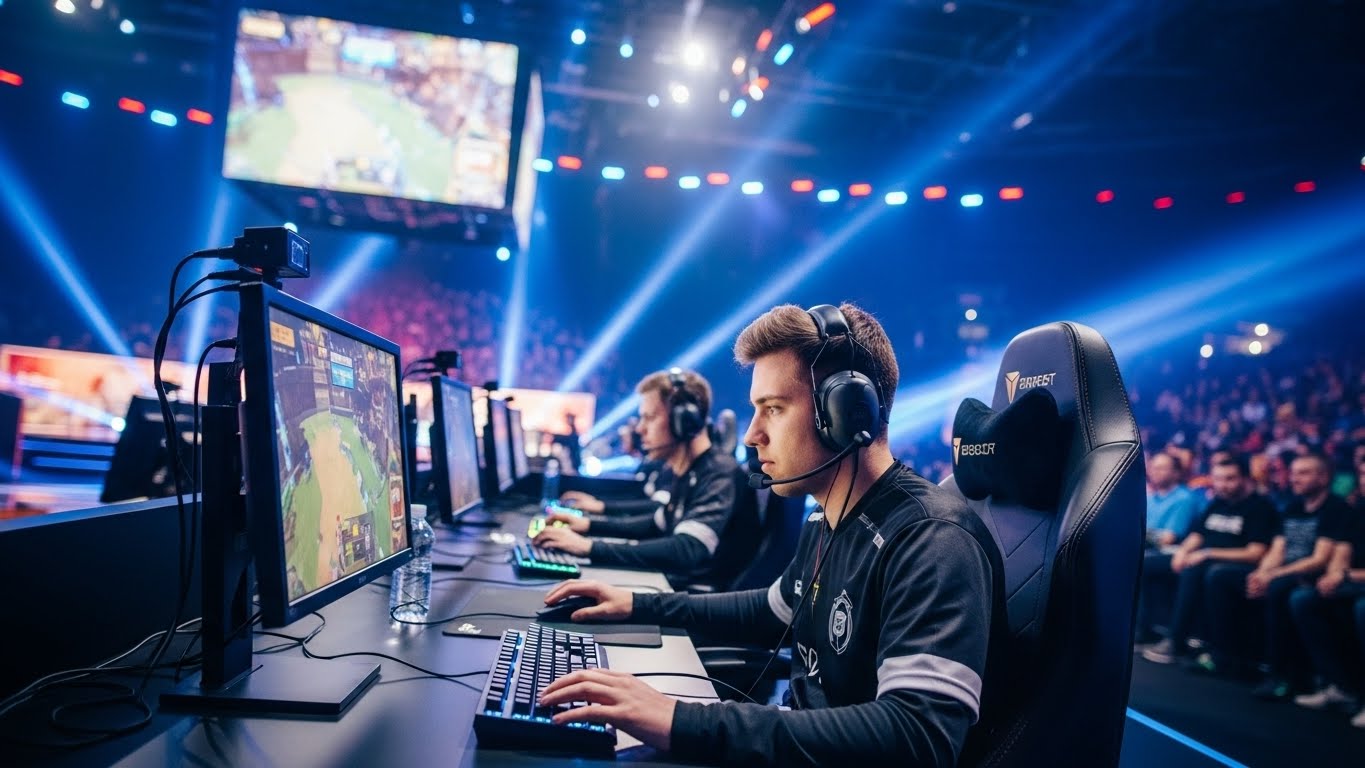
While traditional sports rely on physical strength, endurance, and coordination, esports demands its own unique skill set. Professional players must maintain remarkable hand-eye coordination, reaction speeds, strategic thinking, and mental fortitude. Many esports athletes train for long hours each day, studying opponents, practicing strategies, and improving teamwork. Their dedication rivals that of athletes in conventional sports. The ability to manage pressure, make split-second decisions, and adapt to rapidly changing situations is essential at the highest levels of competitive gaming.
Esports and Mental Development
Esports enhances several cognitive abilities, making it not only entertaining but beneficial for mental development. Players sharpen their critical thinking, multitasking abilities, and problem-solving skills. Competitive games often require advanced strategy planning, quick information processing, and teamwork under stress. These mental benefits extend beyond gaming, helping individuals improve concentration, memory, and decision-making in daily life. Esports shows that competition does not need to rely solely on physical ability to challenge and develop human potential.
The Social Connection of Digital Competition
One of esports’ greatest strengths is its ability to create social connections across the globe. Players and fans come together, forming communities based on shared interests, goals, and experiences. Online platforms allow individuals to meet teammates from different countries, discuss strategies, and build friendships. Local clubs, gaming cafés, and university esports programs also bring people together in person. These social bonds foster a sense of belonging and create a diverse, inclusive environment where individuals from all backgrounds can participate and feel welcomed.
Growing Career Paths in the Esports Ecosystem
Esports offers far more than just the opportunity to compete professionally. As the industry expands, new career paths continue to emerge. Coaches, analysts, team managers, broadcasters, event organizers, content creators, and game developers all contribute to the ecosystem. Universities now offer scholarships and academic programs focused on esports management, game design, and digital media. This diversification of opportunities proves that esports is not limited to players alone; it is an entire industry supporting a wide range of talents and expertise.
The Economic Impact and Global Growth of Esports
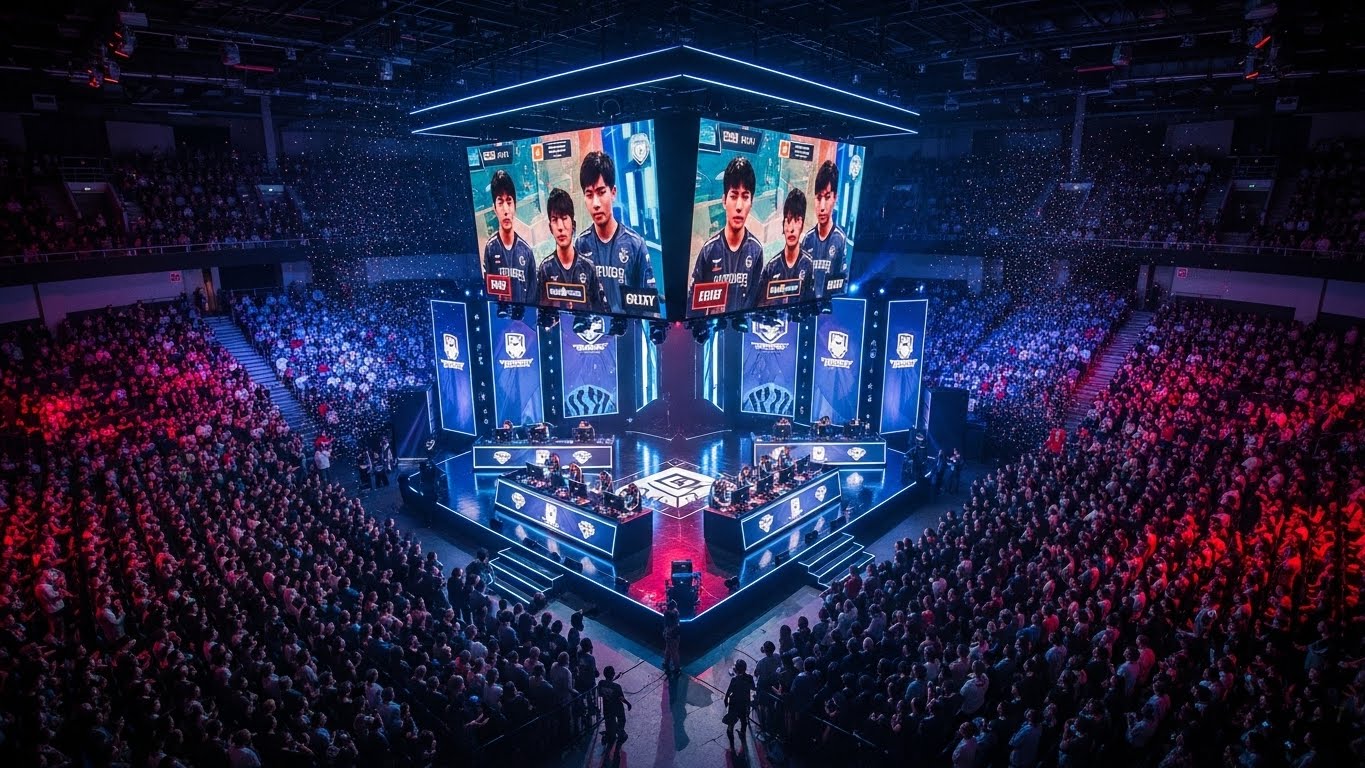
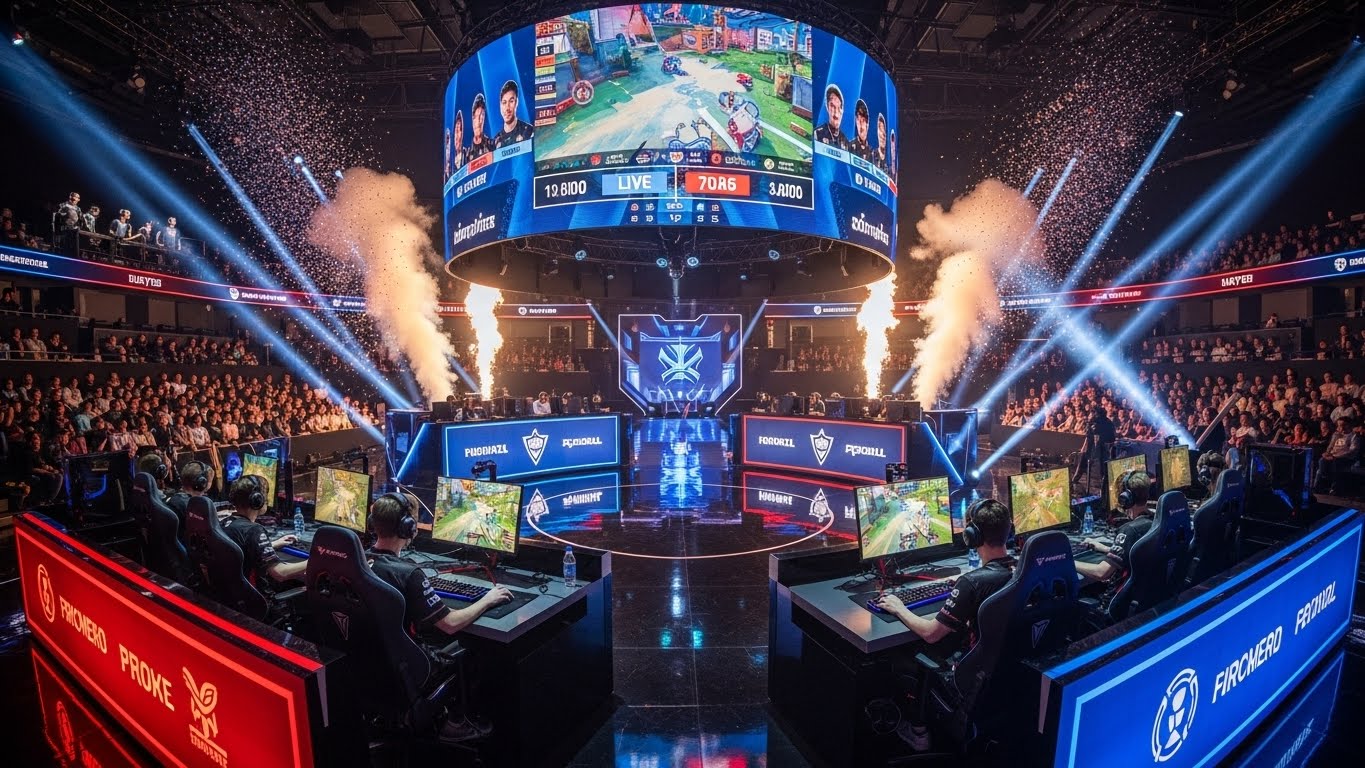
The economic footprint of esports is undeniable. Revenue comes from sponsorships, merchandise, broadcasting rights, premium events, advertising, and professional contracts. Major tournaments attract massive global audiences, often filling stadiums and drawing millions of viewers online. Brands from various industries invest heavily in esports, recognizing its influence on younger generations. This economic growth also stimulates technological innovation, event production, and job creation. Esports has become a powerful contributor to modern digital economies around the world.
Technology as the Backbone of Esports
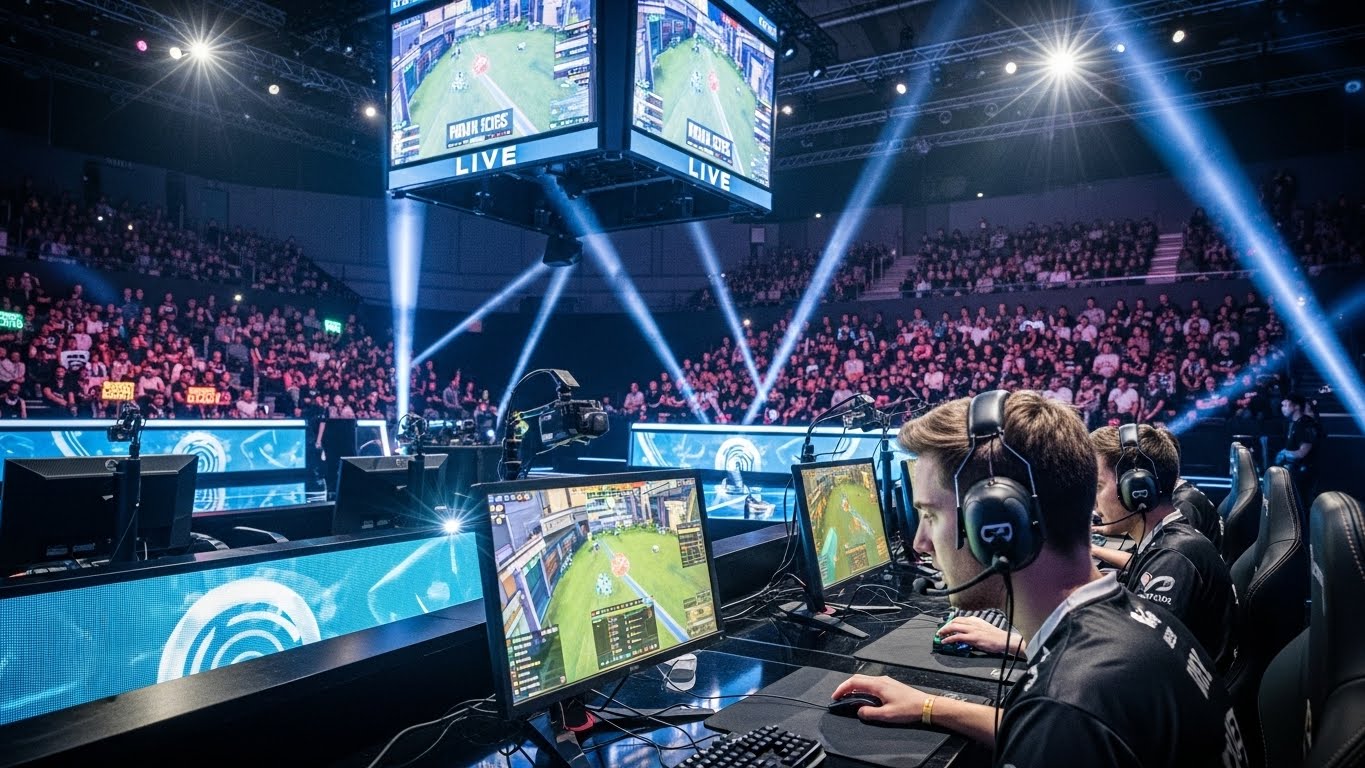
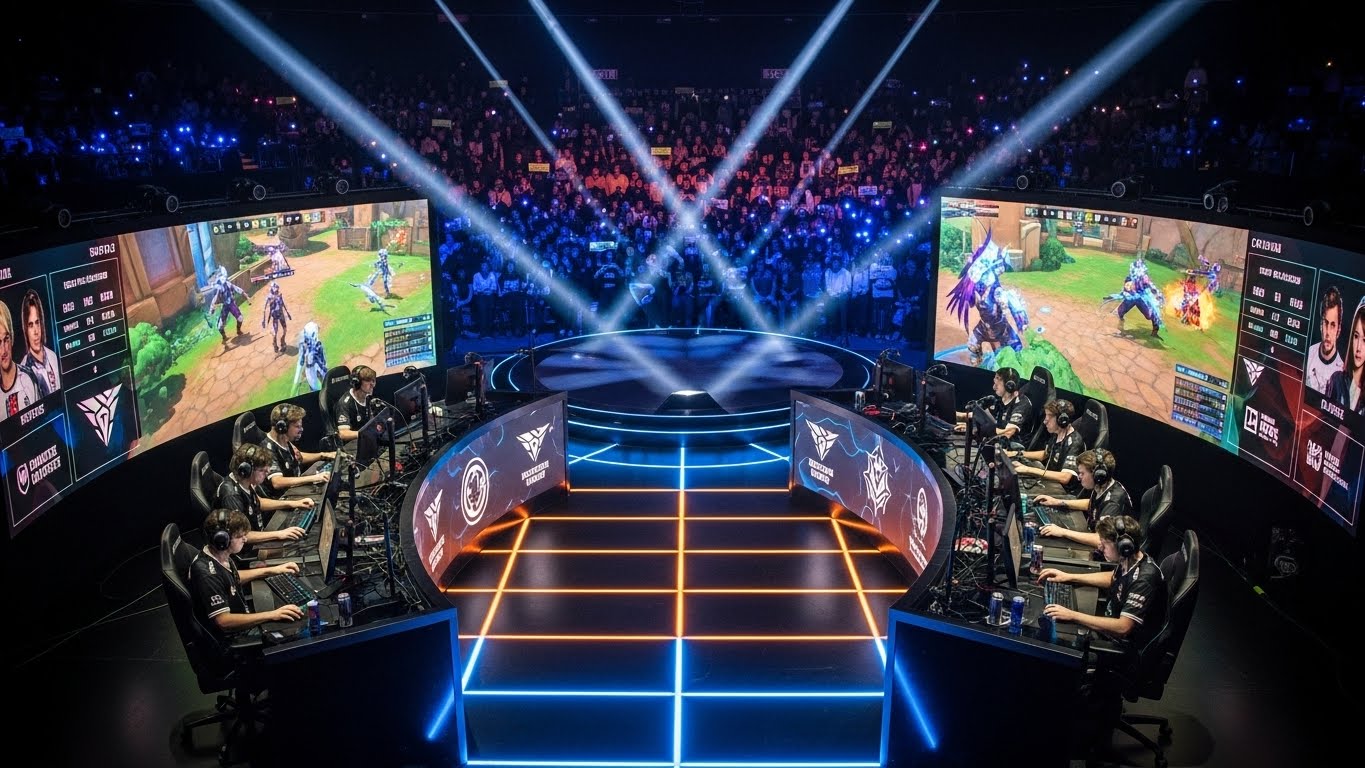
Without technology, esports would not exist. Advanced gaming hardware, high-speed internet, live streaming platforms, and performance analytics form the foundation of modern competitive gaming. Players rely on precise tools that enhance responsiveness and minimize delays. Tournaments use high-tech production systems, virtual stages, and immersive audio-visual effects to elevate the audience experience. As technologies evolve, so does esports. Innovations such as virtual reality, artificial intelligence, and cloud gaming are already shaping the future, promising more interactive and accessible forms of competition.
The Challenges Faced by the Esports Community
Despite its success, esports is not without challenges. The pressure to perform can lead to burnout, making mental health support essential. Ensuring fair competition requires constant updates to game regulations, security systems, and anti-cheating measures. The industry also faces issues regarding player rights, representation, and fair contracts. Additionally, promoting diversity remains a priority, as certain groups remain underrepresented in gaming spaces. Addressing these challenges is crucial to maintaining a healthy, ethical, and inclusive esports environment for future generations.
Esports on a Global Stage
Esports is no longer a regional trend; it is a worldwide cultural movement. Countries across Asia, Europe, the Americas, and beyond have embraced esports as part of their national entertainment landscape. International tournaments unite players from different cultures, producing unforgettable moments that resonate with millions. Governments and institutions in many nations now support esports through funding, regulations, and educational initiatives. This global recognition reinforces esports’ status as a legitimate and influential form of competition.
The Future of Esports in a Digital World
The future of esports is full of possibility. As gaming technology advances, new genres and platforms will continue to emerge. Competitive virtual reality, augmented reality, and simulation-based games will provide new challenges and immersive experiences. Traditional sports organizations are increasingly partnering with esports leagues, bridging the gap between physical and digital competition. Educational programs centered around digital literacy, teamwork, and gaming will further integrate esports into daily life. The industry’s rapid evolution suggests that esports will continue to grow, innovate, and inspire for years to come.
Conclusion: The Ever-Expanding Legacy of Esports
Esports represents the merger of technology, talent, creativity, and community. It has reshaped entertainment, created new professional pathways, and united millions across the globe. What began as casual gaming has evolved into a serious, respected, and influential industry. The journey of esports is far from over; in fact, it is only beginning. Its ability to challenge minds, bring people together, and adapt to the digital age ensures that it will remain a dominant force in the future of competitive culture. Esports stands as a modern symbol of innovation, proving that the digital arena can be just as thrilling, inspiring, and impactful as any traditional sport.