 championcircle20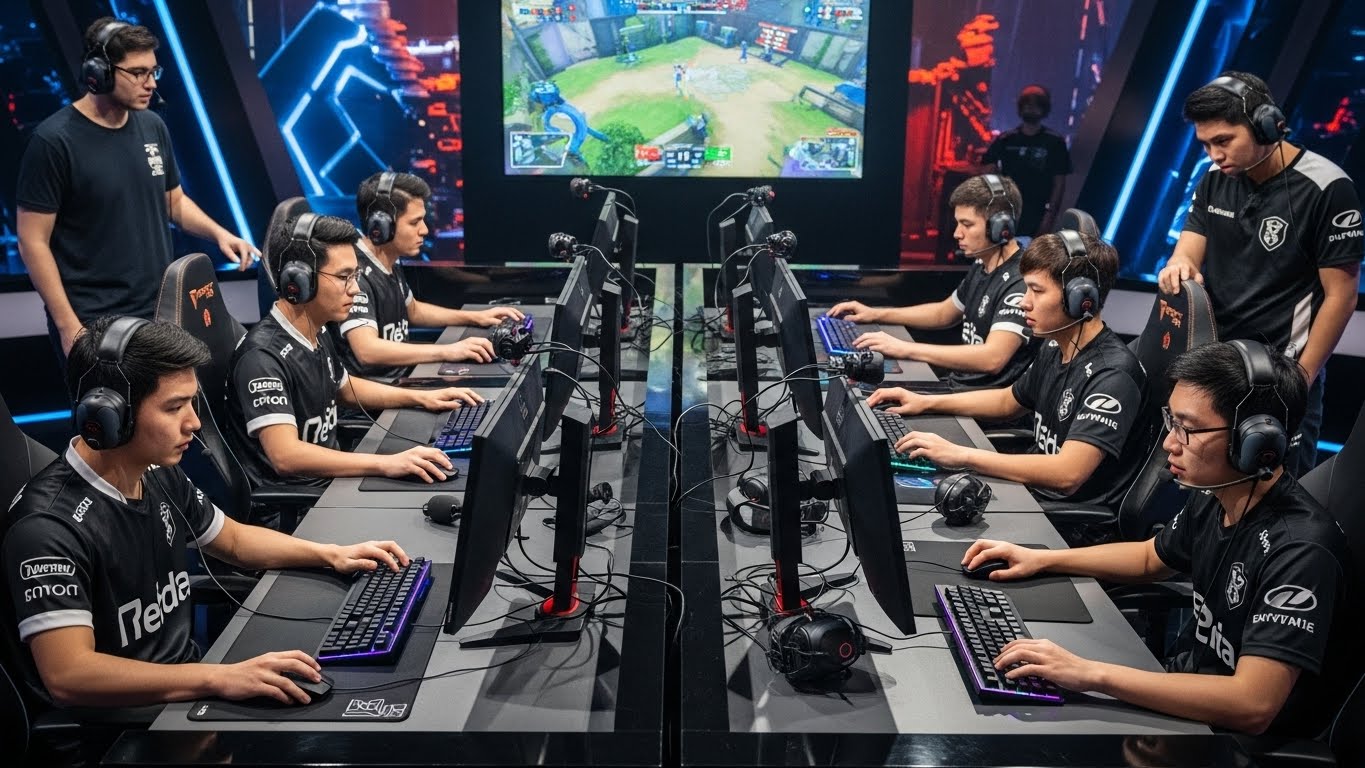
Introduction
Esports has transformed from a niche hobby into a worldwide competitive industry. What began as small gatherings of gaming enthusiasts has evolved into a structured, organized, and highly profitable arena attracting millions of players and spectators. Today, esports tournaments fill stadiums, professional teams train with the rigor of traditional athletes, and the industry continues to expand with remarkable speed. This blog examines the evolution, culture, technology, and future of esports, highlighting how it became one of the most compelling entertainment revolutions of the modern era.
The Birth of a New Competitive Culture
Esports did not emerge overnight. The origins of competitive gaming can be traced back to arcade competitions and early console challenges. Players gathered to compete for high scores, bragging rights, or small prizes. As personal computers became more accessible, competitive gaming moved online, allowing players from around the world to connect and compete. This shift unlocked a new era of digital competition where distance no longer mattered and skill became the universal language. What started as a simple pastime grew into a structured scene with ranked ladders, organized tournaments, and eventually professional circuits.
The Rise of Professional Leagues and Major Tournaments
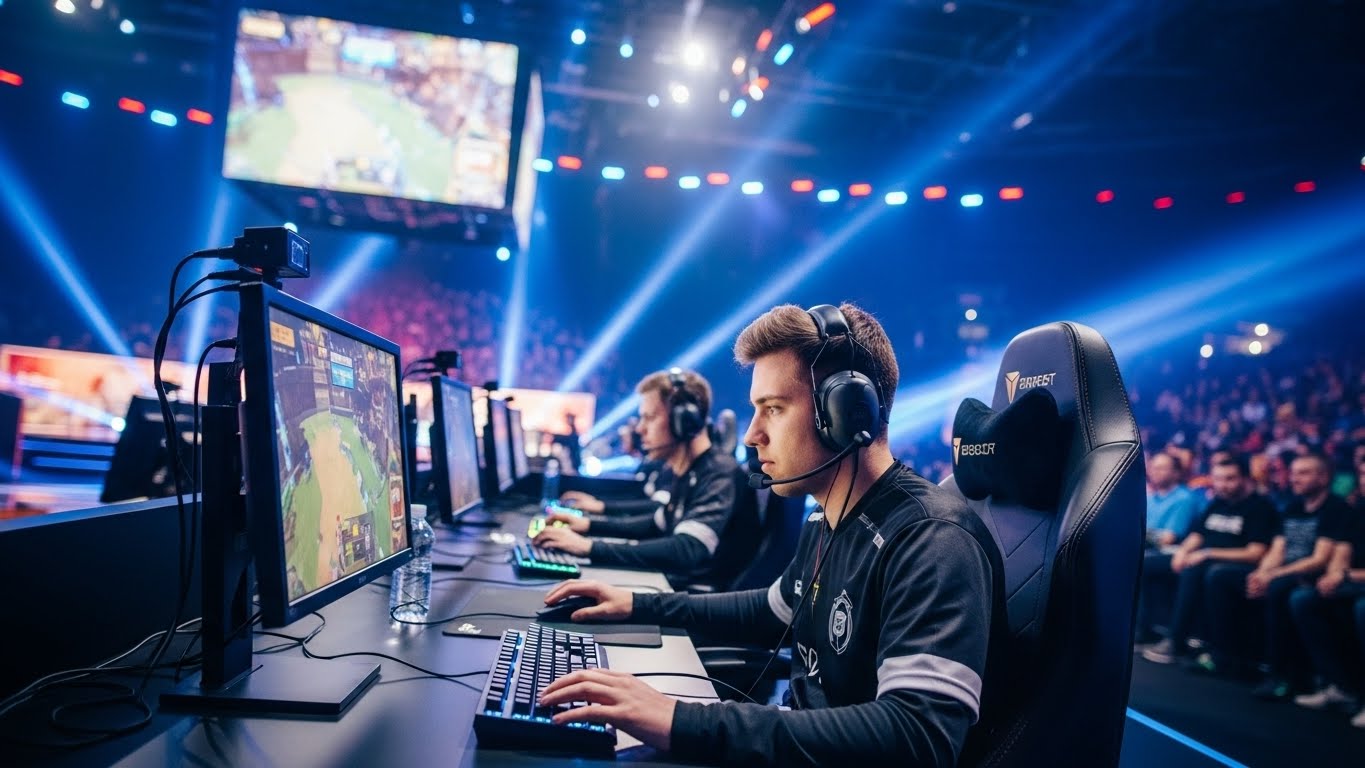
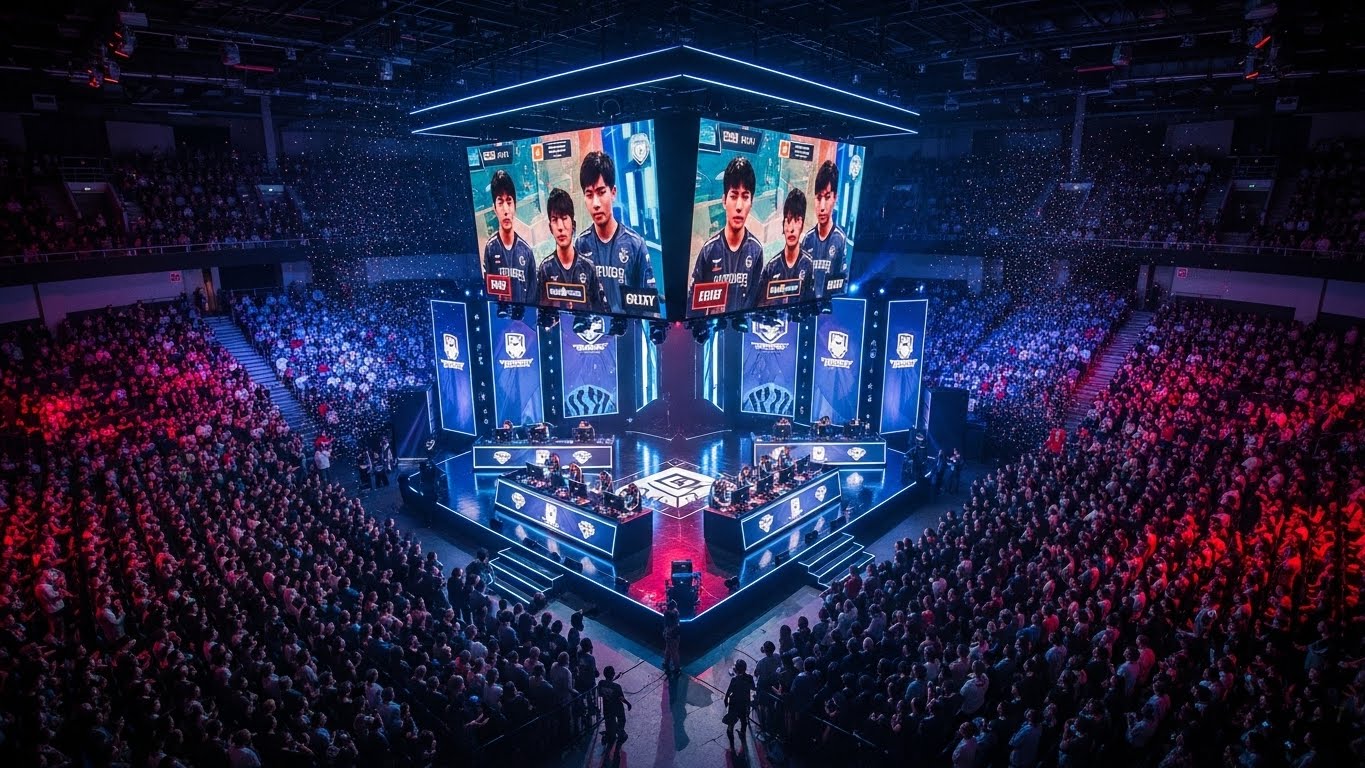
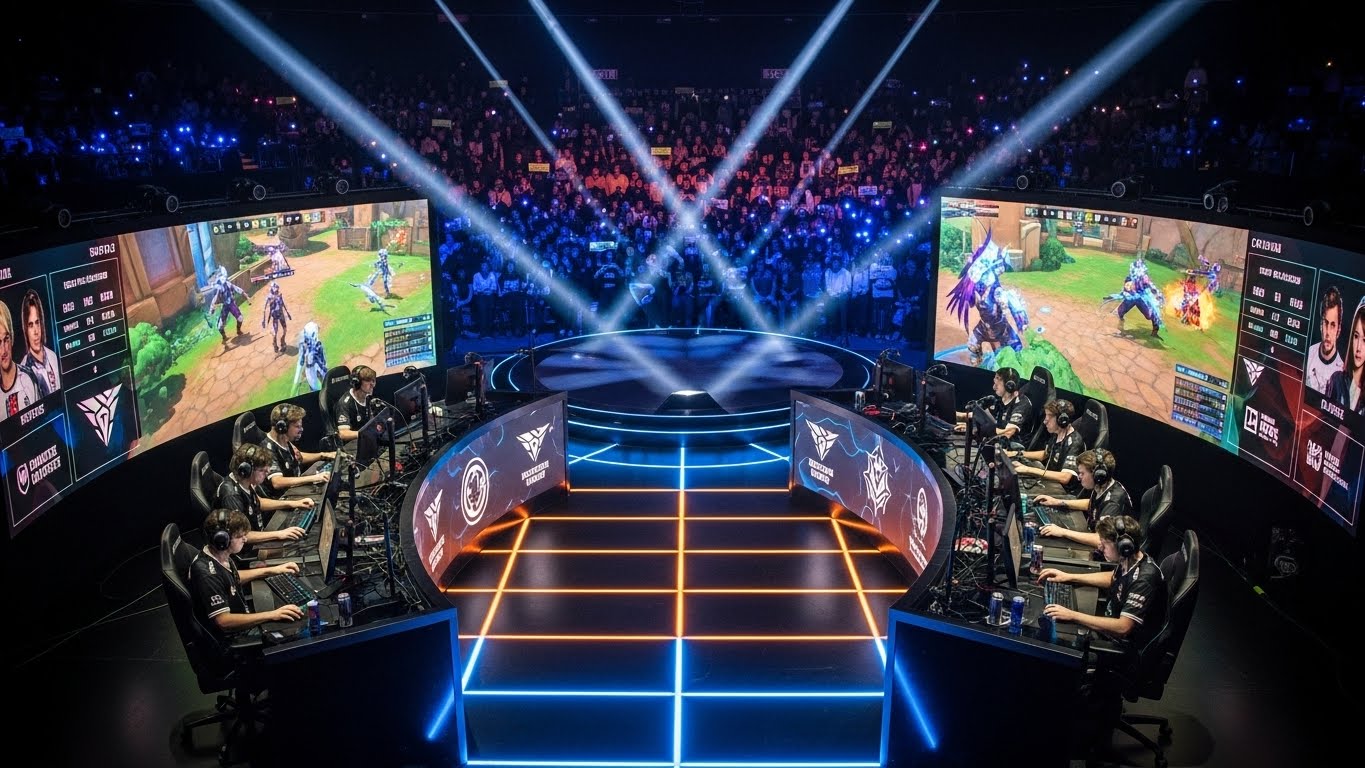
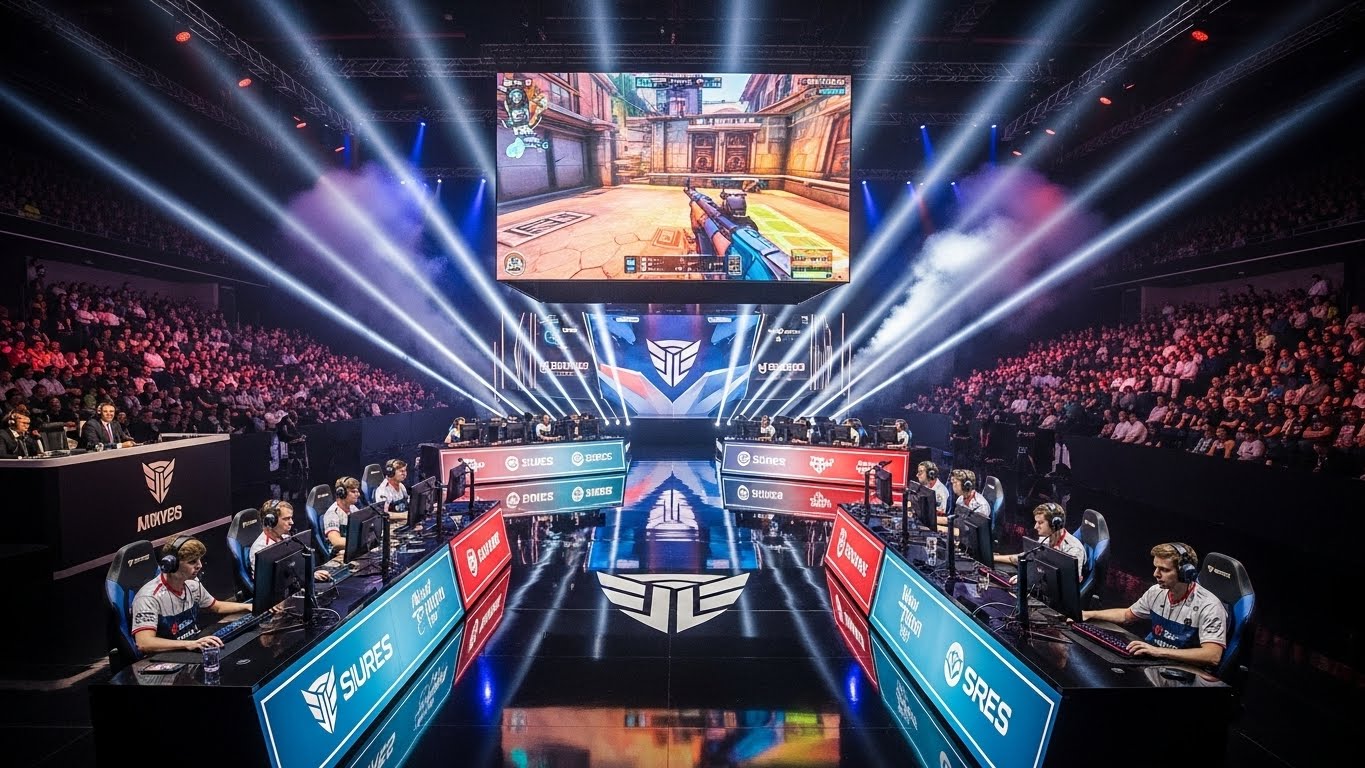
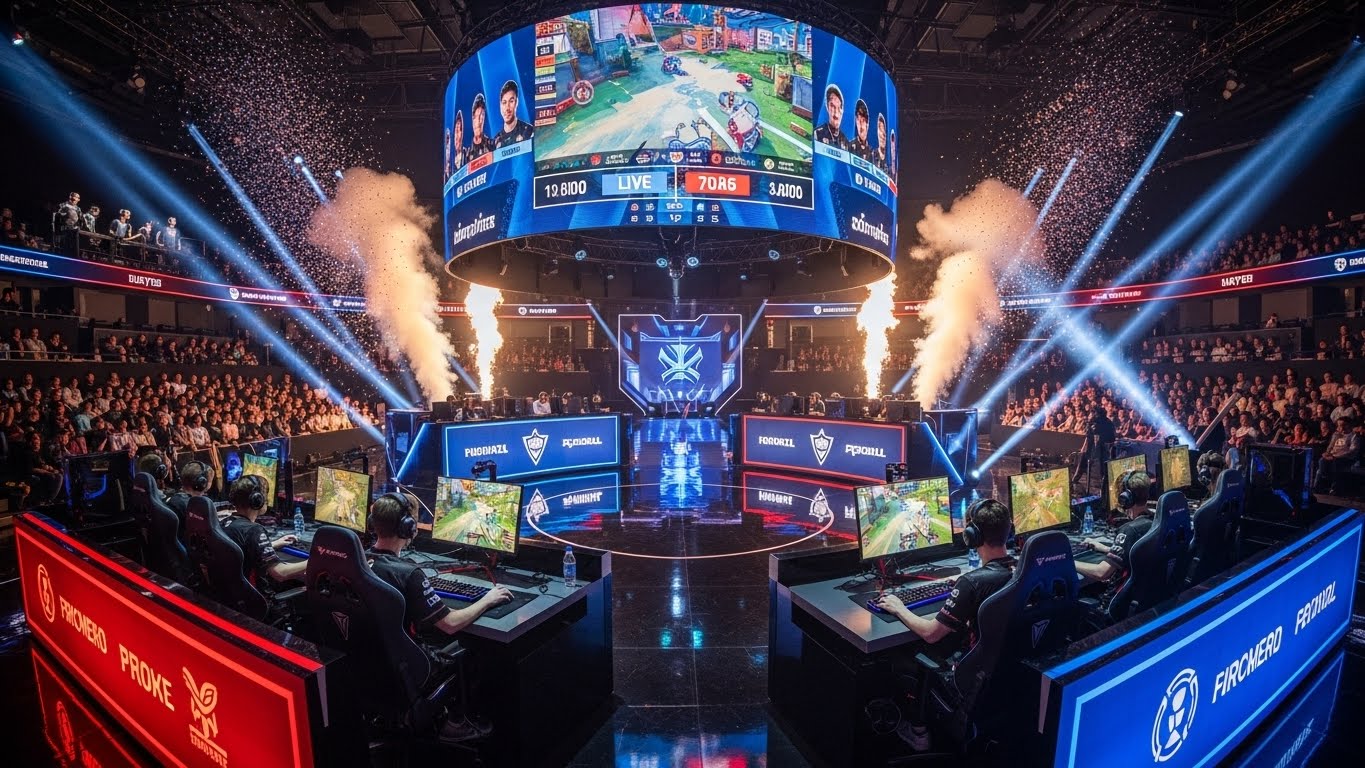
As competitive gaming gained momentum, professional leagues began forming around popular titles. These leagues introduced standardized rules, seasonal schedules, and dedicated teams supported by sponsors, analysts, and coaches. Major tournaments emerged, drawing massive attention from players and spectators alike. These events featured elaborate stages, live commentary, and high-stakes prizes. In time, they grew large enough to fill arenas traditionally reserved for concerts and sports events. This rise in large-scale competitions marked a turning point, proving that digital competitions could captivate audiences just as strongly as physical sports.
The Evolution of Esports Titles
Esports encompasses a wide range of game genres, each offering unique competitive elements. Multiplayer battle arenas focus on strategy, teamwork, and precision. First-person shooters emphasize reaction speed, accuracy, and tactical communication. Fighting games test timing and execution through fast-paced one-on-one battles. Sports simulations blend real-world knowledge with in-game skill. Real-time strategy games demand quick decision-making and long-term planning. Each genre shapes its own community and competitive structure, contributing to the diverse landscape of esports. This variety allows players to pursue the games that align with their strengths and playstyles.
Training and Dedication Behind the Scenes
The life of an esports professional is far more demanding than many imagine. Top players train for hours each day, refining their mechanics, studying opponents, and working with coaches to develop strategies. Much like traditional athletes, they focus on maintaining mental sharpness, physical health, and teamwork. Teams often reside in training houses or esports facilities equipped with high-performance hardware, nutrition plans, and fitness programs. The intense competition at the professional level means even the smallest improvement can determine victory or defeat. Dedication, discipline, and passion are the cornerstones of a successful esports career.
The Role of Technology in Esports Growth
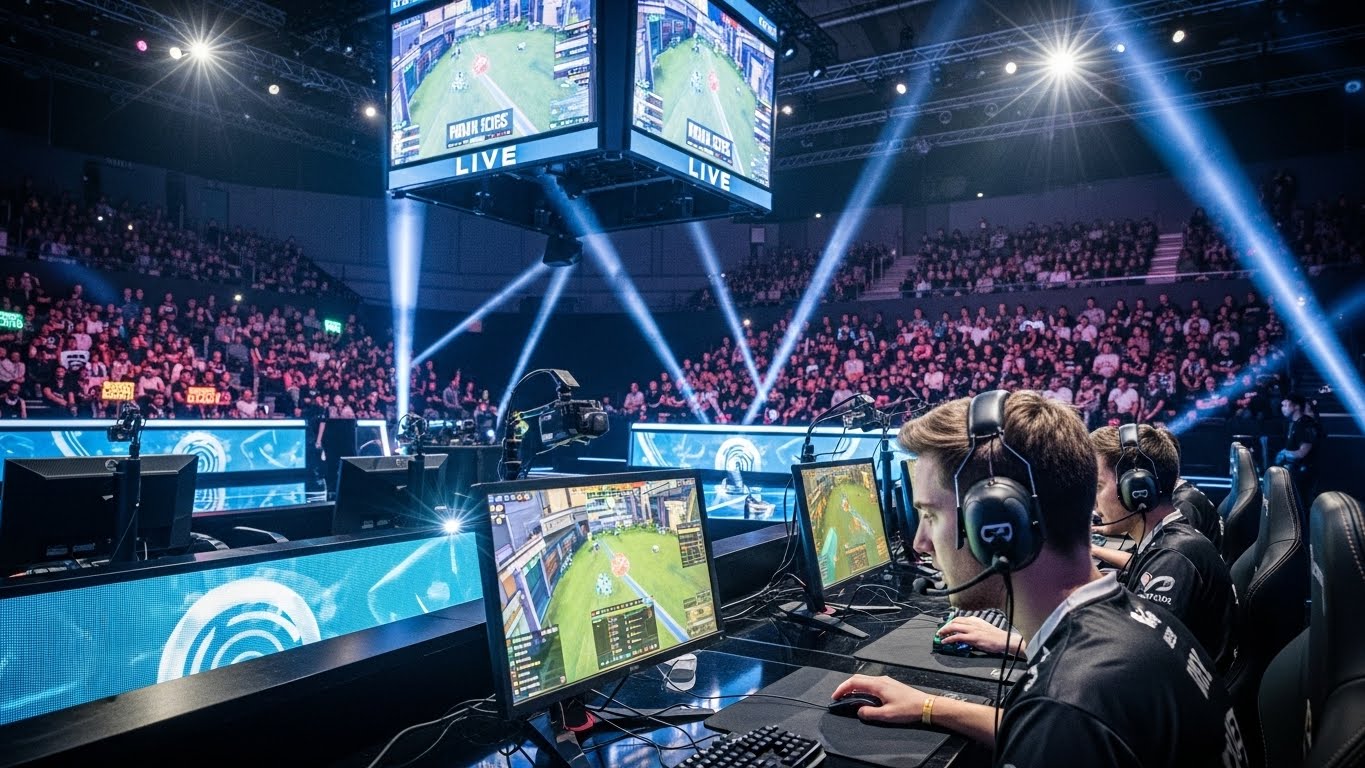
Technological advancement has played an essential role in the growth of esports. High-speed internet enables seamless online competition, while powerful gaming hardware allows for smooth, accurate gameplay. Modern game engines support detailed graphics and mechanics that heighten the competitive experience. Additionally, broadcasting technologies allow tournaments to be streamed worldwide, bringing the excitement of esports directly to fans. Innovations in augmented reality and virtual reality promise new frontiers for competitive play, expanding how players and spectators engage with digital competition. Technology not only enhances gameplay but also builds bridges between global communities.
The Spectator Experience
Esports is unique because it thrives equally as a participatory and spectator activity. Viewers tune in to watch high-level play, enjoy engaging commentary, and learn from the strategies of top competitors. The spectator experience resembles that of traditional sports, complete with commentators, analysts, pre-match discussions, and post-game breakdowns. Viewers feel connected to the action through live reactions, cheering crowds, and exciting gameplay moments. This shared energy has helped esports develop a passionate global fanbase. Spectators not only watch for entertainment but also for inspiration, using what they learn to improve their own skills.
Community Building and Social Impact
Esports has become a thriving cultural movement that brings people together across borders, backgrounds, and languages. Online platforms allow players to form teams, join communities, and build friendships. Esports events often serve as meeting grounds for fans who share a common passion. This sense of belonging helps create strong, supportive communities. Additionally, esports has provided opportunities for individuals who may not participate in traditional sports, offering a space where skill, creativity, and strategic thinking take center stage. The inclusivity of esports is one of its greatest strengths, allowing anyone with dedication and access to technology to compete.
Career Opportunities Beyond Playing
The esports industry generates a wide range of career opportunities extending beyond professional play. Coaches, analysts, event organizers, hosts, commentators, and content creators all contribute to the thriving ecosystem. Behind-the-scenes roles such as marketing, production, journalism, and management are essential for shaping events and supporting teams. Game developers collaborate with esports organizations to ensure fair competition and evolving gameplay. As the industry expands, more career paths open up, providing a future for individuals passionate about gaming even if they do not wish to compete professionally. The field is rich with potential for diverse talents.
Esports in Education
Esports has made its way into educational institutions, with schools and universities recognizing the value it brings. Esports programs teach teamwork, discipline, strategic thinking, and communication. Students learn how to analyze problems, adapt to challenges, and collaborate under pressure. Many institutions now offer scholarships to talented players, supporting their competitive pursuits while promoting academic success. Study programs related to esports management, game design, and digital marketing are becoming increasingly common. This integration highlights how gaming can contribute to personal development and future careers, reshaping the perception of gaming in academic environments.
Health, Wellness, and Responsible Gaming
As esports continues to grow, the emphasis on player wellness has become increasingly important. Professionals are encouraged to maintain healthy routines including proper sleep, exercise, and balanced nutrition. Teams often employ health professionals to support players physically and mentally. Mental wellbeing is particularly crucial, as competitive gaming can be intense and emotionally demanding. Responsible gaming practices ensure that players maintain a healthy relationship with competition. This focus on wellness not only enhances performance but also promotes long-term sustainability within the esports ecosystem.
The Economic Power of Esports
Esports has evolved into a major economic force. The industry generates revenue through tournaments, sponsorships, advertising, merchandise, team branding, and media rights. Companies across various sectors invest in esports, recognizing its massive audience and marketing potential. Professional teams operate similarly to traditional sports organizations, with partnerships, endorsements, and merchandise sales contributing to their growth. Event organizers produce large-scale tournaments that stimulate local economies. The economic ripple effect of esports extends into technology, entertainment, education, and beyond, proving its significant influence on modern industries.
Global Recognition and Cultural Influence
Esports has achieved global recognition, with millions of viewers tuning in to watch championship events and follow their favorite teams. Certain countries have embraced esports so strongly that professional players are celebrated as national figures. Esports has become an integral part of modern entertainment culture, influencing fashion, music, and digital media. The influence extends to mainstream sports as well, with athletes and teams investing in esports divisions. This cultural fusion demonstrates how deeply esports has woven itself into the fabric of global entertainment.
Challenges Facing the Esports Industry
Despite its success, the esports industry faces several challenges. Maintaining competitive integrity is essential, requiring strict rules, anti-cheating systems, and fair regulations. Player burnout is a concern due to intense training schedules and pressure. Ensuring inclusivity and reducing toxic behavior within online communities remain ongoing priorities. The industry must also navigate business challenges such as sustainable team funding, evolving game metas, and the constant need for technological upgrades. Addressing these challenges is vital for ensuring a stable and positive future for esports.
The Future of Esports
The future of esports looks incredibly promising. Advancements in technology will create more immersive and interactive experiences. Virtual reality competitions may become common, blending physical movement with digital environments. Mobile esports is rapidly expanding, opening opportunities for millions of new players. Cross-platform gaming will unify communities across devices. Esports will likely continue integrating with traditional entertainment, forming new hybrid events and media formats. As the industry grows, it will solidify its place as a mainstream pillar of global entertainment, shaping how future generations interact with games and competition.
Conclusion
Esports has evolved into a global phenomenon that captures the imagination of players and fans around the world. What began as small, local competitions has grown into a structured, professional industry filled with innovation, dedication, and cultural significance. Esports continues to push the boundaries of what digital competition can achieve, shaping communities, careers, and entertainment trends. As technology advances and global interest increases, the world of esports will continue to thrive, offering endless opportunities for those who embrace its dynamic and competitive spirit.