 championcircle20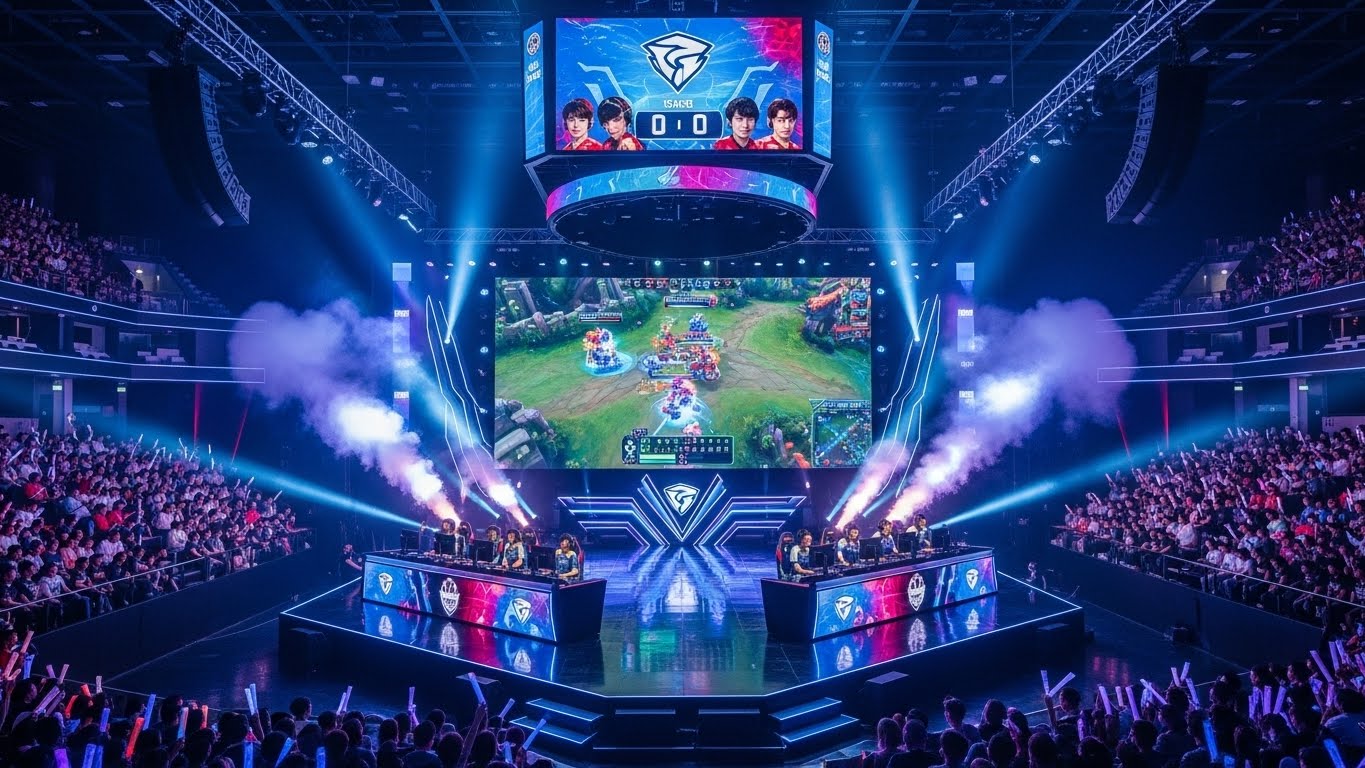
The Rise of Esports: A Revolution in Competitive Gaming
Esports has evolved from a niche hobby into a global phenomenon, capturing the attention of millions around the world. What was once considered a pastime for geeks and gamers has now become a multi-billion-dollar industry, with players, teams, and organizations gaining fame and fortune at an unprecedented scale. The rise of esports has reshaped the gaming landscape and changed the way we view competitive sports, entertainment, and digital culture.
In this blog post, we will delve into the factors that have contributed to the explosive growth of esports, explore its impact on both the gaming community and the broader entertainment industry, and examine where the future of competitive gaming might be heading.
The Origins of Esports: From LAN Parties to Global Tournaments
Esports, short for electronic sports, refers to organized, multiplayer video game competitions, particularly between professional players, individually or as teams. Though it may seem like a recent trend, the roots of esports go back to the early 1990s, when competitive gaming first began to take shape.
In the early days, gamers would gather at local LAN (Local Area Network) parties, competing against each other in games like Quake, StarCraft, and Warcraft. These gatherings, although small and informal, laid the foundation for the competitive spirit that would later fuel the esports movement. The first notable esports tournament took place in 1997 with the Red Annihilation event, where Quake players competed for a car as the grand prize. It was a pivotal moment that showcased the potential for competitive gaming to evolve into a legitimate and financially rewarding activity.
As technology improved, so did the scope of esports competitions. The launch of major titles like League of Legends, Dota 2, Counter-Strike, and Overwatch helped further popularize the concept of esports on a global scale. By the early 2000s, dedicated esports tournaments began to emerge, and organizations such as Major League Gaming (MLG) and ESL (Electronic Sports League) started to structure competitions more professionally.
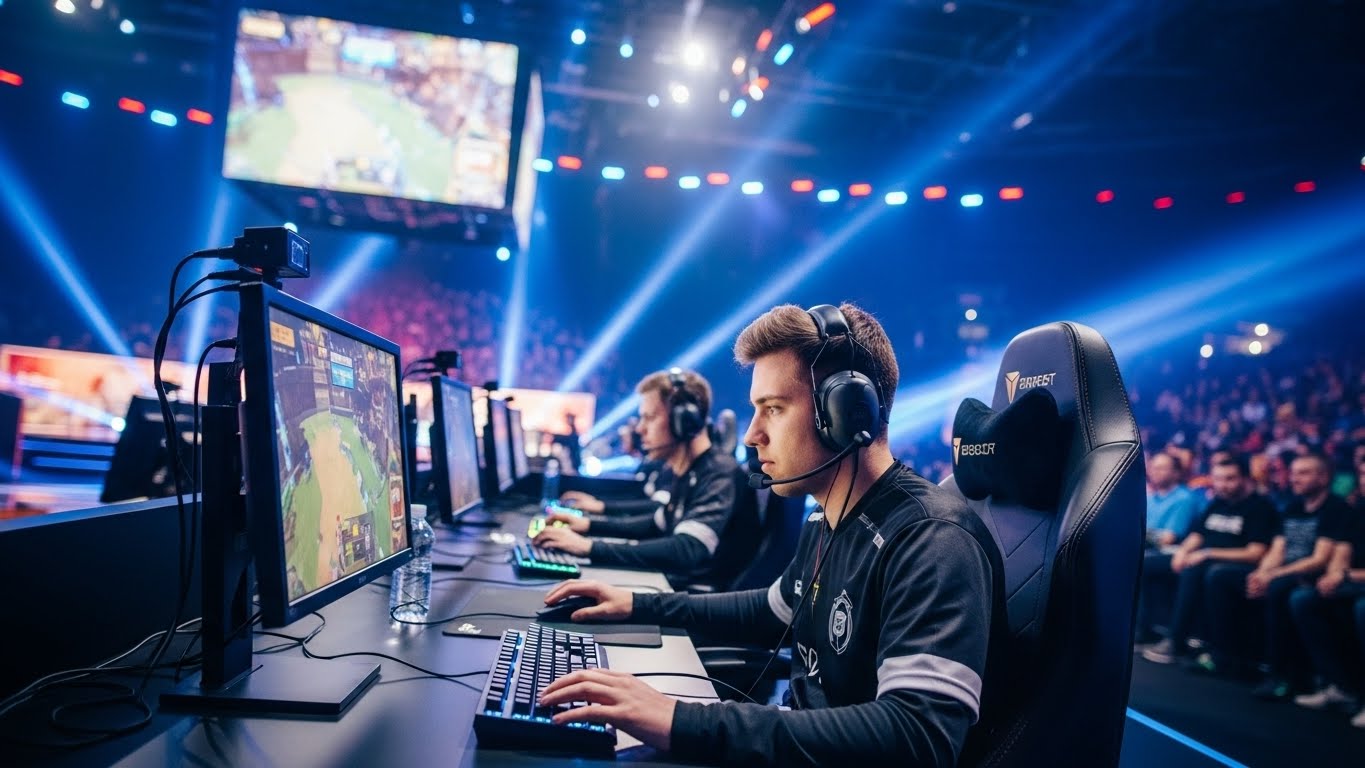
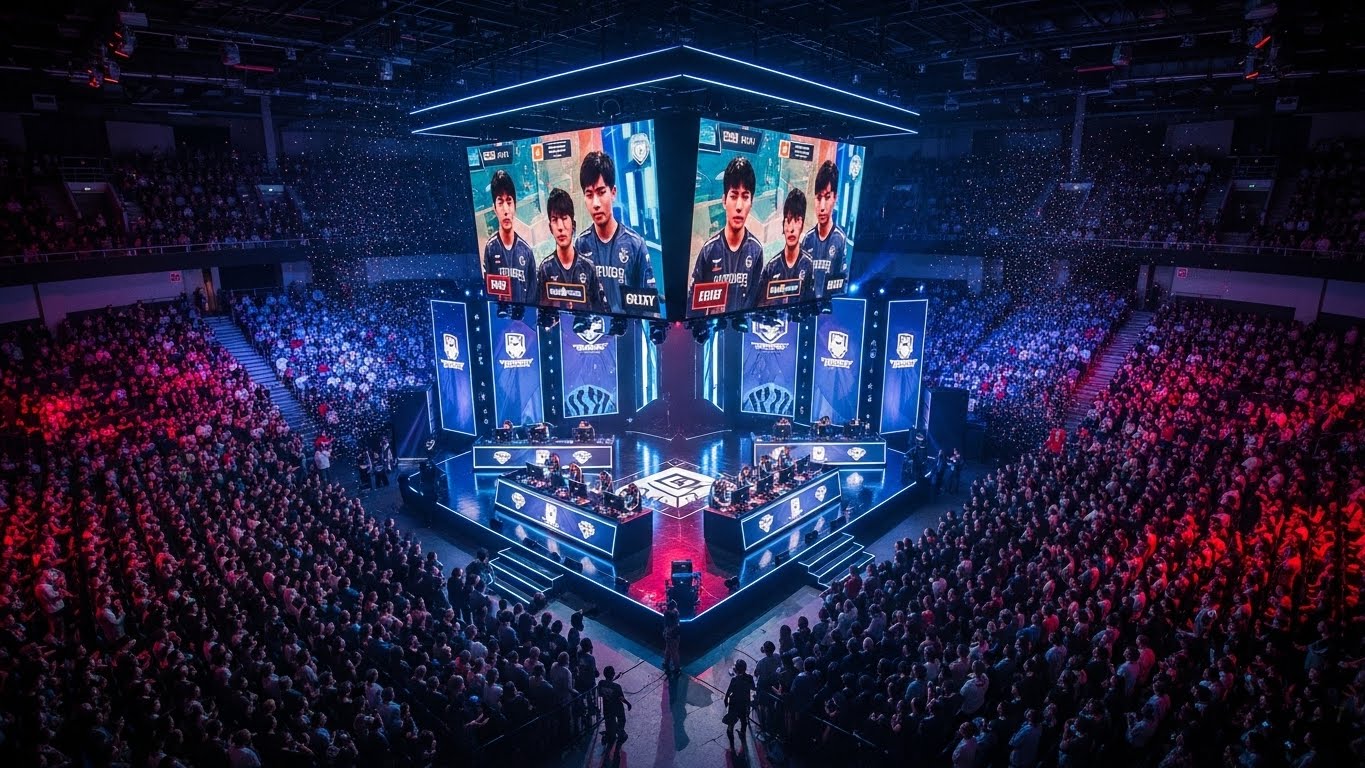
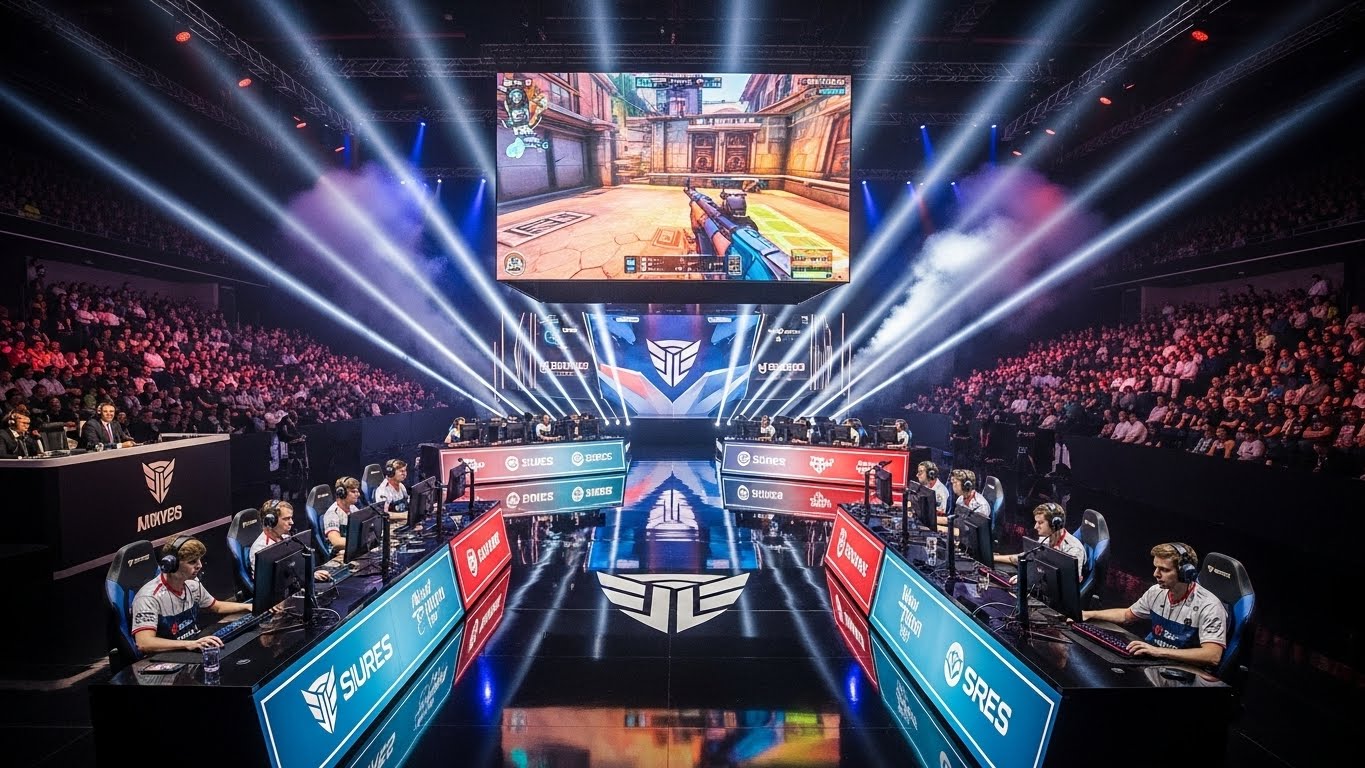
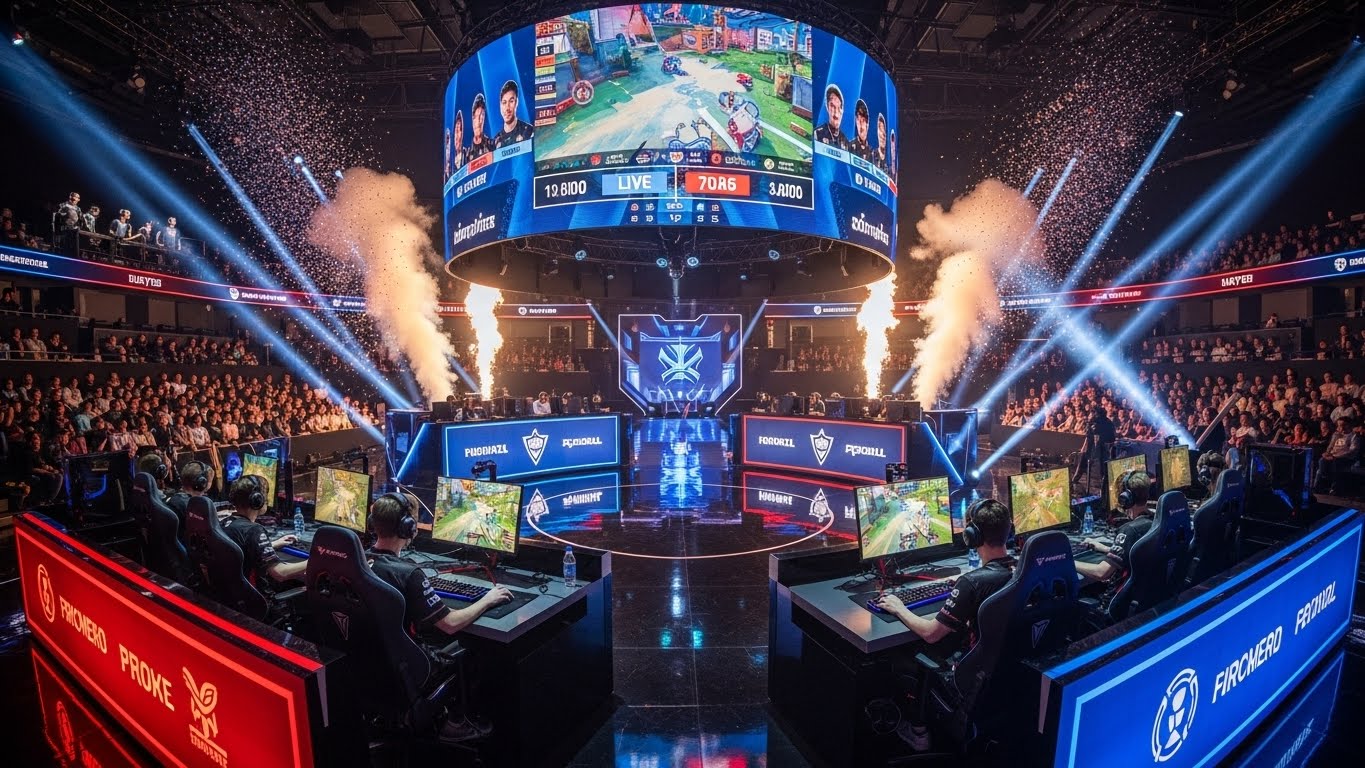
Today, esports tournaments like The International for Dota 2, the League of Legends World Championship, and the Overwatch League have become massive events, drawing millions of viewers both online and in person. These tournaments often offer prize pools in the millions of dollars, with top-tier players making a living solely from gaming.
The Role of Streaming Platforms in Esports’ Growth
One of the biggest drivers behind the meteoric rise of esports has been the explosion of streaming platforms, most notably Twitch and YouTube Gaming. These platforms have allowed players, fans, and teams to connect in ways never before imagined.
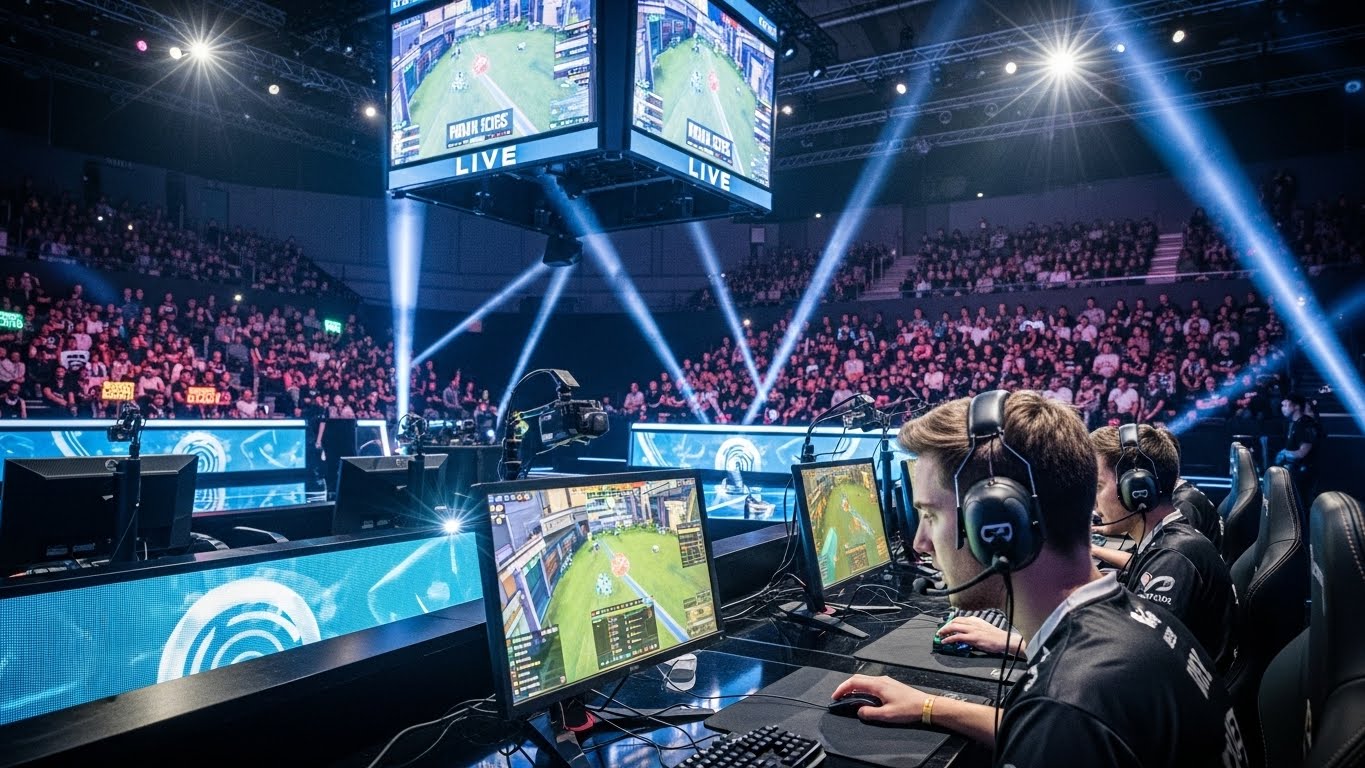
Twitch, founded in 2011, quickly became the go-to platform for live streaming video games. Gamers could broadcast their gameplay in real-time, interact with their audience, and build personal brands. As more people started watching these streams, it became clear that esports could thrive in this virtual ecosystem. Major tournaments were streamed live to millions of viewers, enabling fans from all over the world to experience the excitement of esports without ever leaving their homes.
The accessibility and interactivity of these platforms also helped create a new form of fan engagement. Viewers could chat with streamers during live streams, participate in giveaways, or even donate money directly to their favorite players. In a sense, this direct connection between fans and players transformed the traditional spectator experience, turning esports into a highly interactive and fan-driven ecosystem.
Moreover, these streaming platforms provided a level of accessibility and reach that was previously unattainable through traditional media outlets. As more people tuned in to watch live esports events, mainstream brands, media companies, and even celebrities began to take notice of the industry’s potential.
The Impact of Sponsorship and Branding
The professionalization of esports has led to significant financial backing and sponsorship from large brands. Companies such as Intel, Coca-Cola, and Red Bull have partnered with esports organizations, offering funding, promoting tournaments, and creating exclusive content. These partnerships have provided the esports industry with the resources needed to expand globally and offer bigger prize pools, better production quality, and higher salaries for players.
This influx of sponsorship money has also led to the development of esports-specific marketing strategies. Teams and players are now considered as brands in their own right, with logos, merchandise, and social media presence playing a major role in their success. The players themselves are increasingly seen as influencers, who not only compete at the highest level but also engage in content creation, brand promotions, and merchandise sales.
The power of branding in esports is evident in the success of esports organizations like Cloud9, Team Liquid, and Fnatic, who have managed to carve out global fanbases through consistent performance and strong social media presence. These teams are not just players; they are cultural icons within the gaming community, and their sponsorships have made esports a legitimate part of the entertainment and sports industries.
The Competitive Landscape: A Growing Variety of Games and Formats
As esports continues to grow, there has been an increasing variety of games and formats, offering something for everyone. Titles like Counter-Strike: Global Offensive, League of Legends, Fortnite, Valorant, and Rocket League have all cultivated dedicated competitive scenes, each with its unique set of mechanics and fanbase.
One of the most exciting aspects of esports is the diversity of games that can thrive in a competitive environment. While traditional sports are limited to a few major games (e.g., soccer, basketball, etc.), esports has a broad spectrum of titles that appeal to different player types and viewing preferences. MOBA (Multiplayer Online Battle Arena) games like League of Legends, Dota 2, and Smite offer complex strategic play, while FPS (First-Person Shooter) games like Counter-Strike and Call of Duty offer fast-paced action. Additionally, battle royale games like Fortnite and Apex Legends have created entirely new competitive formats that have captured the imagination of millions of players.
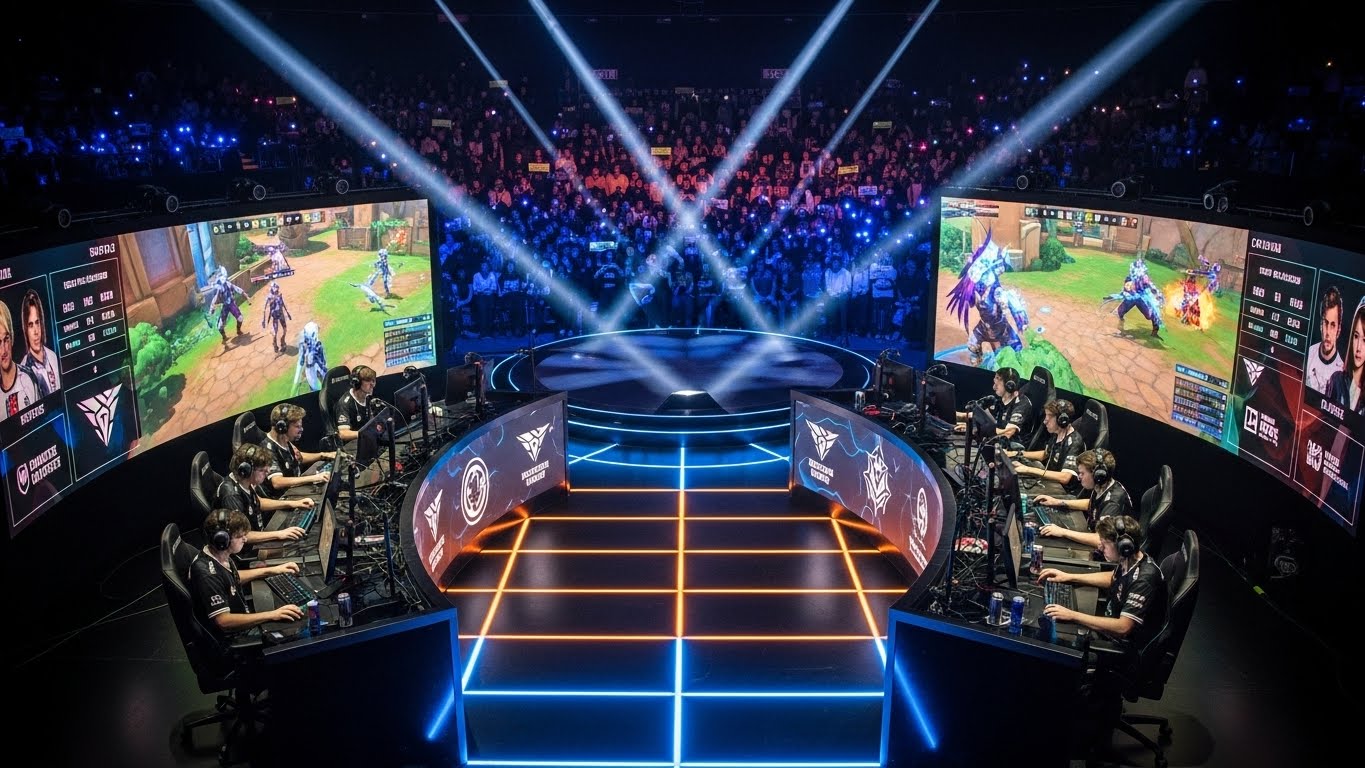
Esports organizations often field teams in multiple game genres, creating a diverse and dynamic ecosystem that enables the industry to evolve constantly. The formats of competitions also vary, ranging from single-elimination tournaments to league-based formats, such as the Overwatch League or the Call of Duty League. These formats ensure that there’s always an opportunity for both new and experienced players to enter the scene.
The Future of Esports: From Virtual Reality to Mainstream Sports
As esports continues to grow, the future looks incredibly promising. One area that has generated significant buzz is the potential for virtual reality (VR) and augmented reality (AR) to revolutionize competitive gaming. VR technology could create fully immersive esports experiences, allowing players to compete in virtual arenas with lifelike movement and interaction. While this is still in its early stages, several companies are already experimenting with VR esports tournaments, and it’s only a matter of time before we see this technology incorporated into mainstream competitions.
Another key area of growth is the potential integration of esports into traditional sports venues. Some major sports teams, such as the NBA’s Sacramento Kings, have already embraced esports by sponsoring gaming organizations or creating their own esports teams. This crossover is expected to increase in the coming years as esports continues to gain legitimacy in the eyes of both traditional sports fans and the general public.
Furthermore, the growing popularity of mobile gaming is expected to make esports even more accessible. Games like Clash Royale, PUBG Mobile, and Free Fire have demonstrated that competitive gaming can thrive on smartphones, bringing the world of esports to a larger, more diverse audience. As mobile gaming becomes more advanced, it could also introduce new formats and gameplay styles to the competitive scene.
Conclusion: Esports is Here to Stay
The rise of esports represents a massive cultural shift that has not only transformed the gaming industry but has also altered the way we think about competition, entertainment, and sports. What started as a hobby for a small group of enthusiasts has blossomed into a global industry that attracts millions of viewers and generates billions of dollars in revenue. The competitive spirit of esports, fueled by streaming platforms, sponsorships, and an expanding variety of games, has turned what was once a niche pastime into a mainstream cultural movement.
Looking ahead, the future of esports is bright, with technology, mobile gaming, and traditional sports convergence likely to propel the industry to new heights. Esports will continue to evolve, bringing new forms of competition and entertainment to audiences worldwide. For now, one thing is certain: esports has become a force to be reckoned with, and it’s here to stay.
As more people embrace esports, whether as players, fans, or content creators, it’s clear that competitive gaming will continue to shape the way we experience entertainment for years to come.