 championcircle20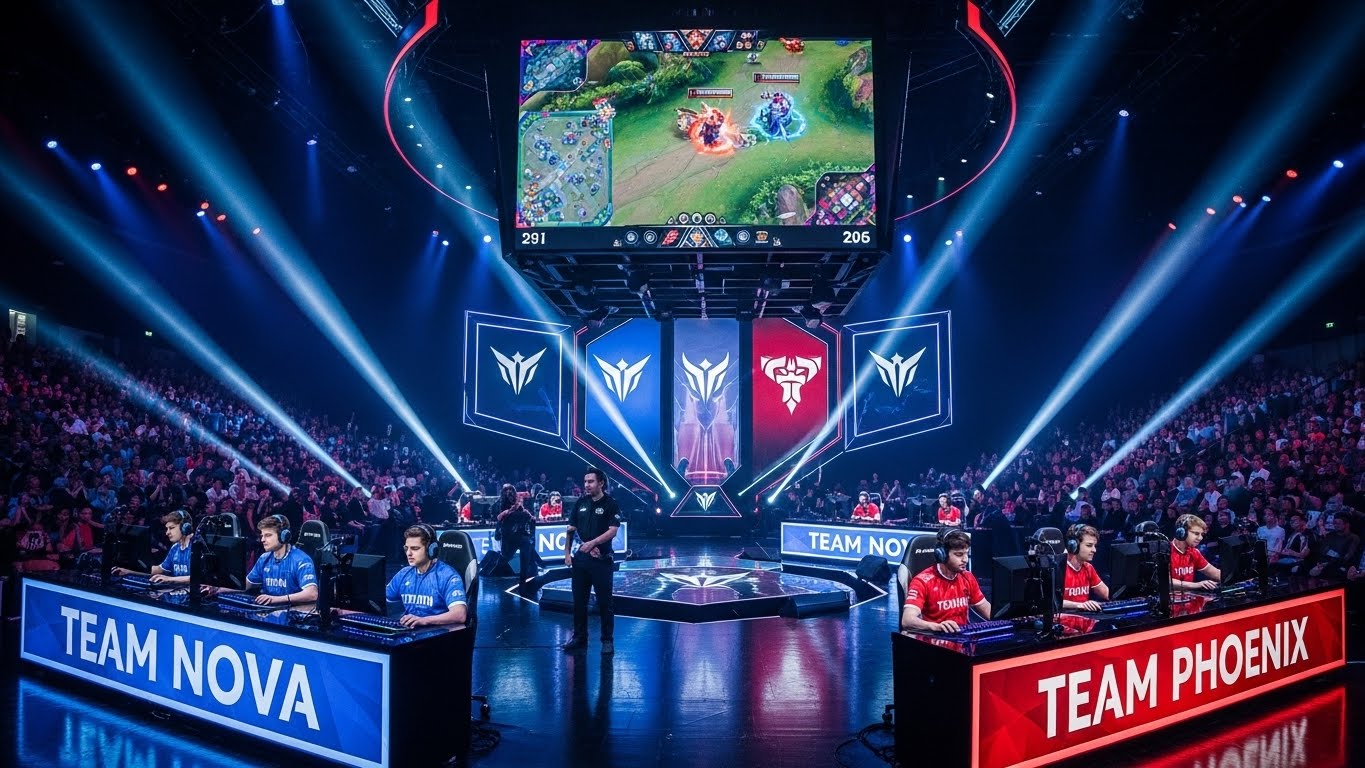
Introduction: The Emergence of Esports
Esports, or electronic sports, has emerged as one of the fastest-growing entertainment industries in the world. What began as casual gaming among friends has transformed into a global phenomenon, attracting millions of fans, professional players, and multi-million-dollar tournaments. The combination of competitive gameplay, technology, and fan engagement has positioned esports as more than a hobby—it has become a legitimate career path, a cultural force, and a new form of entertainment. This blog explores the evolution of esports, the skills required to succeed, the economic and cultural impact, and the future of this digital sport.
Understanding Esports: Competitive Gaming Redefined
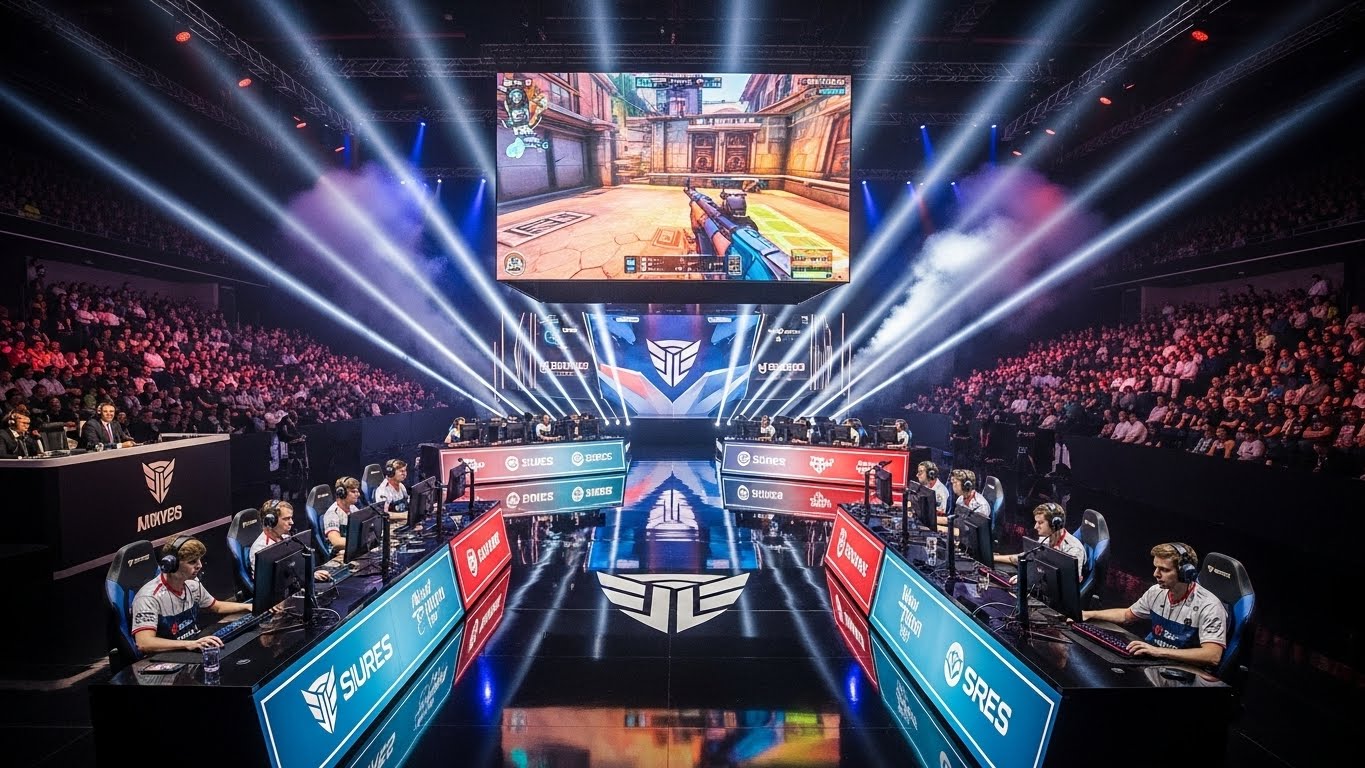
Esports refers to organized, competitive video gaming where professional players or teams compete in structured tournaments. Unlike casual gaming, esports demands discipline, strategy, and teamwork. Competitions span multiple genres, including multiplayer online battle arenas, first-person shooters, fighting games, sports simulations, and real-time strategy games.
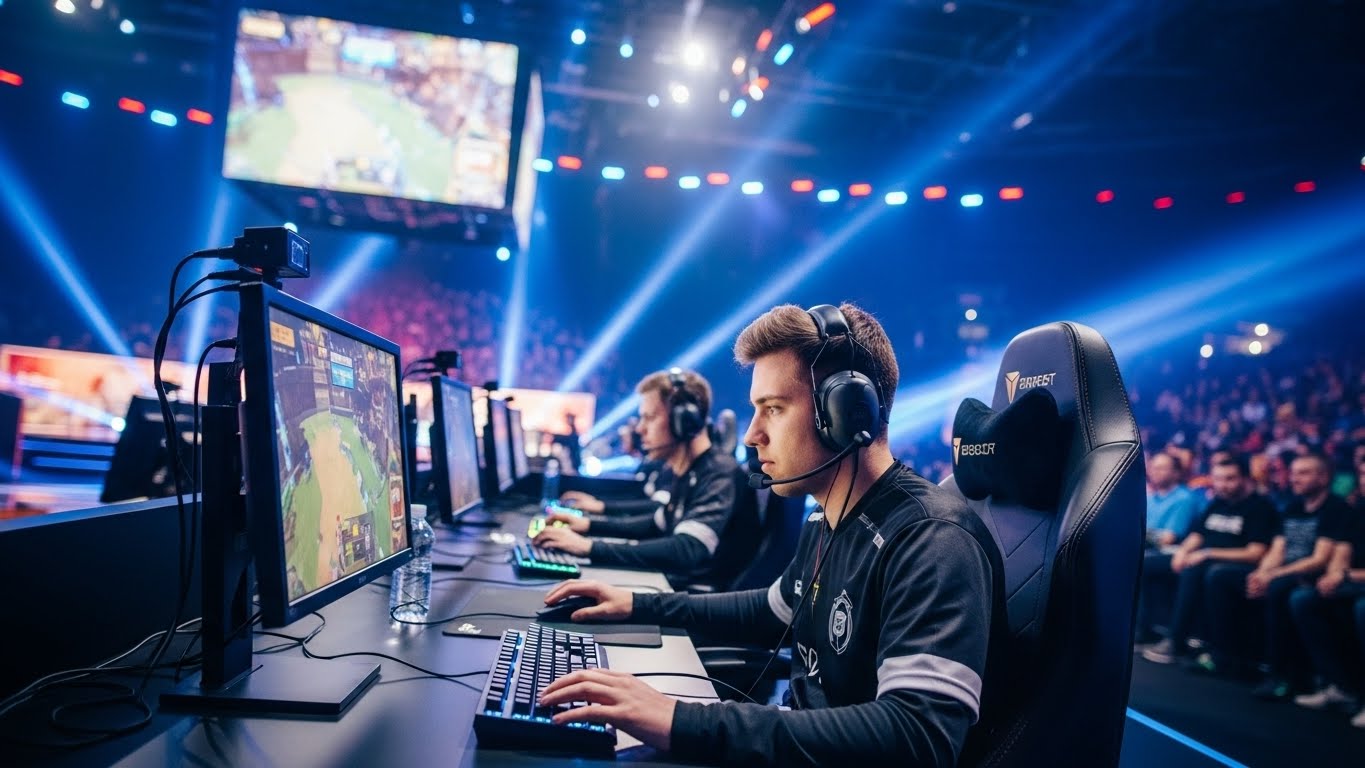
Professional esports players train rigorously, develop strategies, and adapt to ever-changing game mechanics. Esports has grown into a sophisticated ecosystem that includes players, teams, sponsors, broadcasters, and millions of viewers worldwide. It merges the excitement of traditional sports with the innovation of digital entertainment, creating an entirely new platform for competition and engagement.
The History and Evolution of Esports
The journey of esports can be traced back to the early days of arcade gaming and home computers.
The Early Years
In the 1970s and 1980s, small-scale video game competitions were held in arcades and universities. While informal, these competitions laid the foundation for a culture of competitive gaming.
The Internet Revolution
The rise of online gaming in the late 1990s enabled players to compete globally. Titles like Counter-Strike and StarCraft introduced competitive mechanics that demanded skill, strategy, and teamwork. Online communities began forming around these games, fostering a culture of rivalry and collaboration.
Professionalization of Esports
By the 2000s, esports became more structured. Professional teams emerged, tournaments were organized with significant prize pools, and game publishers began supporting competitive scenes. Events like the World Cyber Games and Major League Gaming attracted global attention, marking the beginning of esports as a professional industry.
The Modern Era
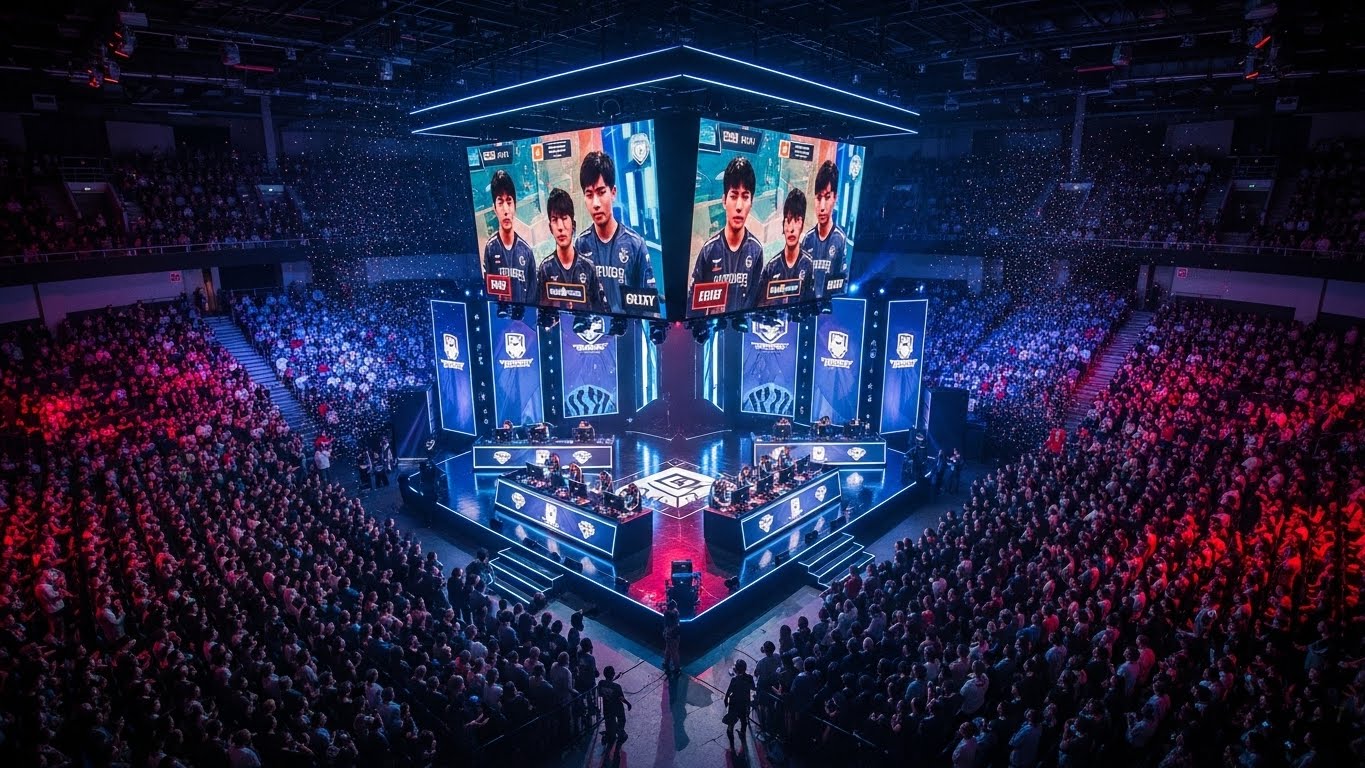
Today, esports is a multi-billion-dollar industry with global tournaments, dedicated broadcasting platforms, and international audiences. Games like League of Legends, Dota 2, Fortnite, and Call of Duty dominate competitive circuits. Esports athletes are recognized as professionals, and tournaments are streamed to millions of viewers worldwide.
The Skills of an Esports Athlete
Professional esports players are highly skilled individuals whose abilities rival those of traditional athletes.
Strategic Thinking
Esports games require deep understanding of mechanics, tactics, and opponent behavior. Players must anticipate moves, adapt strategies in real-time, and make quick decisions under pressure.
Hand-Eye Coordination and Precision
High-level gameplay demands exceptional hand-eye coordination, reflexes, and precision. Microsecond decisions can determine the outcome of a match, making physical dexterity critical.
Teamwork and Communication
Many esports titles involve team-based competition. Effective communication, coordination, and trust among teammates are essential for success.
Mental Resilience
Professional players face intense pressure during tournaments. Maintaining focus, managing stress, and recovering from mistakes are crucial for peak performance.
Continuous Practice and Analysis
Esports athletes train for hours daily, reviewing gameplay, analyzing opponents, and practicing strategies. Dedication, discipline, and a willingness to learn are fundamental to professional success.
The Esports Ecosystem
Esports is more than players and tournaments; it is a complex ecosystem involving multiple stakeholders.
Teams and Organizations
Professional teams operate like traditional sports clubs, employing coaches, analysts, and support staff. Teams develop strategies, train together, and compete in leagues around the world.
Tournaments and Leagues
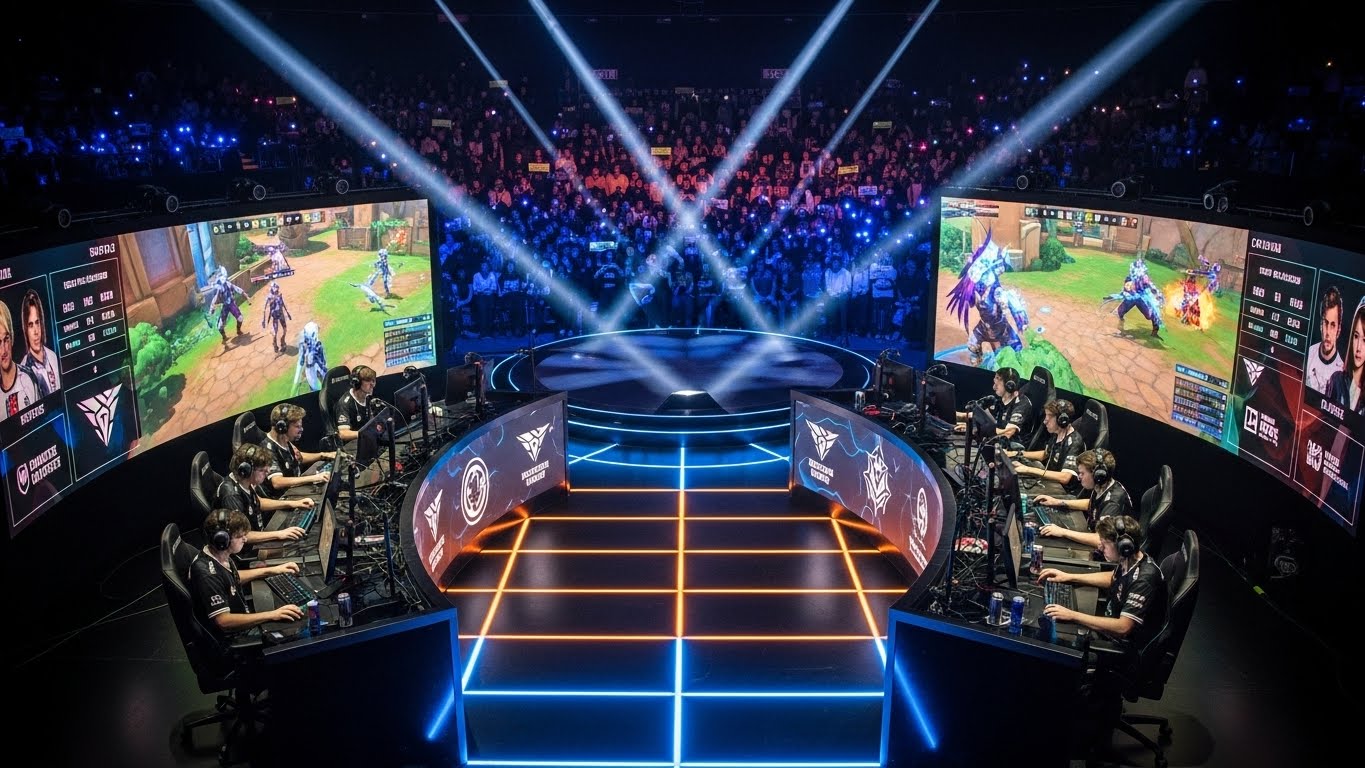
Tournaments are the cornerstone of esports, featuring structured competitions with prize money, rankings, and global recognition. Leagues such as the League of Legends Championship Series and Dota Pro Circuit offer long-term competitive structures for teams and players.
Game Developers
Developers and publishers support esports by balancing game mechanics, sponsoring events, and promoting competitive play. Their role is crucial in maintaining a fair and engaging competitive environment.
Broadcasting and Media
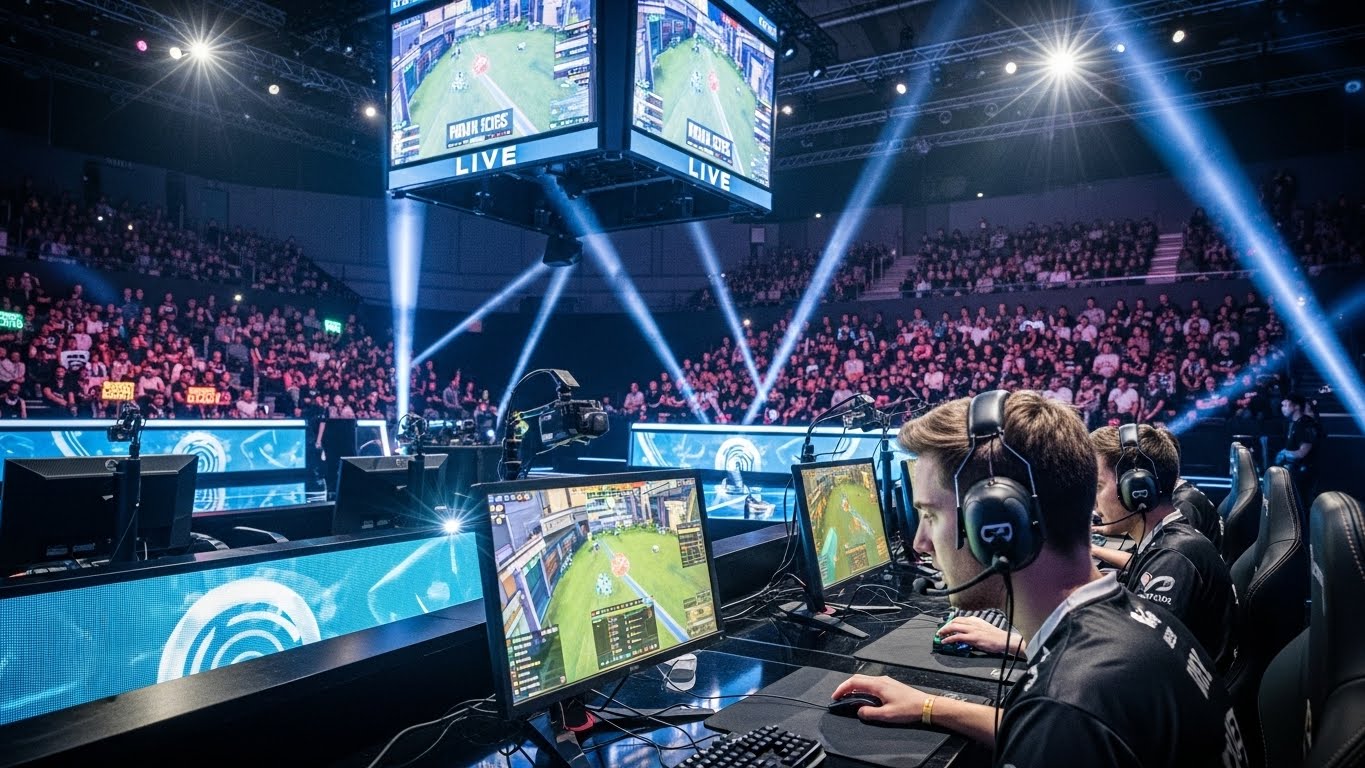
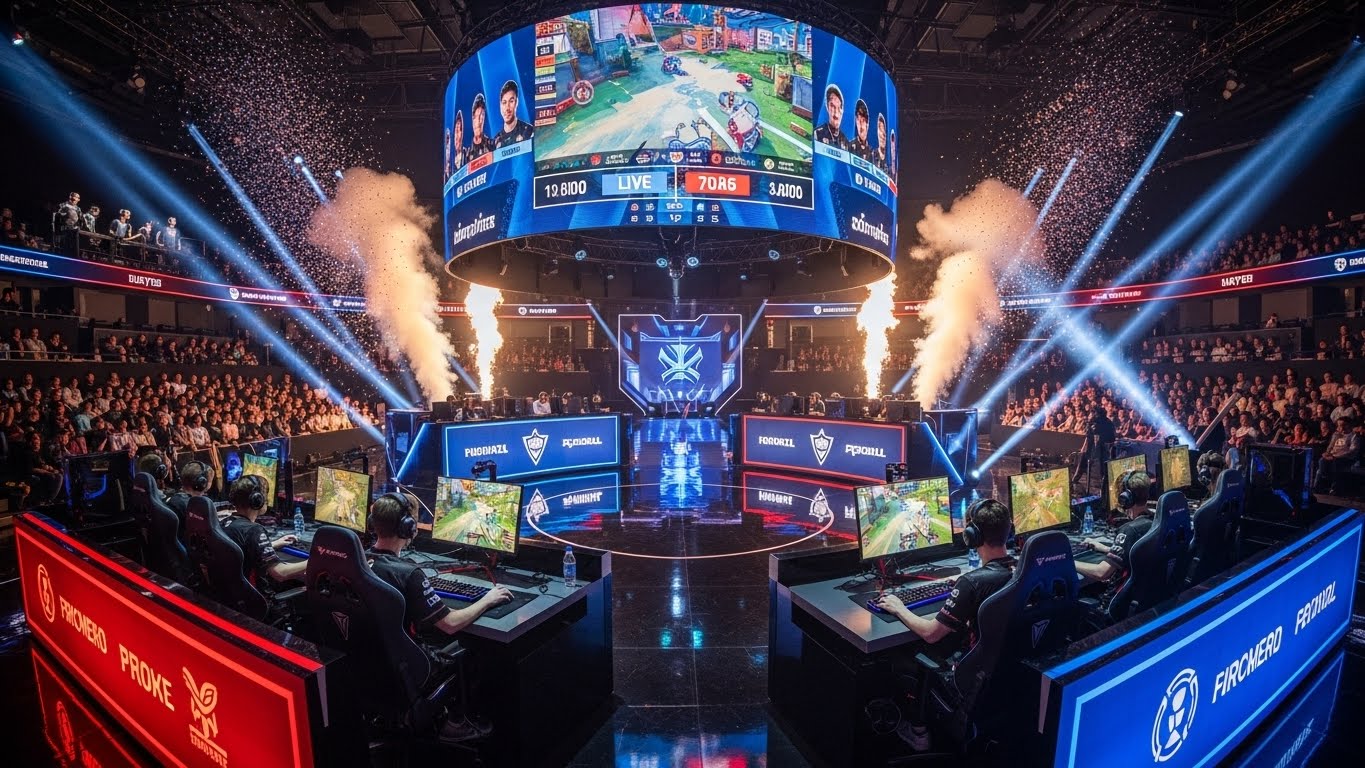
Esports tournaments are broadcasted on dedicated platforms, attracting millions of viewers. Commentators, analysts, and production teams enhance the spectator experience with insights and entertainment.
Fans and Communities
Fans drive esports popularity, participating through live events, online streams, and social media communities. Esports fandom is highly interactive, with audiences engaging directly with players, teams, and tournaments.
The Economic Impact of Esports
Esports has evolved into a lucrative global industry, generating revenue and creating job opportunities.
Revenue Streams
Esports earns revenue through tournament prize pools, sponsorships, advertising, merchandise, and streaming platforms. Global tournaments now offer multi-million-dollar prize pools, attracting top-tier talent and investment.
Employment Opportunities
Beyond players, esports supports careers in coaching, management, broadcasting, event planning, marketing, and technology development. The ecosystem provides employment to thousands worldwide.
Brand Partnerships
Companies increasingly invest in esports sponsorships to reach younger, tech-savvy audiences. This partnership model fuels industry growth and legitimizes esports as mainstream entertainment.
Innovation and Technology
The demand for high-performance gaming, live streaming, and real-time analytics drives advancements in technology, from graphics processing to cloud gaming and virtual reality.
Esports and Education
Esports is increasingly integrated into educational institutions, offering new pathways for learning and skill development.
Scholarships and Academic Programs
Colleges and universities worldwide now offer esports scholarships and academic programs in game design, event management, broadcasting, and competitive gaming.
Skill Development
Participation in esports teaches teamwork, leadership, strategic thinking, and communication skills, preparing students for careers within and beyond gaming.
Community and Inclusion
School-based esports programs foster inclusive communities where students can collaborate, compete, and develop interpersonal skills.
Cultural Influence of Esports
Esports has become a significant cultural phenomenon, influencing entertainment, lifestyle, and global trends.
Youth Culture and Identity
Esports shapes the identity of younger generations, offering a sense of belonging, competition, and achievement. Gaming personalities, content creators, and tournament highlights influence fashion, music, and social behavior.
Global Community
Esports transcends geographic and cultural barriers. Players and fans from different countries connect, collaborate, and compete in shared experiences, fostering cross-cultural exchange.
Mainstream Media Recognition
Esports has entered mainstream media, with professional leagues broadcasted on television and streamed to millions worldwide. It is increasingly recognized alongside traditional sports.
Challenges Facing Esports
Despite its rapid growth, esports faces several challenges that must be addressed for sustainable development.
Player Health and Well-Being
Intense training schedules and competitive pressure can lead to burnout, physical strain, and mental health issues. Organizations are increasingly investing in player wellness programs.
Fair Play and Regulation
Cheating, match-fixing, and unethical practices remain challenges. Establishing robust regulations, monitoring systems, and ethical standards is crucial.
Financial Sustainability
While revenue is growing, not all teams and tournaments are profitable. Long-term stability requires careful management, diverse revenue streams, and strategic investment.
The Future of Esports
The future of esports is promising, driven by technology, accessibility, and global interest.
Technological Advancements
Virtual reality, augmented reality, cloud gaming, and artificial intelligence will redefine competitive experiences, making esports more immersive and interactive.
Mainstream Acceptance
Esports continues to gain recognition as a legitimate sport and form of entertainment, expanding its audience and influence.
Global Expansion
Emerging markets offer new players, teams, and audiences, contributing to the growth and diversification of esports worldwide.
Enhanced Professionalism
Improved training facilities, wellness programs, and governance structures will help esports mature as a professional industry, providing stability for players and organizations alike.
Conclusion: Esports as a Transformative Force
Esports is no longer a niche hobby; it is a cultural, economic, and technological force shaping the future of entertainment. It combines the thrill of competition, the power of technology, and the passion of global communities to create a unique form of engagement.
Professional players exemplify skill, strategy, and resilience, while fans and communities drive the growth and energy of the industry. Esports provides economic opportunities, educational benefits, and cultural influence, positioning it as one of the most significant developments in modern entertainment.
As technology evolves and the audience expands, esports will continue to redefine competition, creativity, and the way people connect in the digital age. The digital arena is no longer just a virtual space—it is a transformative stage for global entertainment and human achievement.