 championcircle20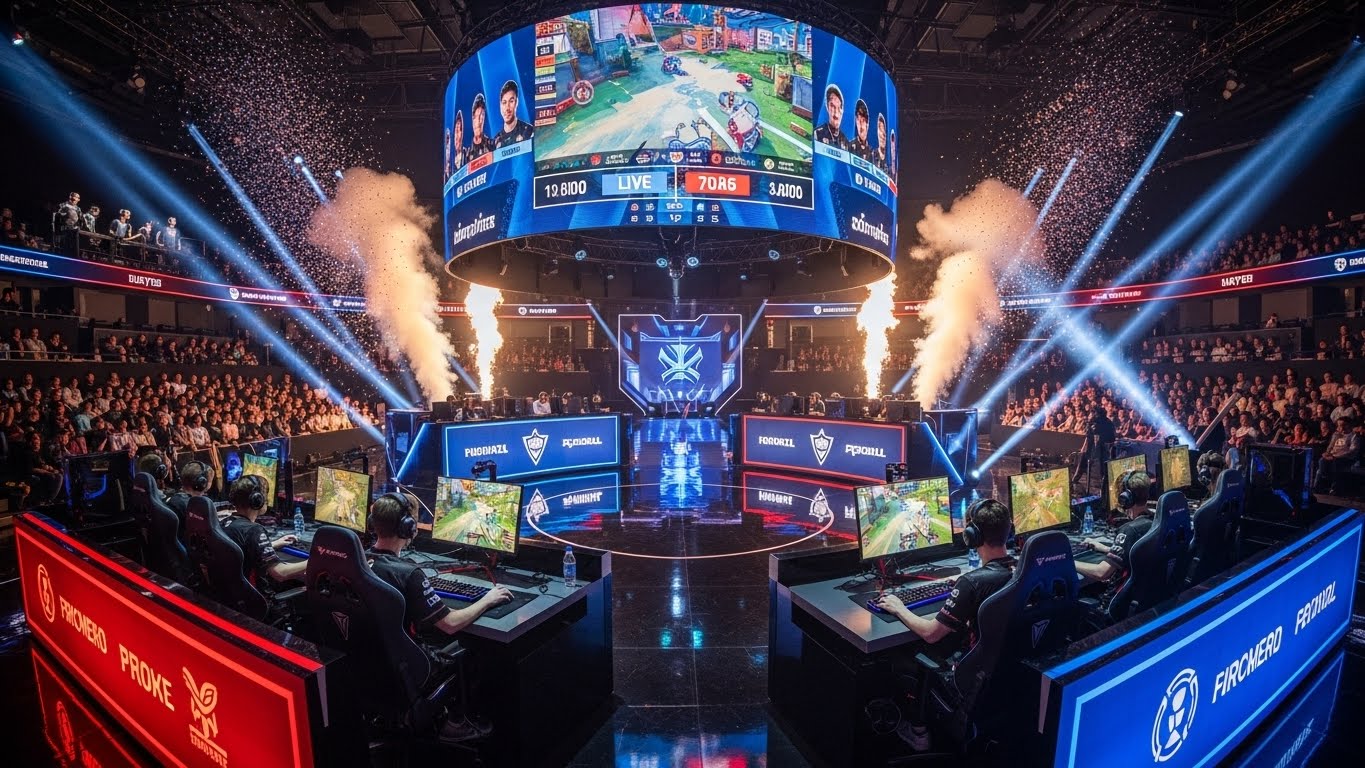
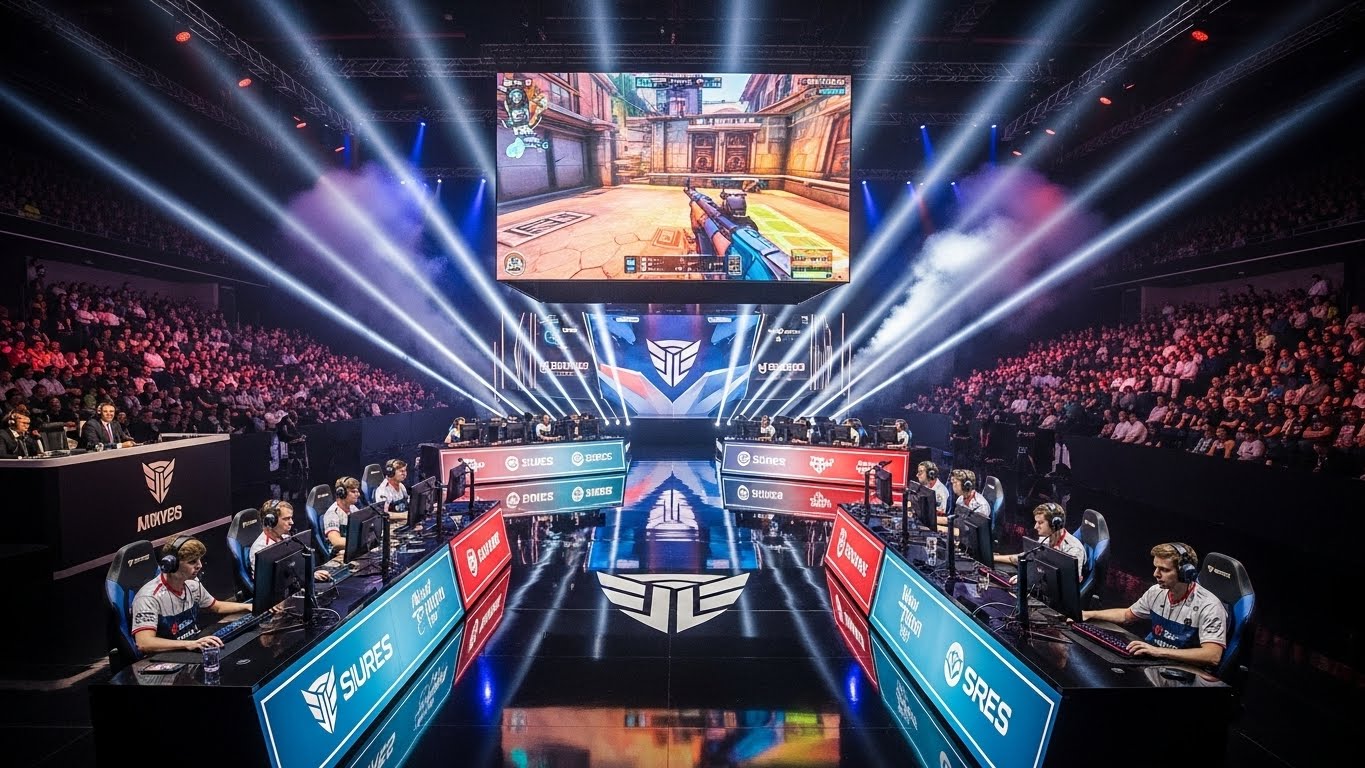
Esports, or competitive video gaming, has rapidly transformed from a niche hobby into a global phenomenon that captivates millions of players, fans, and investors worldwide. What began as small-scale gaming competitions in arcades and local networks has evolved into a multi-billion-dollar industry with professional leagues, international tournaments, and celebrity-level recognition for top players. Beyond entertainment, esports is reshaping culture, education, technology, and even careers, proving that competitive gaming is here to stay.
The Origins of Esports
Esports has roots that stretch back decades. In the 1970s and 1980s, simple video games like Pong and Space Invaders inspired early competitions, often taking place in arcades or local events. These competitions were modest but laid the foundation for structured gaming contests.
The 1990s saw the rise of personal computers and networked games, enabling players to compete remotely. Titles like StarCraft, Quake, and Counter-Strike became iconic in competitive gaming circles, fostering dedicated communities and formalized tournament structures. The introduction of high-speed internet in the early 2000s allowed esports to expand globally, making real-time competition possible across continents.
Professionalization of Competitive Gaming
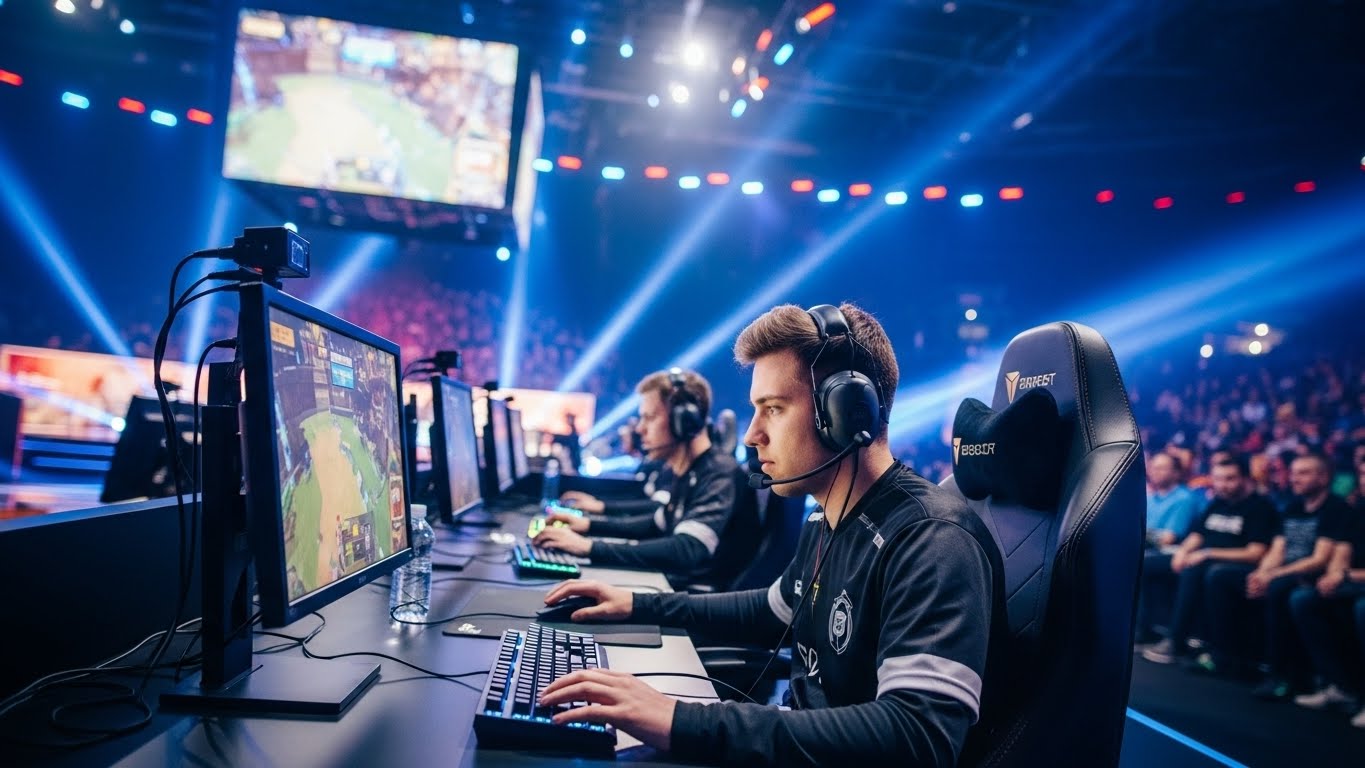
Today, esports is no longer just a pastime; it is a serious profession. Professional players train for hours daily, honing their skills, strategizing with teammates, and maintaining peak mental and physical condition. Many esports teams now employ coaches, analysts, nutritionists, and psychologists to ensure peak performance, mirroring traditional sports organizations.
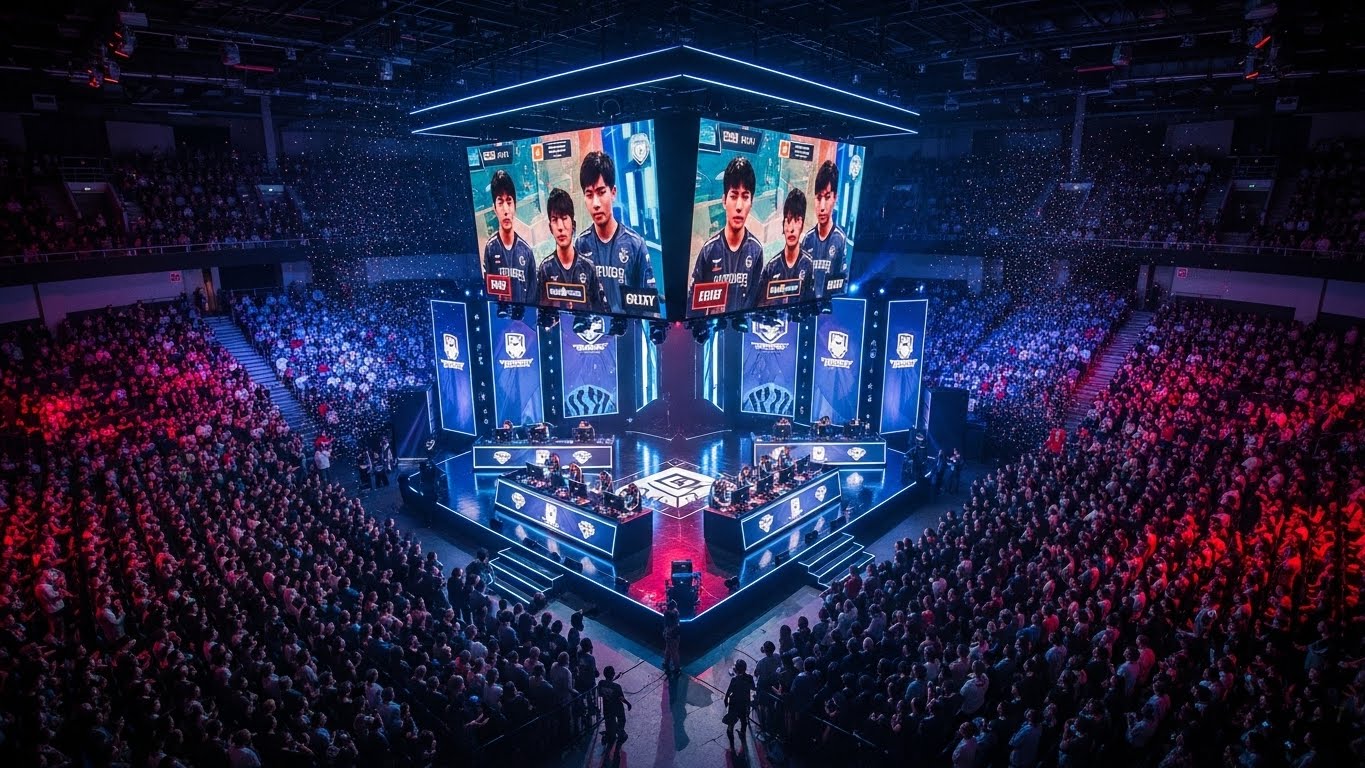
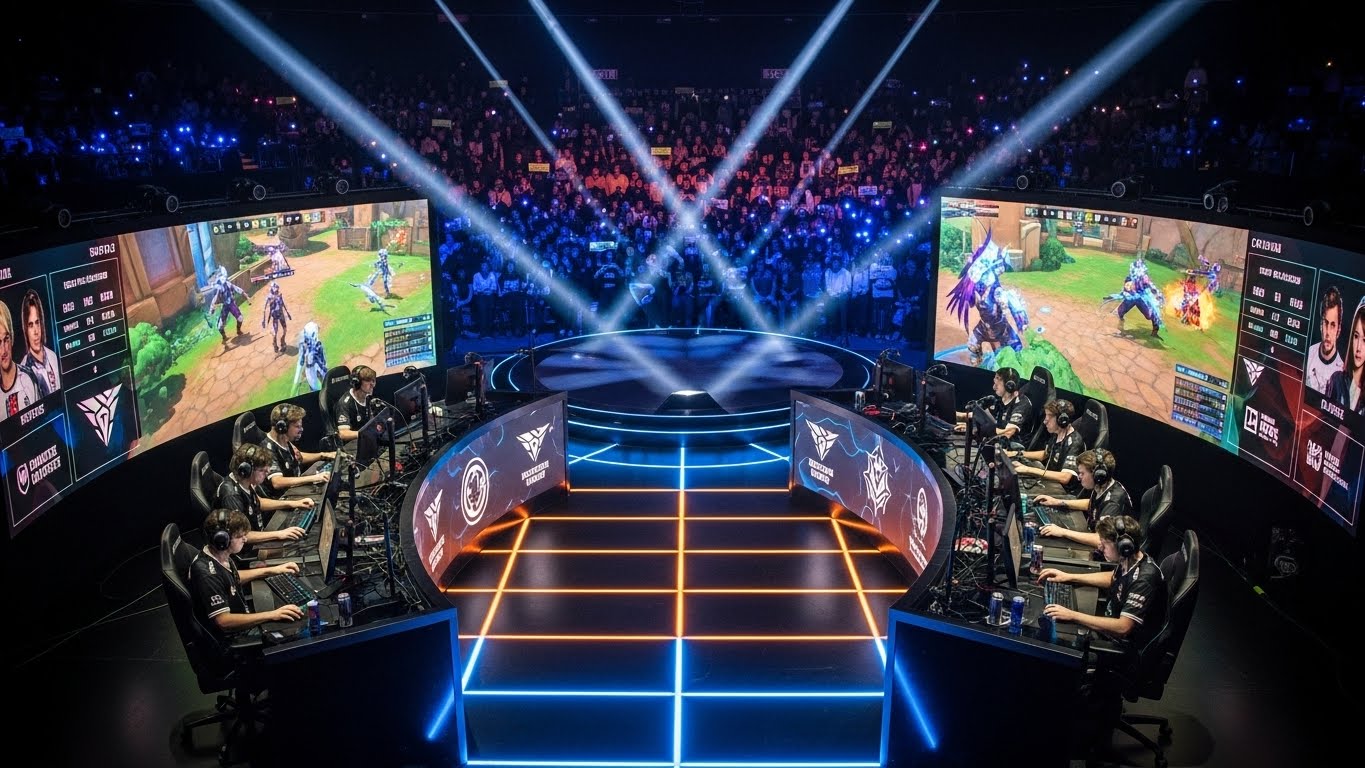
Professional leagues and tournaments provide substantial prize pools and sponsorship opportunities, giving players financial incentives comparable to athletes in conventional sports. Competitions like the League of Legends World Championship, The International for Dota 2, and the Fortnite World Cup draw millions of viewers globally, creating careers that were once unimaginable for gamers.
Esports as a Cultural Phenomenon
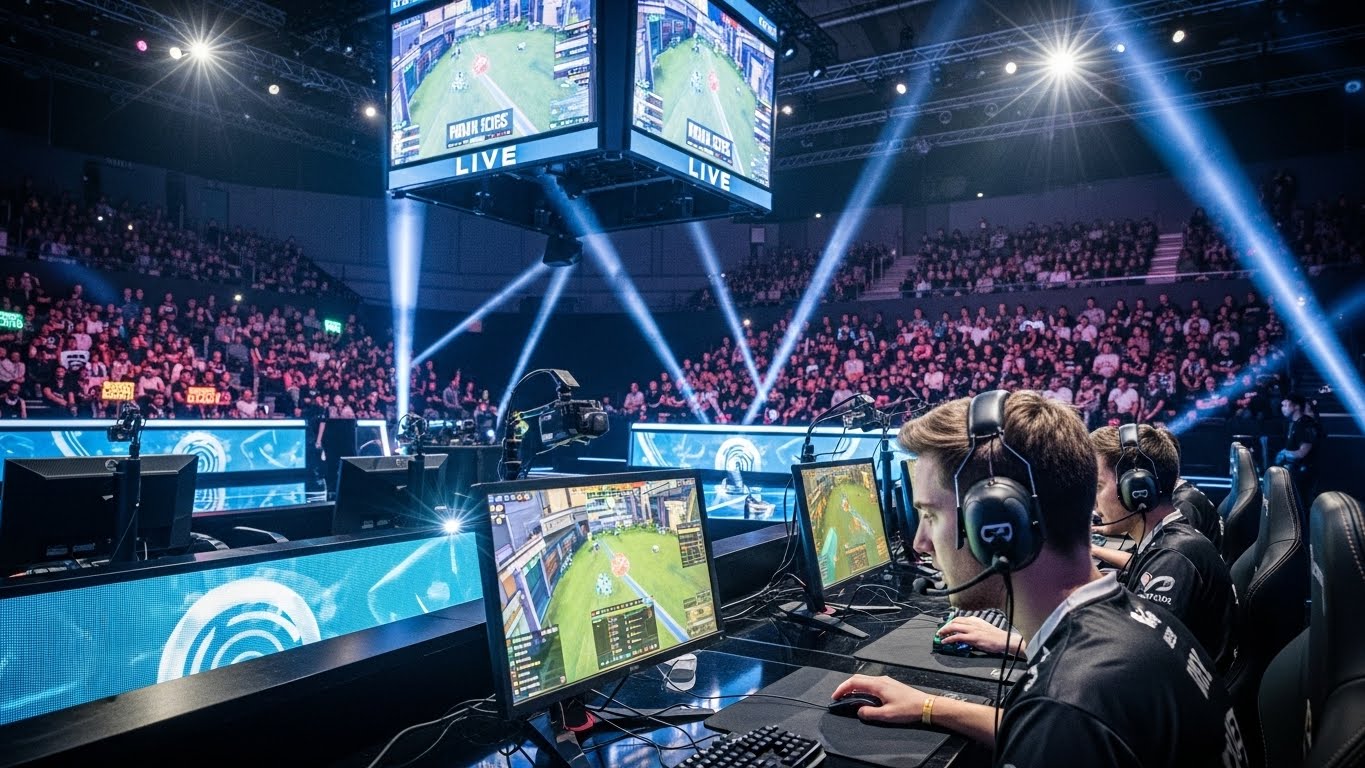
Esports has developed into a cultural movement that influences entertainment, social interaction, and lifestyle trends. Online streaming platforms allow fans to watch tournaments live, interact with players, and follow gaming personalities closely. This level of accessibility fosters global communities where fans share strategies, celebrate victories, and engage in discussions about their favorite games.
Unlike traditional sports, esports is highly inclusive. It does not rely on physical attributes like height, strength, or endurance, allowing individuals from diverse backgrounds, genders, and abilities to compete equally. This accessibility has contributed to the rapid growth of esports and has expanded the definition of competitive sports in the modern era.
Economic Impact and Industry Growth
The economic significance of esports is staggering and continues to grow. The industry encompasses tournaments, sponsorships, broadcasting rights, merchandise sales, gaming hardware, software development, and more. Corporations see esports as an opportunity to reach younger, digitally native audiences, investing heavily in teams, events, and marketing campaigns.
Esports also fuels innovation and entrepreneurship. Companies design specialized gaming equipment, analytics software, and training tools to improve player performance and enhance viewer experience. Beyond professional players, the esports ecosystem creates diverse career opportunities in coaching, content creation, event management, and marketing, contributing to a vibrant global economy.
Cognitive and Mental Benefits of Esports
Competitive gaming offers a range of cognitive and mental benefits often overlooked by critics. Esports players develop strategic thinking, problem-solving skills, quick decision-making, and multitasking abilities. High-level competitions require analyzing complex information under time pressure, enhancing mental agility and critical thinking.
Participation in esports also fosters emotional resilience. Players learn to cope with stress, manage setbacks, and maintain focus during high-stakes matches. These skills transfer to other areas of life, including education, professional development, and personal growth. Esports proves that gaming can cultivate intelligence, discipline, and perseverance rather than simply serving as entertainment.
Community and Social Connections
The community aspect of esports is central to its appeal. Online forums, social media, and streaming platforms create spaces for fans and players to connect, share experiences, and exchange knowledge. Unlike passive spectating in traditional sports, esports encourages interactive participation, fostering strong bonds between players and fans.
Mentorship is another critical component. Experienced players guide newcomers, teaching advanced strategies and sharing insights about the professional path. This community-driven support system strengthens the sense of belonging, encourages skill development, and reinforces shared values within the esports culture.
Challenges Facing Esports
Despite its growth, esports faces challenges that threaten player well-being and industry sustainability. One major concern is player burnout. The demanding schedules, long hours of practice, and constant pressure to perform can lead to physical and mental exhaustion. Teams and organizations are increasingly recognizing the importance of balanced schedules, mental health support, and downtime to sustain long-term careers.
Another challenge is establishing standardized rules and governance. The decentralized nature of esports, with multiple games, leagues, and tournaments, complicates the creation of uniform regulations. Ensuring fair play, preventing cheating, and managing disputes are ongoing challenges that the industry must address to maintain credibility.
The Rise of Women in Esports
Historically dominated by men, esports is seeing a significant increase in female participation. Women players, content creators, and streamers are breaking stereotypes and demonstrating that skill and strategy are not gender-specific. Women-focused leagues, mentorship programs, and scholarships are helping to create equitable opportunities and foster talent across the gaming spectrum.
The rise of women in esports not only promotes inclusivity but also expands the fan base and encourages diversity in gameplay styles and approaches. Embracing gender inclusivity strengthens the community and ensures the industry reflects the variety of people who contribute to its growth.
Technological Innovations Driving Esports
Technology is a key driver behind esports’ rapid expansion. High-speed internet, advanced graphics, and virtual reality have revolutionized the gaming experience, enabling highly immersive and competitive play. Artificial intelligence and performance analytics are increasingly used to study player behavior, optimize strategies, and enhance fan engagement.
Streaming technology has transformed viewership, allowing fans worldwide to watch matches in real time, interact with players, and participate in online tournaments. Technology continues to bridge the gap between players and audiences, creating a dynamic and interactive ecosystem that evolves continuously.
Esports as an Educational Tool
Esports is increasingly recognized for its educational potential. Schools and universities are incorporating esports programs to teach skills such as teamwork, strategic thinking, communication, and digital literacy. Scholarships and academic courses focused on esports are preparing students for careers in gaming, event management, broadcasting, and technology-related fields.
By integrating esports into education, institutions provide a platform for students to develop essential skills while pursuing their passions. Competitive gaming fosters discipline, resilience, and innovation, creating well-rounded individuals equipped for future challenges.
Global Reach and International Influence
Esports is a truly global phenomenon, thriving across Asia, Europe, North America, and beyond. Countries such as South Korea and China have established professional esports infrastructure, with dedicated training facilities, leagues, and government support. North America and Europe have embraced esports through collegiate programs, professional leagues, and mainstream media coverage.
International tournaments foster cultural exchange and collaboration. Players and fans from diverse backgrounds unite through shared passion, promoting cross-cultural understanding and global camaraderie. Esports proves that competitive gaming transcends borders, languages, and cultures.
Future Prospects of Esports
The future of esports is promising, with exciting innovations on the horizon. Virtual reality, augmented reality, and cloud gaming are creating immersive experiences that redefine competition and spectating. Educational programs and professional pathways will continue to expand, legitimizing esports as a career and a cultural force.
Esports is also likely to integrate further with mainstream entertainment, combining gaming, music, and live performances in large-scale events. As technology advances and communities grow, esports will continue to shape how society perceives competition, collaboration, and digital culture.
Conclusion: Esports as a Cultural and Professional Revolution
Esports is far more than a form of entertainment; it is a cultural, educational, and economic revolution. From professional leagues and tournaments to community-driven platforms, esports influences global culture, fosters cognitive development, and creates new career opportunities. It challenges traditional perceptions of sports, promotes inclusivity, and connects people worldwide through shared passion.
The rise of esports demonstrates the transformative power of gaming in the digital age. It shows that competitive play is not just a pastime but a serious avenue for personal growth, professional achievement, and social engagement. As esports continues to expand, it will redefine how society approaches competition, technology, and creativity, leaving an enduring impact on generations to come.
Esports is no longer confined to bedrooms, arcades, or gaming cafes; it has stepped onto the global stage, redefining entertainment and competition in the modern era. With its combination of skill, strategy, and community, esports proves that gaming is not only a game—it is a movement that is shaping the culture of tomorrow.