 championcircle20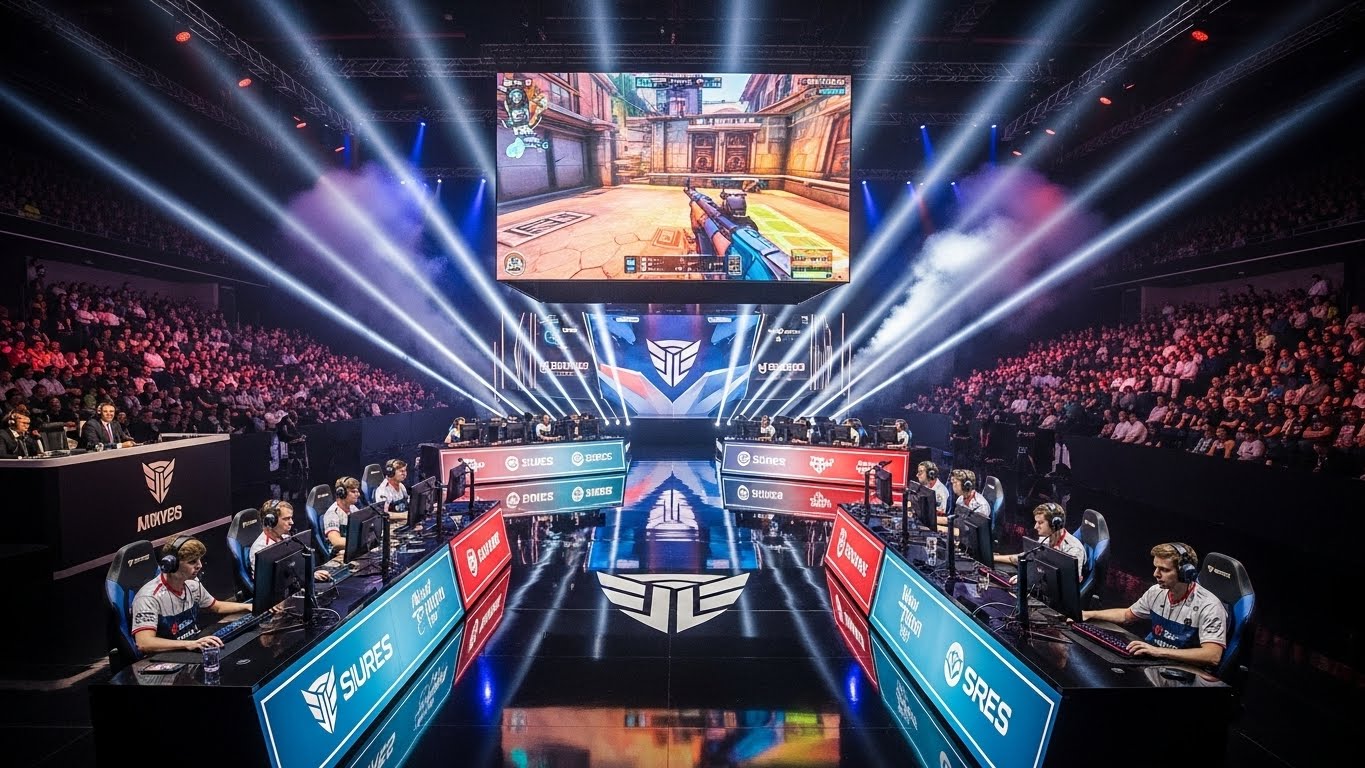
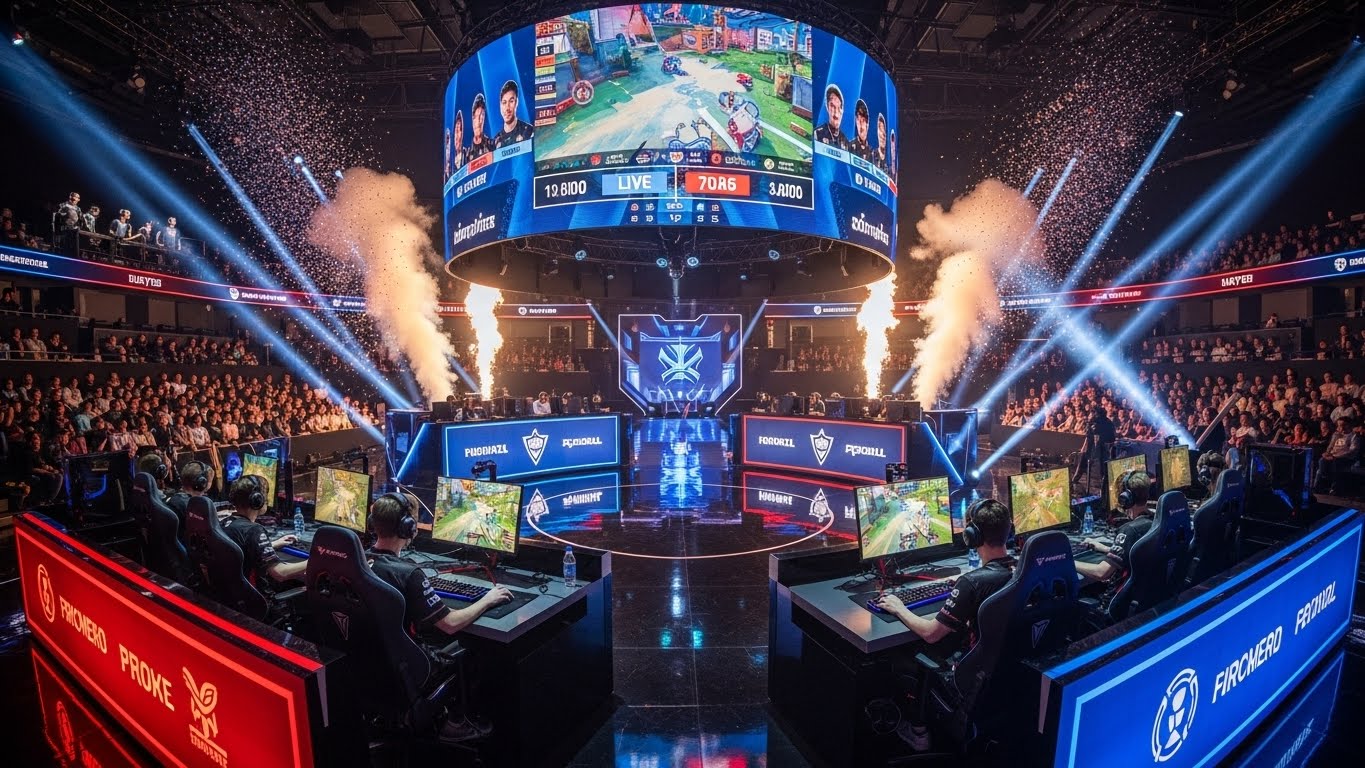
Esports, or electronic sports, has emerged as one of the most influential and rapidly growing industries in the modern world. What started as casual video game competitions among friends has evolved into a professional ecosystem attracting millions of players, fans, and investors globally. Today, esports rivals traditional sports in terms of viewership, sponsorships, and cultural significance. The rise of competitive gaming represents a shift in how people view entertainment, competition, and career opportunities. In this blog, we will explore the evolution of esports, its social and economic impact, the professional opportunities it creates, the role of technology, and the challenges and future of this digital revolution.
The Birth of Competitive Gaming
The origins of esports date back to the 1970s and 1980s when players competed for high scores in arcades. These early competitions were small-scale and informal, driven primarily by curiosity and the thrill of competition rather than professional ambition. With the advent of personal computers and home gaming consoles, competitive gaming began to expand. Multiplayer games allowed players to test their skills against each other locally and eventually online. This shift transformed gaming from a solitary pastime into a social activity, laying the foundation for organized esports competitions.
The Rise of Esports as a Global Phenomenon
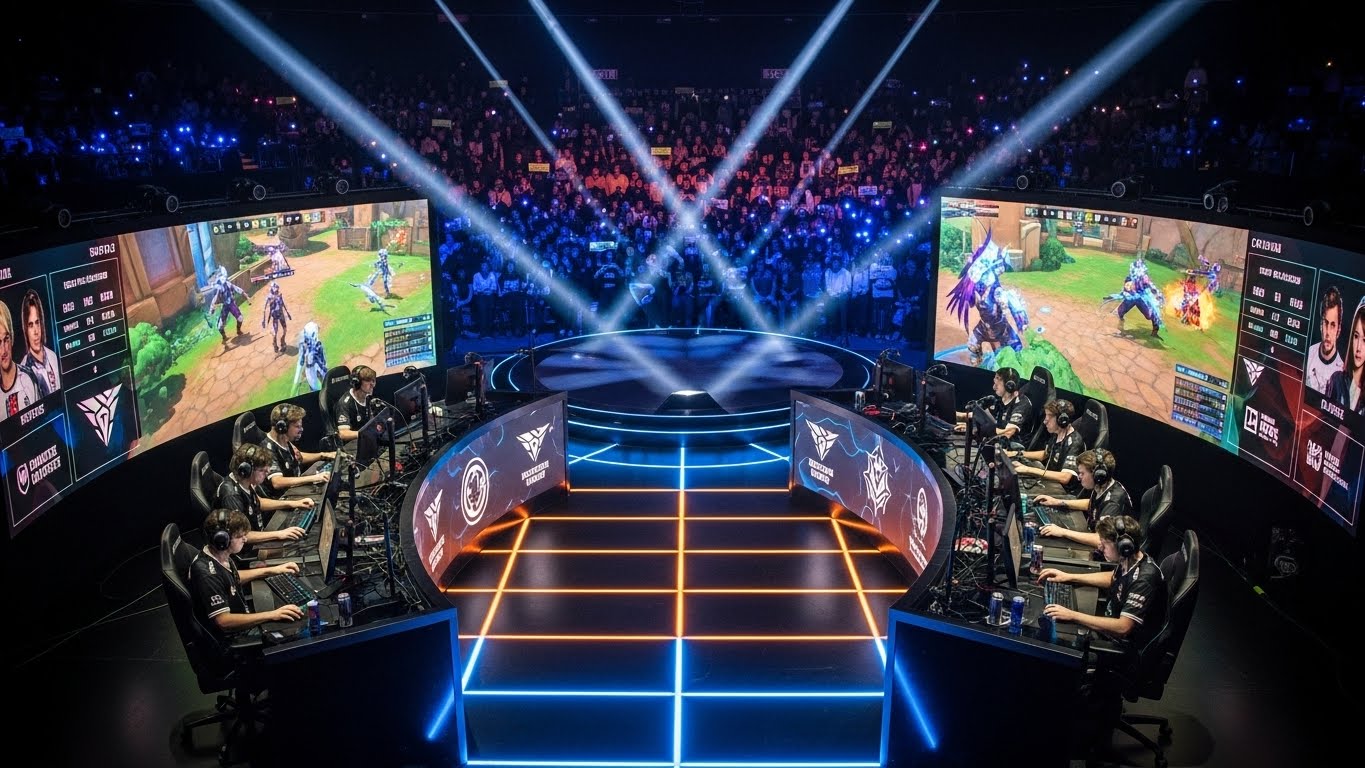
Esports evolved into a global phenomenon with the development of high-speed internet and online gaming platforms. Players could now compete with opponents from across the world, creating an international stage for skill and strategy. Popular titles such as StarCraft, Counter-Strike, League of Legends, and Dota 2 became central to competitive gaming, drawing large audiences and fostering professional teams. Streaming platforms revolutionized the way fans engaged with esports, offering live broadcasts, interactive commentary, and online communities. This accessibility transformed esports from a niche hobby into a mainstream form of entertainment.
Popular Genres and Games in Esports
Esports encompasses a wide range of genres, each requiring distinct skills and strategies. Multiplayer online battle arena games focus on teamwork, strategy, and coordination. First-person shooters emphasize reflexes, accuracy, and tactical awareness. Real-time strategy games test long-term planning and adaptability, while battle royale games highlight survival skills and situational decision-making. This diversity attracts players with different talents and interests, contributing to the inclusive and dynamic nature of the esports ecosystem.
Professional Players and Team Dynamics
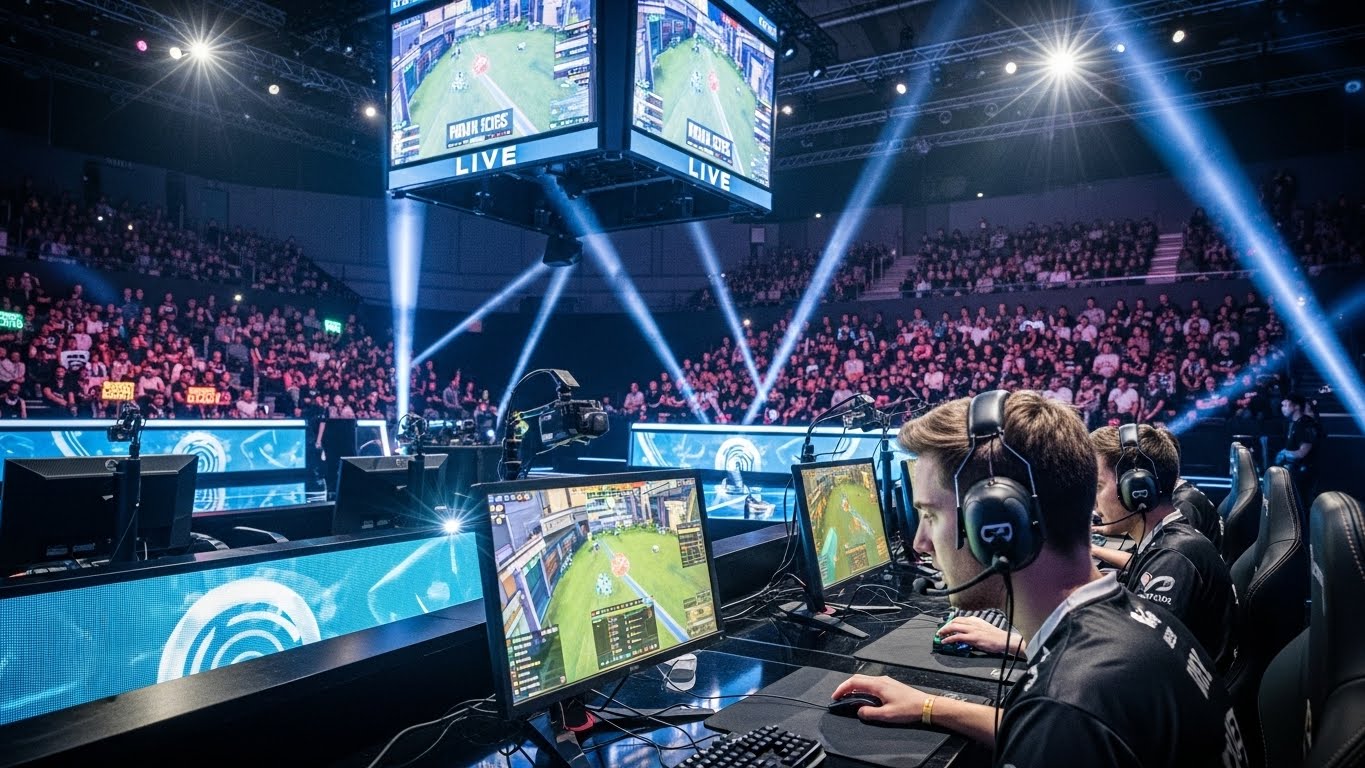
Professional esports players are elite competitors who dedicate hours to practice, strategy analysis, and teamwork. Unlike casual gamers, professional players follow rigorous training schedules that include reviewing gameplay, improving reaction times, and developing in-game strategies. Teams often employ coaches, analysts, and support staff to optimize performance and ensure player well-being. Team dynamics are crucial, as communication, trust, and coordination often determine success. The level of discipline and commitment required in esports rivals that of traditional sports, proving that competitive gaming is a serious professional pursuit.
Cognitive and Psychological Benefits
Esports places high demands on mental agility and decision-making. Players must quickly process complex information, make rapid strategic choices, and adapt to ever-changing scenarios. Competitive gaming strengthens problem-solving abilities, multitasking skills, memory retention, and hand-eye coordination. Mental resilience is equally important, as players face pressure from high-stakes competitions, public scrutiny, and intense rivalries. Learning to manage stress, cope with losses, and maintain focus enhances personal growth and equips players with valuable skills applicable beyond gaming.
Physical Health and Ergonomics in Esports
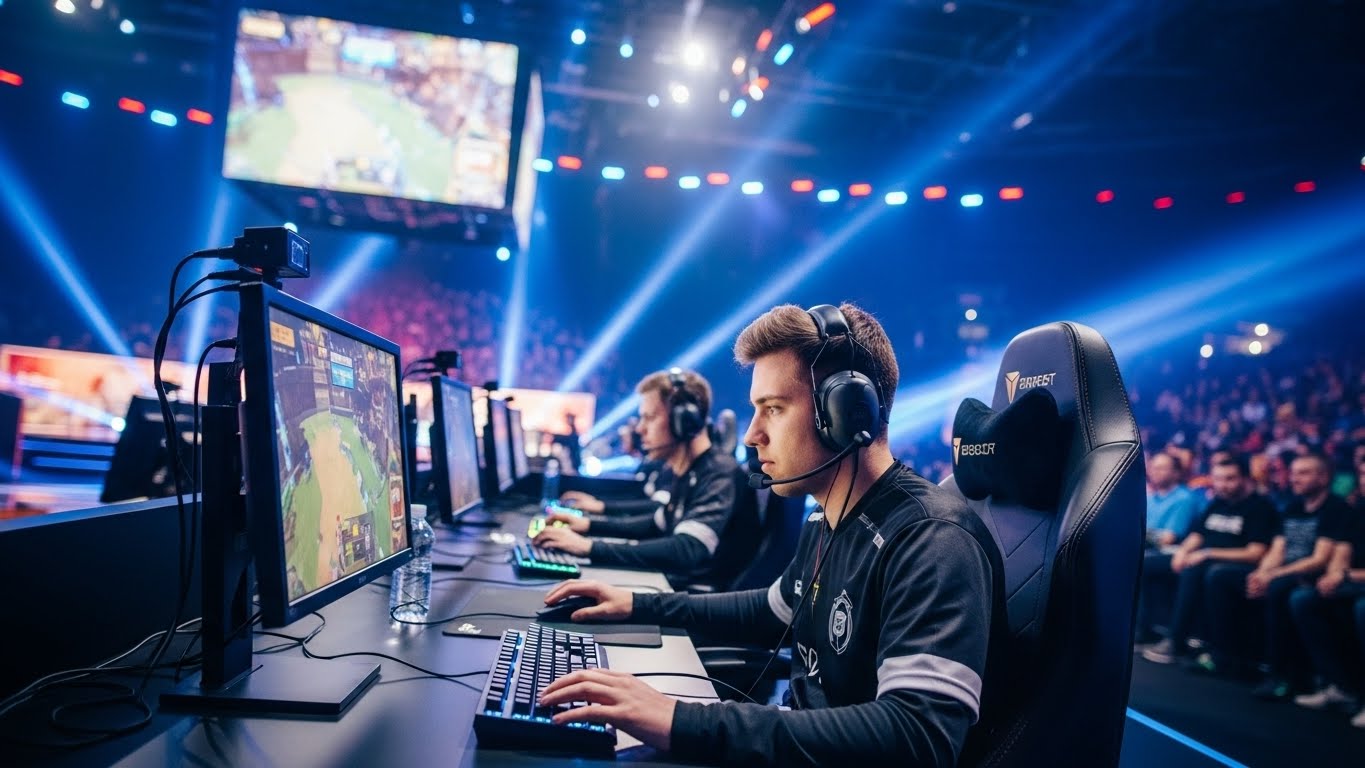
While esports may appear sedentary, physical health plays a crucial role in sustained performance. Long hours of gameplay can result in fatigue, repetitive strain injuries, and posture-related issues. Professional players follow exercise routines, stretching sessions, and maintain proper nutrition to stay physically and mentally fit. Ergonomic setups, including specialized chairs, keyboards, and monitors, help prevent injury and maintain comfort during practice sessions. The emphasis on physical well-being demonstrates that esports requires comprehensive preparation similar to traditional athletic training.
Community Building and Fan Engagement
Esports is more than competition; it is a platform for community and social engagement. Fans from around the world connect through live streams, online forums, and social media, forming communities united by their passion for gaming. These communities analyze gameplay, celebrate victories, and provide support for their favorite players and teams. Esports events create shared experiences that foster camaraderie, cultural exchange, and social interaction. This global sense of belonging makes esports a unique phenomenon where digital connection drives human engagement.
Economic Impact and Industry Growth
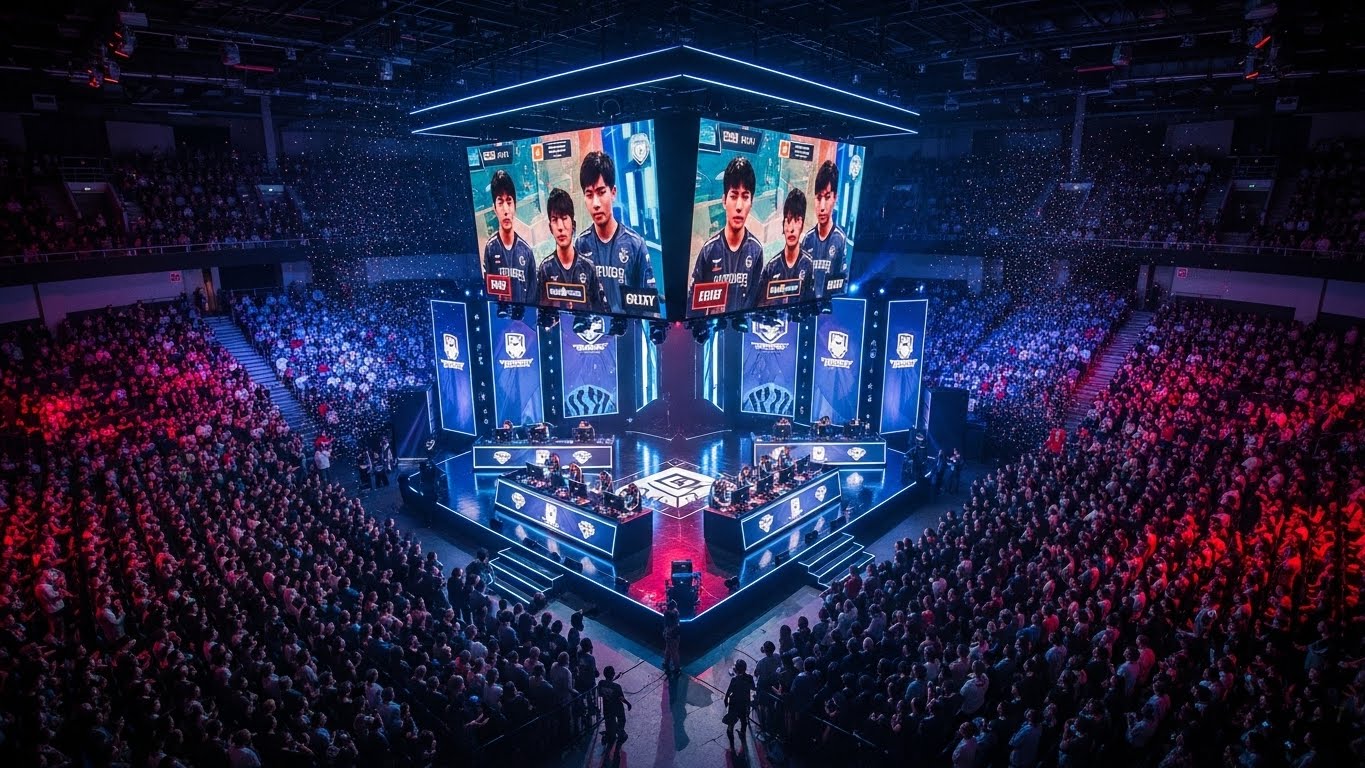
Esports has become a major economic force, generating revenue through tournament prize pools, sponsorships, merchandising, advertising, and media rights. Large-scale events draw millions of viewers worldwide and attract investment from global brands. The industry also creates jobs in coaching, event production, broadcasting, marketing, and technology development. Cities hosting esports tournaments benefit from tourism, hospitality, and local commerce. The economic influence of esports underscores its legitimacy as a sustainable and lucrative industry with far-reaching implications.
Education and Career Opportunities in Esports
Esports provides numerous educational and career pathways beyond professional play. Schools and universities increasingly recognize esports programs, offering students opportunities to develop skills in leadership, teamwork, communication, and critical thinking. Careers in esports extend to coaching, event management, content creation, broadcasting, marketing, and game development. Educational initiatives and scholarships highlight esports as a platform for both skill development and academic advancement, illustrating that gaming can serve as a bridge to future professional opportunities.
Promoting Inclusivity and Breaking Stereotypes
Esports is redefining inclusivity within competitive arenas. Players of different genders, nationalities, and abilities can compete on equal footing, as skill and dedication remain the primary determinants of success. Women’s leagues, mixed-gender tournaments, and adaptive gaming initiatives provide equitable opportunities for participation. Esports also challenges long-standing stereotypes that view gaming as unproductive or antisocial, proving that competitive gaming fosters discipline, teamwork, and personal growth. This cultural shift reflects a broader acceptance of digital talent and creativity as valuable skills in the modern era.
Challenges Facing the Esports Industry
Despite its growth, esports faces several ongoing challenges. Player burnout, mental health concerns, and career longevity remain critical issues due to the intense nature of competition. Cheating, toxic online behavior, and inconsistent regulation threaten the credibility of competitions. Public perception and media representation are also hurdles as esports seeks recognition comparable to traditional sports. Addressing these challenges requires support systems, regulation, and community management to ensure sustainable growth and player well-being.
The Future of Esports
The future of esports is filled with innovation and expansion. Emerging technologies such as virtual reality, augmented reality, and artificial intelligence will transform gameplay, training, and viewer experiences. Esports is expected to grow in regions previously untapped, creating new leagues, nurturing local talent, and attracting global audiences. Integration with mainstream entertainment and education will further legitimize esports as a professional and cultural phenomenon. As the industry evolves, esports will continue to redefine competition, social engagement, and digital entertainment.
Conclusion
Esports is no longer a niche pastime; it is a transformative force that has reshaped competition, entertainment, and career opportunities. It combines strategy, skill, teamwork, technology, and community in a way that transcends traditional boundaries. From the development of cognitive and social skills to economic growth and career prospects, esports impacts millions worldwide. While challenges remain, the potential for innovation, inclusivity, and global engagement ensures that esports will continue to thrive. As players, fans, and professionals engage with this evolving landscape, they are not just participating in games—they are part of a movement redefining the modern competitive world.