 championcircle20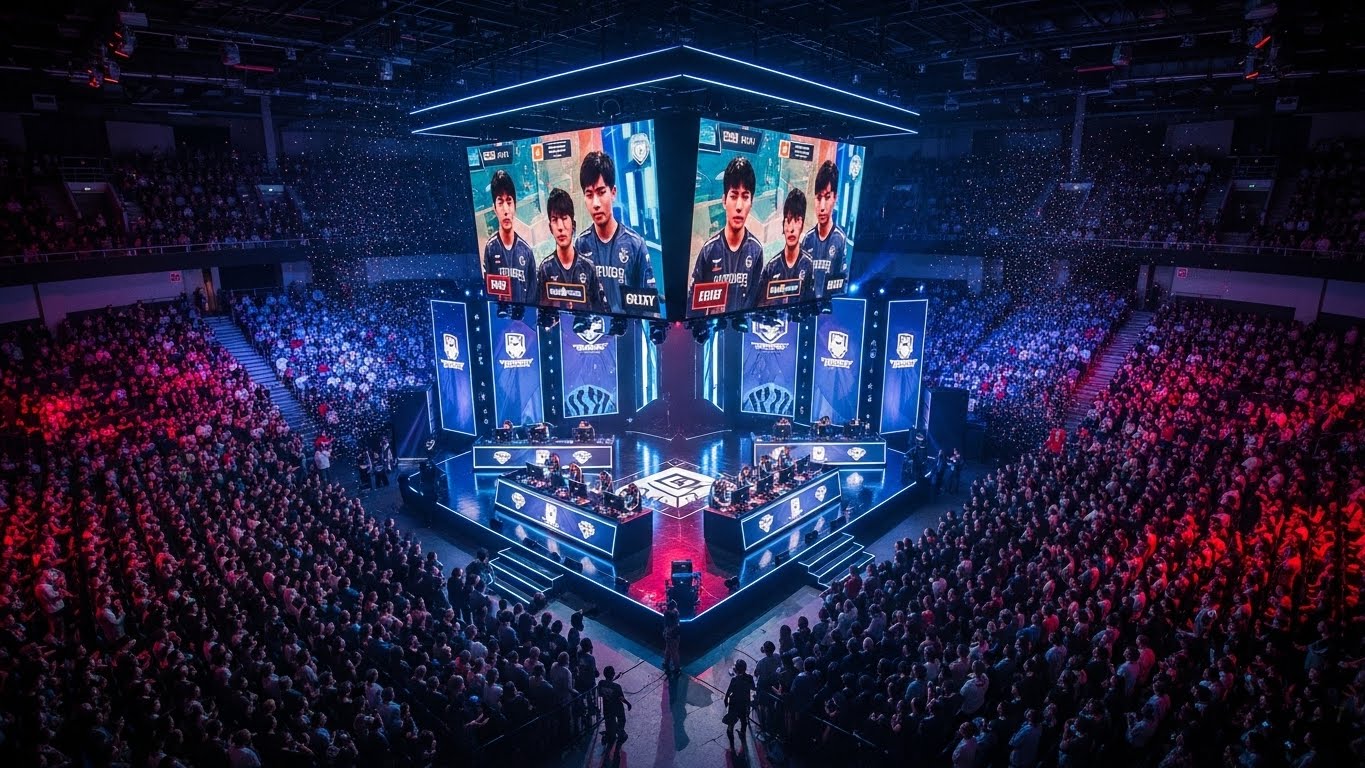
Leveling Up: How Esports is Transforming Entertainment, Competition, and Careers
Introduction: The Rise of Competitive Gaming
Esports has moved from the fringes of gaming culture to the forefront of global entertainment. What was once a hobby confined to arcades and living rooms has evolved into a multibillion-dollar industry with international tournaments, professional teams, and dedicated fan bases. Esports is not just a pastime; it has become a career path, a form of media, and a social phenomenon that transcends borders.
The growth of esports is a reflection of the digital age itself. With high-speed internet, advanced gaming technology, and social media, competitive gaming now attracts millions of viewers worldwide. From casual enthusiasts to hardcore fans, esports appeals to people of all ages, making it one of the fastest-growing entertainment sectors.
The Evolution of Esports: From Humble Beginnings to Global Spectacle
The origins of esports can be traced back to the late 20th century when players competed in arcade tournaments and early PC games. These competitions were small, often informal, and largely local. However, as online multiplayer games emerged in the 1990s and 2000s, competitive gaming began to expand on a global scale. Games such as StarCraft, Counter-Strike, and Warcraft paved the way for organized tournaments and international leagues.
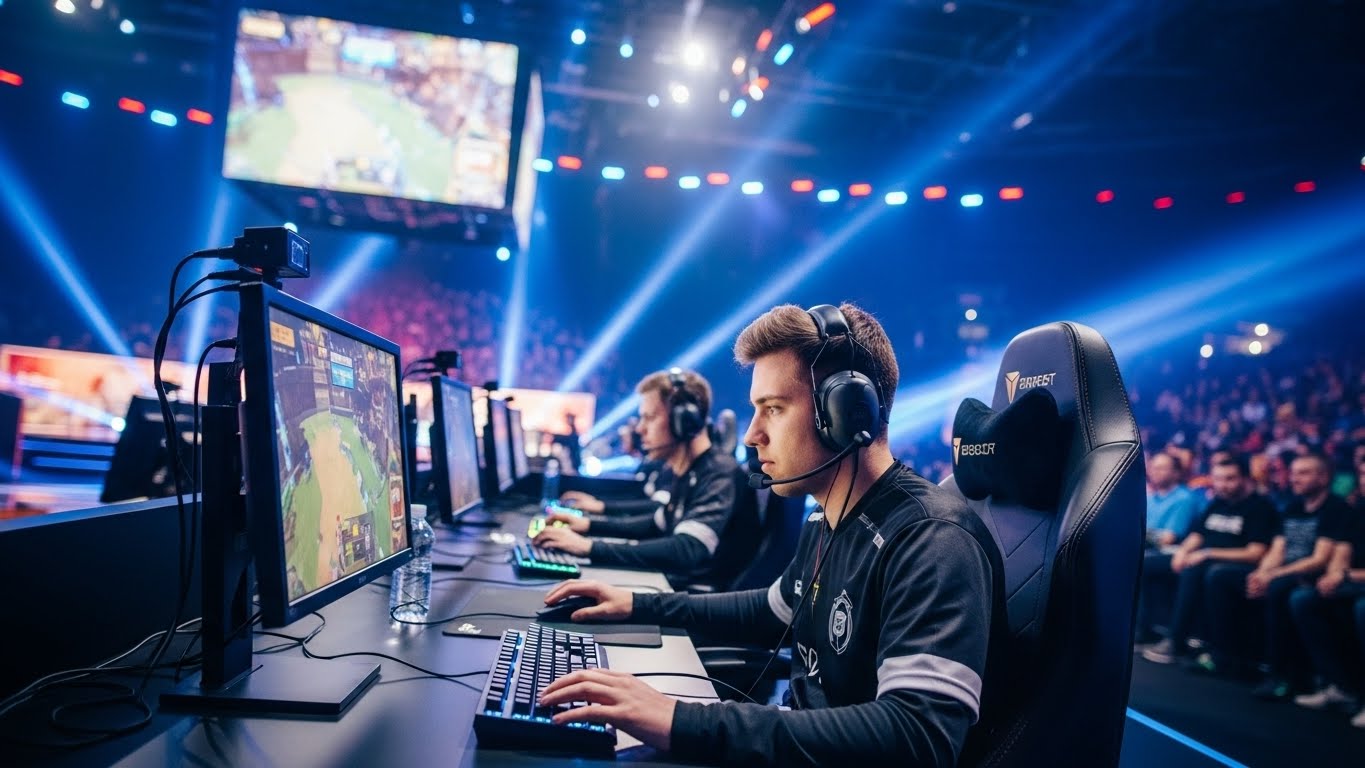
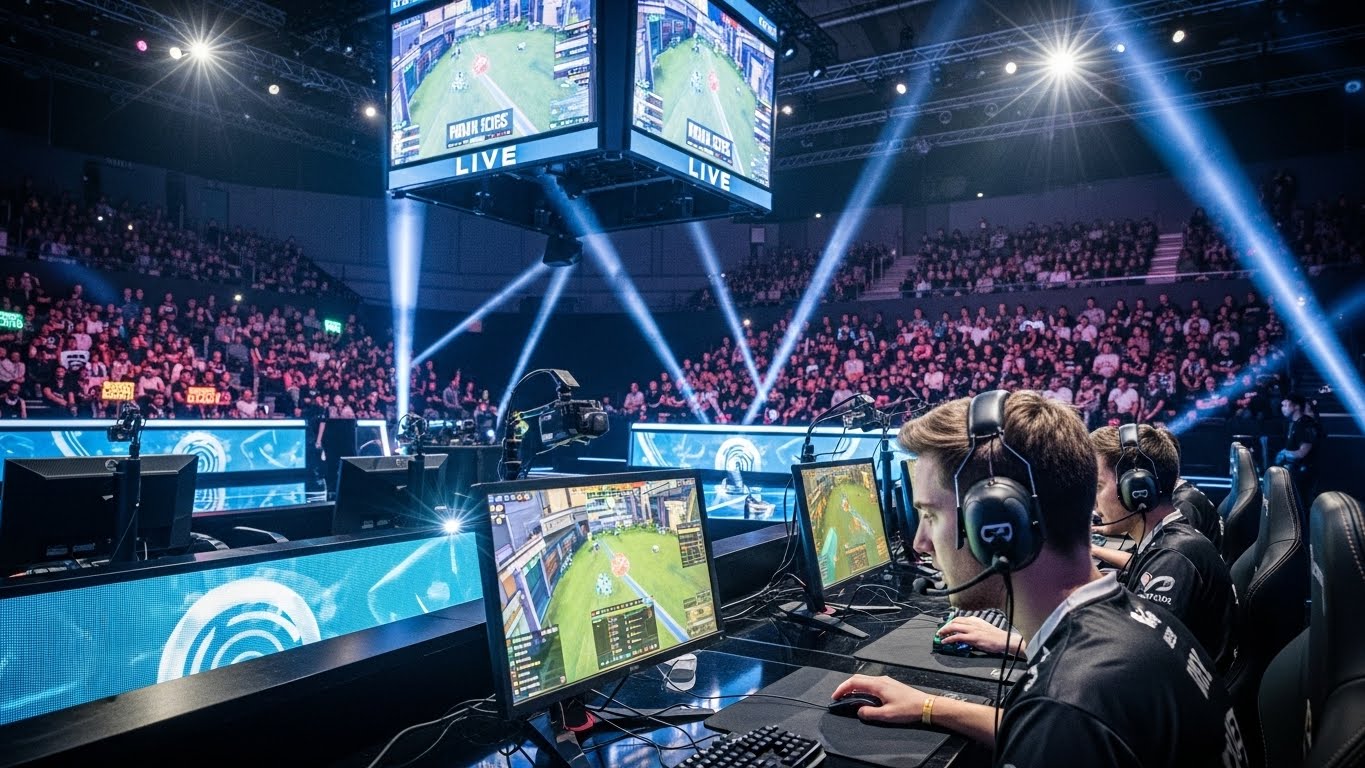
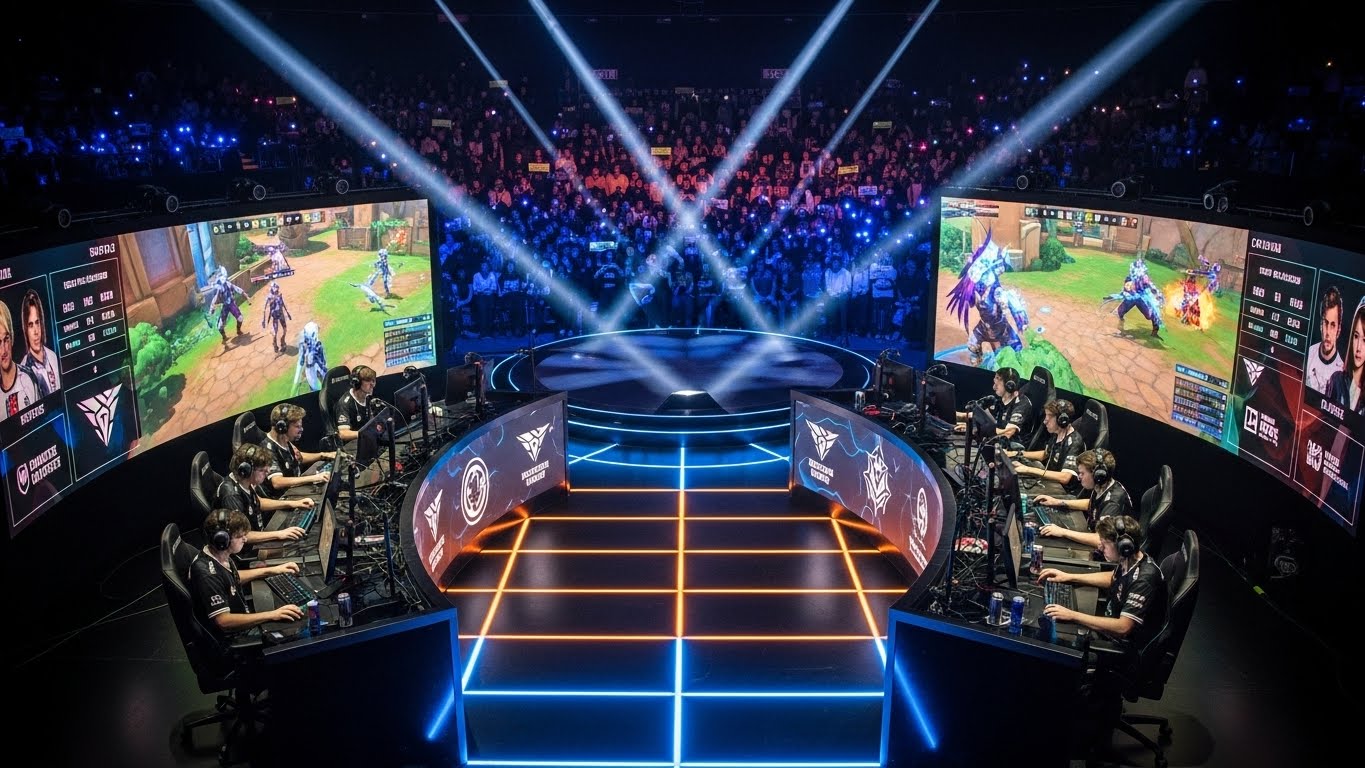
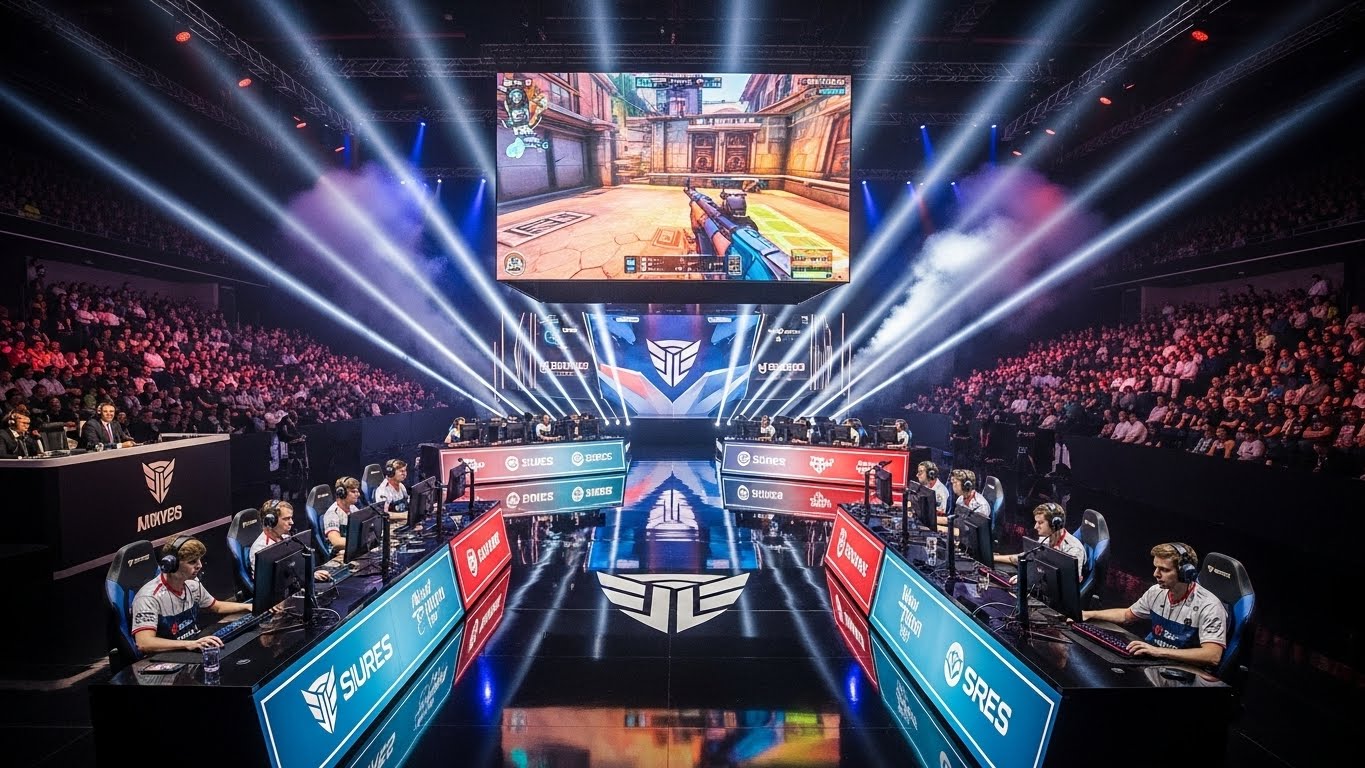
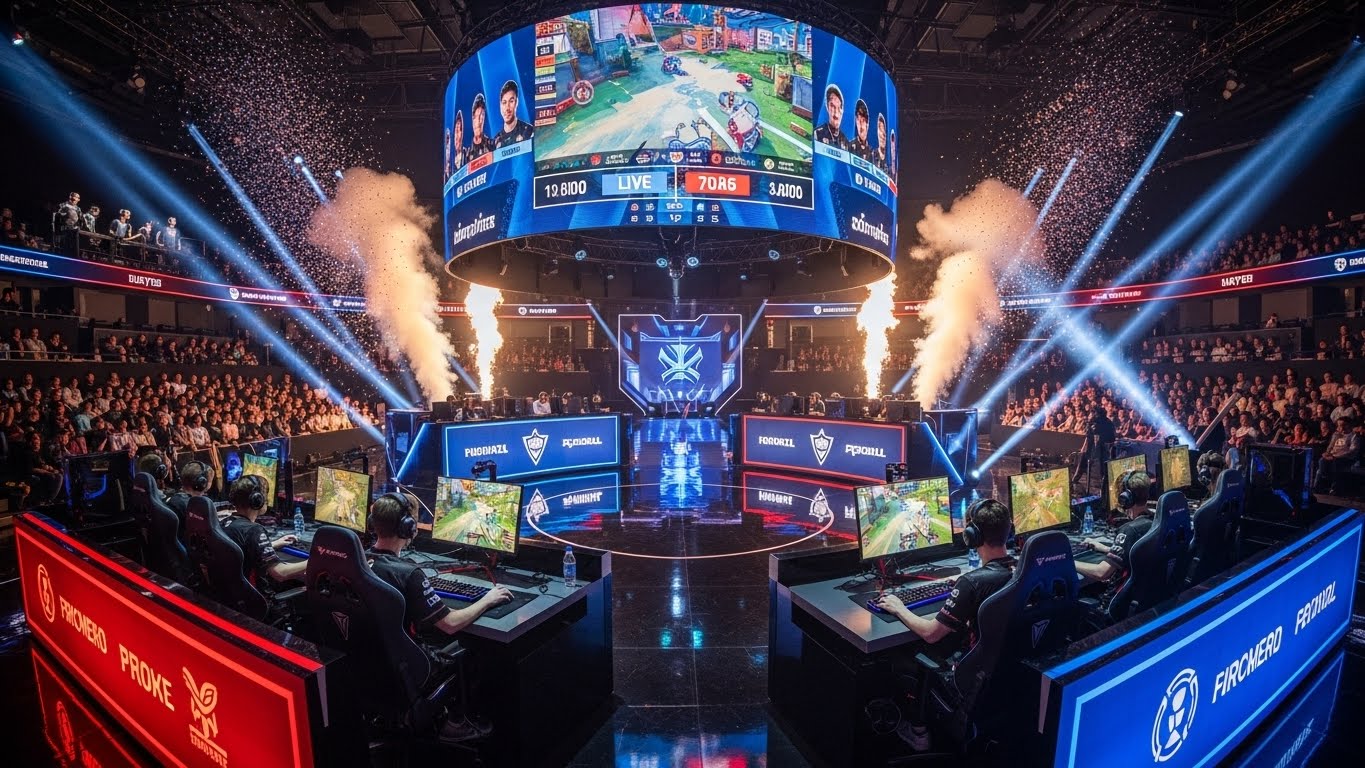
With the rise of streaming platforms and social media, esports transformed into a spectacle. Viewers could now watch live matches, interact with players, and follow events in real time. Today, esports tournaments fill arenas with cheering fans and attract millions of online viewers, rivaling traditional sports in scale and production value.
Understanding Esports: More Than Just Playing Games
Esports is commonly defined as organized, competitive video gaming, usually involving professional players or teams. While casual gaming is about fun and leisure, esports requires strategy, teamwork, and intensive practice. Success depends on skill, mental focus, and a deep understanding of the game’s mechanics.
Esports encompasses a variety of game genres, including first-person shooters, real-time strategy games, multiplayer online battle arenas, and sports simulations. Each game demands different skills, from precise reflexes and rapid decision-making to coordination and tactical planning. Regardless of genre, esports mirrors traditional sports in its emphasis on preparation, analysis, and performance under pressure.
The Global Appeal of Esports
One of the most remarkable aspects of esports is its global reach. Players and fans from different countries and cultures come together to compete and celebrate the game. International tournaments foster cultural exchange and provide a platform for diverse communities to interact.
Esports also impacts pop culture, particularly among younger generations. Professional players have become celebrities, influencing fashion, social media trends, and gaming culture. Esports fans often form communities where they share strategies, create content, and engage with their favorite players, further strengthening the sense of belonging and participation.
The Economics of Esports: A Booming Industry
Esports is not just a cultural phenomenon; it is an economic powerhouse. Revenue is generated through sponsorships, advertising, media rights, merchandise, and ticket sales. Companies from technology, fashion, and consumer goods sectors invest heavily in esports, recognizing its potential to reach young, engaged audiences.
Professional esports organizations operate as full-scale businesses. They employ managers, coaches, content creators, analysts, and marketing teams to ensure the success of players and teams. High-quality production, branding, and global reach make esports events attractive to sponsors and advertisers, further fueling industry growth.
Career Opportunities in Esports
While professional players are the most visible part of esports, the industry offers diverse career opportunities. Coaches develop strategies and train teams, analysts study gameplay to identify weaknesses and advantages, and content creators engage fans through videos, streams, and social media. Other roles include event management, marketing, broadcasting, and game development.
Esports careers require a blend of gaming expertise, technical skills, and creativity. The industry provides opportunities for people passionate about gaming but not necessarily interested in competing professionally. As esports continues to grow, these careers will become increasingly structured and respected.
Training and Discipline: The Life of a Pro Player
Professional esports players follow rigorous training schedules similar to traditional athletes. They practice for several hours daily, working on game mechanics, communication, strategy, and teamwork. Unlike casual gaming, esports requires discipline, consistency, and a focus on improvement.
Mental and physical well-being are critical. High-pressure matches, public scrutiny, and intense competition can lead to stress and burnout. To address this, professional teams now employ sports psychologists, nutritionists, and fitness coaches to maintain player health. Mental resilience is as important as technical skill in sustaining a successful esports career.
Esports in Education: Changing the Narrative
Educational institutions are beginning to recognize esports as a legitimate form of competition and skill development. Schools and universities have launched esports programs, offering scholarships, academic courses, and competitive opportunities. These programs teach teamwork, leadership, problem-solving, and digital literacy, highlighting the transferable skills gained through gaming.
By integrating esports into education, institutions challenge the outdated notion that gaming is a distraction. Students can now pursue academic and career opportunities while developing their passion for competitive gaming. This legitimization is crucial in changing perceptions among parents, educators, and society at large.
Inclusivity and Diversity in Esports
While esports has grown rapidly, challenges remain, particularly in terms of inclusivity and diversity. The industry has historically been male-dominated, and issues such as harassment and toxicity persist. Efforts are being made to encourage participation from underrepresented groups, including women, LGBTQ+ players, and individuals from developing regions.
Promoting diversity is essential for the long-term health of esports. Inclusive environments lead to a broader talent pool, stronger communities, and a more positive experience for players and fans alike. Organizations, developers, and communities must collaborate to create safer and more welcoming spaces.
The Future of Esports: Technology and Innovation
The future of esports is closely tied to technological innovation. Virtual reality, augmented reality, and advanced streaming technology promise to revolutionize how games are played and watched. Improvements in internet infrastructure and accessibility will bring competitive gaming to more regions and communities.
Esports may also increasingly intersect with traditional sports, entertainment, and media. Hybrid events, immersive experiences, and innovative formats could redefine competition and fan engagement. The continued integration of technology and creativity ensures that esports will remain dynamic and influential in the years to come.
Conclusion: Esports as a Cultural and Economic Force
Esports has evolved far beyond its humble beginnings, emerging as a cultural, economic, and professional force. It offers entertainment, career opportunities, and community while challenging traditional notions of sport and competition. The industry’s growth reflects broader changes in society, including digital connectivity, global interaction, and the rise of interactive media.
As esports continues to develop, it will influence how people compete, connect, and consume entertainment. The world of esports is a testament to the power of passion, innovation, and digital culture. It is no longer a niche hobby but a defining feature of modern entertainment, with endless potential for the future.