 championcircle20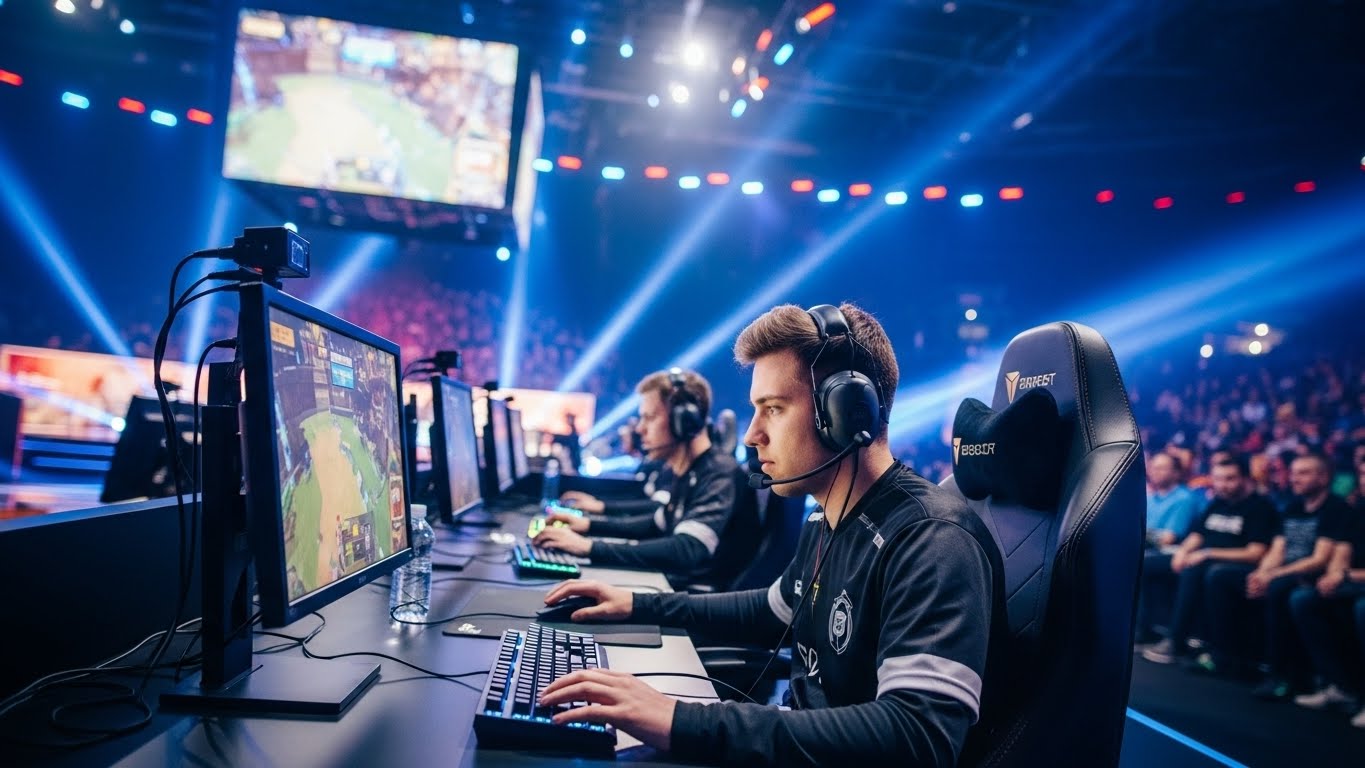
Introduction: The Digital Revolution of Sports
Esports has emerged as one of the most influential forms of competition in the modern era. What began as casual video game matches among friends has evolved into a global industry featuring professional athletes, massive audiences, and international tournaments. Esports is no longer confined to screens and consoles; it has become a cultural movement that blends technology, entertainment, and human ambition.
In a world increasingly shaped by digital experiences, esports reflects how competition adapts to new generations. It challenges traditional ideas of sports, proving that skill, discipline, and teamwork are not limited to physical fields. This blog explores the journey of esports, its structure, cultural impact, economic power, career opportunities, challenges, and future potential.
The Early Days of Esports: From Play to Competition
The story of esports begins with the rise of video games themselves. Early gaming competitions were informal, often taking place in arcades where players competed for high scores and local recognition. These events lacked structure but fostered a competitive spirit that laid the foundation for organized gaming.
As home consoles and personal computers became more accessible, competitive gaming expanded into local tournaments and community events. The introduction of internet connectivity marked a turning point, allowing players from different regions to compete in real time. This shift transformed gaming into a global competitive platform and set the stage for the professional esports ecosystem.
What Defines Esports: Skill, Strategy, and Structure
Esports is defined by organized, competitive gameplay governed by rules, formats, and professional standards. Unlike casual gaming, esports demands consistent training, deep game knowledge, and precise execution. Players must master mechanics, develop strategies, and adapt quickly to changing situations.
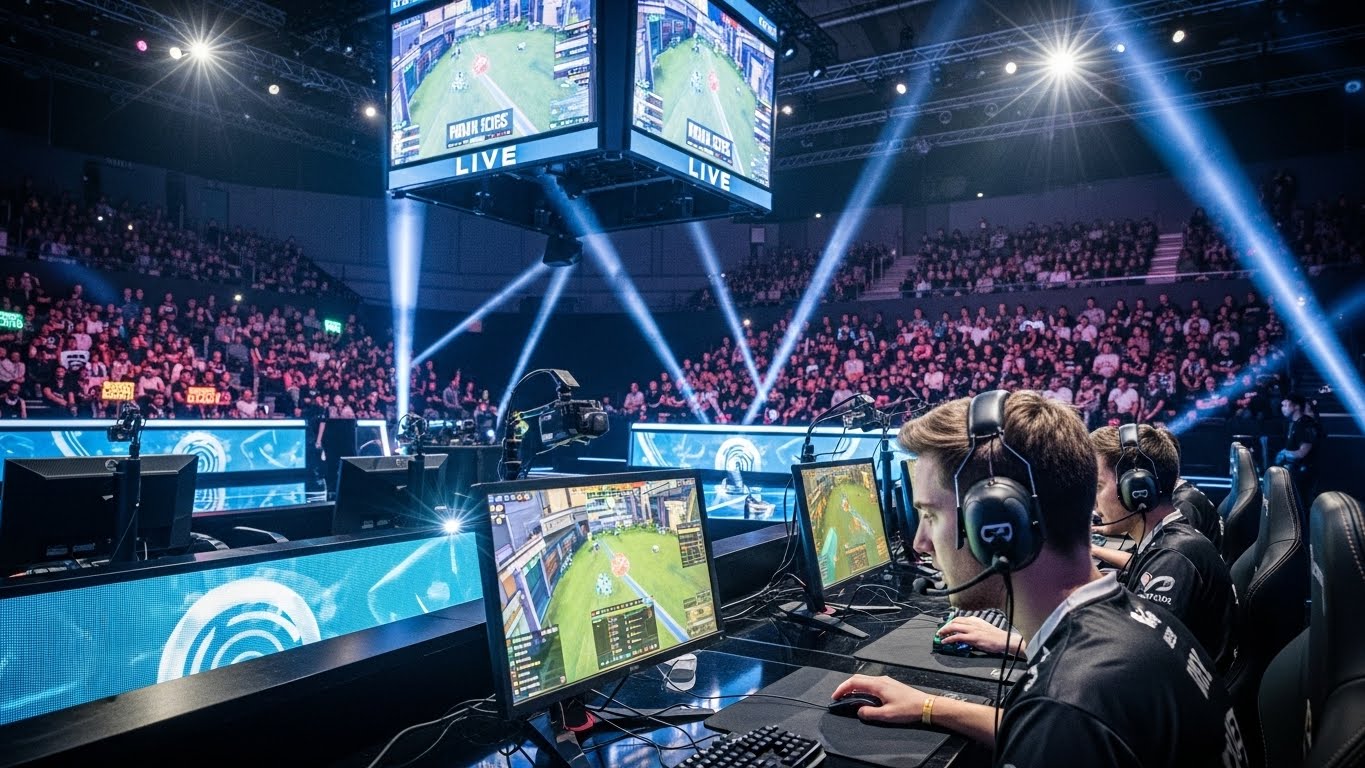
Team-based esports emphasize communication and coordination, while individual competitions rely heavily on reflexes and decision-making. Coaches, analysts, and support staff play vital roles, preparing players for competition and analyzing performance. This structured environment mirrors traditional sports, reinforcing esports as a legitimate form of competition.
The Global Reach of Esports
One of the most remarkable aspects of esports is its global accessibility. A player in one country can compete against opponents across the world with minimal barriers. This connectivity has allowed esports to grow rapidly and develop diverse international communities.
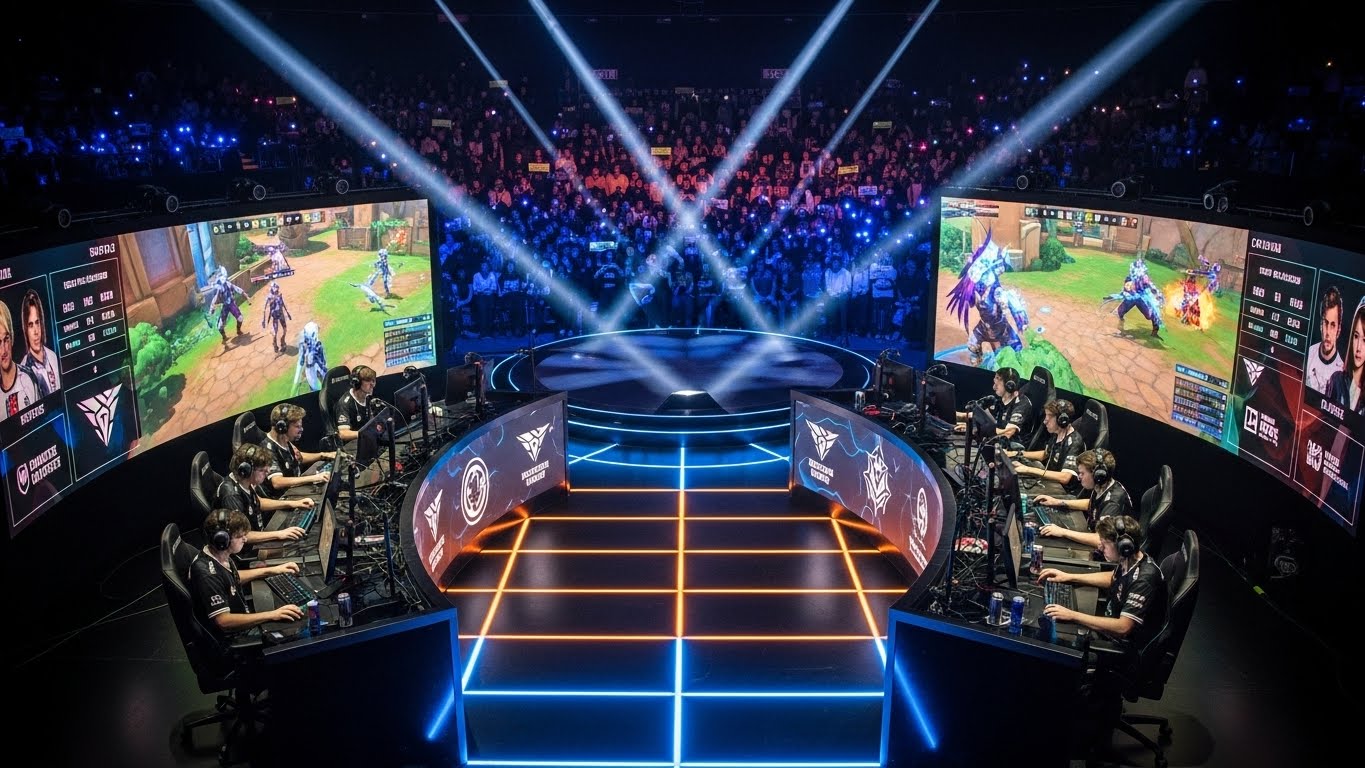
Global tournaments bring together players and fans from different cultures, fostering shared experiences and mutual respect. Esports transcends language and geography, uniting people through competition and passion. This worldwide appeal has made esports one of the most inclusive and far-reaching entertainment industries.
Esports as Entertainment and Spectacle
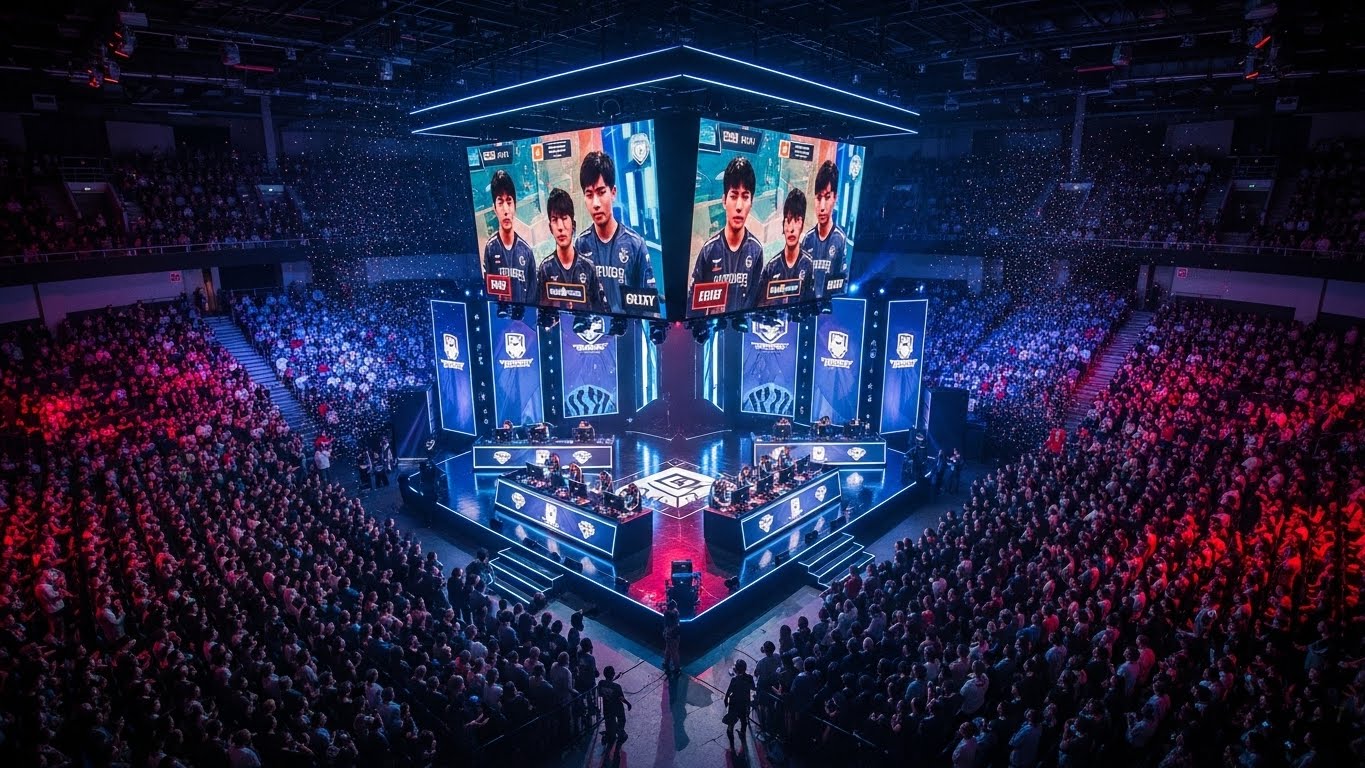
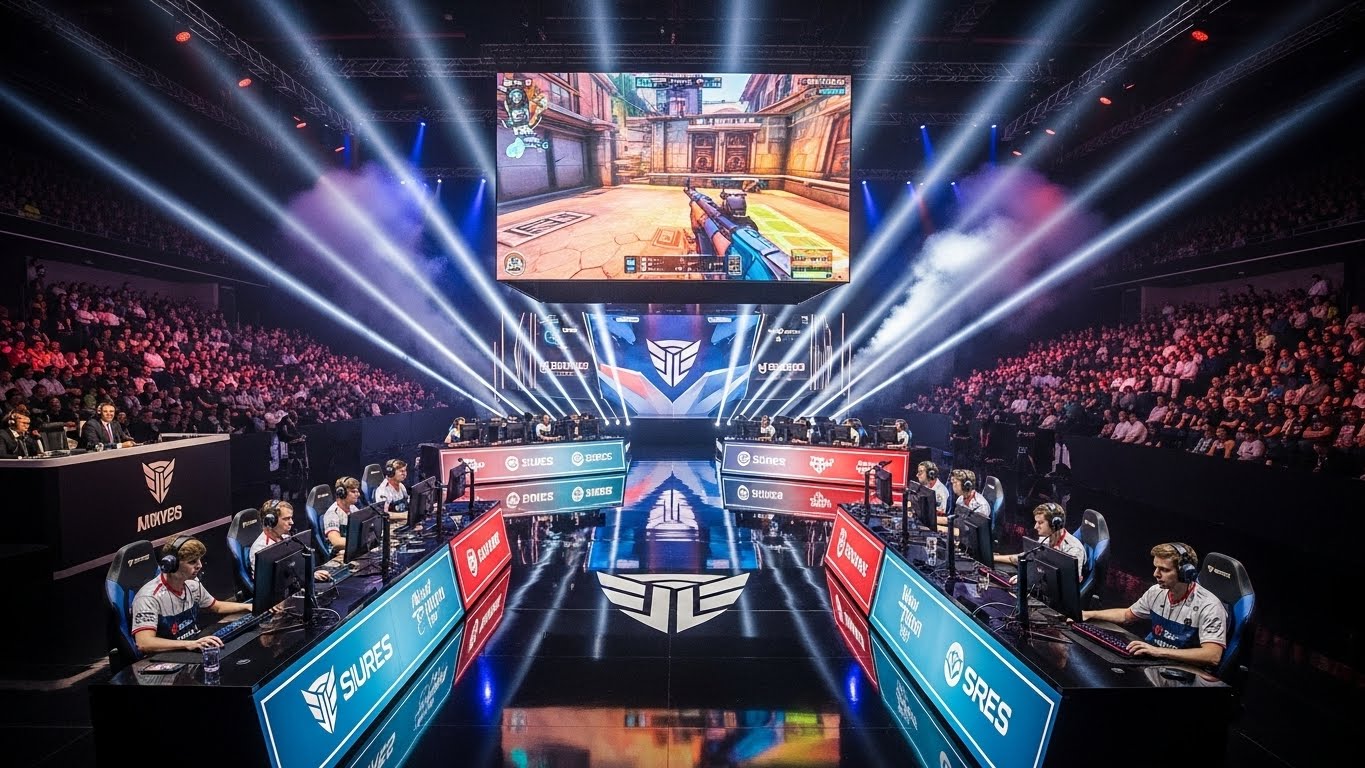
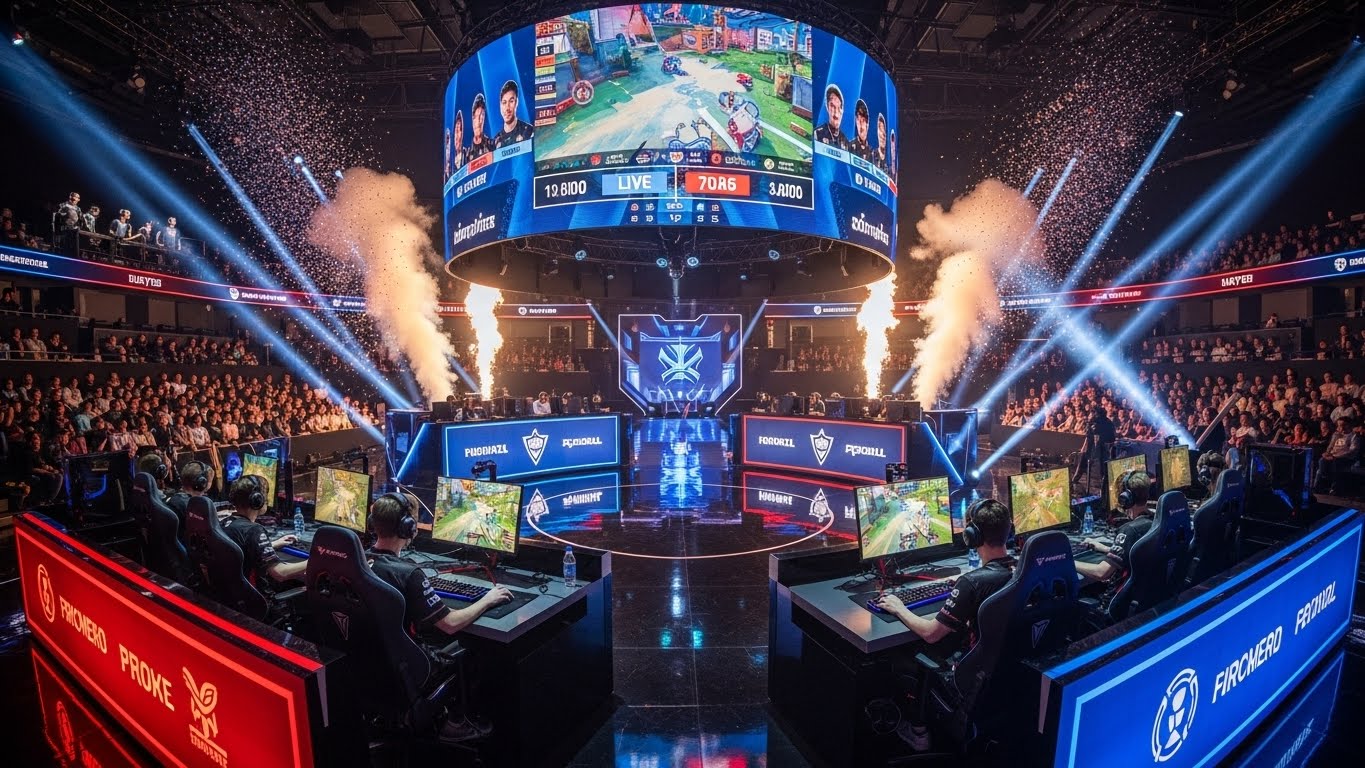
Esports has redefined how audiences engage with competitive events. High-quality broadcasts, expert commentary, immersive visuals, and real-time interaction have turned esports into a captivating spectacle. Fans do not just watch matches; they participate by discussing strategies, supporting teams, and engaging with players.
The digital nature of esports allows constant access to content, from live tournaments to behind-the-scenes training sessions. This level of engagement creates strong emotional connections between players and fans, contributing to esports’ rapid growth and popularity.
The Business and Economics of Esports
Behind the excitement lies a powerful economic ecosystem. Esports generates revenue through sponsorships, advertising, merchandise, ticket sales, and media partnerships. Major brands invest heavily in esports to connect with younger, digitally engaged audiences.
Professional esports organizations operate like traditional sports franchises, employing management teams, coaches, analysts, and creative staff. Tournament organizers invest in production quality, venues, and marketing. This business structure has transformed esports into a sustainable and competitive industry with long-term growth potential.
Life of a Professional Esports Player
Professional esports players follow demanding routines that rival those of traditional athletes. Daily schedules often include hours of practice, strategy discussions, review sessions, and physical conditioning. Success requires discipline, adaptability, and continuous improvement.
Mental resilience is especially important. High-pressure tournaments, public expectations, and constant competition can lead to stress and burnout. Many teams now prioritize player well-being, incorporating mental health support, structured schedules, and recovery time. Esports success depends on both skill and balance.
Career Opportunities Beyond Playing
While players are the most visible figures in esports, the industry offers a wide range of career paths. Coaches guide teams, analysts study gameplay data, broadcasters bring matches to life, and event managers organize tournaments. Marketing specialists, designers, and content creators help build team brands and fan engagement.
Technical roles such as software development, production, and data analysis are also essential. These careers allow individuals passionate about gaming to contribute without competing professionally. As esports continues to grow, these roles are becoming more specialized and respected.
Esports and Education: A New Learning Platform
Educational institutions are increasingly embracing esports as a tool for learning and development. Schools and universities have introduced esports programs that combine competition with academics. Students gain valuable skills such as teamwork, leadership, strategic thinking, and digital literacy.
These programs challenge outdated perceptions of gaming as unproductive. Esports demonstrates that gaming can be structured, educational, and career-oriented. By integrating esports into education, institutions prepare students for opportunities in technology, media, and management.
Diversity and Inclusion in Esports
Despite its global reach, esports faces challenges related to inclusivity and representation. Historically, certain groups have been underrepresented, and online toxicity has discouraged participation. However, growing awareness has led to initiatives promoting diversity, safe spaces, and equal opportunities.
Encouraging inclusion strengthens the esports ecosystem by expanding talent pools and perspectives. A more diverse community fosters creativity, innovation, and long-term sustainability. Building an inclusive esports culture is essential for its continued success.
Challenges Confronting the Esports Industry
Rapid growth brings significant challenges. Player burnout, inconsistent regulations, and lack of unified governance can create instability. The fast-paced evolution of games and technology also makes long-term planning difficult for teams and organizers.
Maintaining competitive integrity is another concern. Fair play, transparency, and ethical practices are crucial for esports’ credibility. Addressing these challenges requires collaboration among developers, organizations, players, and communities.
Technology as the Backbone of Esports
Technology drives every aspect of esports. High-performance hardware, reliable internet infrastructure, and advanced broadcasting tools enable smooth competition and global access. Data analytics and artificial intelligence help teams refine strategies and improve performance.
Emerging technologies such as virtual reality and augmented reality may further transform esports experiences. As technology evolves, it will continue to push the boundaries of competitive gaming and redefine how audiences engage with digital sports.
The Future of Esports
The future of esports is filled with opportunity and innovation. As audiences expand and acceptance grows, esports will become increasingly integrated into mainstream culture. Partnerships with traditional sports and entertainment industries may create hybrid experiences that attract new fans.
Esports also has the potential to inspire new forms of competition and creativity. With global accessibility and technological advancement, it is well-positioned to remain a defining feature of modern entertainment for years to come.
Conclusion: A New Definition of Sport
Esports represents a new era of competition where skill, strategy, and technology converge. From its humble beginnings to its current global influence, esports has proven that competition does not require physical stadiums to inspire passion and excellence.
As esports continues to evolve, it challenges traditional definitions of sports and expands opportunities for players, professionals, and fans worldwide. It builds communities, creates careers, and reflects the values of a digital generation. Esports is not just a trend; it is a powerful symbol of how competition, culture, and technology shape the future of entertainment.