 championcircle20
Introduction
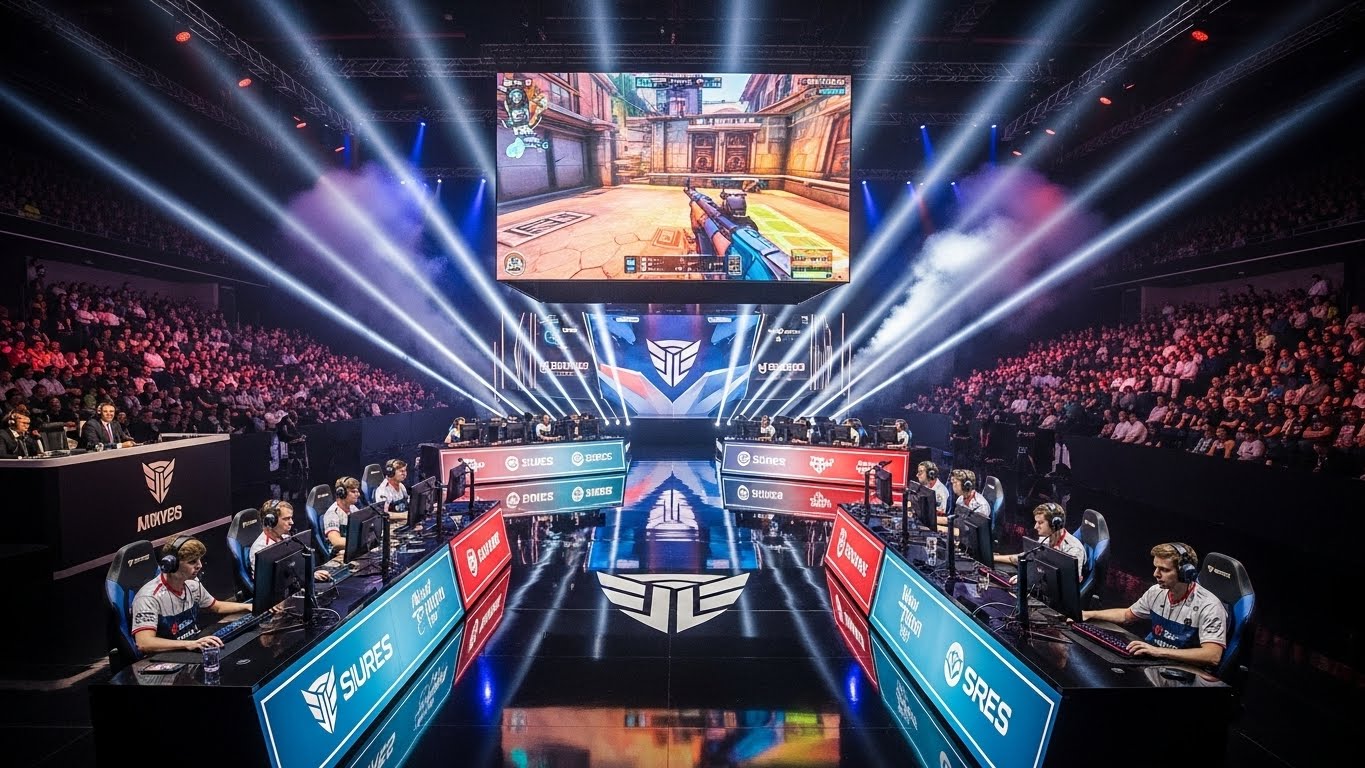
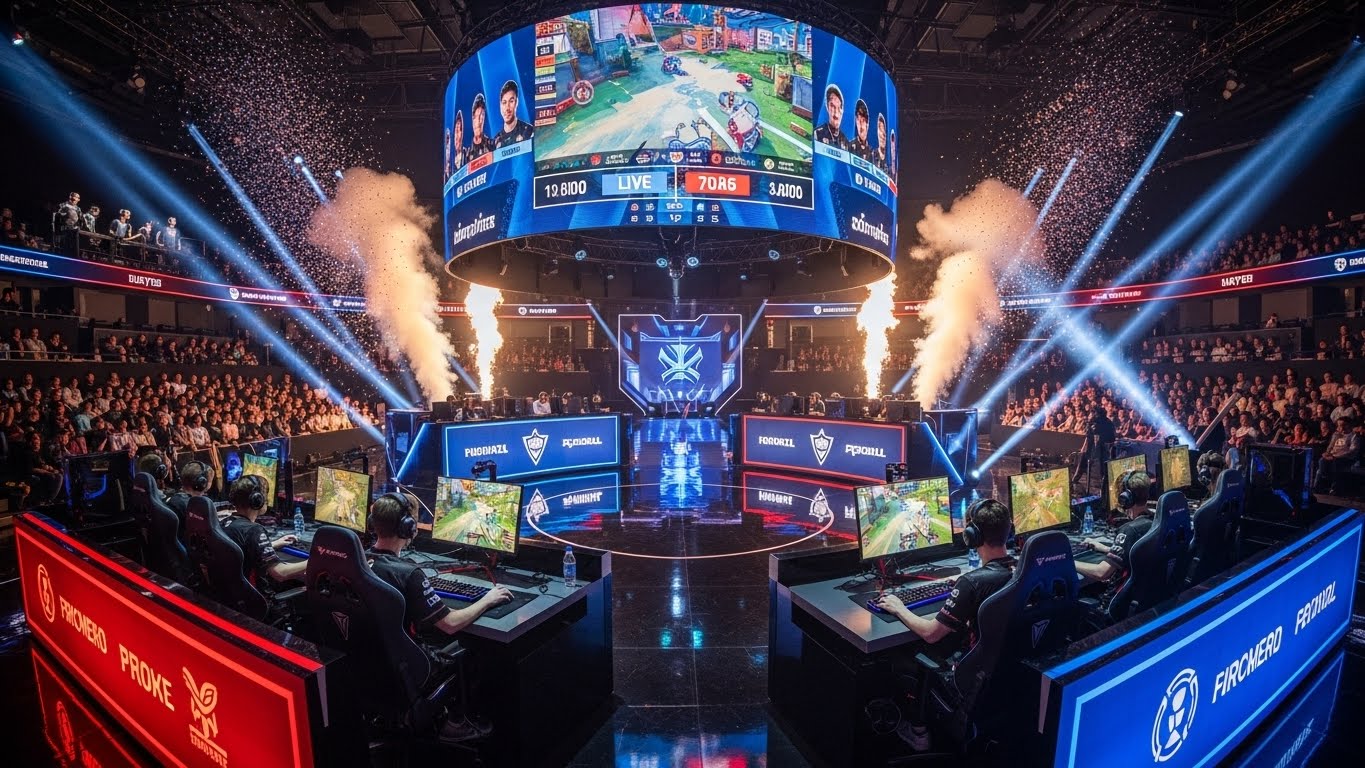
In recent years, what once seemed like niche hobby has exploded into a global phenomenon: esports. Competitive gaming isn’t just about two friends dueling over a console anymore. It’s a full‑blown industry, with professional teams, massive prize pools, global audiences, and serious investment. In this post I’ll explore the current state of esports, the innovations transforming it, the obstacles it faces, and where it might be headed.
What Is Esports — More Than Just Gaming
At its core, esports (electronic sports) refers to organized, competitive video gaming. But to think of it merely as game tournaments is to miss the depth. Esports encompasses:
-
Professional teams and athletes
-
Tournaments with structure and governance
-
Spectatorship (online streaming, live events)
-
Sponsorships, branding, and revenue streams
-
Training, psychology, health, analytics
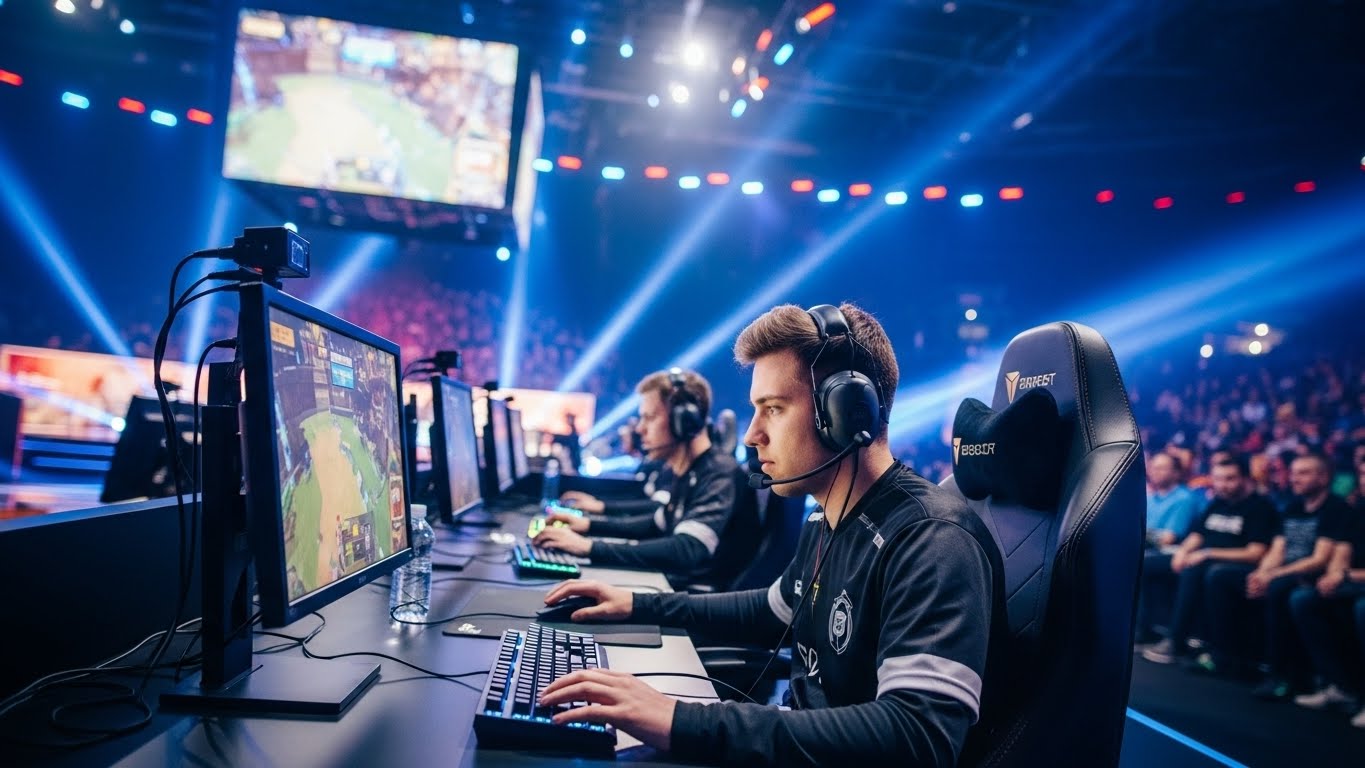
Unlike casual gaming, esports demands discipline, strategy, coordination, and peak reflexes. Top players often train many hours a day, treating the digital arena as seriously as traditional athletes treat soccer, basketball, or athletics.
The Growth Trajectory: From Basement to Mainstage
Over the past decade, esports has transitioned from LAN parties in basement rooms to sold‑out arenas and global broadcasts. Several factors contributed to this rapid growth:
-
Internet and Streaming Platforms
The rise of Twitch, YouTube Gaming, and similar platforms made watching live gameplay easy and accessible. Viewers could tune in from anywhere and interact via chat, creating a broadcast culture around e‑sports. -
Investment and Sponsorship
Brands realized the value in reaching younger audiences. Tech firms, energy drink companies, apparel brands, and even non-endemic brands began sponsoring teams, events, and leagues. This injected capital, enabling growth of infrastructure, prize pools, and professionalization. -
Global Reach
Gaming isn’t confined by geography. A player in South Asia can compete online with one in North America. This global reach helped esports break barriers and scale rapidly. -
Cultural Acceptance
As more people grew up playing video games, playing professionally gained legitimacy. Over time, societies began to accept that someone could make a career out of gaming, streaming, or coaching. -
Technological Improvements
High-speed internet, better hardware, advanced graphics, low-latency gaming environments — all of these technical improvements made high-level competitive gaming possible and enjoyable to watch.
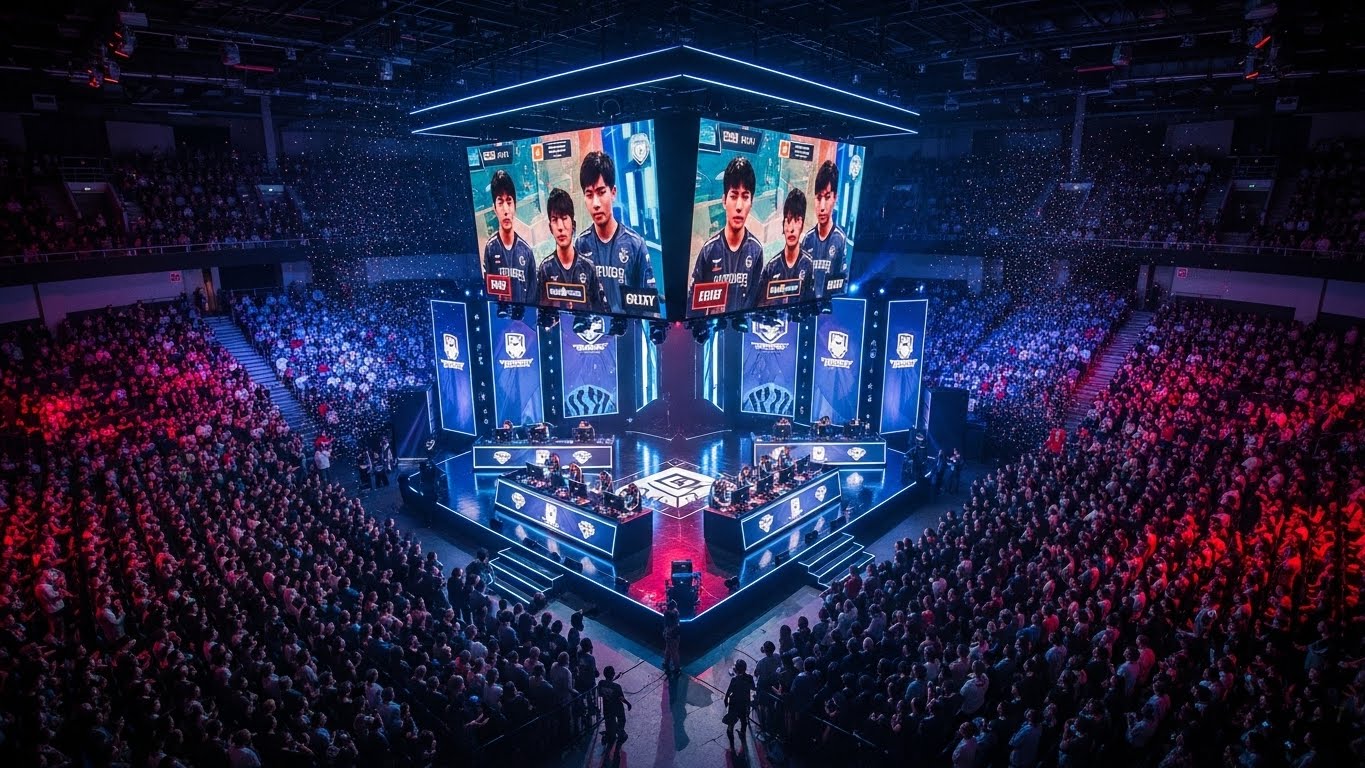
Because of these, international esports events now fill stadiums and draw tens of millions of viewers online.
Key Pillars of Esports Ecosystem
To understand how esports functions today and evolves tomorrow, it helps to break down its pillars:
-
Players and Teams
Professional gamers, often organized into teams, are the faces of the ecosystem. They train, strategize, analyze opponents, and constantly adapt to evolving game meta (i.e. which strategies, champions, or loadouts are strongest). -
Leagues and Tournaments
Multi-stage tournaments, league systems, qualifiers, regional events and world championships structure competition. These bring regularity, narrative arcs (storylines, rivalries), and legitimacy. -
Broadcasting and Streaming
The way matches are delivered to audiences — via live streaming, commentary, overlays, camera replays — is crucial. Production value can make or break viewer experience. -
Monetization & Revenue Streams
These include sponsorships, media rights, merchandise, digital goods, tickets, advertising, brand partnerships, and increasingly new models like NFTs or blockchain-based fan engagement. -
Analytics, Coaching & Support Staff
Teams rely on data (performance metrics, game telemetry), coaches, psychologists, managers, physical trainers, nutritionists, and analysts to sharpen performance. -
Community & Content Ecosystem
Beyond matches, content creators, influencers, community tournaments, fan engagement, social media — they all bolster excitement, loyalty, and cultural depth. -
Regulation, Governance & Ethics
Rules to prevent cheating, match-fixing, doping, gambling abuse, player contracts, fair play — they ensure integrity. As the industry grows, demands for robust governance increase.
Emerging Trends Shaping the Future
As esports matures, new trends are shaping its direction. Here are some major ones to watch:
AI & Analytics in Esports
Artificial intelligence is becoming pivotal. Organizers use AI to optimize broadcast experience, match pacing, and highlight detection. Teams and coaches use analytics to scout opponents, predict strategies, and refine gameplay. Some research shows models trained on game telemetry and patch data can predict events like kill counts reliably, making analytics more robust across game updates.
Because esports games frequently have patches and updates, analytics models must adapt. A good model needs to be patch‑agnostic (i.e. resilient across game changes) so it remains useful beyond a single meta.
Also, sensors and biometric data (heart rate, reaction time, mouse and keyboard dynamics) are used in training and performance prediction. These inputs feed AI to help understand player fatigue, focus, and optimal patterns.
Creator-Driven Teams & Branding
Instead of top-down orgs assembling teams, we’re seeing more creator-backed teams. Streamers, influencers, or gaming personalities are launching squads under their personal brand. This blends entertainment with competitive play. Fans follow the personalities as much as performance.
This shift changes sponsorship: brands want to partner not just with good teams, but with engaging personalities who already have loyal audiences.
Regionalization & Local Leagues
While global tournaments remain prestigious, local and regional leagues are gaining importance. They provide a path for new talent to shine and build community support. Localizing content (language, culture, commentary) improves fan connection.
Metaverse & Virtual Esports Venues
With immersive virtual reality (VR) and augmented reality (AR), the concept of attending an esports event could go digital. Fans might walk virtual stadiums, interact with 3D holograms of players, or see live stat overlays around them. Virtual training grounds or esports arenas inside metaverse environments are becoming part of vision roadmaps.
Monetization Experimentation
Traditional monetization (sponsorship, ads, ticketing) is stable, but new models are emerging:
-
Digital merchandise & skins: Teams can sell branded in-game items or cosmetics.
-
Fan tokens / NFTs: Fans can own blockchain-based items tied to teams or events.
-
Subscription & membership models: Exclusive content, behind-the-scenes, coaching insights.
-
Dynamic in-stream purchases: Buying perks or engagement tools live during broadcasts.
-
Gambling & betting sponsorships: As esports betting becomes regulated in some regions, leagues may open up sponsorships — though this introduces ethical concerns.
Notably, Riot Games recently reversed its stance and allowed sports betting sponsorships in its leagues in certain regions to open new revenue channels. This move is controversial — it adds money, but also risk.
Professionalization & Player Welfare
Esports leagues are becoming more organized and structured, akin to traditional sports. This includes:
-
Uniform contracts and standard clauses
-
Health, wellness, and medical support systems
-
Retirement planning, mental health, physical training
-
League governance bodies, transparency, clear dispute resolution
As tournaments fill big arenas and large audiences, expectations for league professionalism rise.
Challenges & Friction Points
Despite the excitement and growth, esports faces serious challenges.
Player Health & Burnout
Gamers may train 10–12 hours daily. Eye strain, wrist injuries, neck/back pain, repetitive stress injuries, and mental fatigue are common. Many players suffer silently — a study found high percentages of eye fatigue, wrist pain, and bodily discomfort among gamers, yet few seek help.
The industry needs ergonomics, scheduled rest, mental health support, and physical conditioning programs built in.
Ethical Risks: Gambling, Match-Fixing, Skin Betting
As wagering enters esports, concerns rise over integrity. “Skin gambling” (betting using in-game cosmetic items) has had dark episodes among minors, and unregulated markets. When real money is at stake, the risk of match-fixing and corruption increases.
Contracts and governance must guard against abuse, and leagues need strict oversight, auditing, transparent results, and heavy penalties for violations.
Over-Saturation & Audience Fatigue
Too many tournaments, especially lower-tier ones, can oversaturate the market. Fans might get fatigue when every week is an event. Balancing quality vs frequency is critical.
Dependence on Publishers & Patch Changes
Unlike traditional sports, esports are dependent on game publishers. Game balance patches, nerfs, buffs, meta shifts can significantly change competitive dynamics overnight — making some strategies obsolete, invalidating prior work, or destabilizing analytics models.
Teams must constantly adapt. Analytics tools need to be robust across patches. Some recent research addresses how to make models that generalize across patch changes in games.
Revenue & Sustainability
Not every team becomes a millionaire enterprise. Many struggle to sustain operations, especially in regions with limited sponsorship or small markets. Prize money, sponsorship, media rights must grow, but revenue models must also decentralize — putting support into grassroots levels, smaller regions, and community growth.
Governance & Standardization
Contracts, player rights, anti‑doping policies, arbitration, league rules vary widely. As the industry matures, standardization and governance bodies (independent oversight) will be crucial to maintain integrity and fairness.
Case Study: Esports World Cup & Valorant Integration
An example of scale and integration is the Esports World Cup. In 2025, Valorant was added as an event. Sixteen teams competed in Riyadh from July 8 to 13. The tournament used a group stage to bracket structure, organized by the Esports World Cup Foundation with Riot Games sanctioning it. The champion was Team Heretics, the runner-up Fnatic, and MVP was Mert “Wo0t” Alkan.
This demonstrates synergy between a publisher and global tournament organizers — marrying a major esport title into a multi-title event.
Such events help show how esports can consolidate multiple games, expand audience, and attract more investment.
Esports in Multi‑Sport Events & Mainstream Inclusion
Esports is gradually being included in broader sporting platforms. For example, esports has been approved as a medal event in the 2026 Asian Games, with 13 video game titles across 11 events slated to participate.
In addition, global bodies like the International Olympic Committee are exploring “Olympic Esports Games,” aiming to bring legitimacy, cross-sport integration, and wider recognition.
In inclusion in multi-sport events, esports must align with values like fair play, anti-doping, gender parity, accessibility, and youth engagement.
Vision 2030: Where Esports Might Be Going
Looking ahead, here’s a possible vision of how esports might evolve in the next 5‑10 years.
More Immersive Spectatorship
Virtual stadiums, AR overlays, mixed reality broadcasts could let fans feel closer to the action. Crowd participation features (voting, interactive stats) could make viewing more engaging.
Hybrid Events & Decentralized Formats
Some events might straddle online and offline formats. Regional qualifiers may be online; finals may be in physical arenas. Mixed formats help with logistics and audience reach.
Democratization Through Grassroots & Local Scenes
As costs fall and infrastructure spreads, more local leagues, college-level esports, and community tournaments will serve as talent pipelines. Inclusivity across gender, geography, and socioeconomic status might broaden the player base.
Smarter Monetization Tools
Blockchain, fan tokens, microtransactions, dynamic content licenses, fan subscriptions may mature into reliable income sources. But ethical frameworks and regulation will be necessary to avoid exploitation.
Enhanced Player Support Systems
Medical teams, mental health professionals, physical fitness coaches, performance scientists will become standard in top-tier organizations. Esports coaches will evolve like traditional sports coaches.
Crossovers with Traditional Sports & Entertainment
Collaborations between traditional sports clubs and esports teams will become more common. Celebrity exhibition matches, cross-brand sponsorships, entertainment integrations (music, film) will deepen cultural impact.
Governance & Regulation
To sustain credibility, independent regulatory bodies or esports federations may form, standardizing rules, player rights, integrity checks, anti-doping, contract norms.
How Aspiring Players, Organizers & Fans Can Position Themselves
If you are someone interested in entering the esports scene — as a player, organizer, content creator, or fan — here are suggestions:
-
Focus on fundamentals: mechanics, communication, teamwork, game knowledge.
-
Stay adaptable: metas change, patch after patch. Don’t get locked into one style.
-
Build your personal brand: stream, create content, engage communities.
-
Network & learn: connect with coaches, trainers, data analysts, other players.
-
Manage health seriously: schedule breaks, physical exercise, eye care, mental rest.
-
Understand the business side: sponsorship, contracts, revenue models.
-
Pick your niche wisely: maybe in regions or games underserved.
-
Develop analytic skills: data literacy, replay analysis, pattern detection.
For organizers and event planners:
-
Balance quantity and quality: fewer high-impact events rather than dozens of low-value ones.
-
Invest in production & viewer experience: overlays, commentary, graphics matter.
-
Ensure integrity & transparency: rules, referees, anti-cheat systems.
-
Support grassroots: build bottom-up ecosystems.
-
Form partnerships: with local governments, educational institutions, sponsors.
-
Innovate monetization carefully: test models, but guard fairness and accessibility.
Closing Thoughts
Esports is no longer just a fringe interest. It’s transforming into a mature, multi‑billion-dollar industry that blends technology, entertainment, competition, and community. But it is still young, with growing pains and uncertainties ahead.
The next phase will demand balance: between monetization and ethics, between innovation and stability, between global scale and local roots. Those who succeed will build systems — not just teams — that elevate players, entertain fans, and ensure longevity.
Whether you’re a gamer, fan, or industry aspirant, now is a thrilling time to be part of esports. The digital arena is expanding, and its story is still being written.