 championcircle20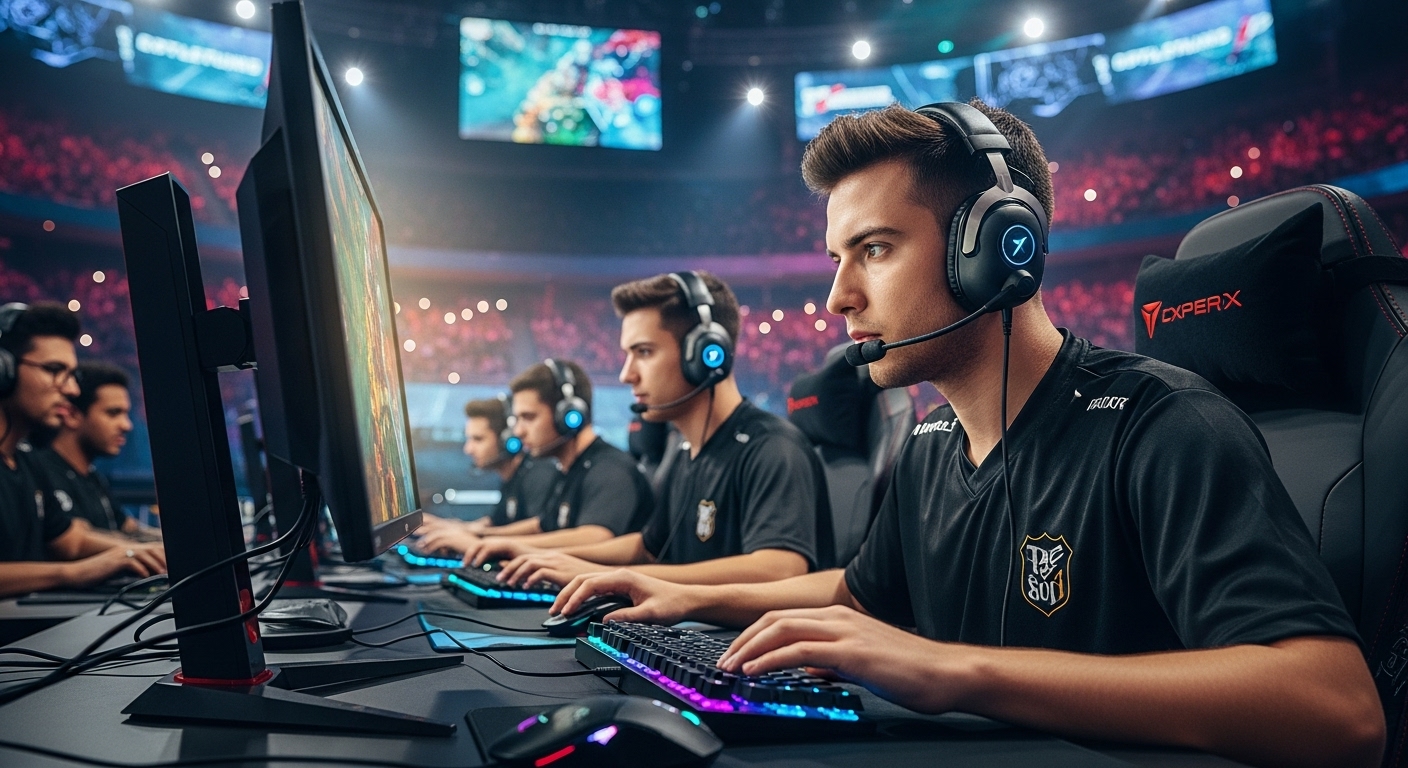
Esports, or electronic sports, has transformed from a niche hobby into a global phenomenon over the past few decades. What started as informal gaming competitions in arcades and small-scale tournaments has now evolved into a billion-dollar industry attracting millions of fans, players, and investors worldwide. In this blog, we will explore the history, growth, impact, and future of esports, highlighting its significance in contemporary culture and entertainment.
Understanding Esports
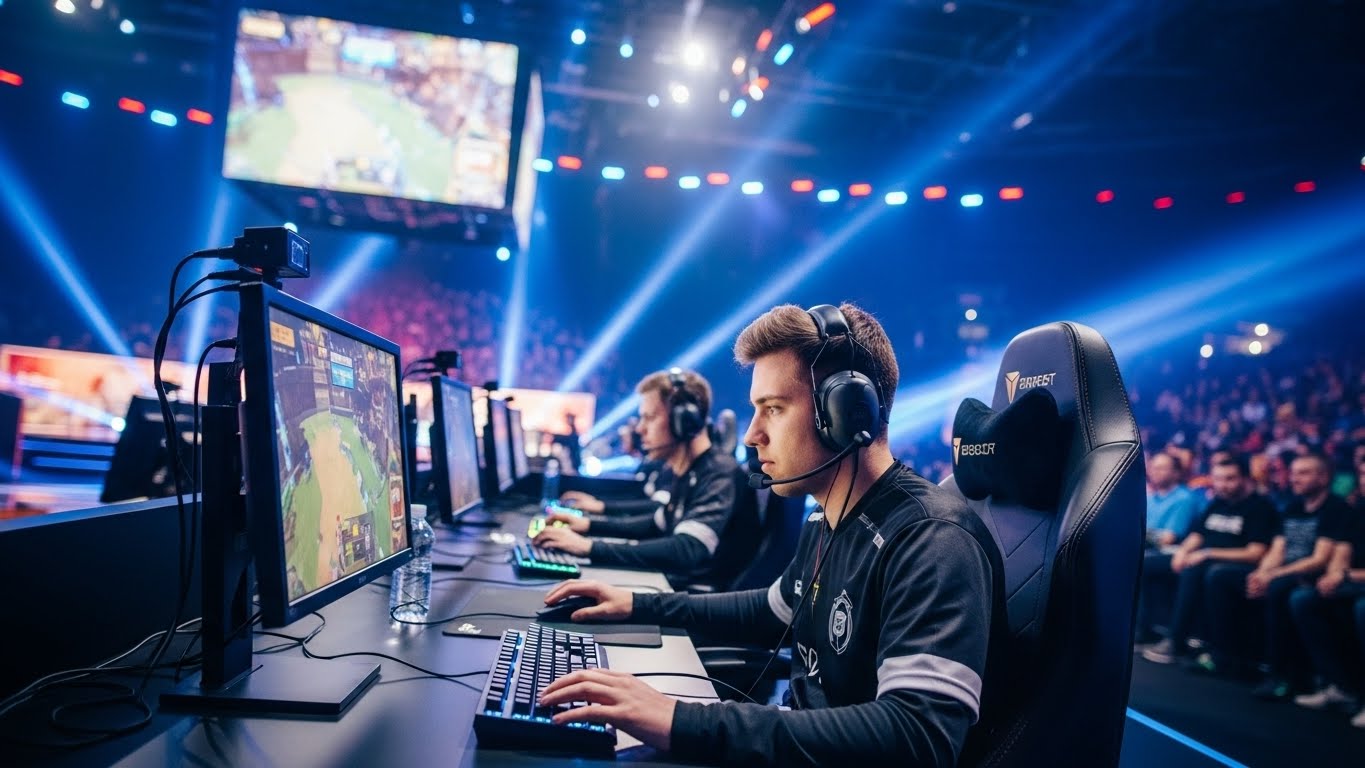
At its core, esports involves competitive gaming at a professional level. Players and teams compete in video games across a variety of genres, including real-time strategy, first-person shooters, multiplayer online battle arenas, and sports simulations. Unlike casual gaming, esports emphasizes skill, strategy, teamwork, and mental endurance. Players often dedicate several hours daily to practice, study game mechanics, and refine their strategies to compete at the highest levels.
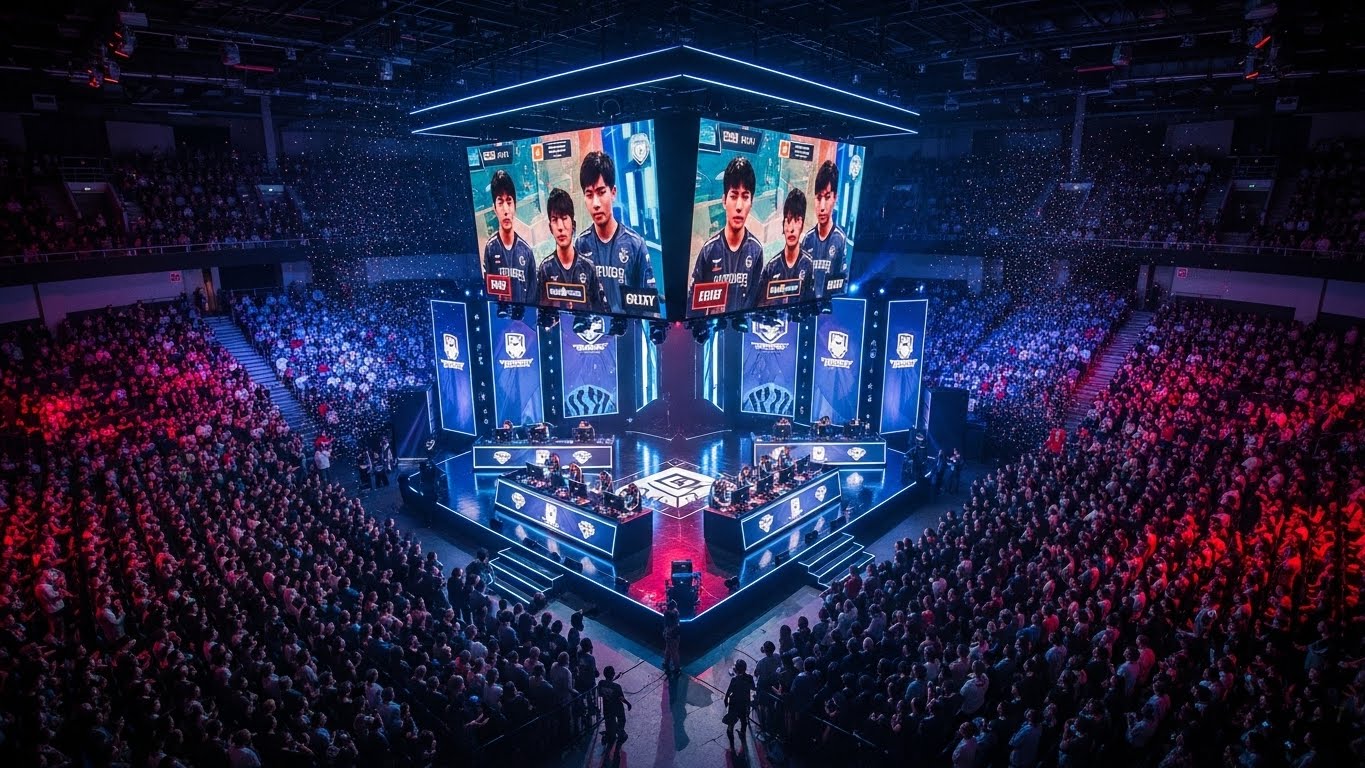
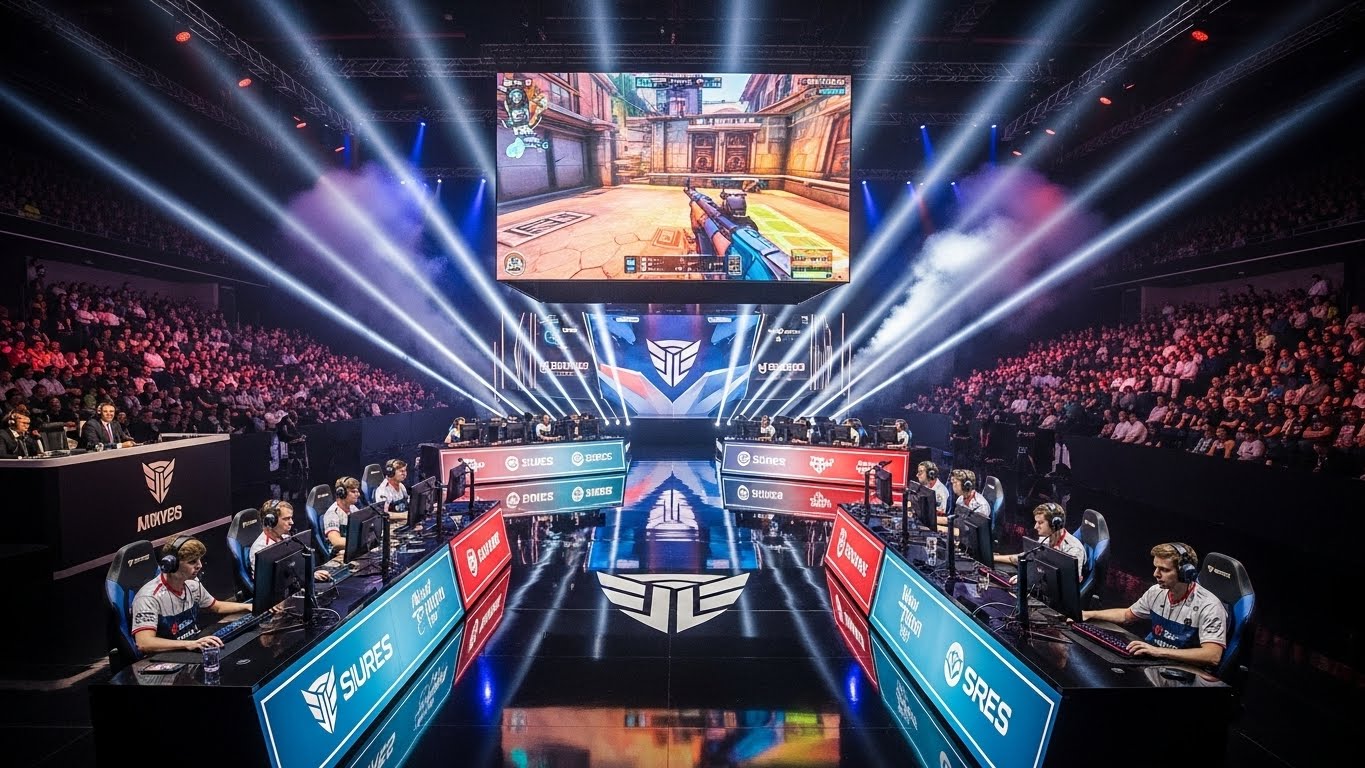
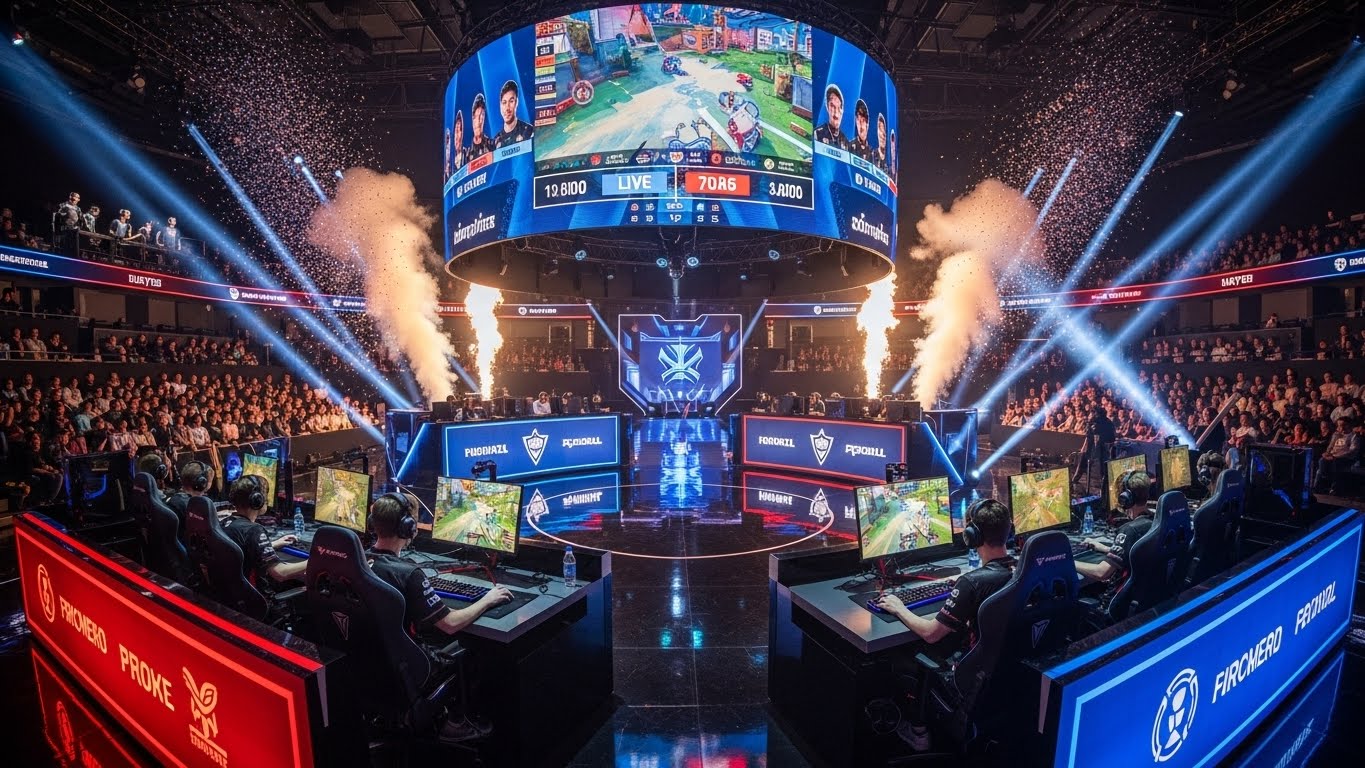
Esports competitions are organized at multiple levels, from local tournaments to international championships, and are often broadcasted live through streaming platforms. Major events, such as The International in Dota 2 or the League of Legends World Championship, draw millions of viewers and offer multi-million-dollar prize pools, demonstrating the significant commercial potential of the industry.
A Brief History of Esports
The history of esports can be traced back to the late 1970s and 1980s when arcade competitions became popular in North America and Japan. Early gaming tournaments were simple, often organized around arcade cabinets in local arcades or college campuses. One of the first documented esports events was the Space Invaders Championship in 1980, which attracted over 10,000 participants in the United States.
In the 1990s, the rise of personal computers and the internet opened new possibilities for competitive gaming. Multiplayer games such as Doom, Quake, and StarCraft created communities of dedicated players who competed online or in LAN (Local Area Network) tournaments. South Korea played a particularly pivotal role during this period, with StarCraft becoming a cultural phenomenon and professional gaming being recognized as a legitimate career path.
The 2000s marked the global expansion of esports. High-speed internet, streaming platforms, and social media allowed competitions to reach wider audiences. Games such as Counter-Strike, Warcraft III, and later League of Legends and Dota 2 became the foundation for professional leagues and global tournaments. Esports began to gain mainstream recognition, attracting sponsorships from major brands and coverage by traditional media outlets.
The Esports Ecosystem
The esports ecosystem is a complex network of players, teams, organizers, sponsors, streaming platforms, and fans. Each component plays a critical role in sustaining the industry and promoting its growth.
Players and Teams
Professional esports players are highly skilled individuals who dedicate themselves to training, strategy development, and performance optimization. Teams often function like traditional sports organizations, employing coaches, analysts, and support staff to maximize competitive success. Top players can achieve celebrity status, with fan followings rivaling those of mainstream athletes.
Game Developers
Game developers play a pivotal role in esports by designing games that are both entertaining and competitive. Developers often organize official tournaments, provide updates and balance patches, and cultivate communities around their games. The success of esports is closely tied to the popularity and longevity of the games themselves.
Tournament Organizers
Professional tournaments are organized by a variety of entities, including game developers, independent organizations, and esports leagues. These events can range from small regional competitions to massive international championships. High-profile tournaments attract media attention, sponsorship deals, and large audiences, further legitimizing esports as a professional industry.
Sponsors and Brands
Sponsorship is a major revenue stream for the esports industry. Companies invest in teams, tournaments, and individual players to reach the highly engaged gaming audience. Brands from technology, energy drinks, apparel, and even mainstream consumer goods have entered esports sponsorship, recognizing its potential for marketing and brand visibility.
Streaming Platforms and Media
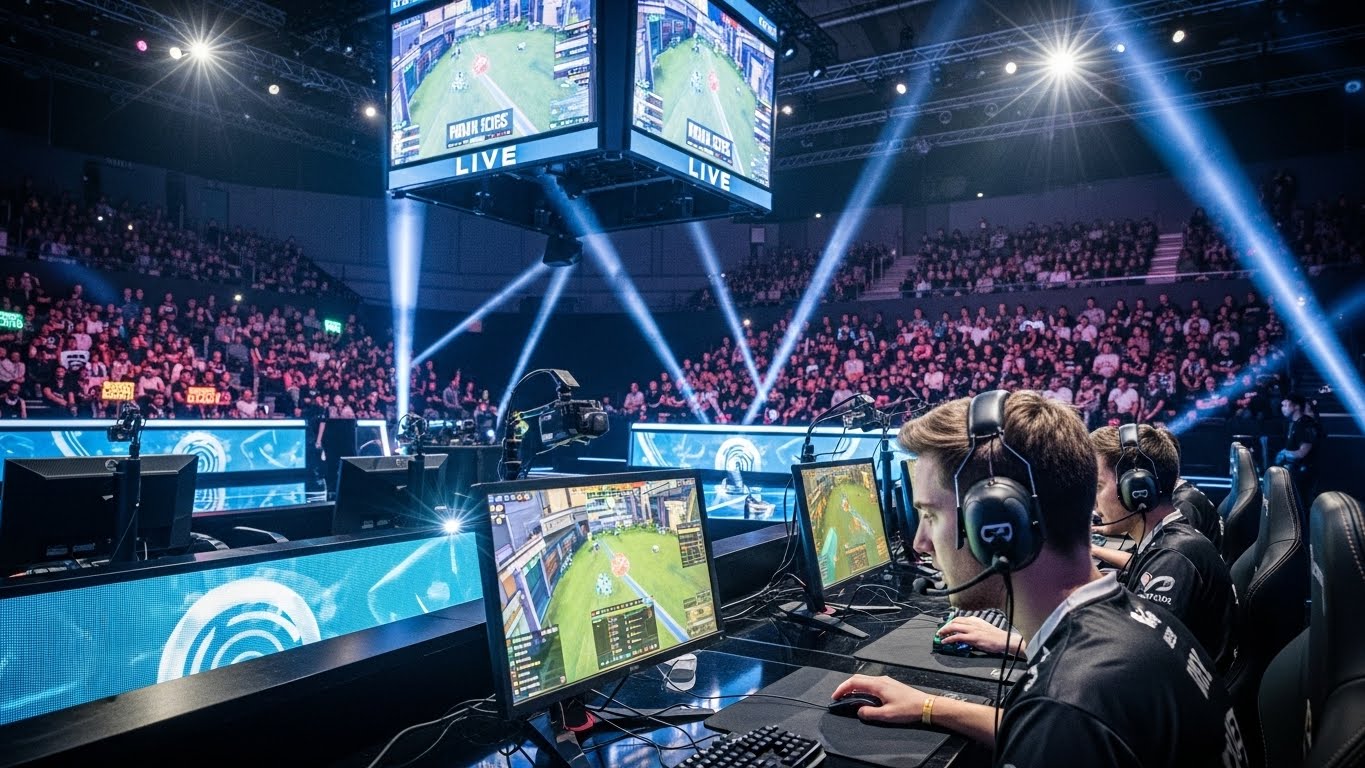
Live streaming platforms, such as Twitch, YouTube Gaming, and regional alternatives, have revolutionized how fans consume esports content. Fans can watch live competitions, follow favorite players, and engage with communities in real-time. Media coverage, including online news outlets, social media, and esports-specific publications, contributes to the mainstream visibility of the industry.
Popular Esports Genres and Games
Esports encompasses a wide variety of game genres, each with its own competitive scene and dedicated fan base.
Multiplayer Online Battle Arena (MOBA)
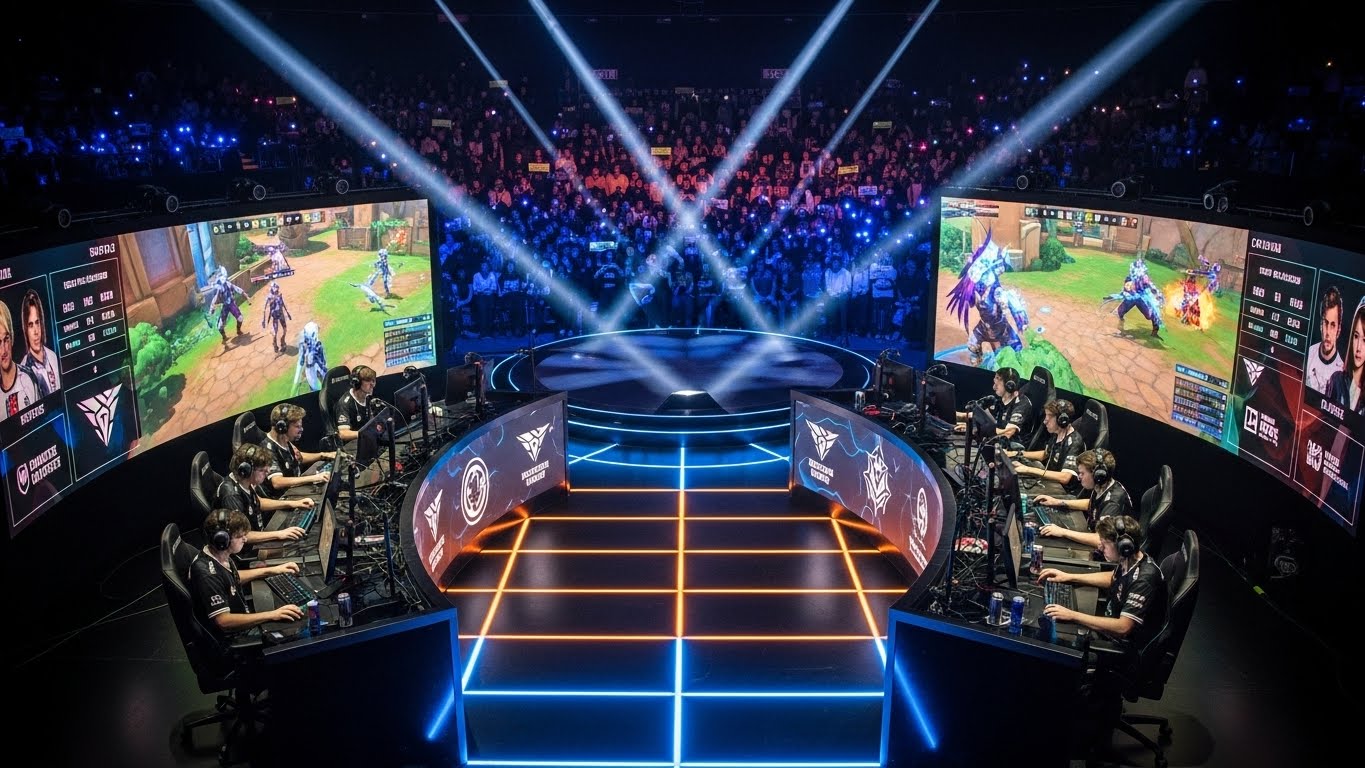
MOBAs, such as League of Legends and Dota 2, are among the most popular esports genres. These games involve two teams competing to destroy the opposing team’s base while managing resources, strategy, and teamwork. MOBAs require intense coordination and strategic planning, making them highly appealing for spectators and players alike.
First-Person Shooters (FPS)
FPS games, including Counter-Strike: Global Offensive, Call of Duty, and Overwatch, emphasize shooting accuracy, reflexes, and tactical coordination. Competitive FPS tournaments often involve high-stakes matches, fast-paced action, and intense rivalries.
Real-Time Strategy (RTS)
RTS games, such as StarCraft II, focus on resource management, unit control, and tactical decision-making. Players must think quickly and adapt to changing situations, making RTS tournaments highly challenging and intellectually engaging.
Fighting Games
Fighting games like Street Fighter, Tekken, and Super Smash Bros. involve one-on-one matches where players compete in skill-based combat. Fighting game tournaments have a passionate community and are known for their fast-paced, exciting matches.
Sports and Racing Simulations
Esports has also expanded into realistic sports simulations, including FIFA, NBA 2K, and racing games like Formula 1 and Gran Turismo. These games attract both traditional sports fans and gamers, bridging the gap between physical sports and digital competition.
The Cultural Impact of Esports
Esports has had a profound cultural impact, reshaping entertainment, social interaction, and even education.
Community and Social Interaction
Esports fosters a sense of community among players and fans. Online platforms allow people to connect, share strategies, and celebrate achievements. Many tournaments create a festival-like atmosphere, where fans can meet players, attend live events, and participate in gaming culture.
Education and Career Opportunities
Esports has opened new avenues for education and careers. Schools and universities now offer esports programs, scholarships, and professional training. Career paths in esports extend beyond playing, including coaching, event management, broadcasting, content creation, and game development.
Mainstream Recognition
Esports has achieved mainstream recognition through media coverage, celebrity endorsements, and integration into popular culture. High-profile tournaments are now broadcasted on television networks, and esports athletes are featured in magazines and interviews, further legitimizing the industry.
Economic Impact
The economic impact of esports is substantial. The industry generates billions in revenue annually through sponsorships, advertising, merchandise, and ticket sales. Esports also drives technological innovation, influencing hardware development, streaming technology, and gaming software.
Challenges in Esports
Despite its rapid growth, esports faces several challenges that must be addressed for sustainable development.
Player Burnout and Mental Health
Professional esports players often face intense pressure to perform, leading to long hours of practice, stress, and burnout. Mental health support, structured schedules, and career management are crucial to ensuring players’ well-being.
Regulation and Fair Play
Cheating, match-fixing, and performance-enhancing drugs are concerns in esports, as in traditional sports. Ensuring fair play requires robust regulation, anti-cheating mechanisms, and transparent governance.
Inclusivity and Diversity
Esports has historically struggled with inclusivity, particularly regarding gender and underrepresented communities. Efforts to promote diversity, equal opportunities, and safe environments are essential for the long-term growth of the industry.
Sustainability of Games
The esports ecosystem depends heavily on the popularity of specific games. Developers must maintain player interest through updates, balance adjustments, and community engagement to sustain competitive scenes over time.
The Future of Esports
The future of esports is poised for continued growth and innovation. Emerging technologies, expanding audiences, and increasing investment will shape the next era of competitive gaming.
Virtual Reality and Immersive Gaming
Virtual reality (VR) and augmented reality (AR) technologies have the potential to revolutionize esports. Immersive experiences could create new genres of competitive gaming and enhance spectator engagement, offering a more interactive and thrilling experience.
Global Expansion
Esports continues to expand globally, with emerging markets in Asia, Europe, and Latin America contributing to the industry’s growth. International tournaments and cross-border collaborations will further globalize esports culture.
Integration with Traditional Sports
Collaboration between esports and traditional sports organizations is becoming more common. Football clubs, basketball teams, and other sports entities are establishing esports divisions, merging fan bases, and creating hybrid entertainment experiences.
Technological Advancements
Advancements in streaming, AI-driven analytics, and cloud gaming will enhance player performance, fan engagement, and tournament management. These innovations will continue to push the boundaries of what esports can achieve.
Conclusion
Esports has come a long way from its humble beginnings in arcades and local tournaments. Today, it is a global industry with immense cultural, economic, and social impact. With professional players, teams, tournaments, and fans shaping the landscape, esports is not just a form of entertainment—it is a testament to the evolving intersection of technology, competition, and human creativity.
As the industry continues to grow, esports will likely redefine what it means to be an athlete, a fan, and a community member in the digital age. Its journey from a niche hobby to a global phenomenon is a remarkable story of passion, innovation, and resilience, signaling an exciting future for players and spectators alike.