 championcircle20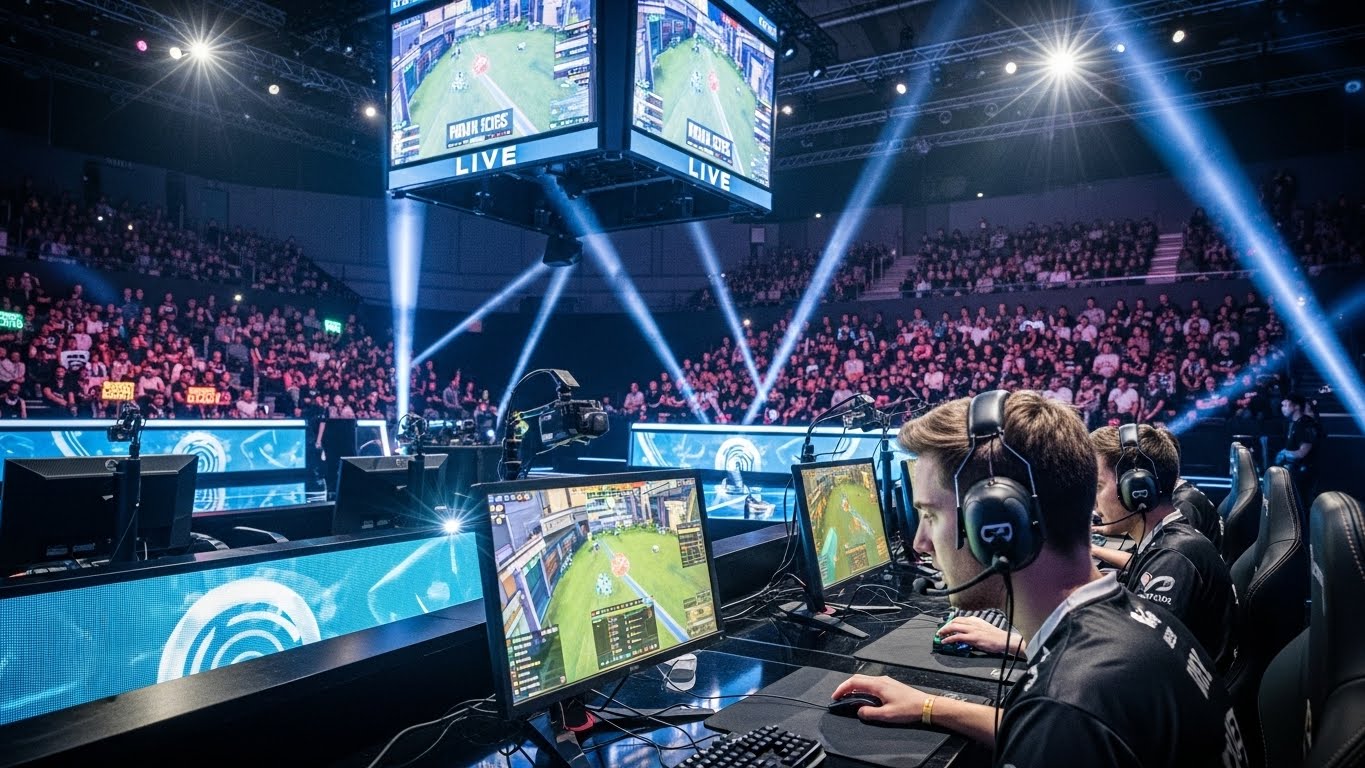
Beyond the Game: The Phenomenal Rise of Esports in the Digital Era
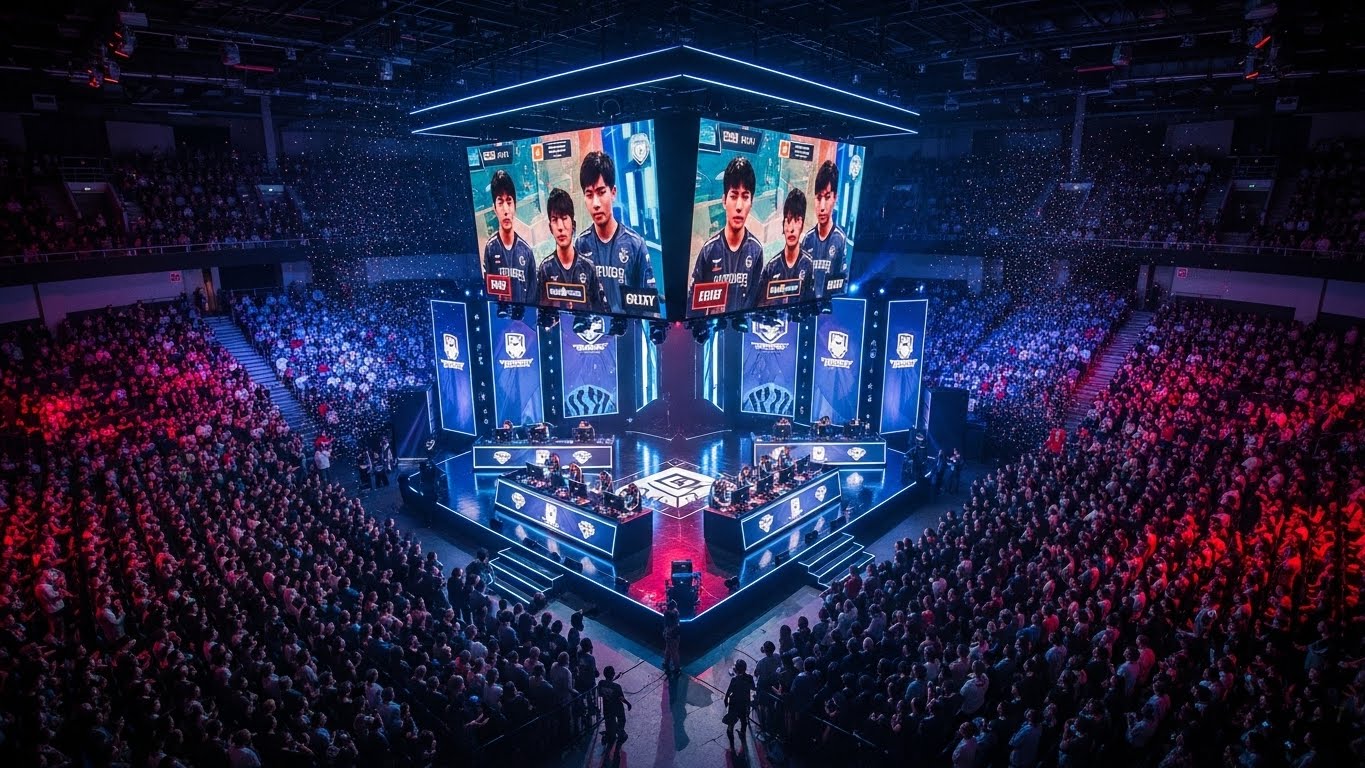
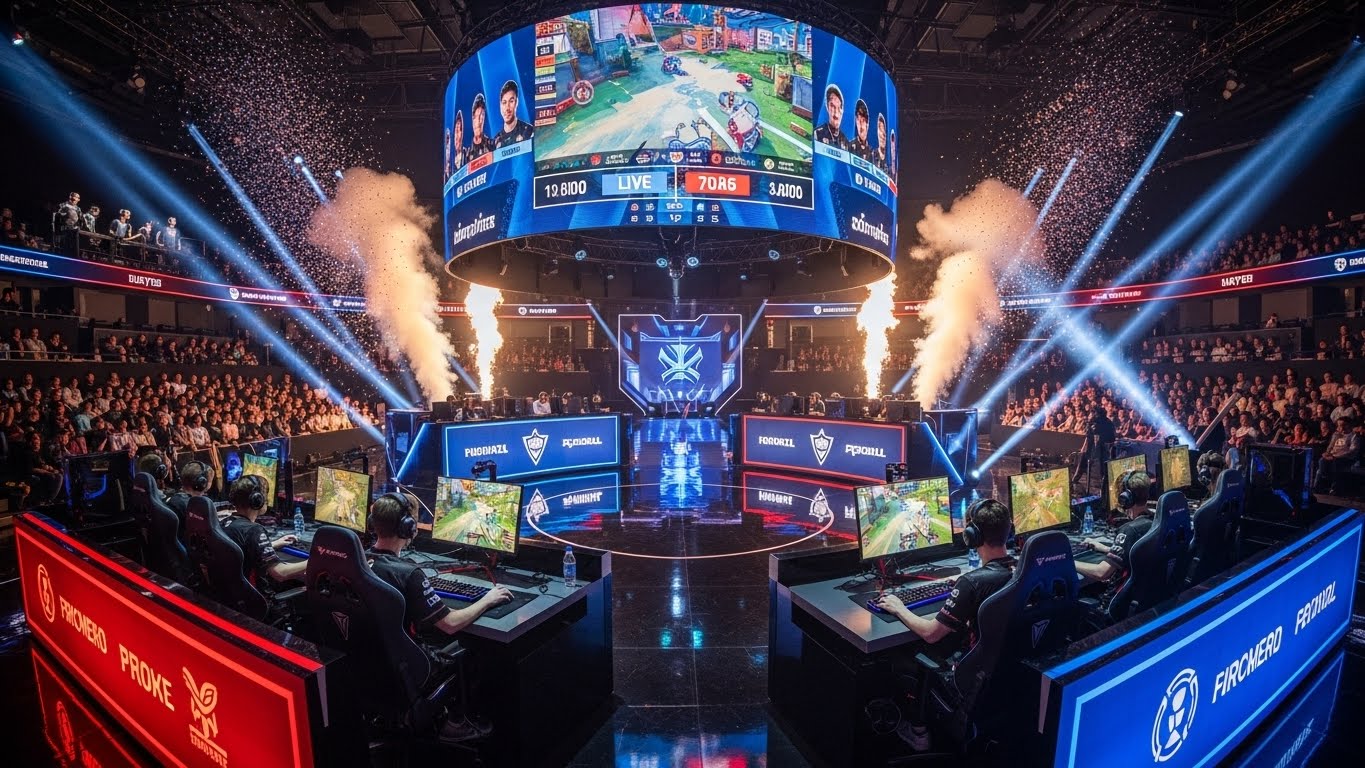
Esports, or electronic sports, has emerged as one of the most influential entertainment and competitive platforms in the 21st century. What began as casual video gaming has evolved into a professional, global industry that combines skill, strategy, technology, and spectacle. Today, millions of fans tune in to watch competitive gaming tournaments, players build careers similar to traditional athletes, and businesses invest heavily in this rapidly expanding sector. Esports is no longer just a niche pastime; it is a cultural phenomenon that reflects the evolution of digital entertainment and the changing face of competition worldwide.
The Origins of Esports
Esports has deep roots that trace back to the earliest days of video gaming. In the late 1970s and 1980s, players competed in arcades for high scores, often gathering in small communities to prove their skill. Competitions were informal but fostered a sense of camaraderie and rivalry that would become the foundation of organized gaming tournaments.
With the rise of personal computers in the 1990s, multiplayer games like Doom, Quake, and StarCraft allowed players to compete with one another over networks. These games introduced structured competition and strategy, laying the groundwork for what would eventually become professional esports. The advent of the internet enabled players to connect globally, fostering communities and creating opportunities for organized leagues and tournaments.
The Evolution into a Professional Industry
Esports transitioned from hobbyist competition to professional sport as gaming audiences and prize pools grew. By the 2000s, tournaments offered significant cash rewards, attracting serious players who dedicated hours daily to training. Professional teams emerged, often operating with coaches, analysts, and support staff to maximize performance.
Developers began designing games with competitive play in mind, ensuring balance, spectator appeal, and longevity. Titles like League of Legends, Counter-Strike, and Dota 2 became central to the professional esports scene. Sponsorships, broadcasting rights, and merchandise further solidified esports as a viable industry with worldwide reach.
The Structure of the Esports Ecosystem
Esports thrives within a complex ecosystem that includes far more than just players. Professional teams employ coaches, analysts, managers, and psychologists to optimize performance. Tournament organizers coordinate events, manage logistics, and ensure high production values for audiences. Developers maintain game balance, release updates, and support competitive modes.
Broadcasting platforms and commentators enhance audience engagement, providing analysis and entertainment during live matches. Fans, through streaming, social media, and community interaction, play a critical role in driving the popularity of esports. This interconnected ecosystem is what allows esports to operate as a sustainable global industry.
The Skills Required for Esports
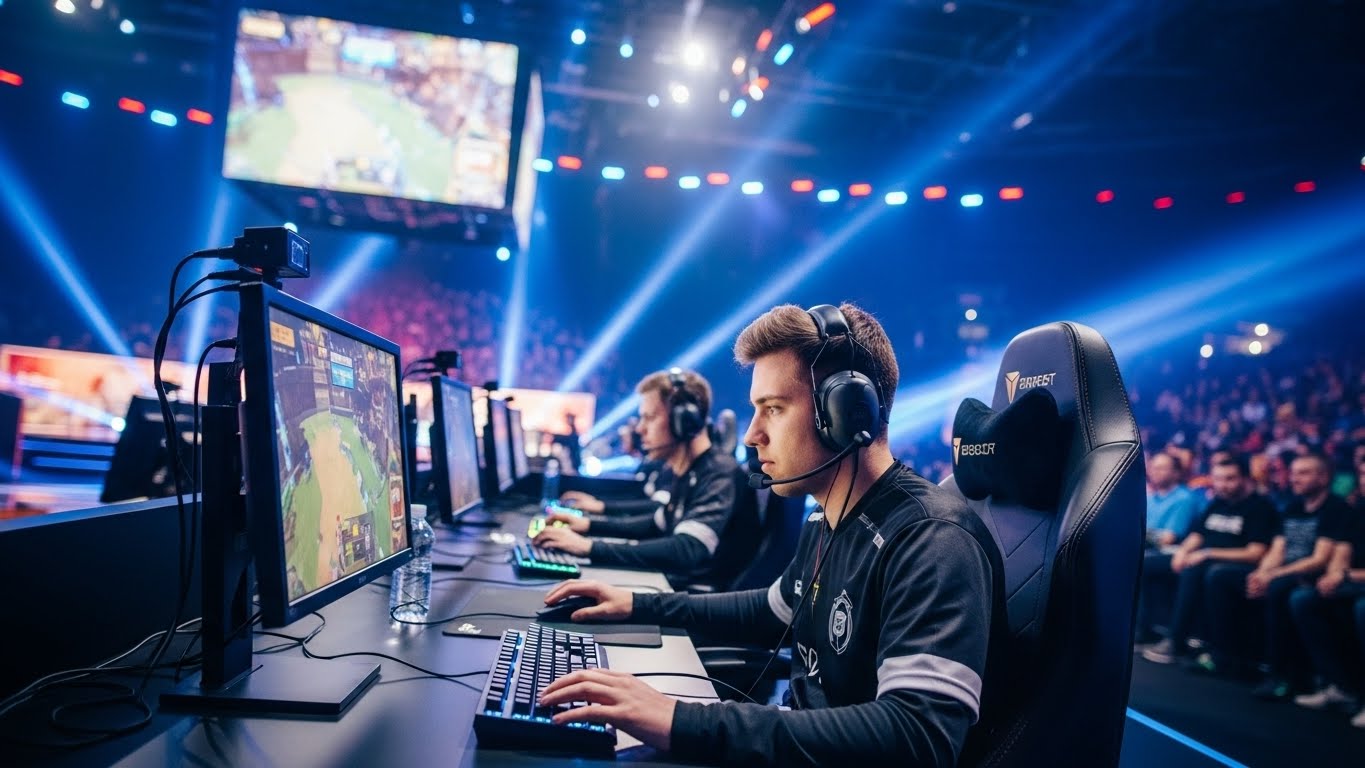
Success in esports requires a combination of technical skill, strategic thinking, and mental resilience. Players spend countless hours refining reflexes, learning game mechanics, and understanding strategic nuances. Team-based games demand strong communication, coordination, and adaptability to rapidly changing scenarios.
Beyond mechanical skill, esports players must maintain focus under high-pressure conditions. Mental toughness, discipline, and the ability to quickly recover from mistakes are crucial. Many teams treat training in esports with the rigor of traditional sports, incorporating regular practice, analysis sessions, and performance feedback to achieve peak results.
Training Regimens and Discipline
Esports athletes often follow highly structured training routines. Practice sessions involve drills, gameplay simulations, and strategic reviews. Teams conduct detailed analyses of opponents’ tactics and develop counter-strategies. Coaches monitor performance, helping players identify weaknesses and enhance strengths.
Physical fitness is also becoming a focus. Despite being primarily digital, long hours of gameplay can strain posture, vision, and endurance. Many professional players incorporate exercise, stretching, and healthy nutrition into their daily routines to sustain performance and prevent injuries.
Technology and Its Role in Esports
Technology is at the heart of esports. High-performance hardware, fast internet connections, and advanced software are essential for fair and competitive gameplay. Streaming and broadcasting technologies allow audiences worldwide to watch tournaments live, often numbering in the millions.
Innovations in data analysis and artificial intelligence also support esports. Teams use analytics to study gameplay, assess opponents, and improve strategies. Technology enhances both the player experience and spectator engagement, creating immersive competitions that rival traditional sports in excitement and scale.
Cultural and Social Influence
Esports has become a significant cultural phenomenon. It shapes popular culture, influences fashion, and inspires social trends. Online communities form around favorite games, creating shared identities and global networks of fans. For many, esports is not just a form of entertainment—it is a lifestyle.
The global nature of esports promotes inclusivity and cross-cultural interaction. Players from different countries can compete on equal footing, and audiences worldwide can share experiences in real time. This fosters understanding, collaboration, and a sense of belonging among diverse participants.
Career Opportunities in Esports
Esports offers a wide range of career opportunities beyond professional playing. Coaches, commentators, event organizers, marketers, analysts, and content creators all play essential roles in the industry. Technical positions in software development, production, and event management are also integral to esports infrastructure.
Educational institutions are beginning to recognize esports as a viable field. Programs in esports management, game design, and digital media provide structured career pathways. This legitimization demonstrates that esports is not a passing trend but a sustainable professional ecosystem.
Economic Impact of Esports
Esports has become a major economic force, generating billions of dollars globally. Revenue streams include sponsorships, ticket sales, merchandise, media rights, and streaming platforms. Large tournaments stimulate local economies by attracting tourism, creating jobs, and promoting hospitality industries.
Corporate investment continues to grow, supporting infrastructure, professional teams, and global tournaments. The economic impact of esports demonstrates that competitive gaming is not only culturally significant but also commercially viable on a large scale.
Diversity and Inclusivity
Diversity and inclusion are becoming increasingly central to esports. Women, minorities, and underrepresented groups are gaining visibility as players, commentators, and industry leaders. Organizations and tournaments now prioritize equal opportunity and inclusive practices to foster fair competition.
Representation matters. Diverse participation enriches the industry, introduces new perspectives, and inspires future generations. By promoting inclusivity, esports ensures that talent and dedication remain the primary determinants of success.
Ethical Challenges and Integrity
As esports expands, ethical challenges such as cheating, online harassment, and match-fixing require ongoing attention. Developers and organizers implement monitoring systems, enforce rules, and promote integrity to maintain fair competition.
Player welfare, including mental health, workload management, and professional support, is essential for sustainable careers. Ensuring ethical practices strengthens trust among players, audiences, and sponsors, supporting long-term growth.
The Future of Esports
The future of esports is poised for continued growth and innovation. Emerging technologies such as virtual reality, augmented reality, and cloud gaming will transform how competitions are played and experienced. Greater integration with education, traditional sports, and mainstream entertainment will expand esports’ reach.
As infrastructure improves and global participation increases, esports will continue shaping digital culture, audience engagement, and professional competition. Its adaptability and technological foundation position it as a defining feature of modern entertainment.
Conclusion
Esports has evolved from casual gaming into a professional, global phenomenon that combines skill, strategy, and technology. It offers career opportunities, drives technological innovation, fosters global communities, and entertains millions worldwide. From small local competitions to international arenas, esports has redefined competition in the digital era.
The industry demonstrates the potential of digital platforms to create cultural, social, and economic impact. As esports continues to grow and innovate, it will remain a powerful force that inspires players, connects communities, and shapes the future of entertainment.