 championcircle20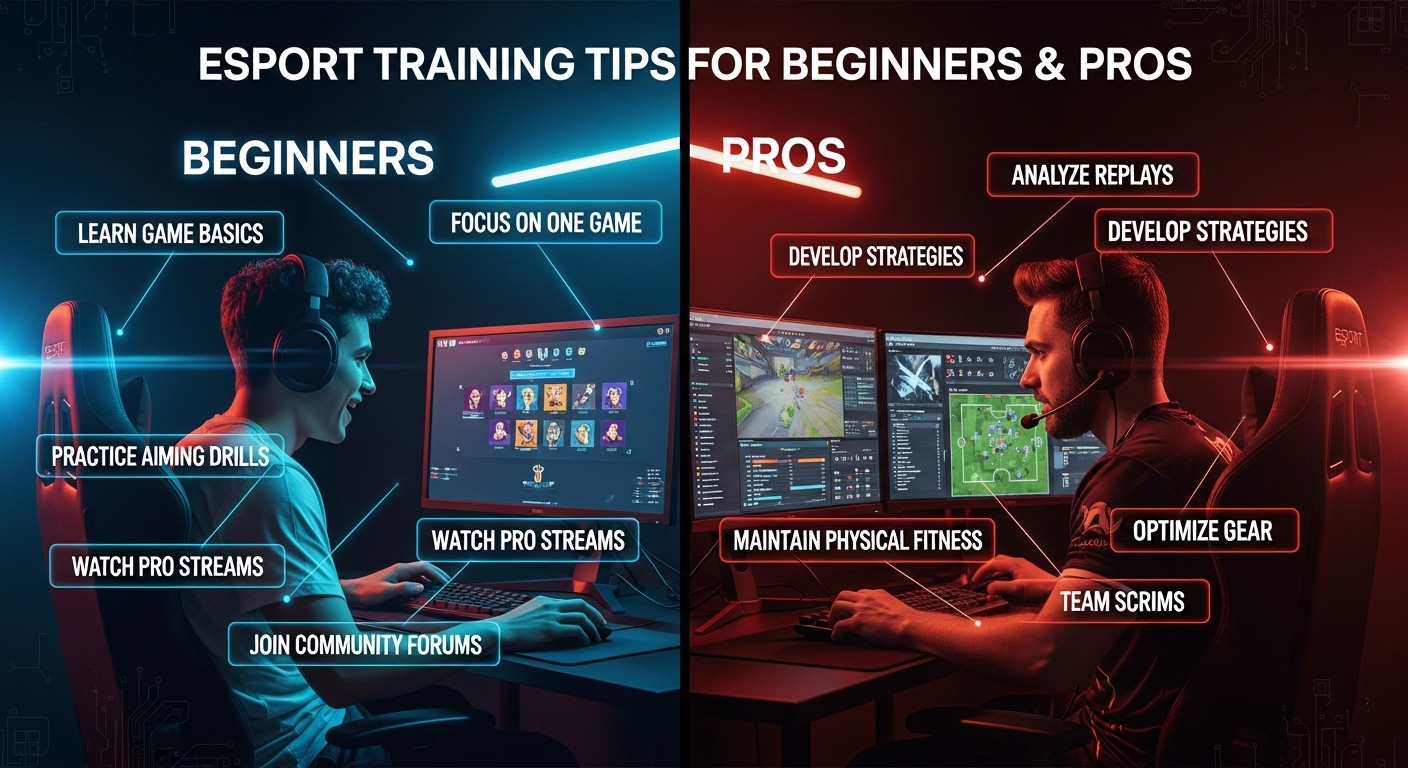
Esports has grown from a niche hobby to a global phenomenon, attracting millions of players and spectators. From competitive titles like League of Legends and Dota 2 to shooters such as Counter-Strike and Valorant, esports offers opportunities for both casual players and professionals to showcase their skills. But reaching the top—or even improving consistently—requires more than just raw talent. Training in esports involves discipline, strategy, and a balance of physical and mental health.
Whether you are just starting out or you are already playing at a professional level, refining your training methods can give you the edge you need. This guide covers practical esport training tips that benefit both beginners and pros.
Build a Strong Foundation
Like traditional athletes, esports players need to start with a strong foundation. This begins with understanding the basics of the game you are playing. Beginners often make the mistake of jumping straight into competitive matches without learning mechanics, map layouts, or character abilities. Professionals, on the other hand, sometimes forget to revisit fundamentals, focusing too heavily on advanced strategies.
Start by mastering controls, game rules, and character mechanics. Dedicate time to practicing movement, aiming, or resource management depending on the genre. Even seasoned professionals review the basics regularly, because mastery of core mechanics leads to consistent performance under pressure.
Develop a Structured Practice Routine
One of the biggest mistakes players make is practicing without purpose. Randomly queuing matches may improve reaction times slightly, but it rarely builds the consistency needed to compete at higher levels. Structured practice involves setting specific goals for each session.
For example:
- A beginner might aim to improve map awareness by checking the minimap every few seconds.
- A professional might practice refining timing on skill rotations or focus on improving communication with teammates.
Divide practice sessions into warm-ups, focused drills, and review. Warm-ups might include aim training tools, reflex games, or basic movement drills. Focused drills should target weaknesses, while review involves analyzing gameplay to identify mistakes. Structured routines create measurable progress and prevent wasted time.
Analyze and Learn From Gameplay
Reviewing gameplay is one of the most effective ways to accelerate improvement. Beginners should record their matches and look for patterns in mistakes, such as poor positioning or lack of awareness. Pros often analyze replays in-depth, paying attention to decision-making, timing, and coordination with teammates.
Watching professional matches is also invaluable. Observe how top players position themselves, communicate, and adapt strategies. Do not just watch passively; take notes and try to replicate specific techniques during your own practice. Over time, you will begin to recognize common strategies and counters, making you more adaptable in competitive environments.
Focus on Communication and Teamwork
In many esports titles, no player succeeds alone. Team-based games like League of Legends, Overwatch, and CS:GO require precise communication. Beginners often hesitate to speak up, while professionals sometimes assume their teammates already know what they are thinking.
Improving communication means being clear, concise, and positive. Instead of complaining about mistakes, suggest adjustments that help the team. Learn to share critical information—such as enemy locations or cooldown timers—without overwhelming your teammates. Strong teamwork often makes the difference between evenly matched opponents, which is why many pros spend as much time on communication drills as they do on mechanics.
Balance Mental and Physical Health
Esports is demanding, not only mentally but also physically. Hours of sitting in front of a screen can strain posture, eyesight, and hand health. Professional players know that their body is just as important as their reflexes. Incorporating regular breaks, stretching, and exercise prevents long-term injuries like carpal tunnel syndrome.
Equally important is mental health. Competitive gaming can be stressful, leading to frustration and burnout. Beginners may struggle with self-confidence, while professionals feel pressure to perform at a consistently high level. Building mental resilience through mindfulness, proper rest, and stress management is key. Many top esports organizations even hire sports psychologists to help players maintain focus and composure.
Stay Updated With Game Changes
Games evolve constantly through patches, balance updates, and new content. A beginner might feel overwhelmed by frequent changes, while a professional must adapt strategies instantly to stay competitive. Staying updated requires reading patch notes, watching update breakdowns, and testing changes in practice sessions.
Adapting quickly to new mechanics often separates casual players from dedicated competitors. For pros, failing to adjust to meta shifts can result in losing matches to opponents who adapt faster. Make it part of your routine to stay informed and experiment with new strategies whenever updates are released.
Invest in the Right Tools
Equipment does not replace skill, but it enhances performance when used effectively. Beginners should ensure they have a stable internet connection, a reliable headset for communication, and peripherals suited for their game. Pros often fine-tune their equipment, from mouse sensitivity to keyboard switches, to match their preferences.
Ergonomics also matter. Investing in a proper chair, desk setup, and monitor height reduces fatigue and improves posture. Small adjustments can lead to noticeable differences in reaction speed and comfort during long sessions.
Learn From Others and Seek Feedback
One of the fastest ways to improve is to learn from others. Beginners benefit from joining online communities where they can ask questions and receive advice. Many pros credit their rise to mentors who guided them early in their careers.
Seeking feedback requires humility, but it accelerates progress. Ask teammates or coaches to point out weaknesses. Review discussions after matches to identify what could have been done better. Even professionals continue to learn from coaches, analysts, and peers to refine their play.
Train Consistently, but Avoid Burnout
Consistency is the backbone of improvement. Playing once a week will not yield noticeable progress, while training every day without rest leads to exhaustion. Beginners should aim for shorter, regular sessions that focus on gradual improvement. Pros, with longer hours of practice, must pay attention to rest days and recovery periods.
Burnout is one of the most common reasons talented players quit esports. Maintaining balance—between practice, rest, and life outside the game—is critical for long-term success. Passion fuels growth, but sustainability ensures longevity in the competitive scene.
Adopt a Professional Mindset
Perhaps the most important tip is adopting a professional mindset, regardless of your skill level. Beginners who take training seriously often progress faster than those who treat practice casually. Professionals who maintain discipline and humility continue to evolve even after reaching the top.
A professional mindset includes setting goals, respecting teammates, handling losses with grace, and striving for continuous improvement. Every setback becomes a learning opportunity, and every victory is motivation to keep growing.
Final Thoughts
Esports demands more than fast reflexes and sharp aim. It requires strategy, discipline, teamwork, and resilience. Whether you are just entering the world of competitive gaming or already competing at a professional level, training with purpose can unlock your full potential.
For beginners, focus on fundamentals, structured practice, and consistent improvement. For professionals, emphasize refinement, adaptability, and mental strength. The journey in esports is not only about winning but also about growth as a player and teammate.
With the right training approach, you can elevate your skills, contribute to your team’s success, and enjoy a long, fulfilling career in competitive gaming.