 championcircle20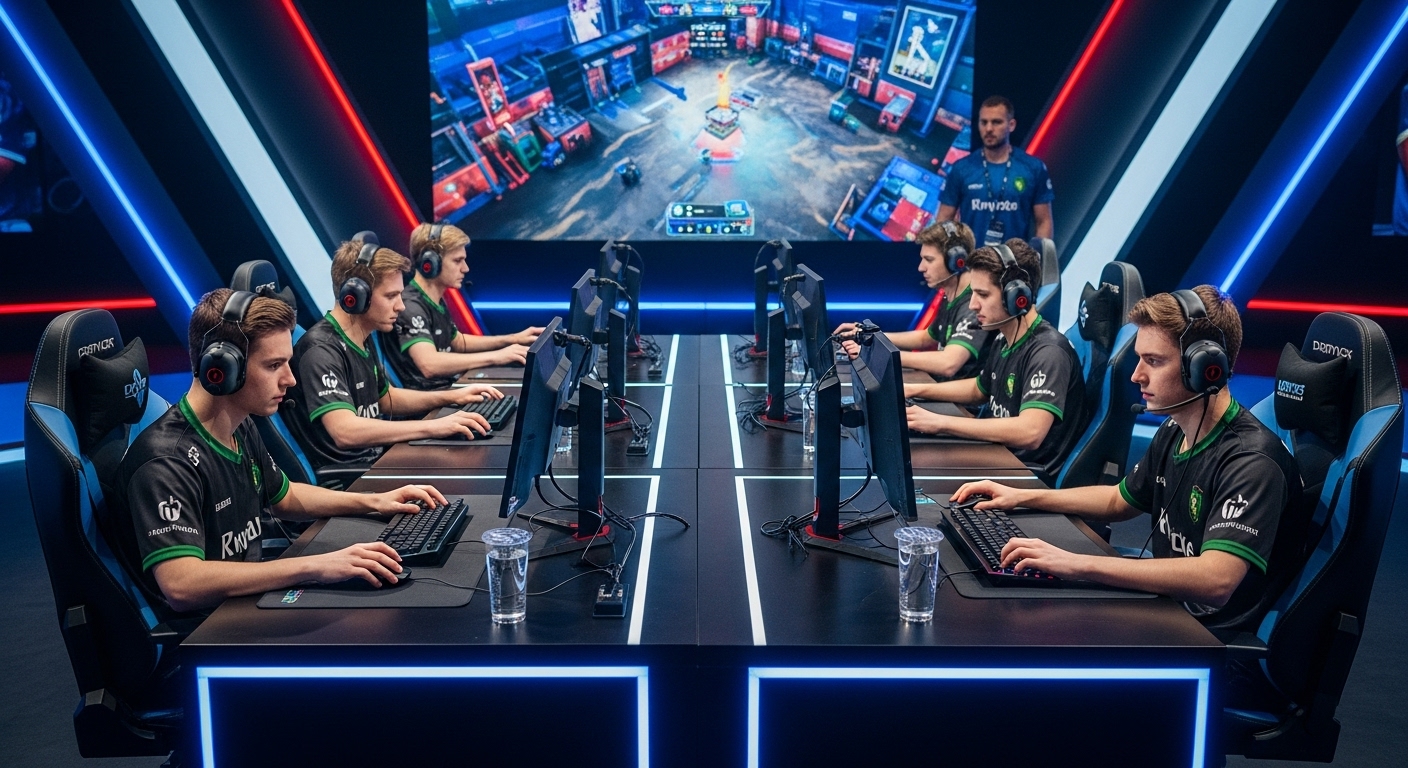
Introduction: The Emergence of a Digital Sport
In the last two decades, esports has transformed from a casual pastime into a global phenomenon. What started as friendly competitions among gamers in arcades and living rooms has evolved into a multi-billion-dollar industry, attracting millions of viewers and producing professional athletes with worldwide recognition. Esports is more than just playing video games—it is a combination of skill, strategy, teamwork, and entertainment that resonates across cultures and generations. Games like League of Legends, Dota 2, Counter-Strike, Fortnite, and Valorant now define a new era of competitive sports. Understanding the meteoric rise of esports requires a look into its history, players, fans, industry structure, and the challenges that come with its rapid growth.
The Origins of Competitive Gaming
The story of esports began long before the term existed. Competitive gaming can be traced back to the early 1970s, when colleges and universities organized tournaments for games such as Spacewar. Players competed for small prizes, often gaining recognition in gaming magazines. By the 1980s, arcade competitions for titles like Pac-Man and Donkey Kong had grown into vibrant communities. Gamers competed for high scores, and tournaments became local cultural events.
The 1990s saw the expansion of gaming into homes through personal computers and gaming consoles. Games like Street Fighter, Quake, and StarCraft cultivated competitive communities, creating local, national, and international tournaments. The introduction of online gaming allowed players to compete globally, setting the foundation for modern esports.
The Internet and the Birth of Modern Esports
The turn of the millennium marked a pivotal moment for esports. High-speed internet and online multiplayer games allowed competitions to transcend geographical boundaries. Games such as Counter-Strike, Warcraft III, and StarCraft: Brood War became international staples in competitive gaming.
South Korea emerged as the global leader in esports during this era. The country established professional leagues, television broadcasts dedicated to gaming, and sponsorship systems that transformed competitive play into a viable career. Meanwhile, Western countries developed organizations such as Major League Gaming and the Electronic Sports League, which standardized rules, rankings, and prize structures, further professionalizing the industry.
Esports as a Spectacle
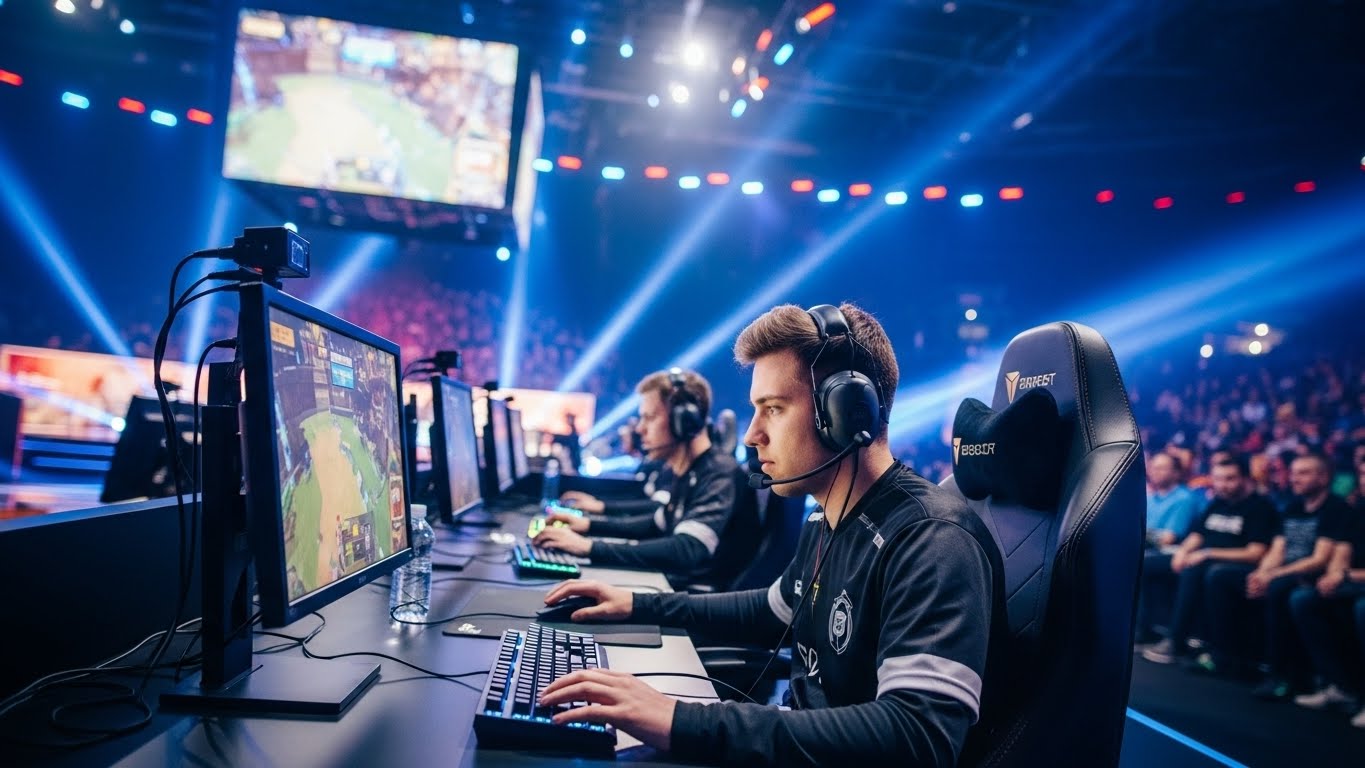
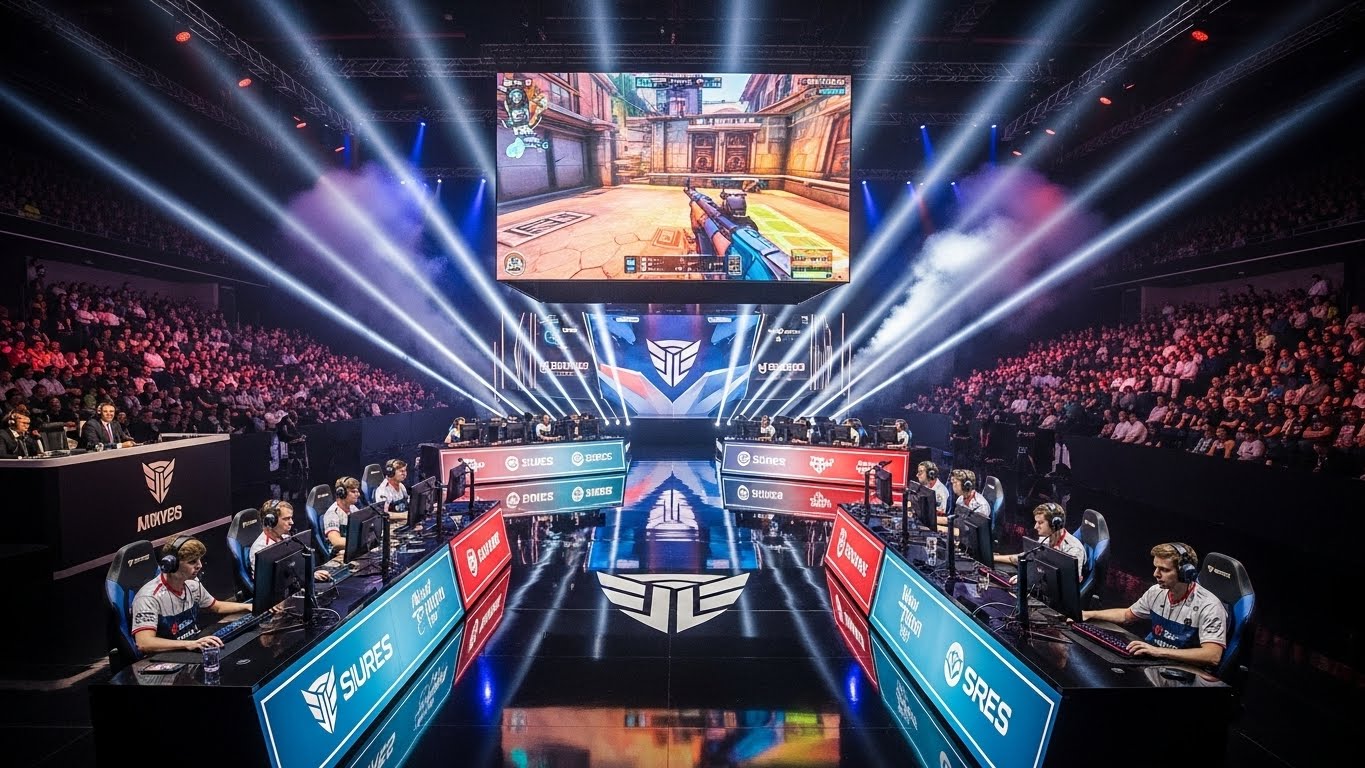
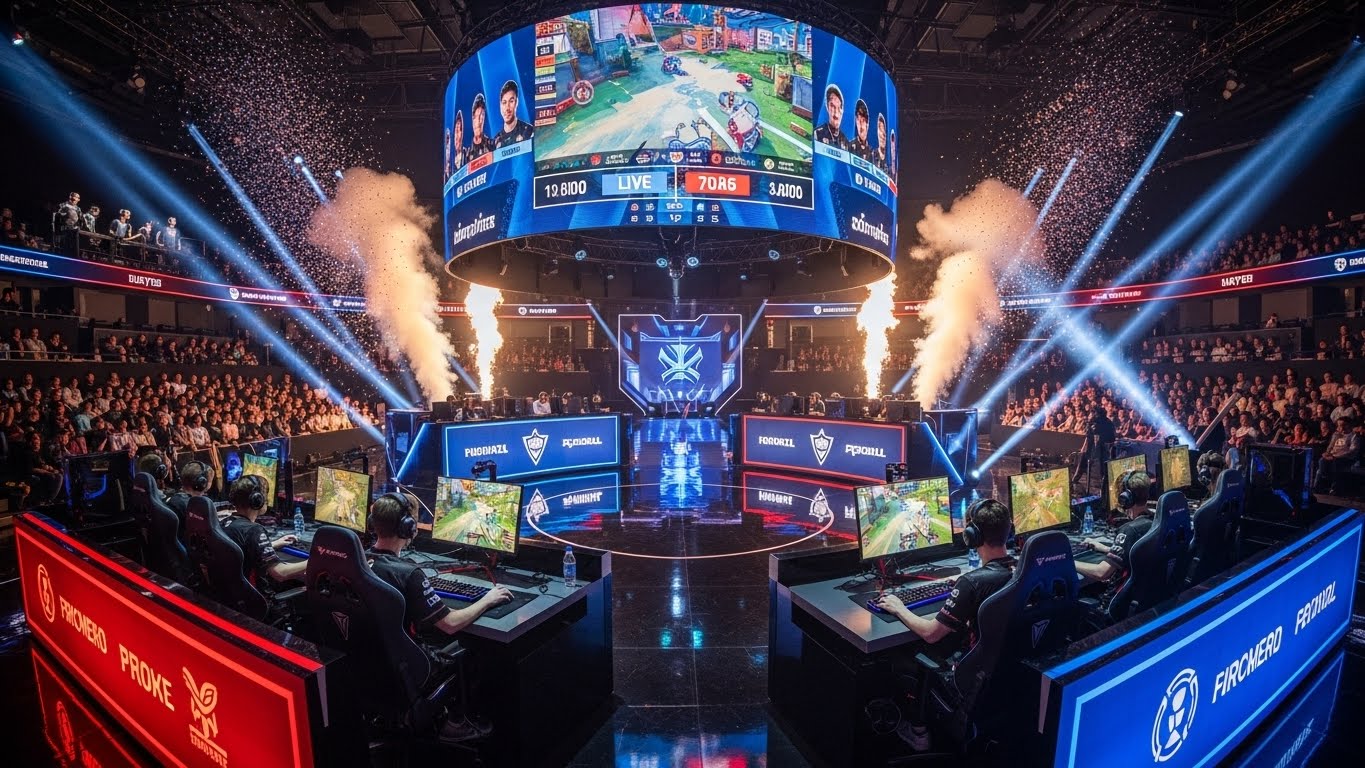
The 2010s marked the transformation of esports into mainstream entertainment. Streaming platforms allowed players to broadcast matches live to millions of viewers worldwide. These platforms enabled fans to engage with players directly, participate in real-time discussions, and experience matches as interactive events.
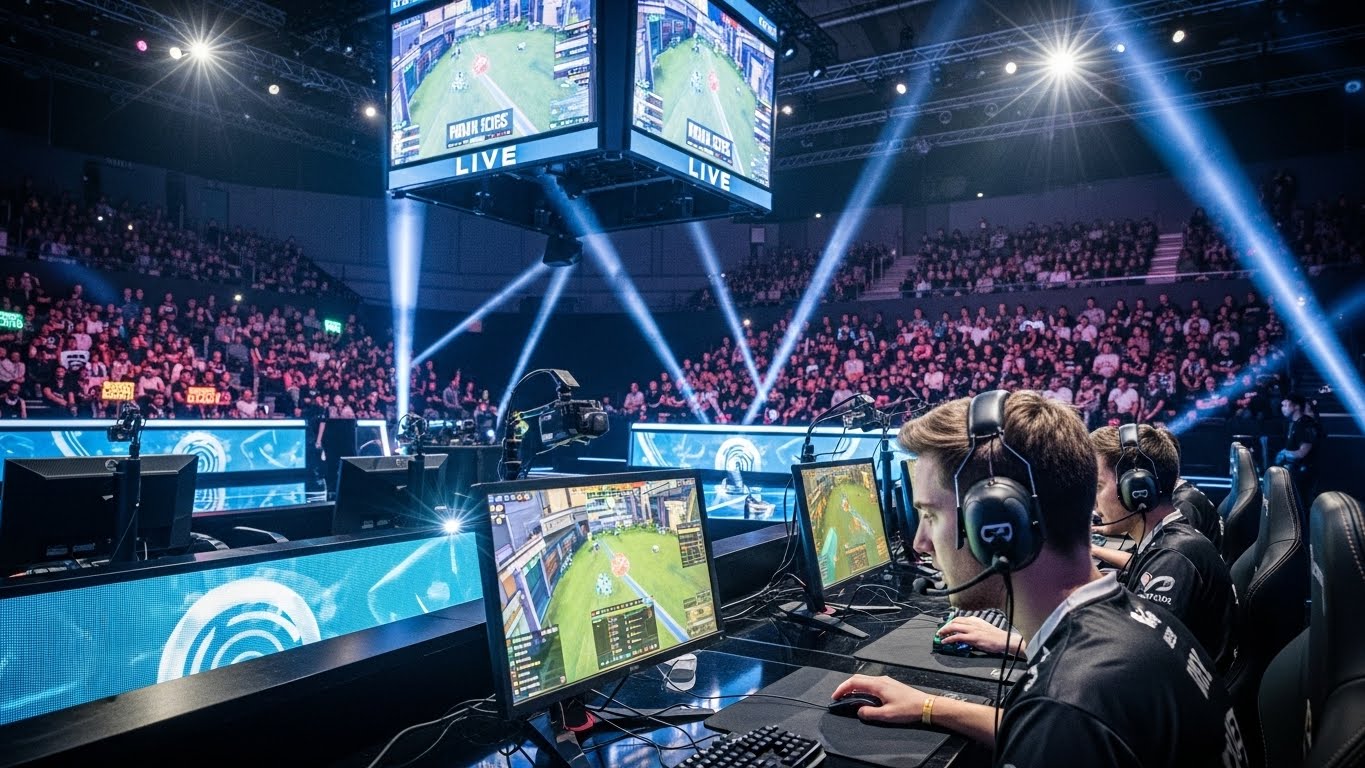
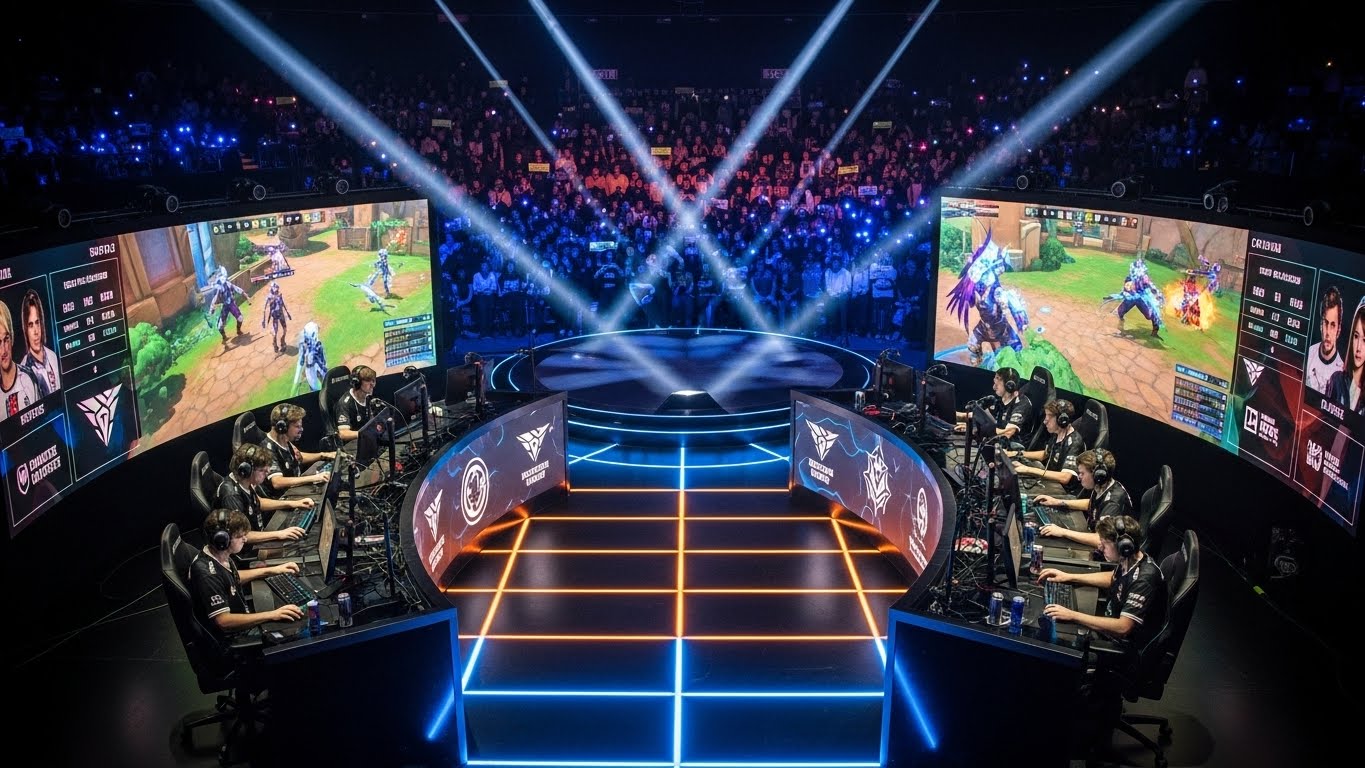
Game developers began designing titles with spectators in mind. League of Legends, Dota 2, Overwatch, and Fortnite introduced gameplay mechanics and visuals that made watching matches exciting and accessible. Tournaments evolved into professional productions featuring live commentary, expert analysis, and immersive visual presentations. The spectacle of esports attracted sponsors, media attention, and a growing global audience.
Prize pools reached unprecedented levels during this period. Dota 2’s annual International tournament awarded tens of millions of dollars, largely funded by the player community. Sponsorship deals from major brands reinforced esports as a sustainable career path, solidifying its legitimacy as a professional industry.
The Players: Athletes of the Digital Age
Professional esports players are modern athletes, demonstrating exceptional reflexes, strategic thinking, and mental resilience. Successful players often train six to ten hours a day, studying game mechanics, analyzing opponents, and refining team strategies.
Team-based games emphasize communication and cooperation. Each player has specialized roles, and victory depends on coordination and synergy. Professional organizations employ coaches, analysts, and sports psychologists to maintain peak performance and support player well-being. Many esports athletes achieve celebrity status, garnering millions of social media followers and endorsement deals. However, careers are often short due to the intense mental and physical demands, prompting teams to focus on wellness programs and career planning.
Fans and Esports Culture
The esports community plays a crucial role in its growth. Fans are highly engaged, discussing strategies, celebrating victories, and participating in online communities. Social media and streaming platforms allow fans to connect with players and teams, creating a sense of intimacy and belonging.
Esports culture extends beyond competitions. Cosplay, fan art, content creation, and conventions enrich the ecosystem. Influencers and streamers bridge the gap between casual players and professionals, entertaining audiences and educating them about competitive gameplay. This culture has reshaped public perception, showing that gaming fosters creativity, collaboration, and social interaction rather than being a solitary activity.
Educational and Career Opportunities
Esports has created new avenues in education and professional development. Universities now offer scholarships and programs focused on gaming, covering subjects like broadcasting, event management, marketing, and game design. Students gain skills in leadership, teamwork, strategic planning, and digital literacy.
The esports industry also provides diverse career paths. Professionals work as coaches, commentators, content creators, marketing specialists, event organizers, and game developers. The growing demand for technical expertise and media production ensures that esports continues to create employment opportunities and contribute to economic growth.
Challenges in the Esports Industry
Despite its rapid growth, esports faces several challenges. The industry’s expansion has raised concerns about player health, financial stability, and regulation. Unlike traditional sports, esports lacks a global governing body to standardize rules, ensure fair play, and protect player rights, leading to inconsistencies and disputes.
Mental and physical health is a major issue. Long hours of practice, high-pressure competition, and repetitive physical activity can cause burnout, stress, and physical strain. Many organizations now implement wellness programs, mandatory breaks, and physical training routines to mitigate these risks. Cheating and match-fixing also threaten the credibility of esports, prompting developers to implement strict anti-cheat systems and tournament monitoring.
Global Expansion of Esports
Esports has expanded well beyond traditional markets. Latin America, Africa, and the Middle East are seeing rapid growth in participation and viewership. Improved internet access, mobile gaming, and affordable hardware have allowed millions of new players to engage in competitive gaming.
International tournaments now attract participants and fans from every continent. This global reach fosters cultural exchange and strengthens community bonds. Esports has become a unifying platform, showing that gaming can transcend language, geography, and culture.
The Future of Esports
The future of esports is promising and transformative. Emerging technologies such as virtual reality, augmented reality, and artificial intelligence will revolutionize gameplay and fan experiences. Virtual arenas and immersive broadcasts could redefine how tournaments are experienced.
Esports is increasingly integrated with traditional sports. Many professional sports organizations now invest in gaming teams, and international competitions have included esports as part of multi-sport events. The growing recognition of esports as a legitimate competitive discipline demonstrates its potential to shape the future of entertainment, education, and professional sports worldwide.
Conclusion: A New Era of Digital Competition
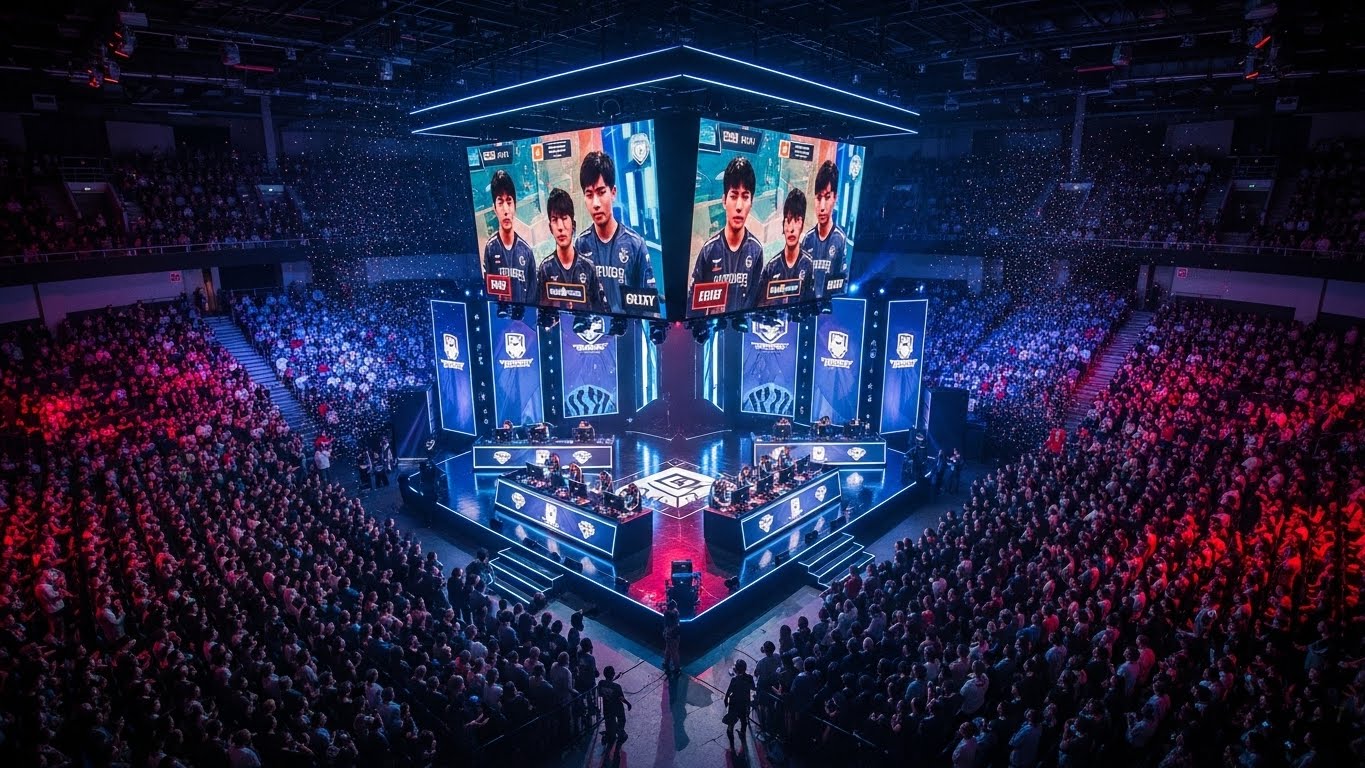
Esports represents a new frontier in competition and entertainment. From humble beginnings in arcades and college dorms to stadium-filling tournaments streamed to millions, esports has become a global phenomenon. It combines skill, strategy, teamwork, and technology to create experiences that rival traditional sports.
The rise of esports highlights the power of passion, innovation, and community. Players, fans, organizations, and developers all contribute to this evolving industry, shaping the way people compete and connect in the digital era. As technology and accessibility continue to improve, esports is poised to grow even further, cementing its place as a lasting and influential cultural force.