 championcircle20
Esports Revolution: Redefining Competitive Gaming in the Digital Age
Introduction
Esports, short for electronic sports, has evolved from casual gaming into a worldwide phenomenon. Millions of players, teams, and fans engage in competitive gaming every day, transforming video games into a professional and highly entertaining form of competition. Esports combines skill, strategy, and teamwork, creating experiences that rival traditional sports in excitement and global appeal.
The Rise of Esports
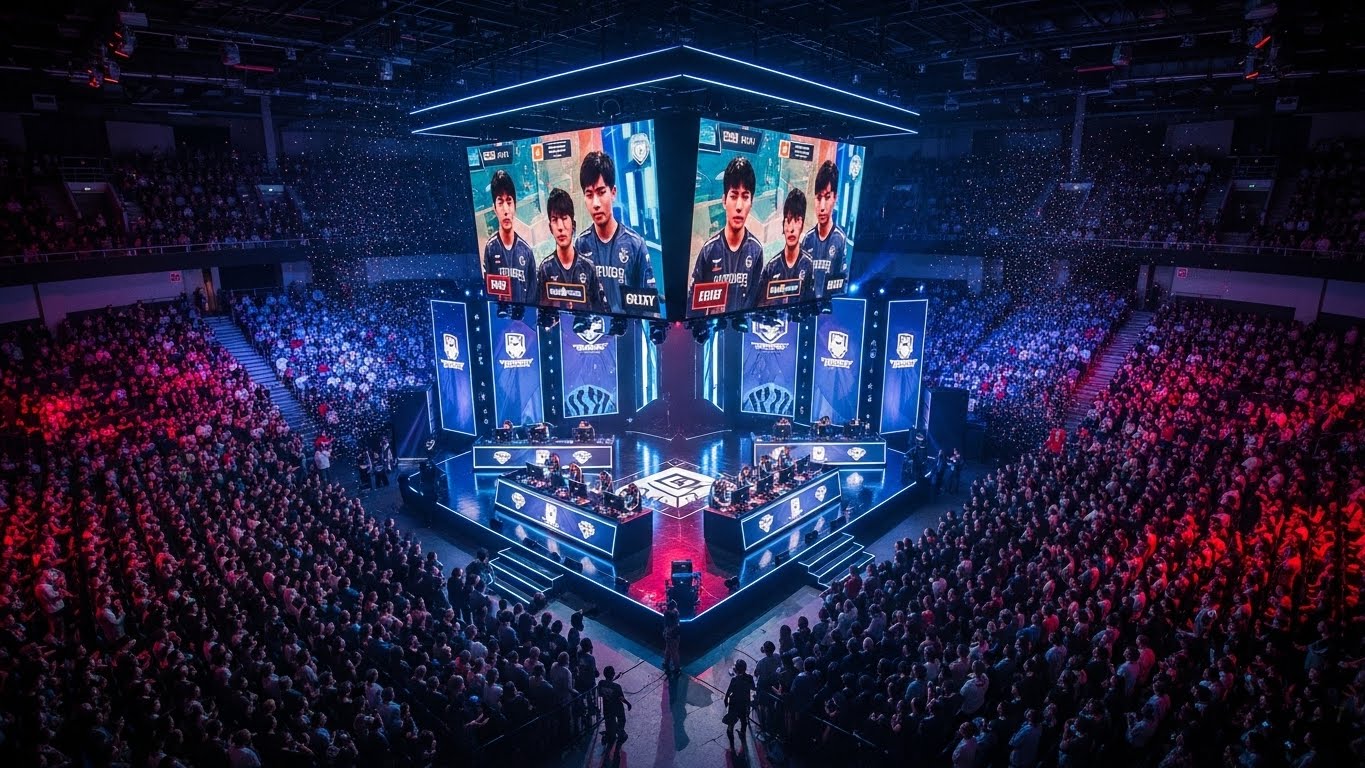
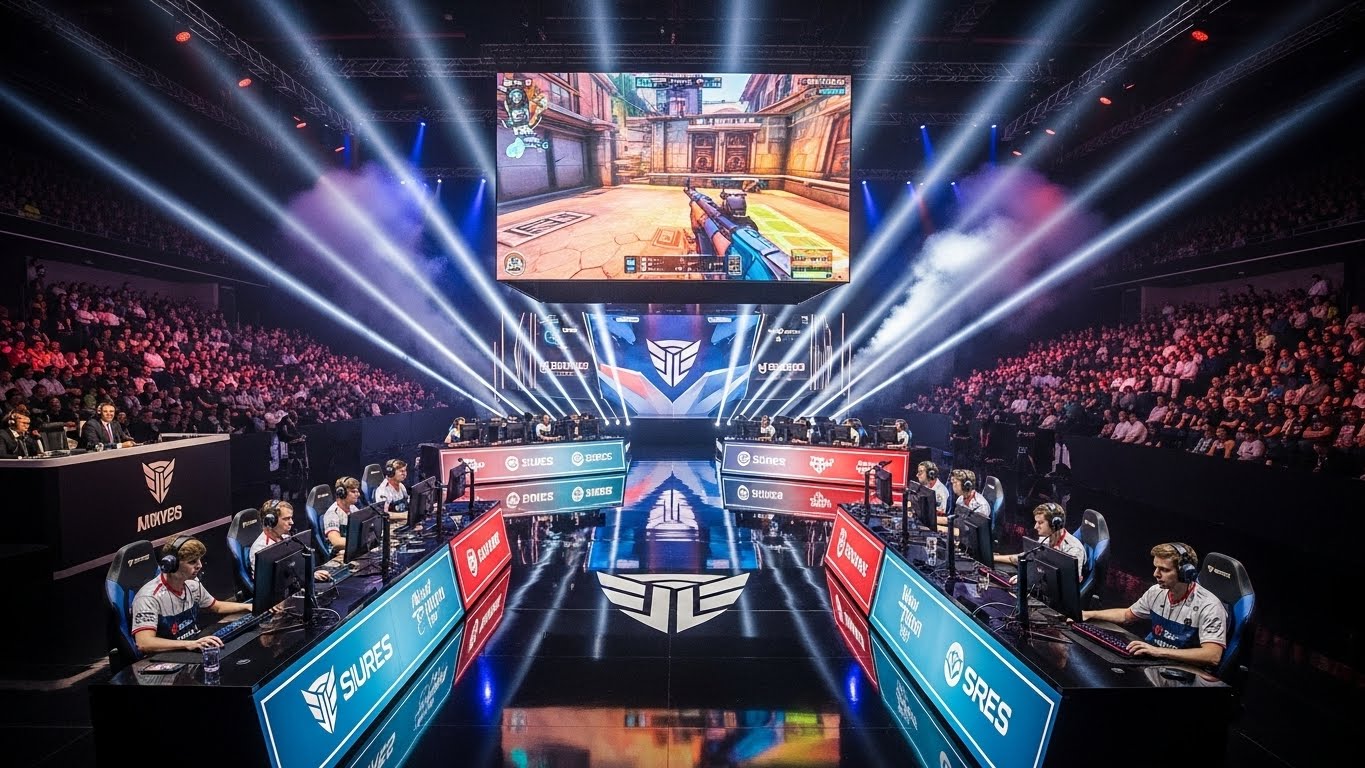
Esports began with small local competitions and friendly online matches. As multiplayer games and streaming platforms developed, competitive gaming gained massive popularity. Today, professional esports tournaments attract millions of viewers and offer significant prize pools. Games like League of Legends, Dota 2, and Counter-Strike have become iconic, shaping the global esports landscape.
The Thrill of Competition
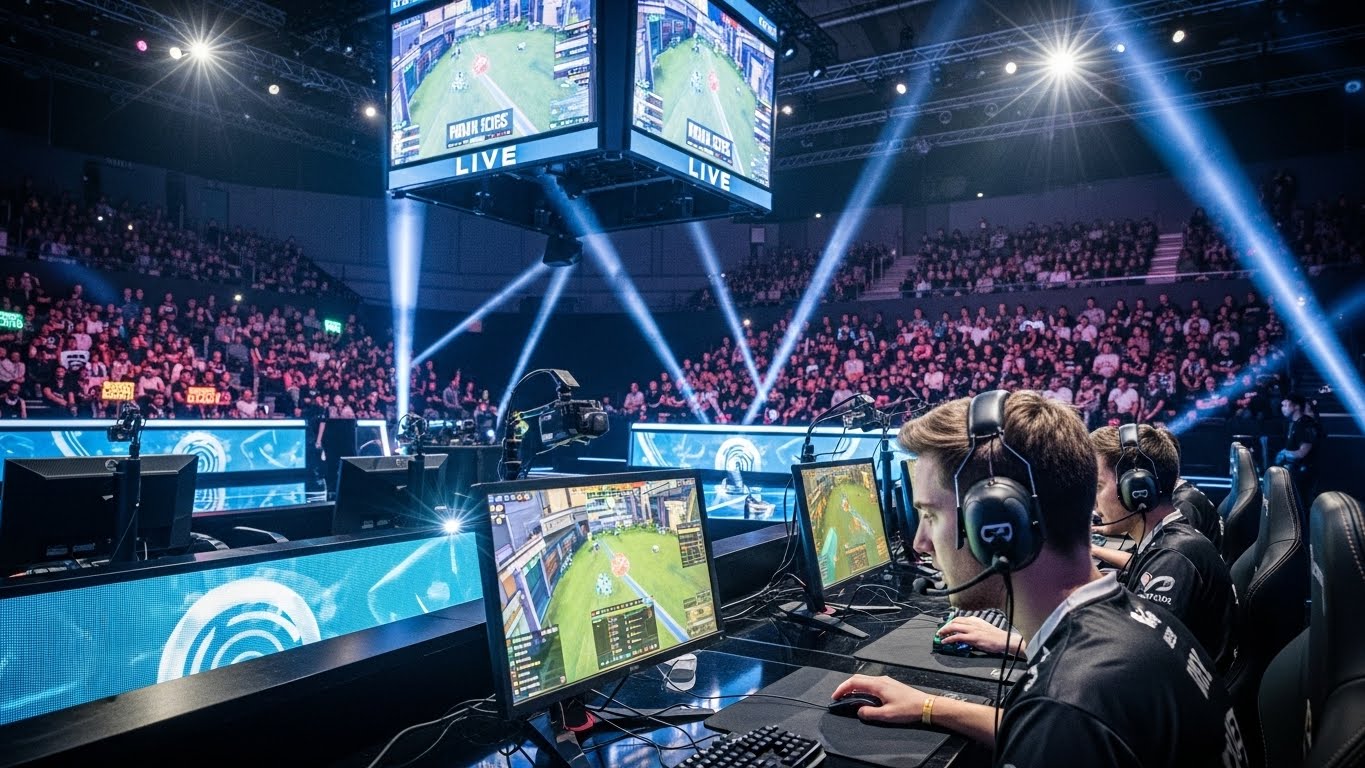
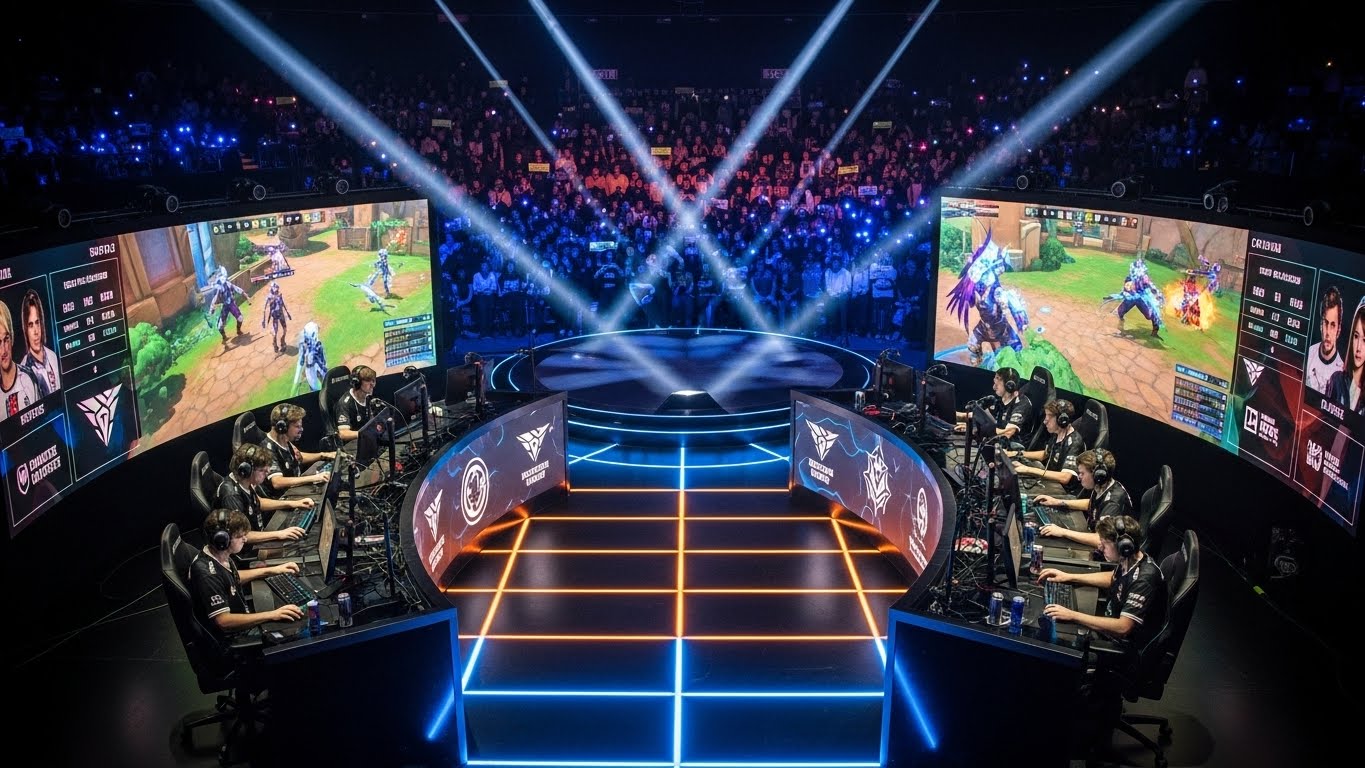
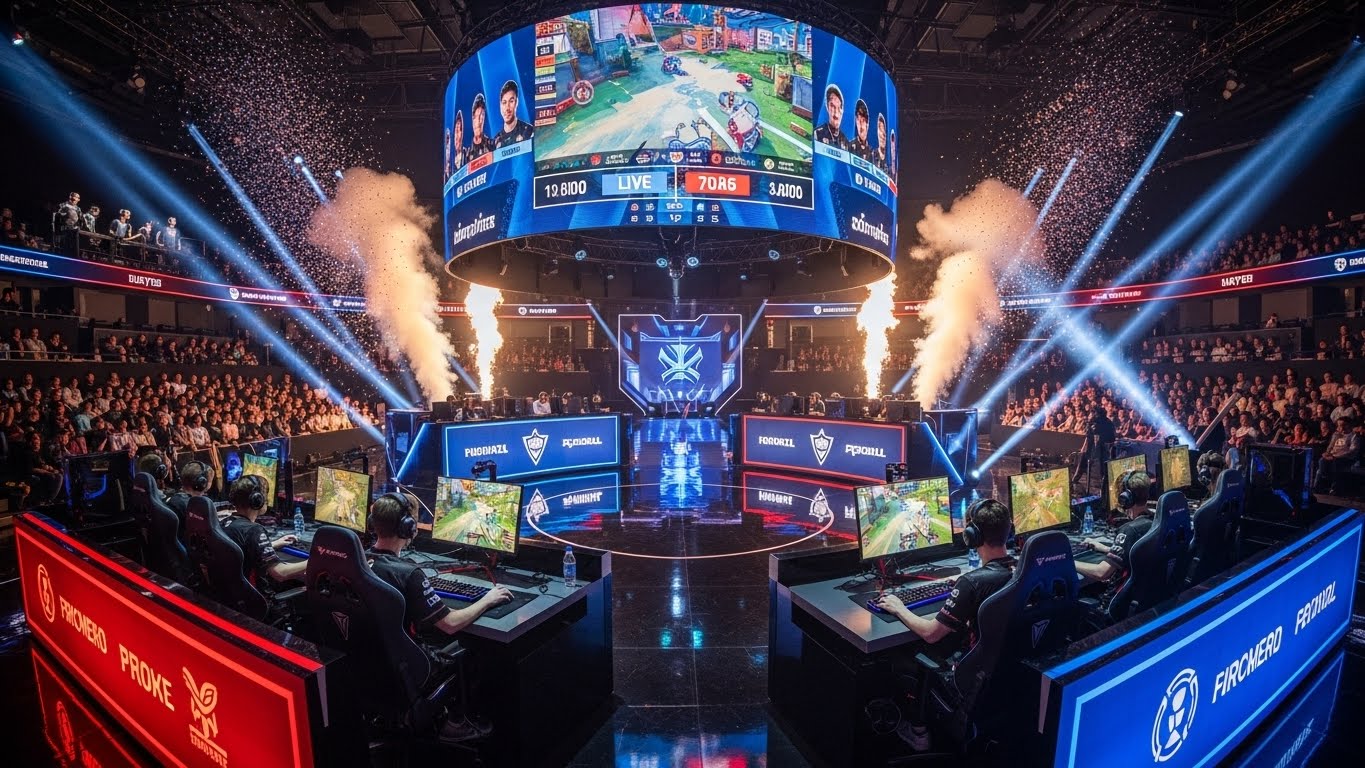
The core of esports lies in competition. Players train for hours, mastering strategies, improving reflexes, and collaborating with teammates. Whether it’s fast-paced shooters, real-time strategy games, or sports simulations, esports challenges both the mind and the body. The adrenaline, pressure, and unpredictability make every match thrilling for players and audiences alike.
Esports as a Career
Esports has opened professional opportunities for talented gamers. Top players earn income from tournaments, sponsorships, and streaming. Coaches, analysts, commentators, and event organizers contribute to the industry, making esports a full-fledged professional ecosystem. For many, gaming is no longer just a hobby but a legitimate career.
The Global Community
Esports unites people worldwide. Fans and players connect through online tournaments, live streams, and international events. The community is diverse and inclusive, fostering friendships and collaboration across borders. Esports brings people together, creating shared experiences and a sense of belonging that transcends language and culture.
Technology Driving Esports
Technology is the backbone of esports. High-speed internet, powerful gaming hardware, and live streaming platforms enable competitive play and global audience engagement. Analytics and AI help teams refine strategies, while virtual arenas provide immersive experiences for players and spectators alike. Innovation continues to shape esports, pushing the boundaries of what is possible.
The Future of Esports
The future of esports is bright and rapidly expanding. Emerging technologies like virtual reality, augmented reality, and cloud gaming are making competitions more immersive and accessible. Esports will continue to grow as a mainstream form of entertainment, education, and social interaction, combining technology, creativity, and skill in unprecedented ways.
Conclusion
Esports has transformed gaming into a professional, competitive, and cultural force. It entertains, challenges, and connects millions of people around the world. With continuous innovation and growing global interest, esports is poised to redefine the future of digital competition and entertainment, offering exciting opportunities for players, fans, and the industry as a whole.