 championcircle20
In the digital age, competition is no longer confined to physical fields or courts. Esports, or competitive video gaming, has taken the world by storm, creating a new arena where players battle not with physical strength but with skill, strategy, and reflexes. What started as a niche hobby has rapidly transformed into a global phenomenon, with millions of fans, professional leagues, and multi-million-dollar prize pools. In this post, we will explore how esports has evolved from its humble beginnings into one of the most dynamic and influential sectors in entertainment today.
The Birth of Esports: A Shift in Gaming Culture
Esports traces its origins to the earliest days of competitive gaming. In the 1970s, video game tournaments like the Space Invaders Championship marked the beginning of organized competitive gaming. However, it wasn’t until the advent of online multiplayer games in the late 1990s that esports truly began to take shape. Games such as Quake and StarCraft allowed players to compete across networks, which set the stage for larger-scale tournaments.
The real turning point for esports came in South Korea in the early 2000s. The country’s widespread access to fast internet and the cultural embrace of gaming led to the rise of esports as a legitimate spectator sport. Tournaments like StarCraft and Warcraft III became national events, televised to millions of viewers. This marked the moment when esports began to shift from a niche pastime to a professional industry, with players emerging as celebrities and sponsors backing major tournaments.
The Evolution of Professional Esports: From Players to Teams
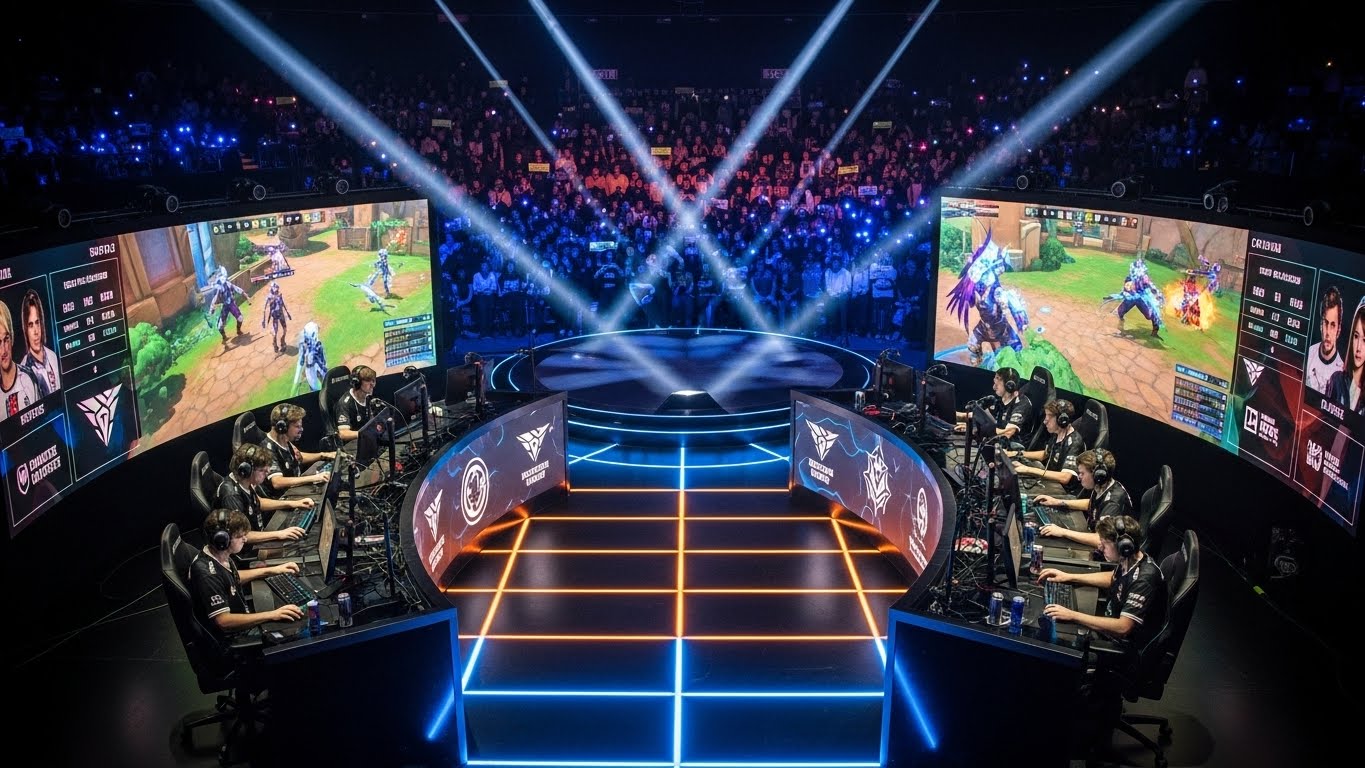
As esports grew in popularity, the nature of competitive gaming evolved. What was once a casual pursuit among friends gradually became a professional industry with teams, coaches, analysts, and managers. Esports organizations, similar to traditional sports teams, began to form, each competing in specific titles like League of Legends, Dota 2, Counter-Strike: Global Offensive, and Overwatch. These teams train rigorously and employ coaches to help strategize and optimize their performance.
In the world of professional esports, players sign contracts, live in team houses, and travel the world for international tournaments. Much like athletes in traditional sports, esports players dedicate their lives to their craft. This level of commitment is essential as the competition is fierce, with only the best players making it to the top. Over time, esports leagues began to resemble major league sports, with structures such as The League of Legends Championship Series (LCS) and The Overwatch League (OWL) creating a regular season and playoff system. These leagues not only provided consistent competition but also brought stability and growth to the industry.
The Rise of Esports as a Global Spectator Sport
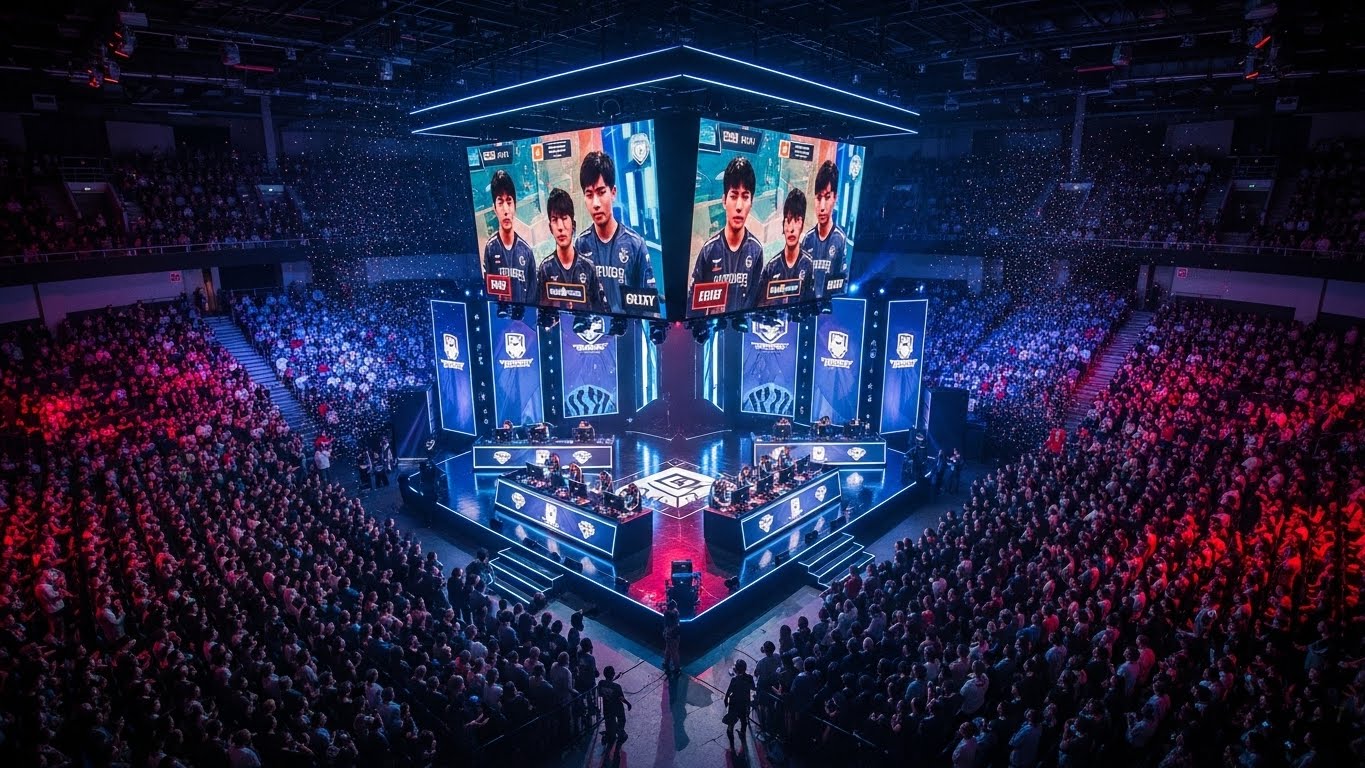
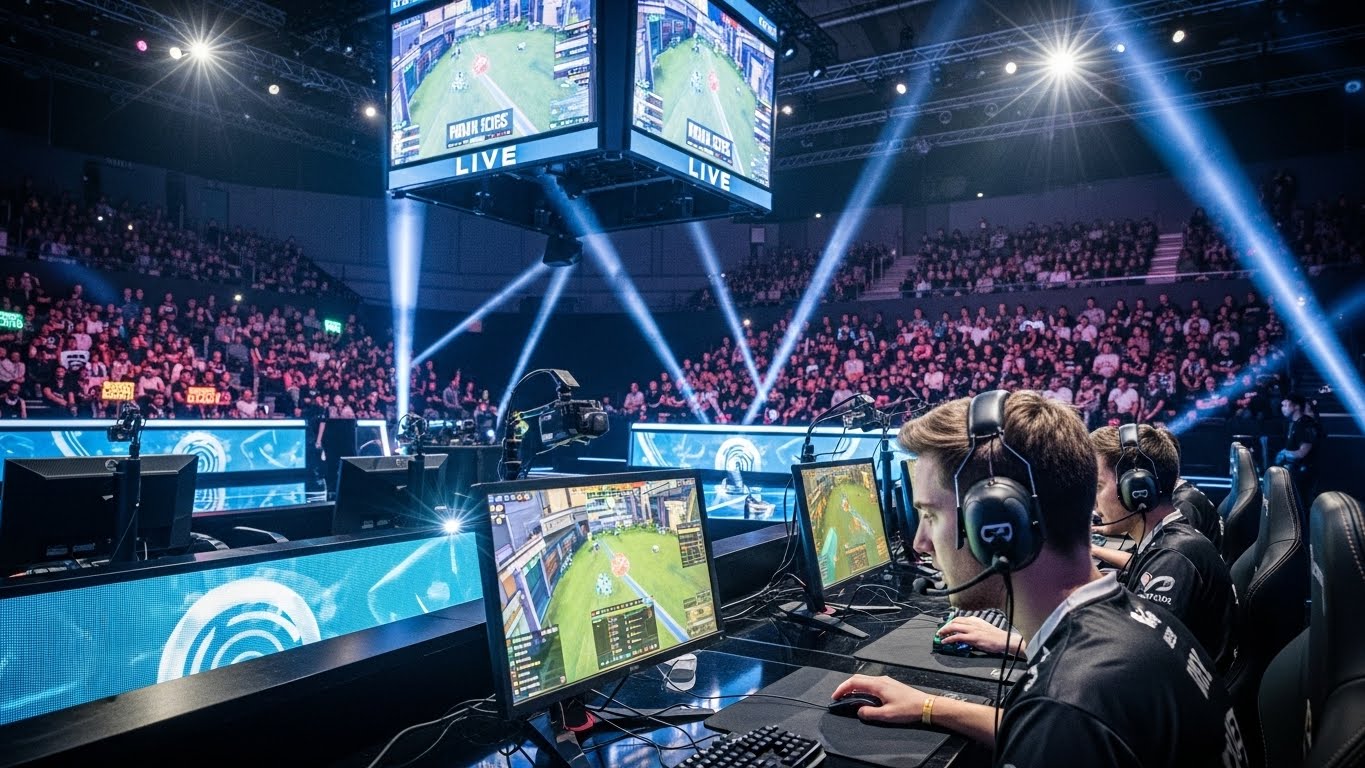
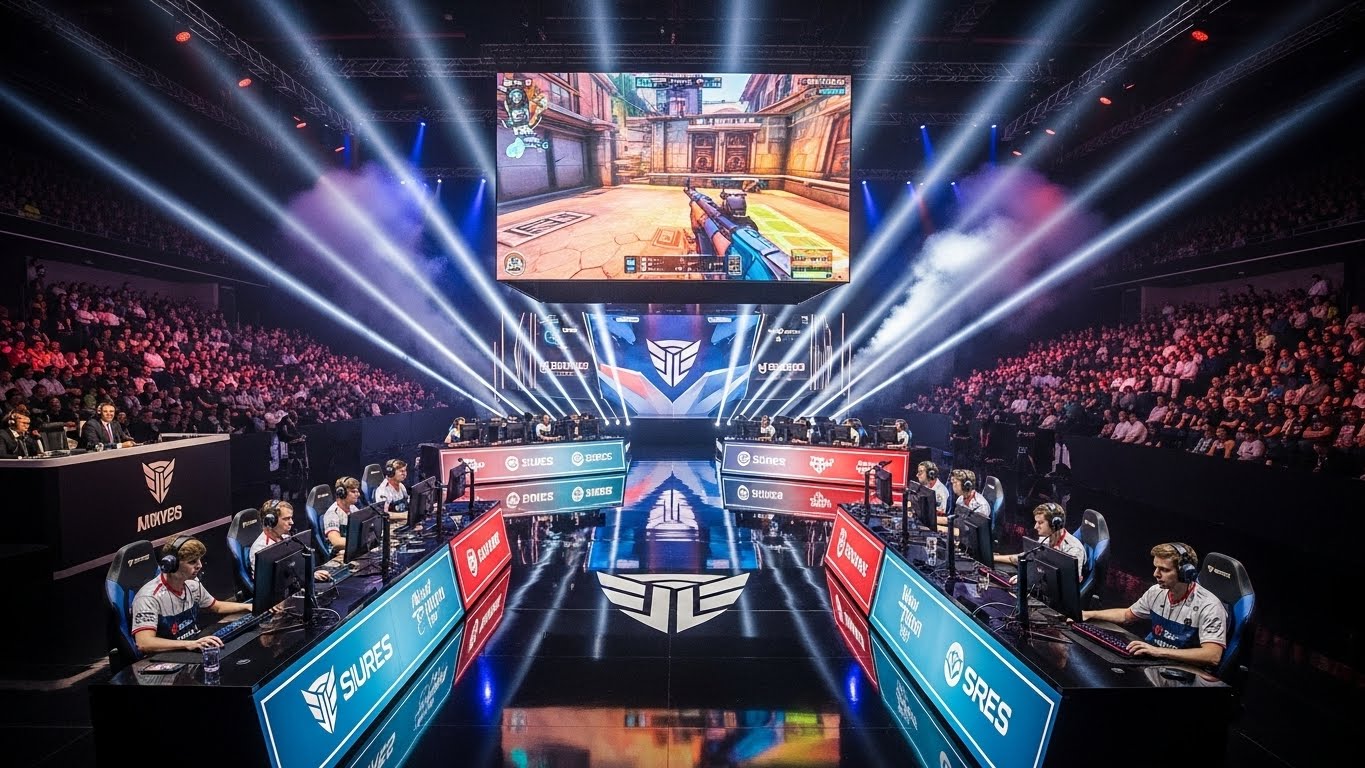
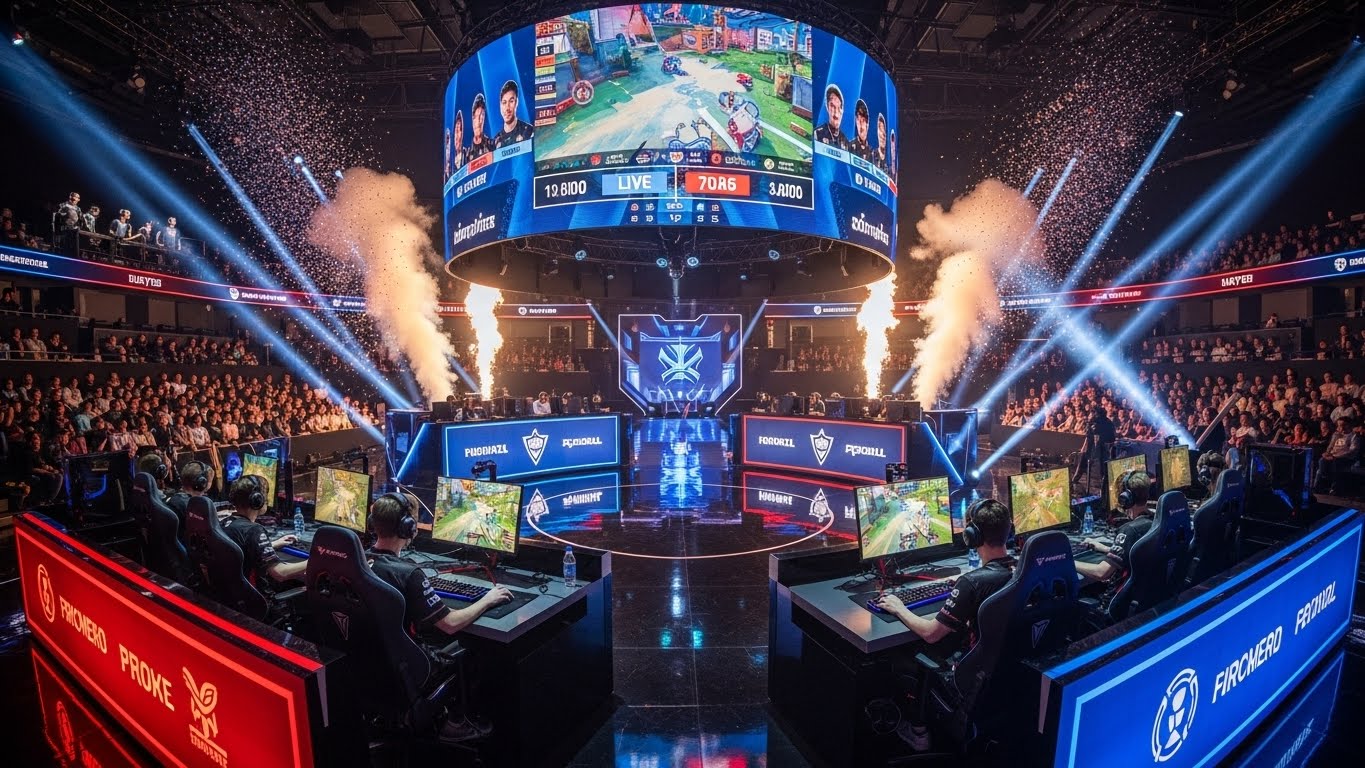
One of the most remarkable aspects of esports is how it has grown into a spectator sport. Traditional sports are often limited to specific locations or countries, but esports transcends geographic boundaries. Tournaments are now held in massive arenas, with millions of viewers tuning in online to watch live streams. The rise of streaming platforms like Twitch and YouTube Gaming has revolutionized the way people consume content, making it possible for fans to watch live esports competitions from anywhere in the world.
Major esports tournaments like The International (Dota 2) and the League of Legends World Championship draw viewership numbers comparable to traditional sports. For instance, the League of Legends finals attract millions of live viewers, with the event often being broadcast in multiple languages to cater to the global audience. These tournaments are more than just competitions; they are cultural events that celebrate gaming and bring together fans from diverse backgrounds.
The rise of esports as a spectator sport has created a new form of entertainment. Fans don’t just watch the matches; they engage with the personalities, follow team dynamics, and experience the drama of competition as if they were cheering for their favorite football or basketball team. Esports has made its mark on popular culture, influencing music, fashion, and even social media trends.
Technology’s Impact on Esports: The Backbone of the Industry
Technology has been the driving force behind the growth of esports. From faster internet speeds to more powerful gaming systems, technological advancements have allowed esports to flourish. High-speed internet is essential for real-time multiplayer games, and as internet connectivity has improved, so has the quality of the gaming experience.
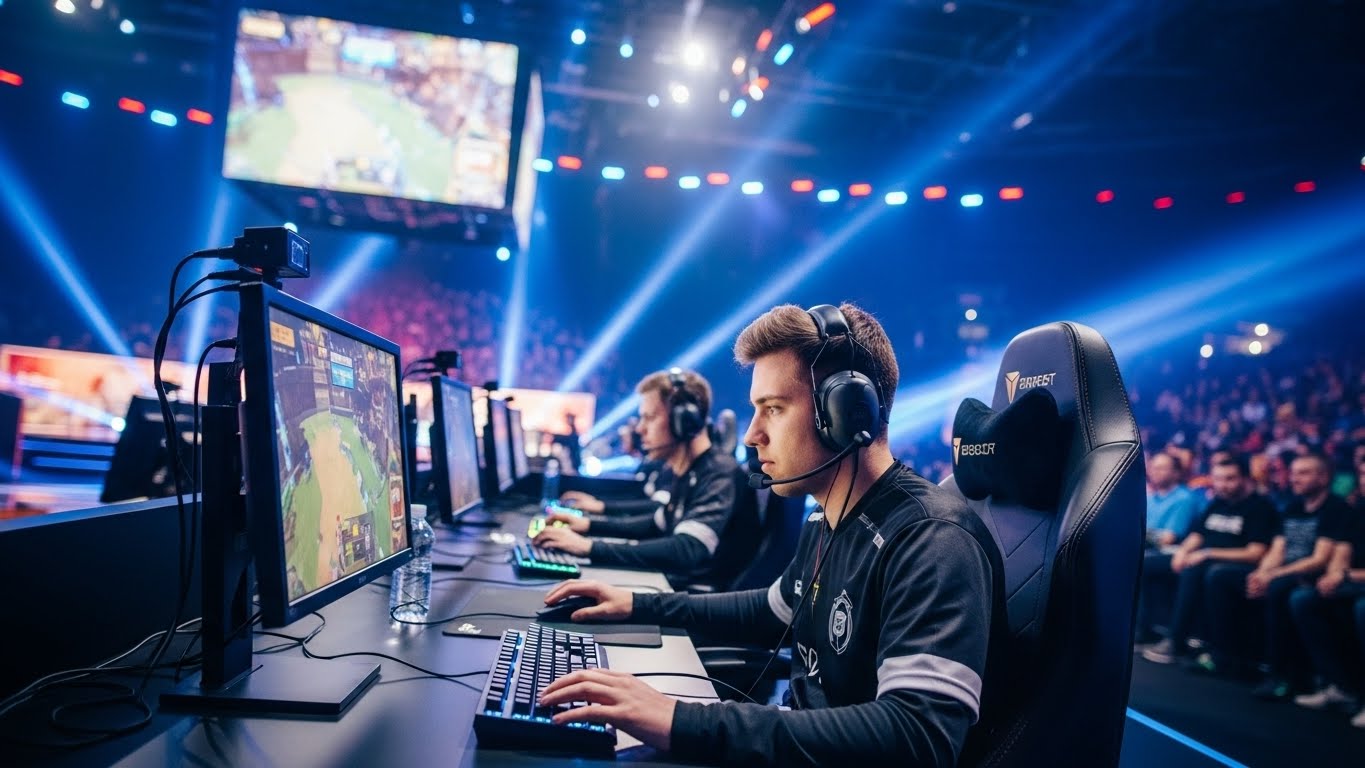
The evolution of gaming hardware has also played a significant role. Professional gamers use state-of-the-art PCs with high-performance processors, custom peripherals like mice, keyboards, and headsets designed for precision, and monitors with high refresh rates to gain an edge over their opponents. This cutting-edge technology ensures that players can perform at the highest level, while fans can enjoy a seamless viewing experience with minimal lag.
Streaming platforms like Twitch have also been vital to the growth of esports. These platforms allow gamers to live-stream their gameplay and interact with their audiences in real-time. It’s not just about watching; fans can chat, ask questions, and engage with their favorite players and influencers. The combination of high-quality gameplay and interactivity has made esports a unique form of entertainment.
Moreover, technologies such as virtual reality (VR) and augmented reality (AR) have the potential to revolutionize esports even further. While still in its early stages, VR esports is already offering players and viewers an immersive experience, allowing them to step into the game like never before.
Esports and the Economy: A Billion-Dollar Industry
Esports has evolved from a hobby to a thriving multi-billion-dollar industry. In 2023, the global esports market was valued at over $1.5 billion, with projections showing steady growth for the coming years. Revenue streams in esports include sponsorships, media rights, advertising, ticket sales, and merchandise. Sponsorships from major brands such as Coca-Cola, Intel, and Nike have helped elevate esports into the mainstream, with companies eager to tap into the massive audience that follows esports.
Professional esports players are also highly paid, with top players earning significant salaries through tournament winnings, streaming revenue, and sponsorship deals. A player’s income can be further boosted through partnerships with streaming platforms and sponsorships from brands looking to leverage their influence. The rise of esports has created new career opportunities not only for players but also for coaches, analysts, content creators, event organizers, and tech developers, all contributing to the growth of the ecosystem.
Furthermore, esports has led to the emergence of dedicated esports arenas, which are purpose-built venues designed for both tournaments and spectator events. These arenas serve as the headquarters for esports teams and provide a venue for large-scale competitions, attracting fans and media coverage from around the world.
Esports and Cultural Change: Breaking Stereotypes
Beyond the financial and professional aspects, esports has had a profound cultural impact. It has helped to break down the long-standing stereotypes about gamers. The image of the isolated, antisocial gamer is increasingly being replaced with that of a social, skilled athlete who thrives in a collaborative team environment. Esports has become a legitimate career path for young people, and its rapid growth has influenced the way society views gaming as a whole.
Esports has also contributed to the conversation about diversity and inclusion. Historically, gaming has been seen as a predominantly male activity, but over the years, more women have become involved in esports, both as players and as content creators. Female gamers and esports professionals are breaking barriers and challenging gender stereotypes, with organizations and tournaments actively supporting inclusivity.
The impact of esports on youth culture is also significant. Esports programs are now being offered at schools and universities, with dedicated teams and scholarships for students interested in competitive gaming. This has helped to legitimize esports as an educational and career pursuit, and many young people are now viewing professional gaming as a viable option for their futures.
The Future of Esports: Endless Possibilities
The future of esports looks incredibly promising. With continued technological advancements, increased investment, and growing fan engagement, the industry is expected to continue its upward trajectory. New games will continue to emerge, offering fresh opportunities for players to compete and for fans to engage. Virtual and augmented reality may become more integrated into esports competitions, providing a new layer of immersion for both players and viewers.
Esports is also likely to expand into new areas of entertainment. We may see esports become part of major multi-sport events like the Olympics, further cementing its place in the global sporting landscape. With growing international interest, esports could become a staple of mainstream entertainment, appealing to a broader audience beyond just gamers.
The rise of mobile gaming will also play a role in the future of esports. As smartphones become more powerful, mobile esports will continue to grow, with games like PUBG Mobile and Clash Royale already attracting large audiences. Mobile esports could open up the door to new demographics and regions, particularly in emerging markets.
Conclusion: Esports Is Here to Stay
Esports has come a long way since its early days as a hobbyist pursuit. Today, it stands as a global industry that generates billions in revenue, draws millions of fans, and offers players a viable career path. As the industry continues to evolve, esports will only grow in importance, influencing entertainment, culture, and even traditional sports. Esports is no longer just about playing games; it’s about competition, community, and the future of digital entertainment.
In the coming years, esports will continue to redefine the way we think about gaming and sports. Whether you’re a seasoned player, a passionate fan, or someone new to the scene, one thing is clear: esports is here to stay, and its influence will only continue to grow.