 championcircle20
How Corporate Sponsorship Impacts Player Autonomy in Esports
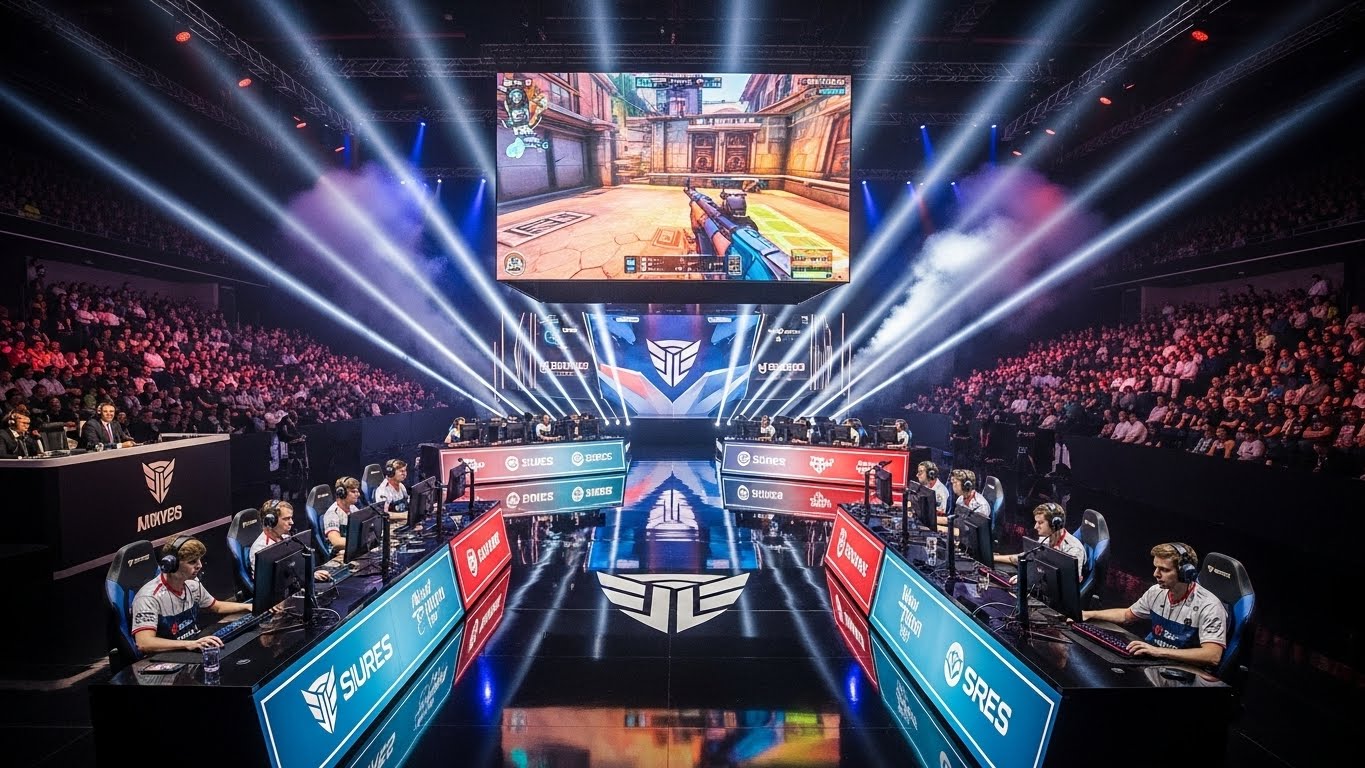
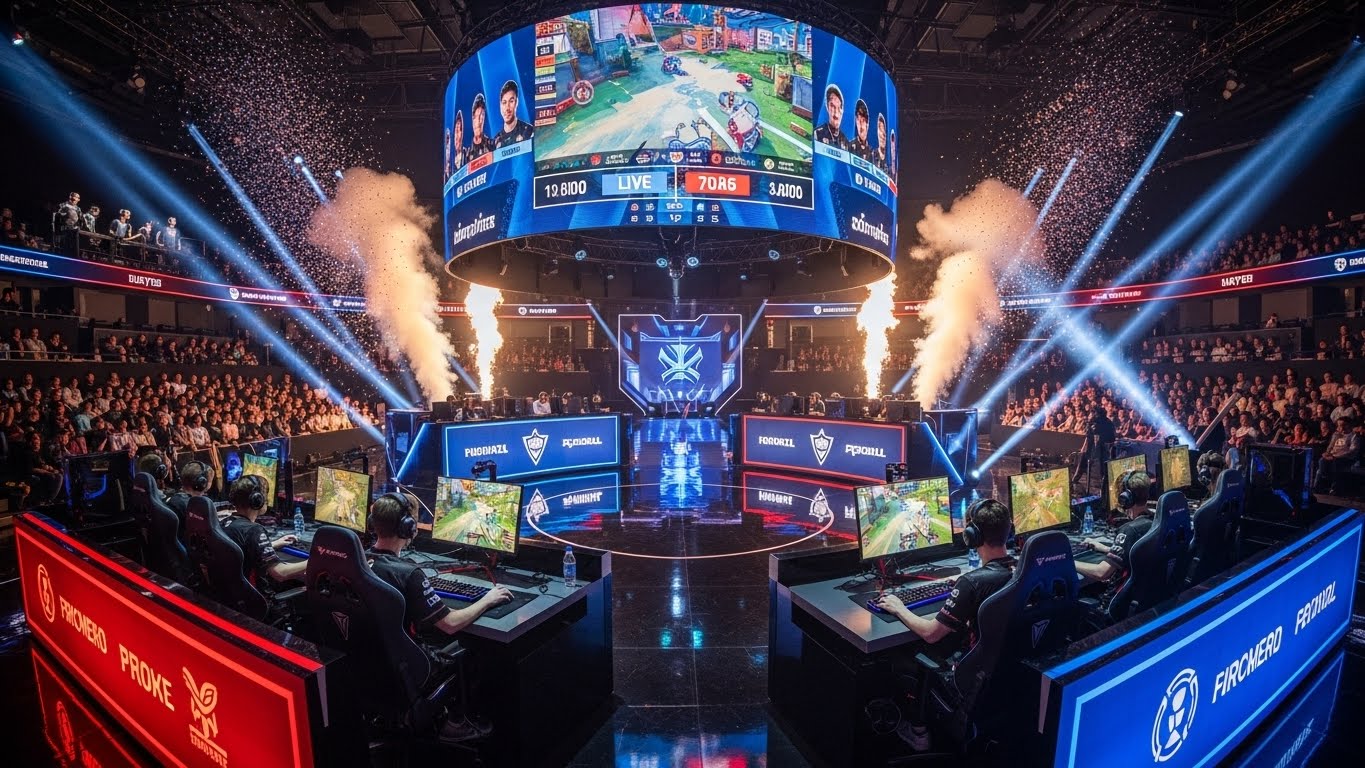
Corporate sponsorship is one of the most significant drivers of revenue in esports, helping teams, tournaments, and players grow financially. Sponsorships provide funds for salaries, equipment, travel, and marketing, enabling esports to reach professional-level stability similar to traditional sports. However, while sponsorships offer numerous benefits, they can also influence the autonomy of players, affecting their personal branding, gameplay decisions, and even career trajectory.
This blog explores how corporate sponsorship impacts player autonomy, the balance between opportunity and control, and the broader implications for the esports industry.
Understanding Player Autonomy in Esports
Player autonomy refers to a player’s ability to make independent decisions regarding:
- Gameplay and Training: Choosing strategies, playstyles, and practice routines.
- Personal Branding: Using social media, streams, and public appearances as they see fit.
- Career Moves: Selecting teams, tournaments, or leagues based on personal goals.
- Endorsements: Choosing which brands or products to promote independently.
Autonomy allows players to shape their identity, manage their career trajectory, and maintain creative and strategic freedom.
The Role of Corporate Sponsorship
Corporate sponsorship occurs when companies provide financial support, equipment, or services in exchange for marketing exposure. This can include:
- Monetary Sponsorship: Direct payments to teams or players.
- Equipment and Gear: Providing gaming peripherals, computers, or apparel.
- Event Sponsorship: Funding tournaments or esports leagues, often tied to brand visibility.
- Content Partnerships: Paying players to promote products on social media, streams, or videos.
Sponsorship deals are often essential for a player’s financial stability but can come with contractual obligations that impact autonomy.
Ways Sponsorship Affects Player Autonomy
1. Content and Branding Control
Many sponsorship agreements include clauses specifying:
- How players represent the brand online.
- Required mentions in streams, videos, or social media posts.
- Restrictions on promoting competing brands.
While these agreements provide financial incentives, they can limit a player’s freedom to create content authentically or engage with fans in ways they prefer.
2. Gameplay and Strategic Influence
Some sponsors, especially hardware or software companies, may influence the tools players use. For example:
- Mandating specific gaming peripherals or brands.
- Encouraging certain styles of gameplay that showcase the sponsor’s products.
This can subtly affect player performance, training, and the natural development of their playstyle.
3. Event Participation and Scheduling
Players may be contractually obligated to attend sponsored events, promotional appearances, or exhibitions. This can interfere with:
- Personal training schedules.
- Team practice and strategy development.
- Participation in independent tournaments not aligned with sponsors.
These obligations can restrict players from making independent career choices.
4. Team and Publisher Pressure
Sponsorship deals often benefit teams or publishers as a whole, which may lead to:
- Teams enforcing brand compliance on players.
- Publishers prioritizing sponsored content over player preference.
- Conflicts between individual player interests and organizational goals.
Players may find themselves balancing sponsor demands with competitive priorities.
Balancing Sponsorship Benefits and Autonomy
Despite the restrictions, corporate sponsorship offers significant advantages:
- Financial Stability: Salaries, tournament bonuses, and gear reduce financial stress.
- Exposure: Sponsored content increases visibility, growing fanbases and career opportunities.
- Resources and Support: Sponsors may provide coaching, analytics tools, or health and wellness programs.
- Professional Growth: Partnerships can teach negotiation, branding, and media skills.
Players often negotiate contracts to maintain as much autonomy as possible while still benefiting from sponsorships.
Strategies for Maintaining Autonomy
Professional players use several approaches to balance sponsorship obligations with personal freedom:
- Selective Endorsements: Choosing brands that align with personal values and image.
- Clear Contract Terms: Ensuring sponsorship contracts specify boundaries regarding content, gameplay, and promotion.
- Transparency with Fans: Communicating sponsorship obligations openly to maintain authenticity.
- Diversifying Revenue Streams: Relying on multiple income sources (streaming, merchandise, coaching) to reduce dependency on a single sponsor.
These strategies help players protect creative freedom while leveraging the benefits of corporate partnerships.
Case Studies
Ninja (Tyler Blevins)
- Multiple sponsorships with brands like Red Bull and Adidas.
- While sponsorships boosted visibility and income, Ninja has maintained strong control over his content and streams, balancing corporate obligations with personal branding.
Faker (Lee Sang-hyeok)
- Sponsored by Samsung and other major companies.
- Faker’s contracts with organizations ensure compliance with branding while still allowing him to focus on competitive gameplay and personal identity.
League of Legends Players in LCS
- League of Legends players often face restrictions on what peripherals they use or games they stream.
- Players negotiate terms to preserve autonomy while benefiting from exposure and financial support.
Implications for the Esports Industry
- Professionalization: Sponsorship is essential for sustainable careers but requires balancing autonomy and corporate interests.
- Player Rights: There is growing awareness of contracts that overly restrict personal freedom, leading to better-negotiated deals.
- Fan Perception: Players who maintain authenticity tend to retain fan loyalty, even under sponsorship agreements.
- Industry Standards: Organizations are increasingly adopting policies to protect player autonomy while securing sponsorship revenue.
Conclusion
Corporate sponsorship has fundamentally shaped esports, providing players with financial security, exposure, and professional resources. However, these partnerships can also influence player autonomy, affecting personal branding, gameplay decisions, and career flexibility.
Successful esports athletes navigate this balance by carefully selecting sponsors, negotiating contract terms, and maintaining transparency with their audience. While sponsorship can impose limitations, it also enables players to pursue esports as a full-time career, supporting growth and sustainability within the industry.
Ultimately, the interplay between sponsorship and autonomy defines how players shape their careers and how the esports ecosystem evolves as a professional and commercial arena.