 championcircle20
How Esports Creates Global Friendships
Introduction
Esports has grown far beyond being just a competition between players. It has become a digital bridge connecting people across continents, languages, and cultures. Whether it’s through team play, online tournaments, streaming platforms, or fan communities, esports fosters relationships that transcend borders. Unlike traditional sports, which often rely on geographic proximity, esports thrives in the boundless world of the internet, where anyone with a passion for gaming can connect. In this global ecosystem, friendships are formed not by physical closeness but by shared interests, teamwork, and mutual respect.
This article explores how esports has become a medium for creating global friendships, the factors that make it so effective at uniting people, and the profound social impacts it continues to have around the world.
The Digital Nature of Esports: Connecting Beyond Borders
Esports is inherently digital. Players compete through online platforms that allow instant interaction across continents. A gamer in South Korea can play alongside someone from Germany, the United States, or Pakistan in real time. This borderless nature of gaming removes the traditional limitations that physical sports or social environments often impose.
Through online matchmaking, team-building platforms, and cross-regional tournaments, esports naturally encourages communication and collaboration among people from different nations. The shared goal of victory pushes players to coordinate, communicate, and build trust — forming connections that often last well beyond the game itself.
Shared Passion Creates Common Ground
In a world where cultural and political differences often divide people, a shared love for gaming creates a universal language. When two players compete or collaborate in a game, their nationality becomes secondary to their skill, strategy, and enthusiasm for the competition.
For instance, players from different backgrounds may not share a spoken language fluently, but through in-game pings, gestures, and simple phrases, they can still coordinate effectively. This shared interest establishes an emotional connection. They understand each other’s excitement, frustration, and joy — emotions that need no translation.
Friendships in esports often begin through this common passion, gradually evolving as players spend more time playing, chatting, and strategizing together. Over time, these connections extend to social media, streaming platforms, and even real-world meetups at tournaments and conventions.
Teamwork Fosters Lasting Bonds
Team-based esports titles such as League of Legends, Dota 2, Valorant, and Counter-Strike 2 rely heavily on teamwork. Players must trust one another, communicate effectively, and adapt to one another’s playstyles. When a group of individuals from different parts of the world unite under one banner, they not only strive for victory but also build understanding and empathy for one another’s cultures.
This collaboration often extends beyond the game. Teams develop shared rituals, communication codes, and inside jokes that strengthen their connection. Over time, players learn about each other’s backgrounds, holidays, languages, and even local foods — forming friendships that go far deeper than gaming.
Communities and Fan Engagement
The esports ecosystem extends beyond the players themselves. Online communities, streaming platforms, and fan groups bring millions of people together under a single passion. These communities often host global conversations, where fans from Japan to Brazil discuss their favorite teams, players, and matches.
Streaming platforms like Twitch, Kick, and YouTube Live have further amplified this sense of connection. Chatrooms and community servers enable instant communication, fostering a sense of belonging. Streamers often cultivate global audiences, creating spaces where viewers interact, exchange culture, and support one another.
Many fans end up forming friendships within these spaces — meeting people who share their interests and spending countless hours discussing strategies, cheering for teams, and creating fan art or memes together.
Language Barriers Are No Longer Walls
In traditional communication, language is often seen as a barrier. But in esports, it becomes a bridge. Many players use simplified communication methods — from game commands and symbols to emojis and short phrases in “gamer slang” understood universally.
For example, expressions like “GG” (good game), “GLHF” (good luck, have fun), or “EZ” (easy win) are recognized across cultures. These shared expressions create a unique digital dialect that gamers everywhere understand, regardless of their native tongue.
Additionally, translation technology and multilingual chat tools have made cross-language communication easier than ever. Esports events often feature multilingual broadcasts, and online communities now include automatic translation systems, helping players and fans interact smoothly.
International Tournaments and Cross-Cultural Encounters
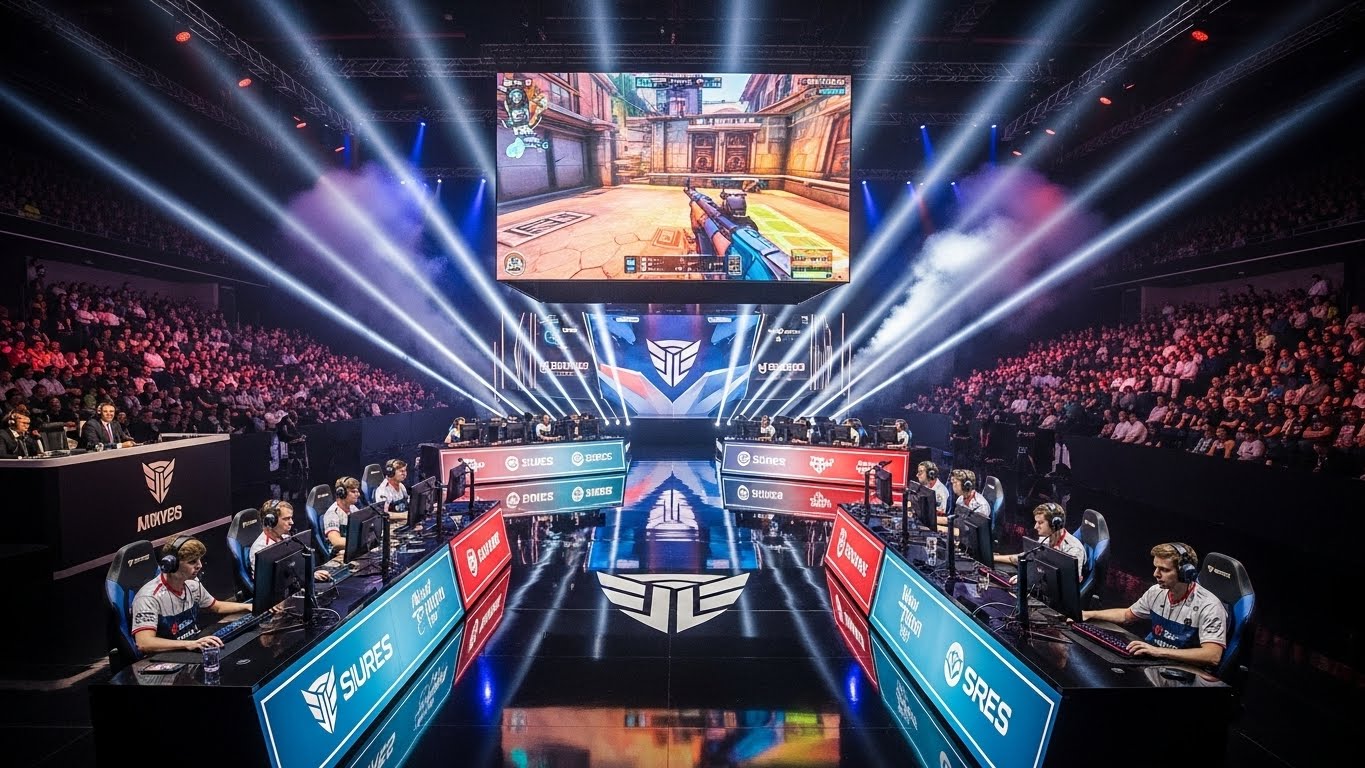
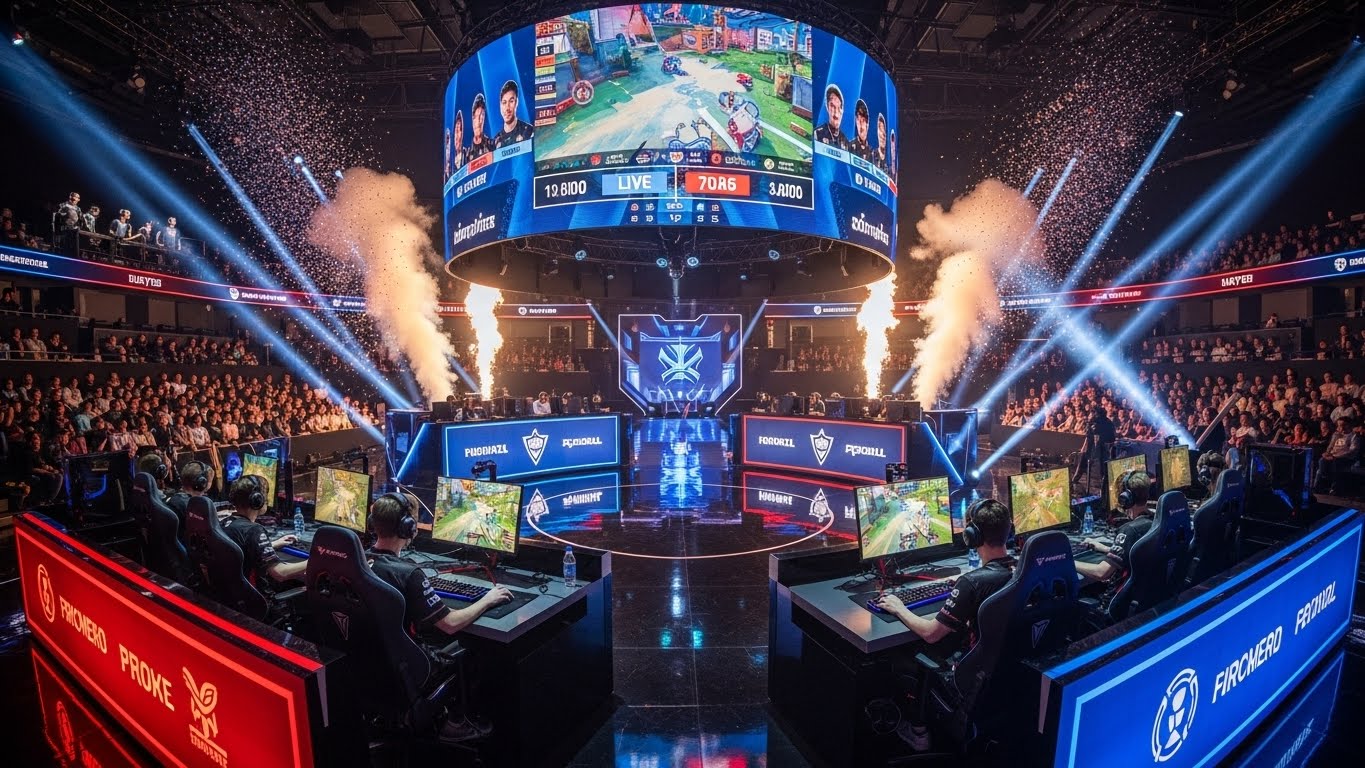
One of the most powerful aspects of esports is its global competition structure. International tournaments such as The International (Dota 2), League of Legends World Championship, and Valorant Champions bring players and fans together from all corners of the world.
These events showcase not only competitive excellence but also cultural exchange. Players and fans alike meet in person, sharing experiences, traditions, and perspectives. The excitement of competition becomes a backdrop for friendship — a reminder that passion for gaming can unite even the most distant individuals.
Many professional players have spoken about how their time competing internationally has expanded their worldview. They often forge bonds with rivals and teammates alike, building networks that transcend nationality and politics.
Social Media and Continued Interaction
After matches or tournaments, friendships in esports don’t fade away. Social media keeps the connection alive. Players and fans communicate through platforms like Discord, X, Reddit, and Instagram, where they continue discussing games, sharing life updates, and supporting each other.
For many, these online friendships evolve into long-term relationships that extend beyond gaming. Some even collaborate on projects, travel to meet each other, or attend global conventions together.
The power of social media lies in its ability to sustain these connections. A player might log into Discord and instantly chat with friends from five different countries. This constant connectivity transforms esports from a mere competitive arena into a global social network.
Esports as a Cultural Equalizer
Esports also plays a unique role as a cultural equalizer. In gaming, what matters most is skill, strategy, and teamwork — not ethnicity, gender, or social background. Players are judged by their performance, creativity, and ability to adapt.
This meritocratic environment makes esports more inclusive, creating a space where friendships can form naturally without prejudice. A player’s identity in the game is often defined by their username and playstyle rather than their background. This anonymity allows people to interact freely, often breaking stereotypes and fostering genuine human connections.
By creating spaces where respect and collaboration are valued above all, esports helps cultivate empathy, tolerance, and appreciation for diversity.
Esports and Youth Connection
For younger generations, esports has become one of the most powerful mediums for building international friendships. Teenagers and young adults who grow up playing games online often develop lifelong relationships with teammates or online friends they’ve never met in person.
These friendships teach valuable social skills: communication, leadership, and conflict resolution. Many young gamers report feeling more confident and socially connected thanks to their online communities. For those who may feel isolated in their real-world environments, esports offers a sense of belonging and acceptance.
The younger generation’s comfort with digital interaction makes esports an especially effective platform for fostering global unity.
Professional Teams as Cultural Melting Pots
Professional esports teams often consist of players from different countries. For example, a single roster might include members from Europe, Asia, and North America. These teams act as cultural melting pots, where players must adapt to different communication styles and traditions.
Over time, they develop mutual respect and understanding, learning to overcome differences for a common goal. These experiences often create deep friendships that endure even after careers end.
Such teams also inspire fans to embrace diversity. When viewers see their favorite team succeed despite linguistic and cultural differences, it reinforces the message that unity and cooperation can achieve greatness.
The Role of Esports Events and Conventions
Global esports conventions and live tournaments provide opportunities for face-to-face interactions. Fans who’ve known each other online for years finally meet, turning digital friendships into real-world connections.
Events like Gamescom, DreamHack, and TwitchCon serve as cultural crossroads. Attendees celebrate their shared interests, exchange cultural artifacts, and often collaborate creatively. These events not only deepen existing friendships but also create new ones through shared enthusiasm and excitement.
Emotional Support in the Gaming Community
The emotional bond within esports friendships can be surprisingly strong. Many players confide in teammates about personal challenges, finding support and understanding from people halfway across the world.
Because these friendships are based on trust and shared experience, they often become safe spaces for emotional expression. The camaraderie that forms during long gaming sessions or tournament runs can create connections as meaningful as those in physical spaces.
In this sense, esports communities act as virtual support networks — where people feel heard, valued, and connected regardless of where they live.
Conclusion
Esports has achieved what few other global phenomena have managed: it has created a world where friendship transcends borders, languages, and cultures. Through competition, collaboration, and communication, players and fans form genuine relationships that redefine what it means to connect in the modern era.
From the thrill of victory to the lessons of defeat, every shared experience strengthens these bonds. Whether it’s through teamwork, fandom, or community, esports has proven that friendship can flourish in digital spaces — reminding us that the desire for connection is universal.
In an age where divisions often dominate headlines, esports stands as a shining example of global unity, showing that with passion, respect, and shared purpose, people can come together — not just to play, but to understand, support, and grow alongside one another.