 championcircle20
The Evolution and Impact of Esports: A Deep Dive into Its Growth and Future
Esports, short for electronic sports, has transformed from a niche hobby into a global entertainment industry worth billions. While its roots can be traced back to the early days of competitive gaming, the rapid growth of esports over the past few decades has caught the attention of not only gamers but also investors, media companies, and large brands. In this blog post, we will explore the evolution of esports, the factors that have contributed to its rise, the challenges it faces, and its future outlook. This article will provide an in-depth analysis of esports’ journey and its broader cultural, economic, and technological impact.
The Humble Beginnings of Esports
Esports is often seen as a modern phenomenon, but its origins date back to the early 1970s. The first recognized video game competition was held in 1972 at Stanford University for the game Spacewar, which marked the beginning of competitive gaming. This was a far cry from today’s global esports tournaments, but it set the foundation for what was to come. The real breakthrough for esports, however, came in the 1990s, with the rise of online multiplayer games and the formation of competitive gaming communities.
During this era, games like Doom, Quake, and Warcraft began to establish a competitive player base. The advent of the internet allowed players from around the world to compete against one another, breaking down geographic barriers. It was during this time that the first significant esports tournaments began to take shape, including events like the Red Annihilation tournament for Quake in 1997, which became one of the first high-profile esports competitions.
The Rise of Esports in the 2000s
The 2000s marked a pivotal period for the esports scene. As broadband internet became more widely available, the infrastructure for competitive gaming grew exponentially. Online gaming platforms like Battle.net, Xbox Live, and Steam facilitated the growth of competitive communities and tournaments. Games such as Counter-Strike, StarCraft, and Warcraft III became the staples of esports, with tournaments like The World Cyber Games (WCG) and Electronic Sports World Cup (ESWC) attracting global attention.
The rise of dedicated esports organizations and professional teams was another significant milestone in the 2000s. These organizations provided a platform for skilled players to showcase their talent and earn a living from competitive gaming. The creation of esports leagues like the Major League Gaming (MLG) in North America helped to solidify esports as a serious profession. MLG tournaments, often broadcasted live, attracted huge audiences and attracted sponsorships from major brands like Coca-Cola and Intel.
In South Korea, StarCraft became a cultural phenomenon, with the game’s competitive scene being heavily promoted by television networks. South Korea became the epicenter of esports in the early 2000s, and it was here that the first esports players achieved celebrity status. The success of StarCraft in South Korea led to the creation of the Korean e-Sports Association (KeSPA), which played a pivotal role in organizing tournaments and promoting professional gaming in the country.
Esports Expands Beyond the Gaming Community
As esports continued to grow, it attracted attention from a broader audience beyond hardcore gamers. In the 2010s, esports began to make its way into the mainstream media. Major streaming platforms like Twitch allowed fans to watch live esports events from the comfort of their homes. Esports tournaments, particularly for games like League of Legends, Dota 2, and Counter-Strike: Global Offensive, started to draw millions of viewers online. Twitch, which was launched in 2011, became the central hub for esports content, providing an accessible platform for fans to engage with their favorite players and teams.
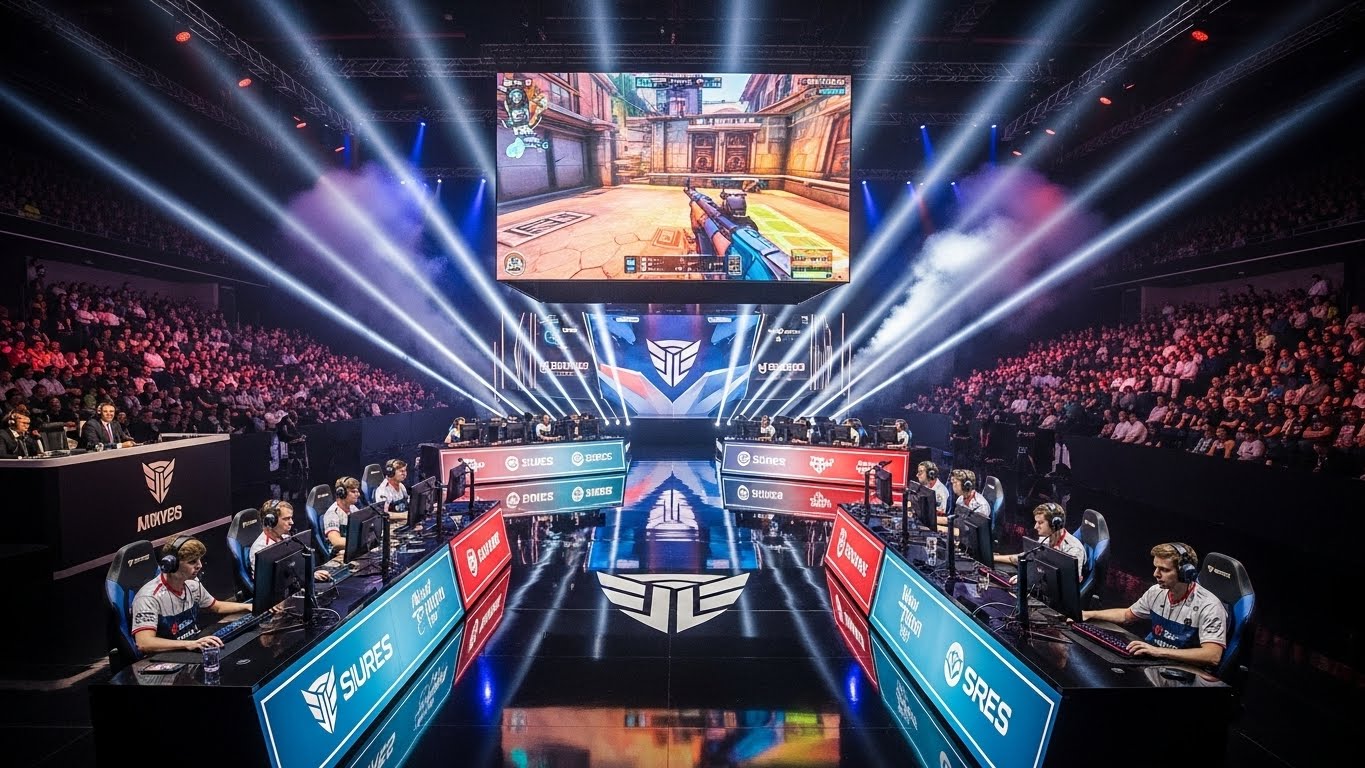
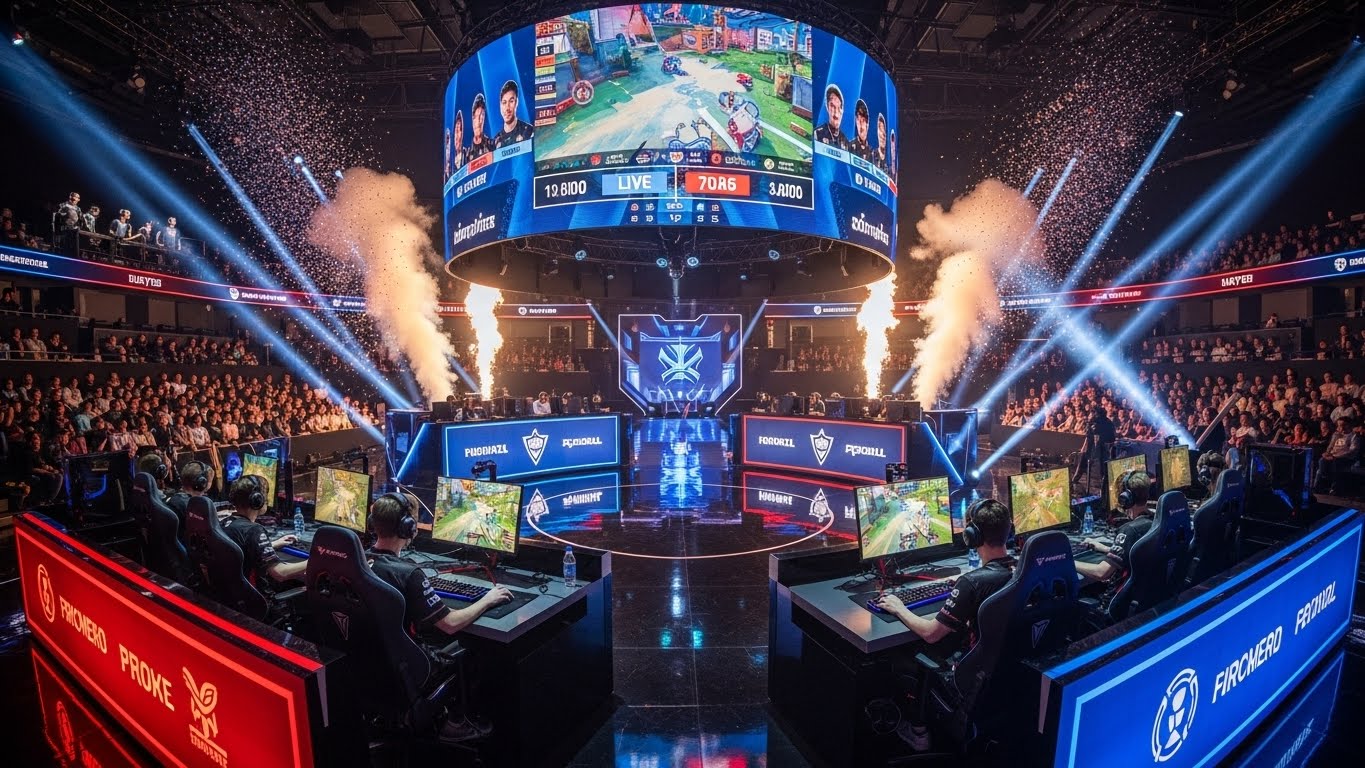
The rise of live streaming also led to the emergence of esports personalities and influencers. Players, streamers, and content creators became celebrities within the esports community, gaining sponsorships, brand deals, and partnerships with major companies. Esports events began to sell out large arenas, and companies like Riot Games, Valve, and Blizzard Entertainment invested heavily in producing high-quality, globally recognized tournaments. The League of Legends World Championship and The International for Dota 2 became major annual events, drawing in huge audiences both in-person and via live-streaming.
In addition to streaming, esports began to gain recognition from traditional media outlets. News networks like ESPN and Fox Sports began broadcasting esports events, signaling that competitive gaming was no longer a fringe activity. Esports earned a spot in the mainstream sports industry, with some events even being included in major international sporting events like the Asian Games.
The Business of Esports: Sponsorships, Media Rights, and Revenue Streams
The commercial side of esports is one of the most fascinating aspects of the industry’s growth. As esports began to attract larger audiences, sponsorship and advertising became vital sources of revenue. Brands from various sectors, including technology, consumer goods, and even automotive companies, started to invest heavily in esports.
One of the most lucrative revenue streams for esports is sponsorships. Companies like Intel, Coca-Cola, Red Bull, and Mercedes-Benz have been consistent sponsors of esports events and teams. These sponsorships often come in the form of financial support, product placement, and brand endorsements. In return, sponsors gain exposure to a young and tech-savvy audience, making esports an attractive platform for marketing and advertising.
Media rights are another important source of revenue for the esports industry. As the popularity of esports grew, media companies began bidding for the rights to broadcast tournaments and leagues. ESPN, TBS, and YouTube have all struck deals to air esports events, while streaming platforms like Twitch and YouTube Gaming have established their own exclusive deals with tournament organizers. These media rights deals have contributed to the rapid professionalization of esports, as they provide funding to support the production of high-quality events and broadcasts.
Prize money has also become a significant part of the esports business model. Top-tier esports tournaments offer multi-million dollar prize pools, which attract the best players from around the world. The International 2018, for example, had a prize pool of over $25 million, with the winning team taking home more than $11 million. This high level of prize money has made esports an appealing career path for skilled players who can earn a living by competing in tournaments.
The Cultural Impact of Esports
Esports is no longer just a niche interest; it has become a global cultural phenomenon. The rise of esports has had a significant impact on popular culture, influencing everything from fashion and music to social media and entertainment.
One of the most notable cultural shifts is the way esports has blurred the line between traditional sports and gaming. The growing recognition of esports as a legitimate form of competition has helped to elevate gaming to the same level as traditional sports like football, basketball, and soccer. Esports players are now regarded as professional athletes, with rigorous training regimens, sponsorship deals, and fan followings. In many ways, esports has established its own subculture, complete with its own language, fashion trends, and lifestyle.
The global nature of esports has also fostered a sense of community among fans and players. Esports events bring together individuals from different countries, cultures, and backgrounds, all united by their passion for gaming. The online aspect of esports has also led to the rise of virtual fan communities, where players and fans can interact, discuss strategies, and build relationships.
Esports has also had a positive impact on the gaming industry itself. The growing popularity of competitive gaming has led to the development of new gaming technologies and improved gaming hardware. Developers have started to focus more on creating games with competitive play in mind, ensuring that they are balanced and optimized for esports tournaments. Games like Overwatch, Fortnite, and Apex Legends have incorporated competitive elements into their gameplay to appeal to the growing esports audience.
The Challenges Facing Esports
Despite its rapid growth, esports is not without its challenges. One of the most significant obstacles is the sustainability of its business model. While esports generates significant revenue through sponsorships, media rights, and prize money, the financial stability of many esports organizations and teams is still uncertain. The reliance on sponsorships can make the industry vulnerable to economic downturns and shifts in consumer behavior.
Another challenge is the lack of regulation and standardization in the esports ecosystem. Unlike traditional sports, where leagues and organizations are governed by strict rules and regulations, esports operates in a more fragmented environment. Different games have different tournament structures, rules, and formats, which can make it difficult for players, teams, and fans to keep track of the various events. The absence of a centralized governing body also means that issues like player contracts, pay equity, and tournament integrity can sometimes be overlooked.
Esports also faces scrutiny over its impact on players’ health and well-being. Professional gamers often spend long hours practicing and competing, leading to concerns about physical and mental health issues, such as eye strain, carpal tunnel syndrome, and burnout. Additionally, the pressure to perform at a high level can lead to anxiety and stress, making mental health a critical issue for players in the esports industry.
The Future of Esports: Opportunities and Trends
The future of esports looks bright, with numerous opportunities and trends that could shape the industry in the coming years. One of the most exciting developments is the potential for esports to become an Olympic sport. The inclusion of esports in the Asian Games as a demonstration event has already sparked discussions about its place in the global sporting community. If esports were to be officially recognized by the International Olympic Committee, it would further legitimize the industry and open the door to even more growth.
Another trend to watch is the continued evolution of esports broadcasting and viewing experiences. Virtual reality (VR) and augmented reality (AR) technologies are poised to revolutionize the way fans experience esports events. VR could allow fans to immerse themselves in live tournaments, while AR could enhance live broadcasts with real-time statistics, player stats, and other interactive features.
In terms of gameplay, we are likely to see more games incorporating esports elements, with a focus on accessibility and inclusivity. Games like Fortnite and League of Legends have already demonstrated that competitive gaming can appeal to a broad audience, including casual players. The development of new genres and game types tailored for esports will help keep the industry fresh and exciting for years to come.
Lastly, the continued investment in esports infrastructure and grassroots development will play a critical role in the industry’s future. The establishment of more esports academies, training facilities, and youth programs will ensure that future generations of gamers have the opportunity to pursue careers in esports. By creating pathways for players to enter the industry at an early age, esports will continue to grow and thrive.
Conclusion
Esports has evolved from a niche hobby into a global industry with a massive cultural and economic impact. The rise of competitive gaming has created new opportunities for players, fans, and brands, while also providing entertainment on a global scale. As esports continues to grow, it faces challenges, but its future remains bright with technological innovations, a global fanbase, and an ever-expanding industry. The world of esports is here to stay, and it is only just getting started.