 championcircle20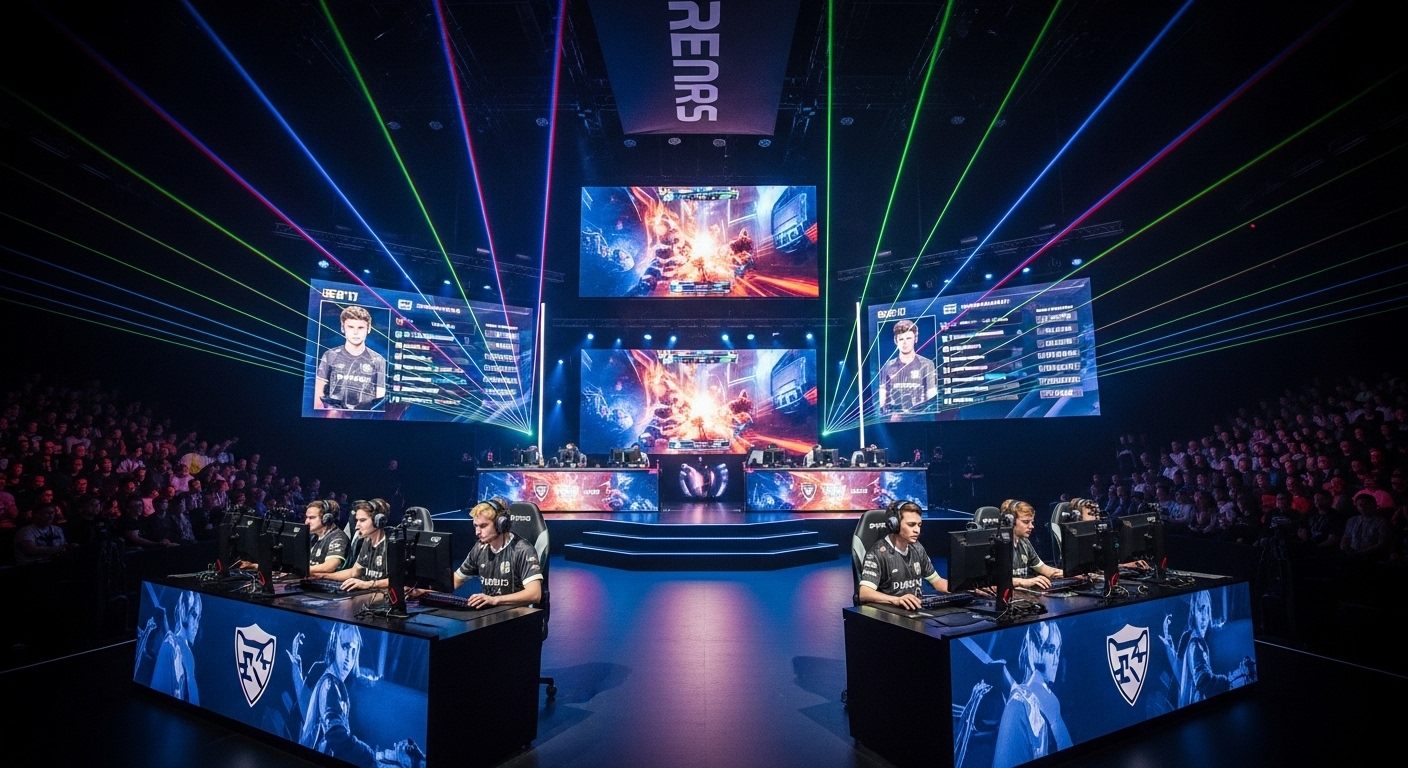
The Evolution of Esports: From Casual Gaming to Global Phenomenon
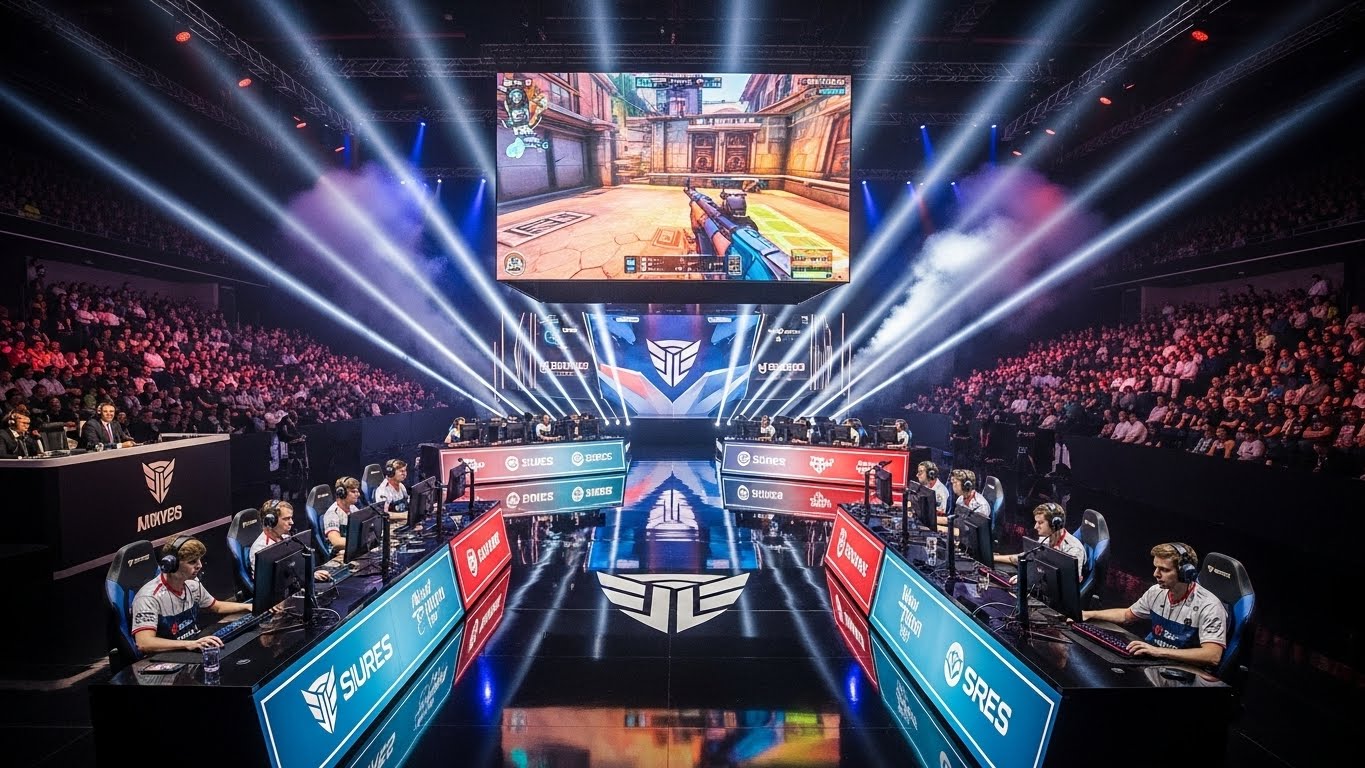
Esports, short for electronic sports, is one of the most rapidly growing industries worldwide. What was once considered a niche hobby, limited to competitive video game enthusiasts, has now blossomed into a multi-billion-dollar industry with millions of fans, professional players, and dedicated sponsors. With the rise of streaming platforms like Twitch and YouTube, esports has not only gained popularity among gamers but has also attracted mainstream attention from investors, media outlets, and even traditional sports organizations. In this blog post, we’ll explore the evolution of esports, its cultural significance, and how it has transformed into the entertainment giant we know today.
What Exactly Is Esports?
At its core, esports refers to organized, multiplayer video game competitions, particularly between professional players, individually or as teams. These competitions span a wide range of video game genres including strategy games (like StarCraft), first-person shooters (like Counter-Strike or Call of Duty), battle royale games (like Fortnite), and multiplayer online battle arena games (like League of Legends or Dota 2).
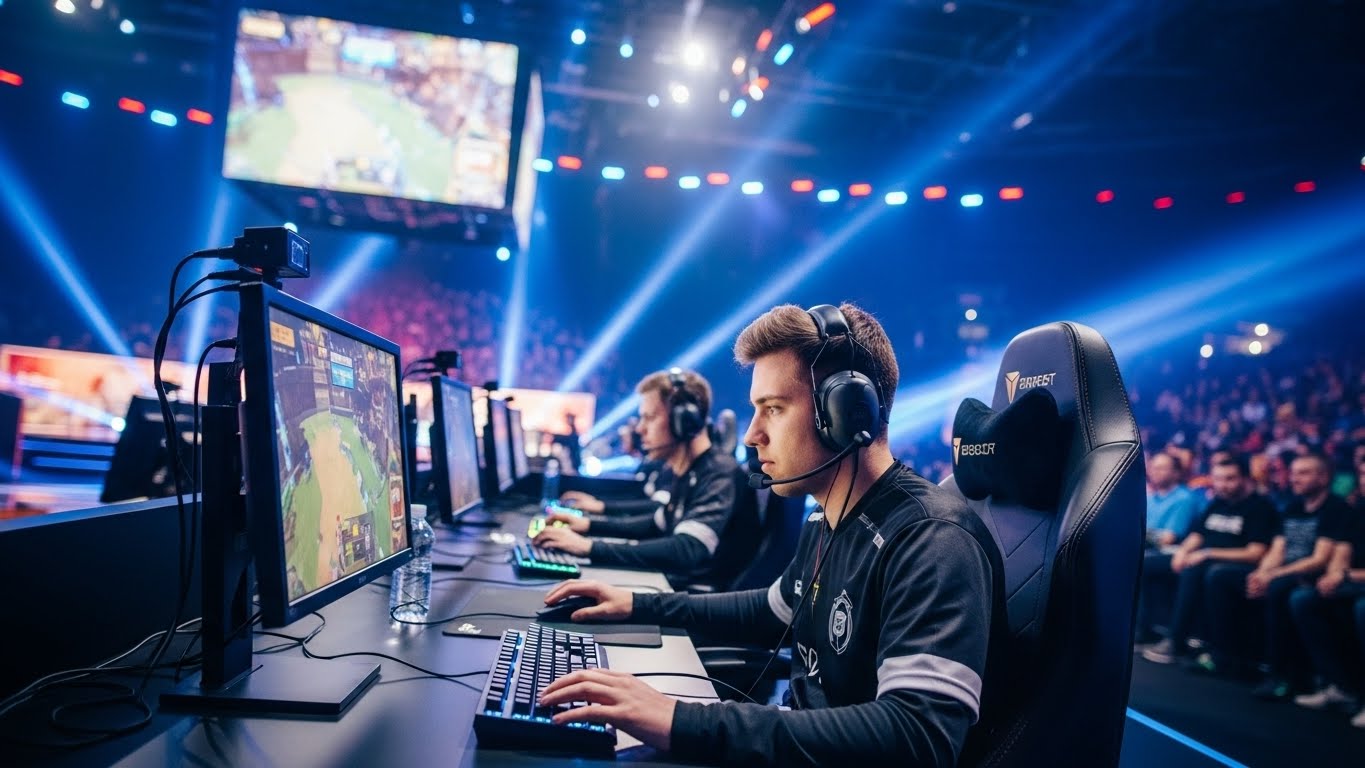
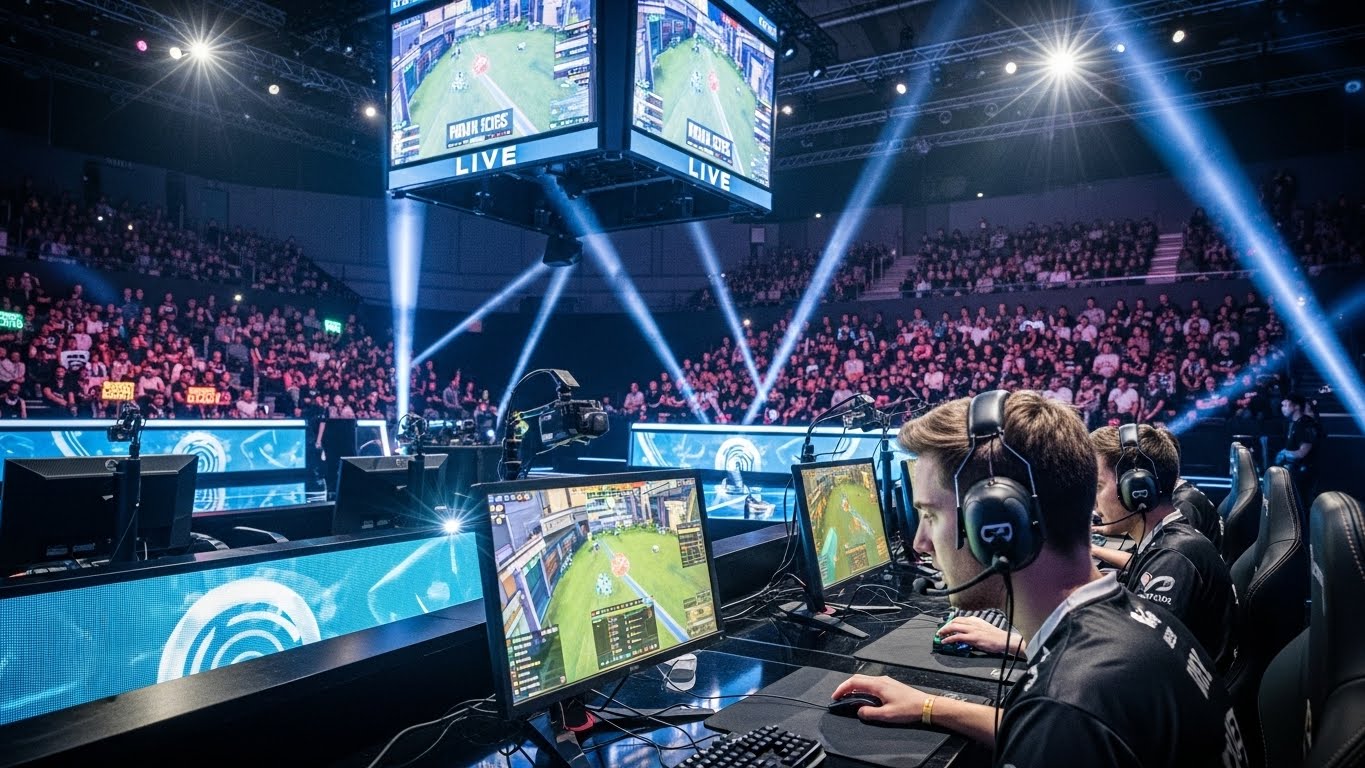
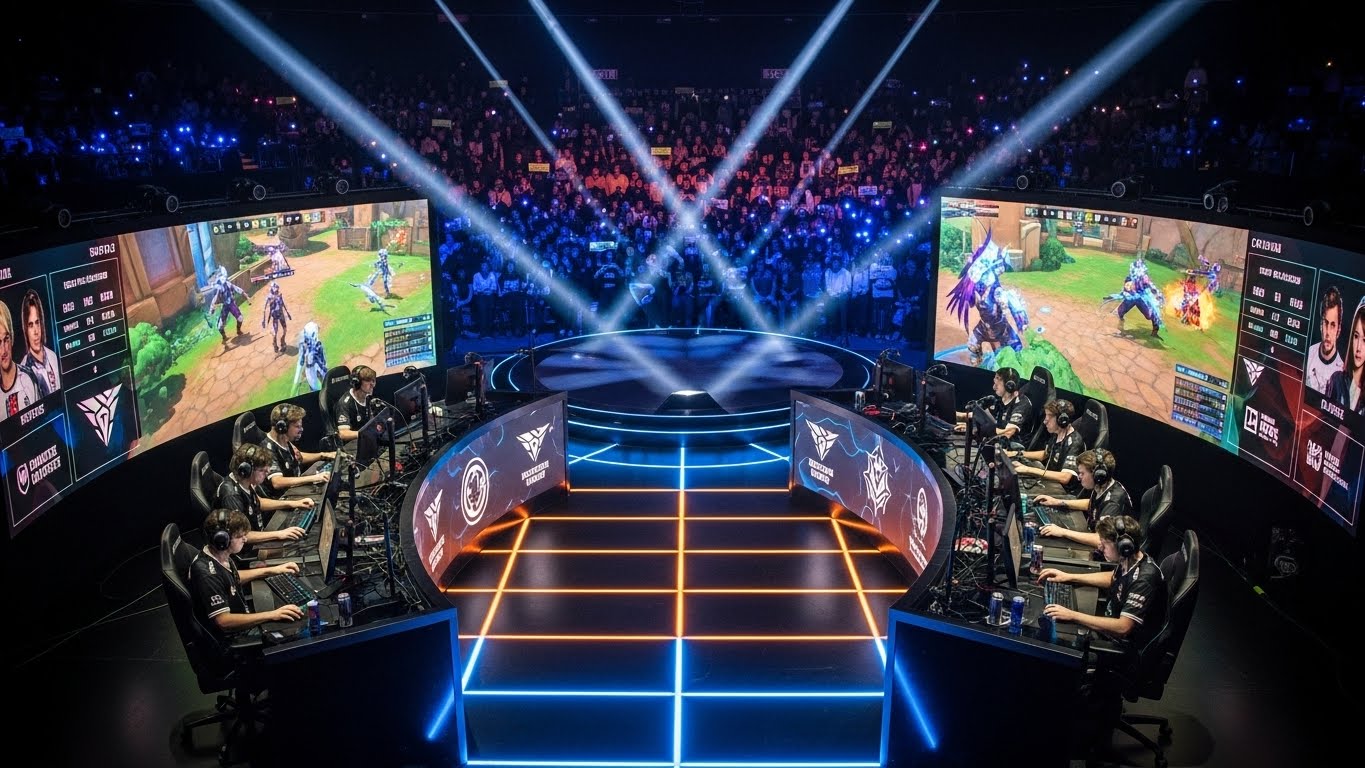
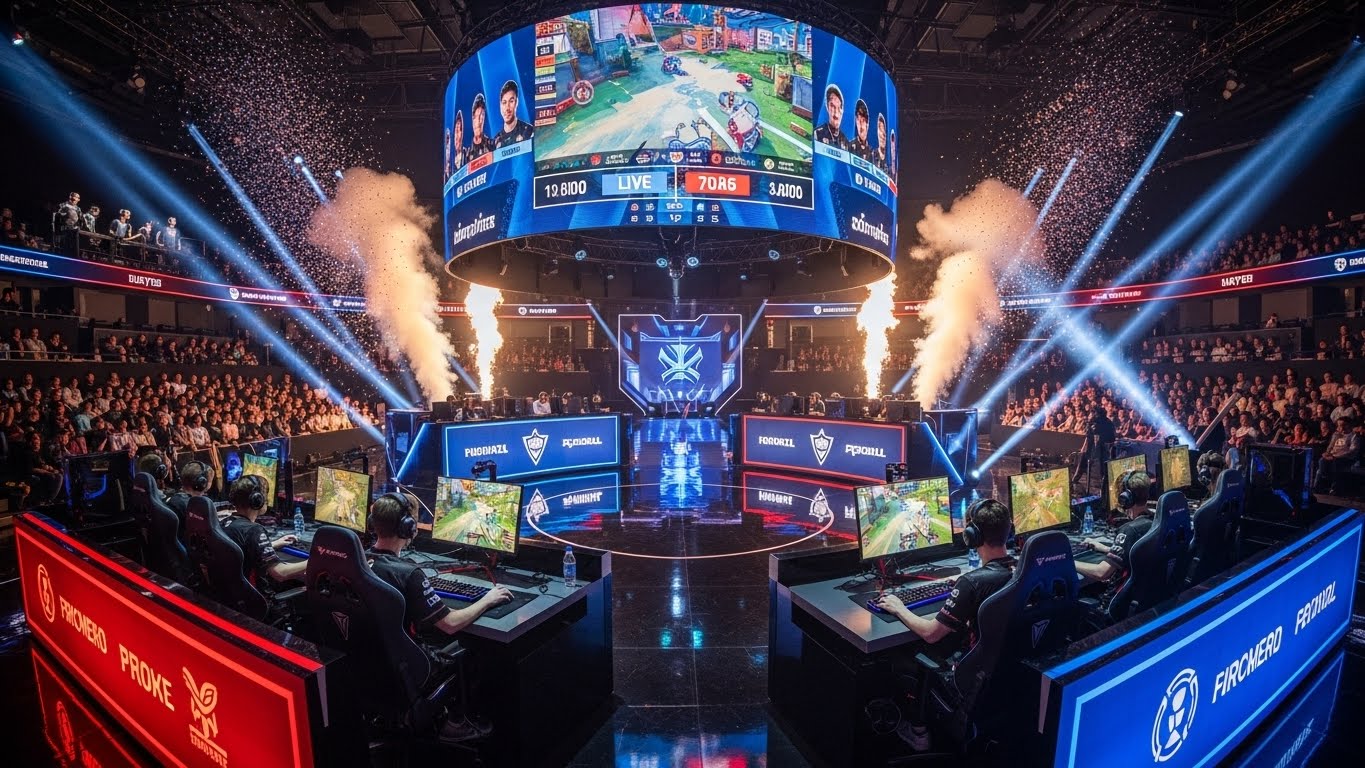
Esports events typically feature highly skilled players or teams competing for prize money, recognition, and the prestige that comes with being a top-tier player. These tournaments are often live-streamed online, bringing in large audiences, and are sometimes broadcasted on television, making esports events accessible to a wider range of viewers.
The Rise of Esports: A Brief History
Esports as we know it today can be traced back to the late 1990s and early 2000s when competitive gaming first began gaining traction. The formation of the first professional gaming leagues, such as the Cyberathlete Professional League (CPL) and Major League Gaming (MLG), provided a platform for players to compete at a high level. These early tournaments, while not as grandiose as today’s esports spectacles, laid the foundation for the esports ecosystem.
A landmark moment in esports history was the release of StarCraft in 1998. This real-time strategy game became a sensation, particularly in South Korea, where it was elevated to almost a national pastime. The Korean StarCraft scene helped popularize the concept of professional gaming leagues, broadcasting, and fan culture, setting a precedent for esports development around the world.
By the mid-2000s, streaming platforms like Justin.tv (which later evolved into Twitch) allowed fans to watch live streams of their favorite players, making esports even more accessible. As broadband internet became more widespread and the quality of live streams improved, esports gained a significant following outside of Korea, and global tournaments like The International for Dota 2 began drawing larger-than-life crowds.
The Professionalization of Esports
As esports grew in popularity, so did its level of professionalism. Today, esports has evolved into a well-organized industry with dedicated teams, managers, coaches, analysts, and trainers, mirroring the structure of traditional sports. Major organizations like Cloud9, Fnatic, and Team Liquid have developed into brand names in the gaming world, boasting sponsorships from global companies, merchandise, and fan bases.
Professional players now dedicate their lives to perfecting their craft. Just as athletes in traditional sports undergo physical and mental training, esports players practice for hours on end to hone their skills. The rise of esports academies and boot camps also reflects the growing professionalism of the scene. Players often have access to specialized training routines, high-performance gear, and sports psychologists to maintain peak mental and physical condition.
Another factor contributing to the professionalization of esports is the influx of sponsorships and partnerships. Top esports players and teams now sign contracts with major brands from industries such as technology, energy drinks, clothing, and even automobiles. These sponsorships have helped fuel the exponential growth of the industry, allowing tournament organizers to offer massive prize pools and attract even more players and fans to the scene.
The Globalization of Esports
While esports had a strong foundation in countries like South Korea, the industry has now gone truly global. Tournaments are held in different corners of the world, including North America, Europe, China, and Southeast Asia. The global nature of esports is enhanced by the fact that games like League of Legends and Fortnite are accessible to anyone with an internet connection, leveling the playing field and allowing players from all over the world to compete at the highest level.
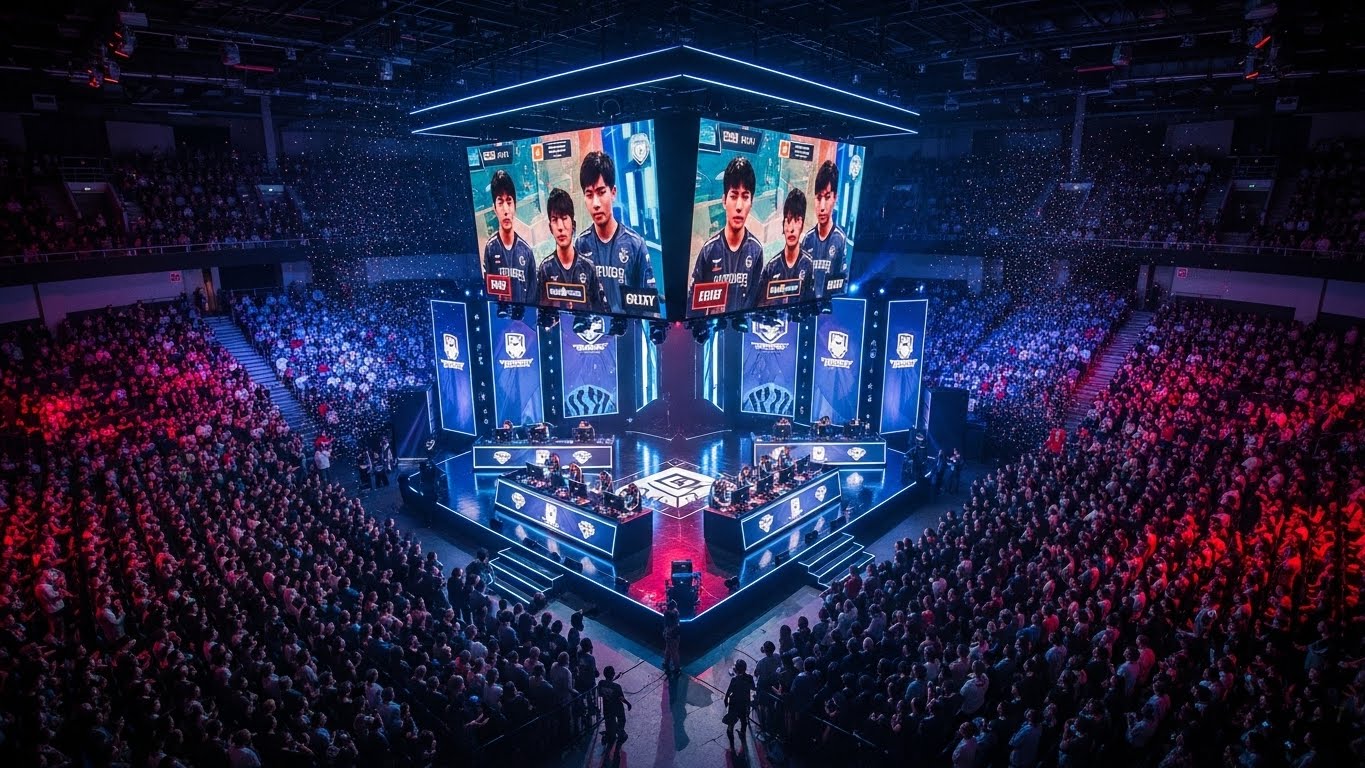
Esports tournaments, especially those organized by publishers like Riot Games and Blizzard Entertainment, have become international spectacles. For example, the League of Legends World Championship regularly attracts millions of viewers, both online and in-person, at arenas across the globe. The International (TI), an annual tournament for Dota 2, has set world records for the largest esports prize pool, often surpassing $40 million, thanks to crowdfunding efforts from the gaming community.
The rise of esports in China, in particular, has contributed to the globalization of the industry. The Chinese market has become one of the largest consumers of esports content, with major tournaments and leagues actively catering to Chinese audiences. Similarly, Southeast Asia has also become a hotbed for esports talent, with countries like the Philippines, Thailand, and Malaysia hosting major events.
Esports and the Mainstream Media
Once considered a fringe activity, esports has recently gained mainstream attention in the media. Major television networks have begun broadcasting esports tournaments, while online streaming platforms like Twitch, YouTube Gaming, and Facebook Gaming have become central hubs for esports content. Esports personalities, including players, commentators, and streamers, have become celebrities in their own right, amassing millions of followers and earning substantial income through sponsorships, advertising, and live donations.
The growing popularity of esports is also reflected in its integration into traditional sports. A number of sports teams and organizations, such as the Dallas Cowboys and Manchester City, have invested in esports franchises, creating a bridge between the worlds of traditional sports and competitive gaming. Moreover, some high-profile esports players have begun making appearances in major events, like the NBA 2K League, a professional esports league based on the popular basketball video game.
Esports’ influence is now undeniable. A growing number of universities are even offering scholarships for esports players, recognizing the competitive and academic potential of the industry. This institutional acknowledgment is further proof that esports is no longer a passing trend but a legitimate and sustainable career path for those who dedicate themselves to the craft.
The Future of Esports
So, what’s next for esports? The future looks incredibly bright. As the industry continues to evolve, we can expect to see even larger prize pools, more high-profile sponsors, and an increase in the number of games featured in competitive circuits. The arrival of virtual reality (VR) and augmented reality (AR) technology could also introduce new possibilities for esports gameplay and spectator experiences.
Esports is also expected to continue its integration with mainstream culture. We may see more esports tournaments being held in iconic sports venues like Madison Square Garden or the O2 Arena in London, further legitimizing the industry as a mainstream form of entertainment. Additionally, the rise of mobile gaming means that esports will increasingly be accessible to players and viewers who don’t own gaming PCs or consoles, opening up new markets for competition.
In terms of viewership, esports will likely continue to expand beyond traditional gaming enthusiasts. The increasing availability of high-quality live streams, combined with a growing interest in the world of gaming, ensures that esports will continue to attract millions of new fans. The proliferation of esports-related content on platforms like Twitch and YouTube is already helping to shape the future of entertainment consumption, pushing the boundaries of what’s possible with live content.
Conclusion
Esports has come a long way from its humble beginnings as a niche hobby for gamers. Today, it is a massive global industry that brings together players, fans, sponsors, and media from around the world. With its continued growth and mainstream recognition, esports is poised to be a central pillar of the entertainment landscape for years to come. Whether you’re a casual gamer or a die-hard fan, the rise of esports is something that’s impossible to ignore—and it’s only just getting started.