 championcircle20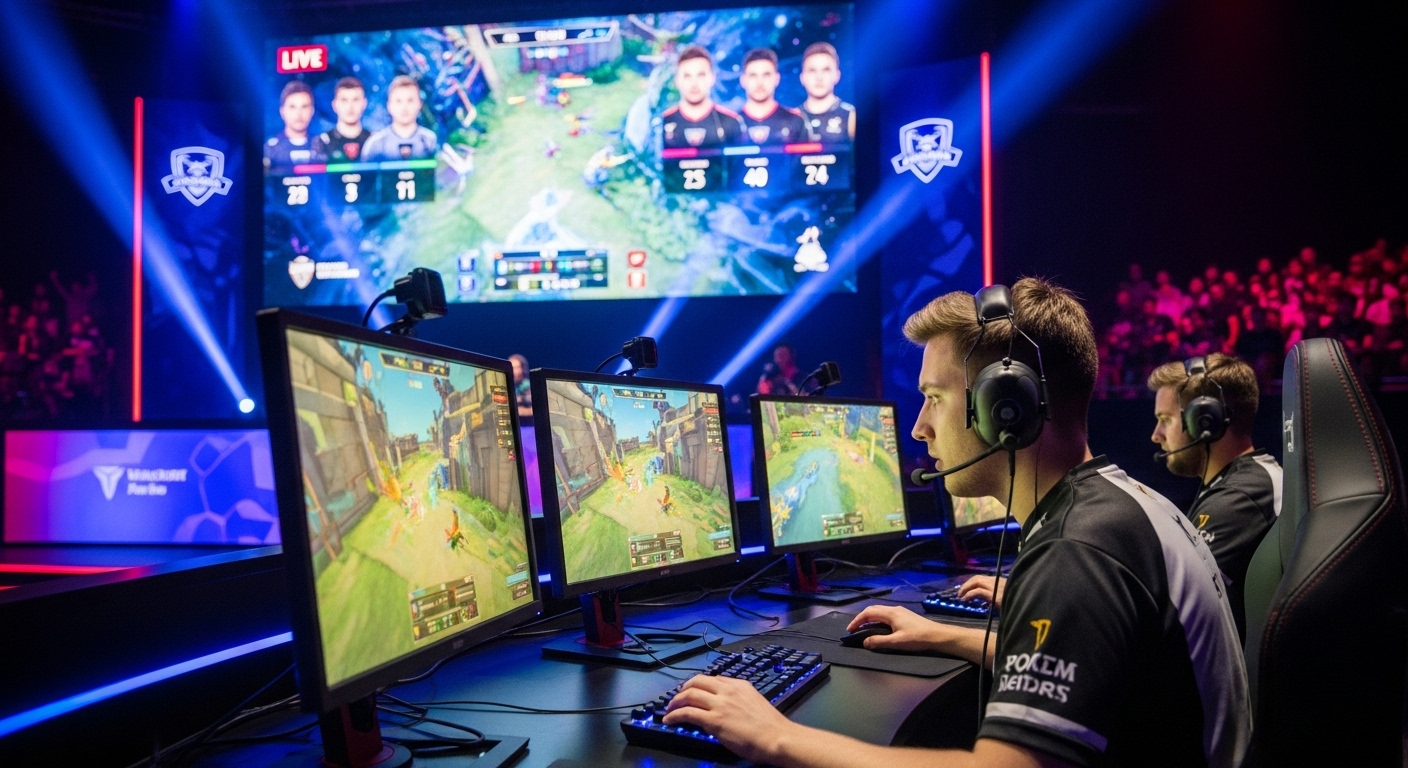
The Expanding Universe of Esports: A Deep Dive into the Future of Competitive Gaming
The Rise of Esports
Over the last two decades, the gaming world has transformed from a niche pastime into a multi-billion-dollar industry known as esports. What was once considered a simple hobby has evolved into a legitimate form of competitive entertainment, commanding massive audiences and global recognition. Esports, short for electronic sports, encompasses organized video game competitions where professional players and teams compete for glory, sponsorships, and substantial prize pools.
The rise of esports is one of the most fascinating developments in modern entertainment history. It owes its success to the explosive growth of internet connectivity, technological advancements in gaming hardware, and the rise of live streaming platforms. What began in small community tournaments held in local gaming cafes has now reached the grand stages of sold-out stadiums and massive online broadcasts viewed by millions. The global appeal of esports is undeniable—it transcends borders, languages, and cultures.
From Arcade Roots to Global Arenas
To understand the true scope of esports, one must look back at its humble beginnings. The earliest recorded video game competition dates back to 1972, when Stanford University hosted a tournament for the game Spacewar!. The prize was a year’s subscription to Rolling Stone magazine. Though modest by today’s standards, this event marked the start of something extraordinary.
The 1980s saw the rise of arcade gaming competitions, with players battling for high scores on titles like Pac-Man and Donkey Kong. These early contests were precursors to modern esports tournaments, emphasizing skill, precision, and endurance. As home consoles like the Nintendo Entertainment System and Sega Genesis became household staples, competitive gaming started to spread beyond arcades.
However, it was the advent of the internet in the 1990s that truly changed everything. Games like Quake, StarCraft, and Counter-Strike introduced online multiplayer gameplay, allowing players from across the world to compete in real time. LAN parties became the birthplace of esports culture—a gathering of dedicated gamers linking computers to battle it out in virtual arenas.
The Professionalization of Esports
As online competition grew, so did the organization behind it. By the early 2000s, esports began to resemble traditional sports in structure and professionalism. Leagues, sponsors, and dedicated teams started to form. Titles such as StarCraft in South Korea and Counter-Strike in Europe became central pillars of competitive gaming. South Korea, in particular, played a crucial role in legitimizing esports. The country’s government recognized it as an official sporting activity, leading to the creation of professional teams, televised matches, and celebrity gamers.
This level of recognition and infrastructure was unprecedented. Major corporations began investing, and sponsors saw the marketing potential of reaching young, tech-savvy audiences. Soon, other countries followed suit, and the esports ecosystem became a global phenomenon.
The Games That Shaped the Industry
Esports is a diverse ecosystem encompassing a wide variety of games, each with its own rules, audiences, and communities. Some of the most influential titles have defined entire eras of competitive gaming.
League of Legends (LoL) is one of the most dominant esports titles in the world. Developed by Riot Games, it combines strategy, teamwork, and mechanical skill in a five-versus-five battle format. The League of Legends World Championship attracts millions of viewers annually and offers multi-million-dollar prize pools.
Dota 2, developed by Valve Corporation, is another monumental title in the Multiplayer Online Battle Arena (MOBA) genre. Its flagship tournament, The International, has consistently set records for the largest prize pools in esports history, often crowdfunded by the passionate community.
Counter-Strike: Global Offensive (CS:GO) represents the pinnacle of tactical first-person shooters. It has maintained a strong competitive scene for over two decades, emphasizing strategy, precision, and teamwork.
Fortnite, a more recent addition, brought esports to mainstream audiences through its unique blend of building mechanics and battle royale gameplay. Its 2019 World Cup made headlines with its staggering prize fund and youthful champions.
Overwatch, Valorant, and Call of Duty have also carved out their own dedicated esports ecosystems. Each of these titles has contributed to the diversification and expansion of the industry, ensuring that esports appeals to a broad and varied audience.
The Spectator Experience
One of the biggest reasons for the explosive popularity of esports is its accessibility as a spectator sport. Unlike traditional sports, which often require physical presence or expensive broadcasting rights, esports thrives on digital platforms. Viewers can watch live matches, tournaments, and behind-the-scenes content for free on streaming platforms.
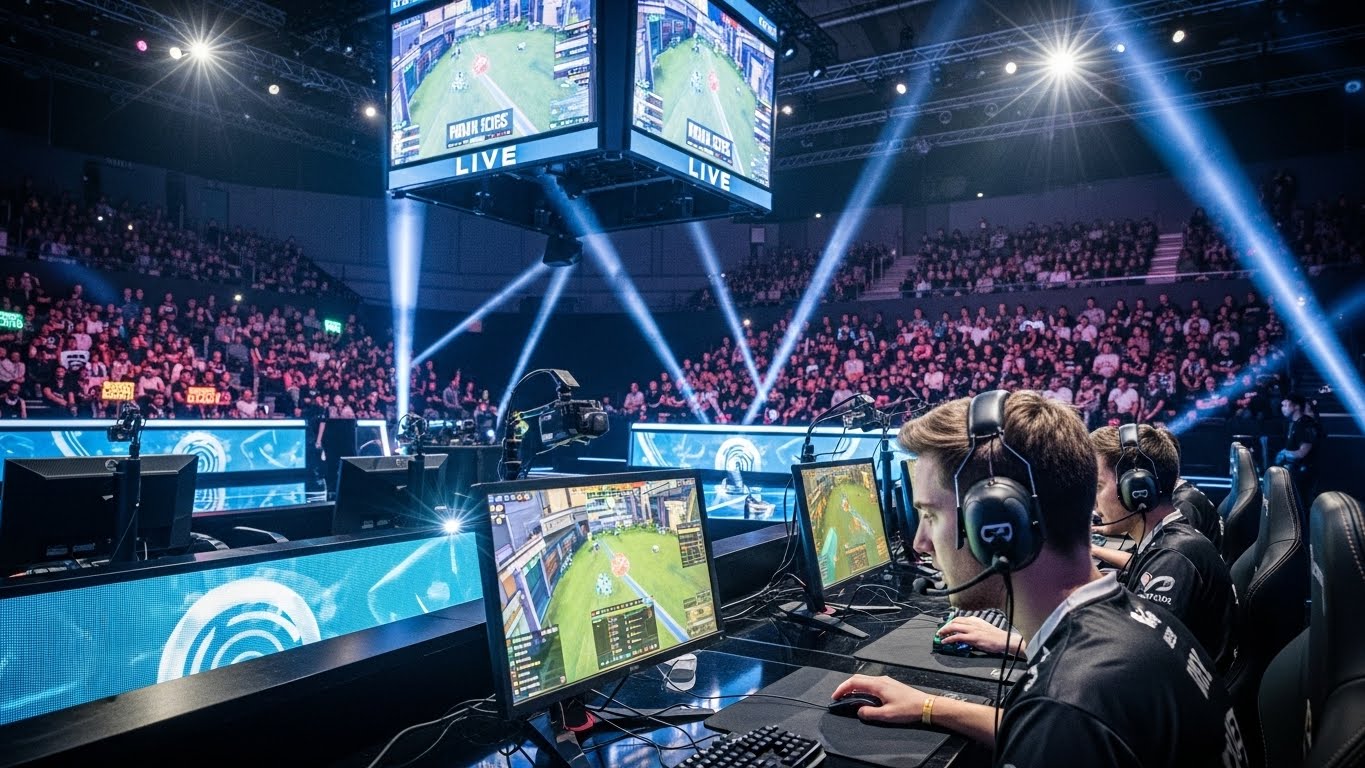
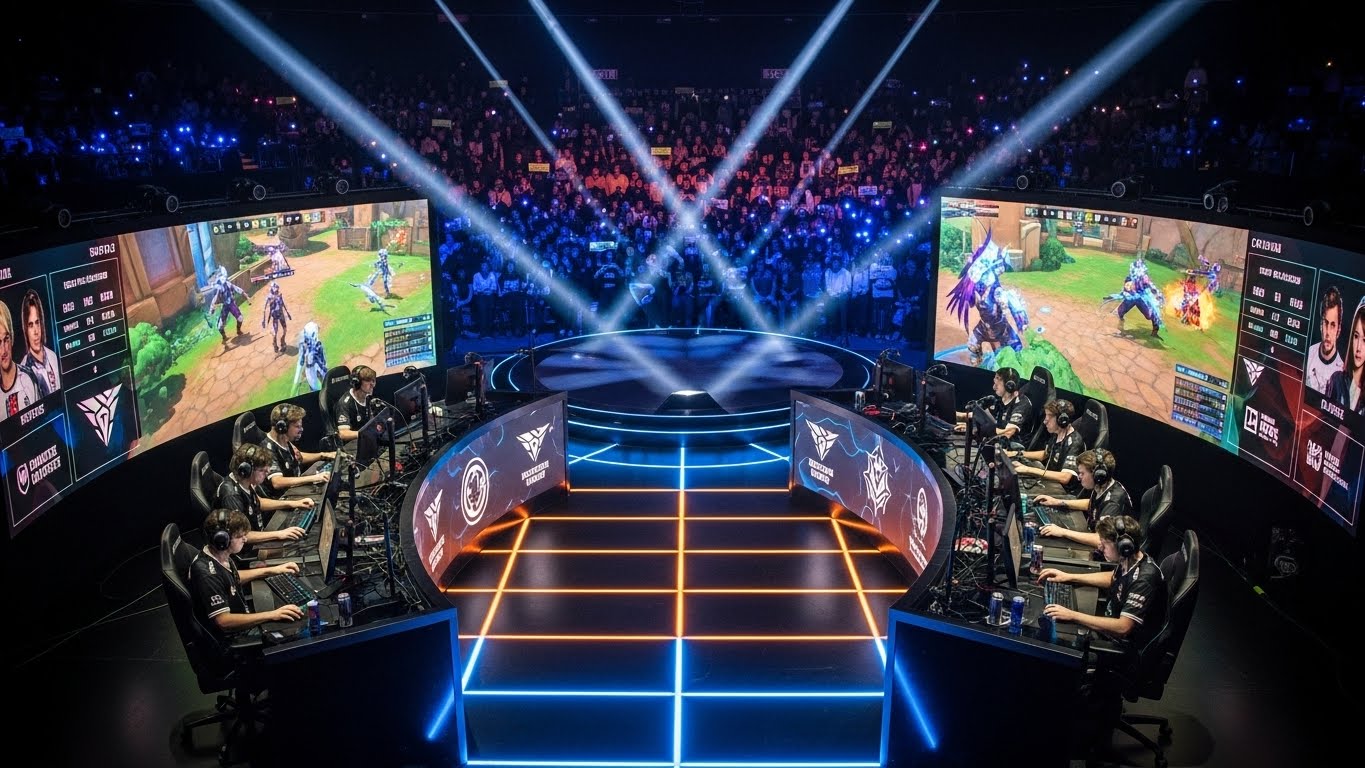
The sense of community in esports viewing is powerful. Fans can engage in live chats, follow their favorite players, and even interact with commentators in real time. The production value of major esports events rivals that of traditional sports broadcasts, with professional commentators, analysts, and elaborate stage setups enhancing the experience.
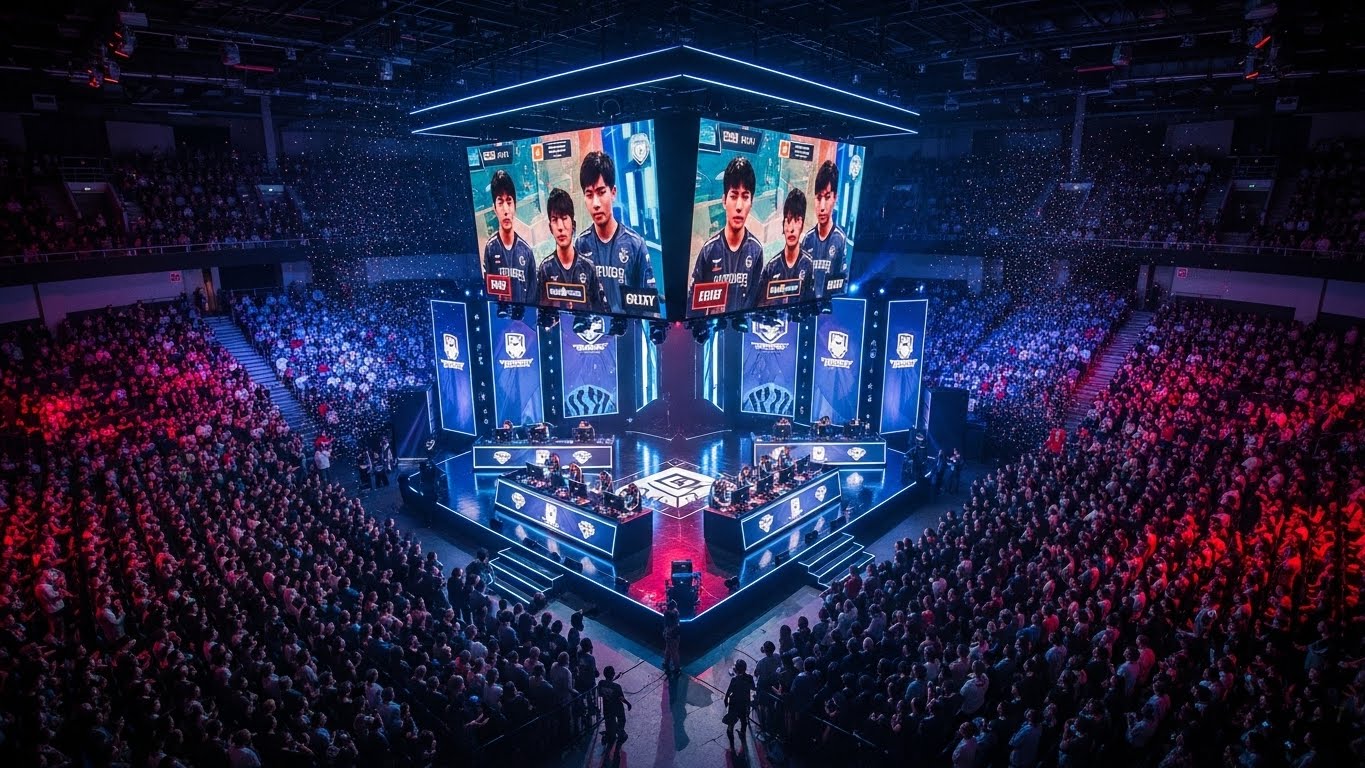
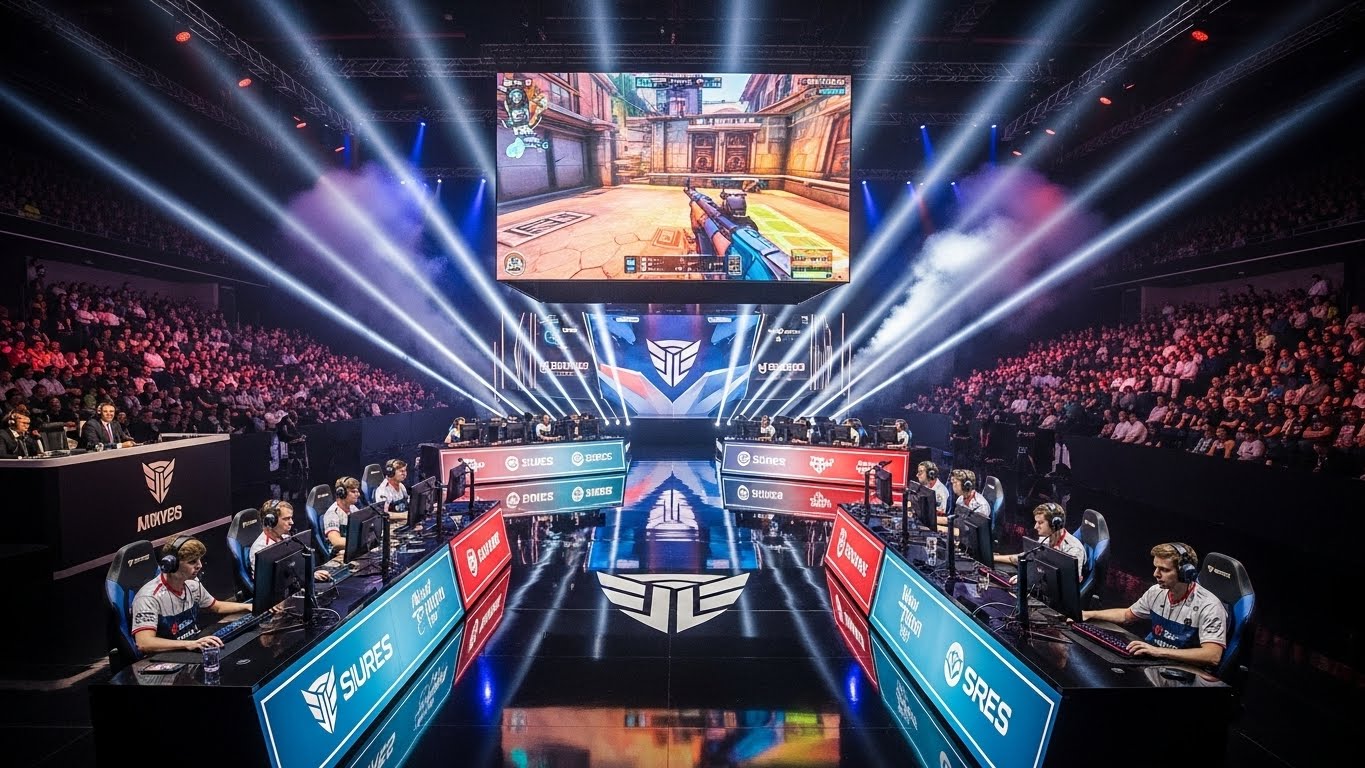
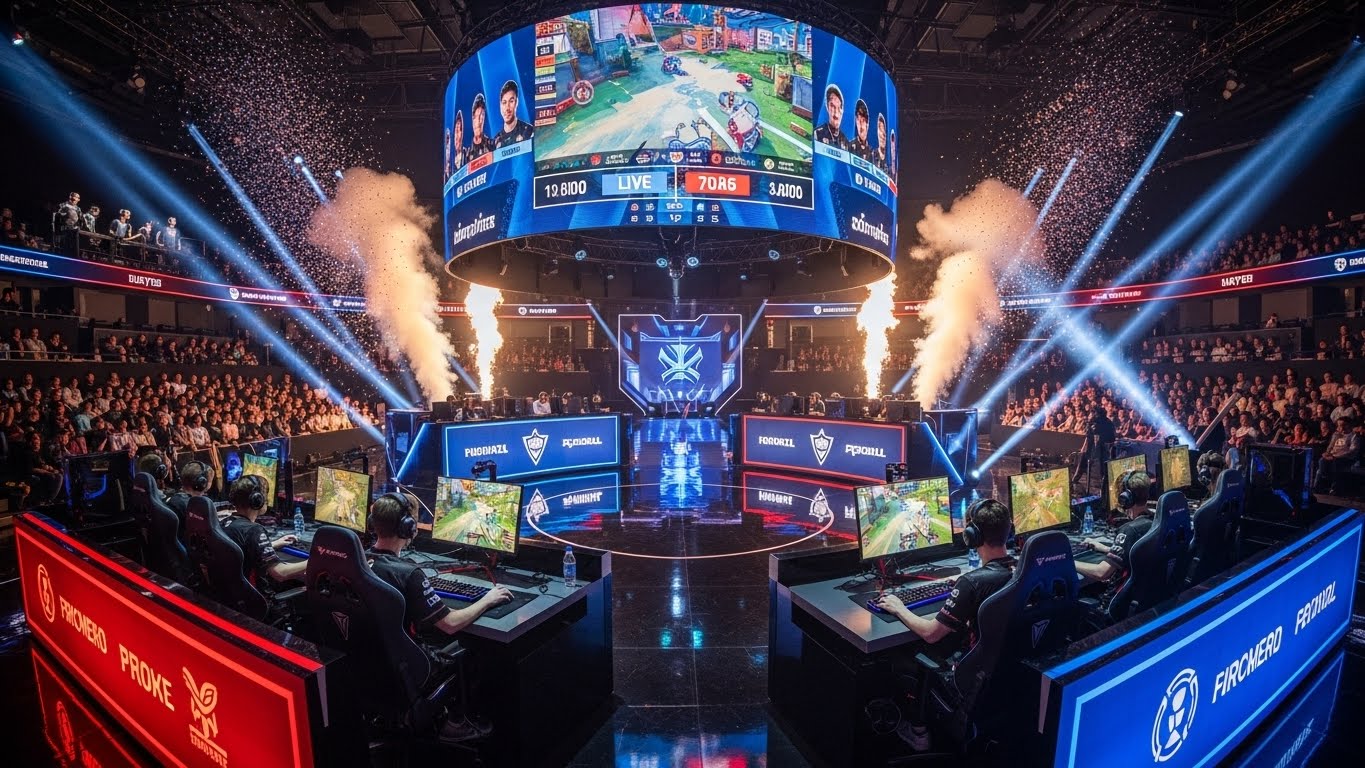
In-person esports events are equally electrifying. Large-scale tournaments are held in arenas such as the Staples Center in Los Angeles or the Mercedes-Benz Arena in Berlin, filled with cheering fans waving banners and chanting team names. The combination of digital excitement and physical energy creates a unique atmosphere that few other entertainment forms can match.
The Business of Esports
Esports is not just entertainment—it is a massive industry with intricate business operations. Revenue streams come from sponsorships, media rights, advertising, merchandise, and ticket sales. According to various market analyses, the global esports industry has surpassed the billion-dollar mark in annual revenue.
Brands from diverse sectors—ranging from technology giants to beverage companies—invest heavily in esports sponsorships. The appeal lies in the demographics: esports audiences are young, engaged, and digitally connected. They represent the next generation of consumers who are more likely to engage with brands through gaming-related content than traditional advertising.
Media rights have also become a major source of revenue. Platforms compete to secure exclusive broadcasting deals for popular tournaments, recognizing the immense viewer potential. Meanwhile, teams themselves have evolved into professional organizations, complete with management staff, coaches, and analysts. Some esports teams are even valued at hundreds of millions of dollars, rivaling traditional sports franchises in scale and prestige.
The Players Behind the Screens
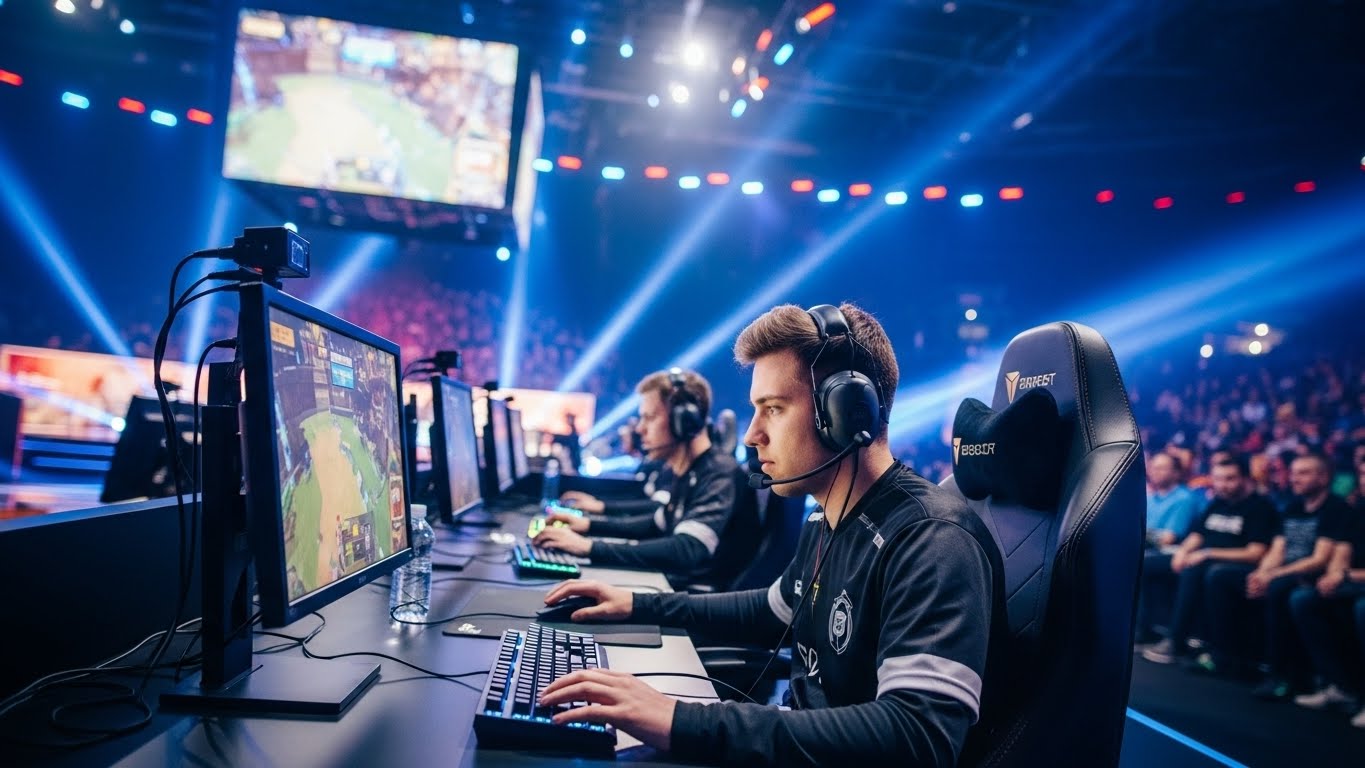
At the heart of esports are the players—the modern-day athletes of the digital world. These competitors undergo rigorous training regimens, often practicing for 8 to 12 hours a day to refine their skills and strategies. Mental agility, reflexes, teamwork, and communication are crucial traits for success.
The life of an esports athlete is both glamorous and demanding. While top players can earn significant salaries, sponsorships, and fan followings, the competition is intense, and career longevity can be short. The physical and mental strain of constant practice, travel, and performance pressure is immense. As the industry grows, so does awareness of player welfare, leading to better support systems including sports psychologists, physical trainers, and structured breaks.
Many professional players eventually transition into coaching, streaming, or content creation after retiring from competitive play. This cycle ensures that experience and knowledge are passed down to newer generations, helping sustain the ecosystem.
Esports and Education
The influence of esports extends beyond entertainment—it is now shaping education and career development. Universities across the world are offering scholarships for esports athletes and creating dedicated programs in game design, esports management, and digital marketing.
These initiatives recognize that esports is not just about playing games; it’s about understanding technology, teamwork, leadership, and strategic thinking. Students involved in esports learn valuable life skills such as communication, problem-solving, and time management. Educational institutions see it as a bridge between digital culture and academic excellence.
The Role of Technology
Technology has been the driving force behind esports’ success. High-speed internet, powerful gaming PCs, and cutting-edge software have enabled seamless competition across continents. Innovations in virtual reality (VR) and augmented reality (AR) are also opening new possibilities for immersive spectator experiences.
Artificial intelligence and data analytics are now being used to analyze player performance, predict outcomes, and develop training tools. These advancements make esports not only more competitive but also more accessible to audiences who want deeper insights into gameplay.
Streaming platforms have also revolutionized how esports is consumed. Anyone can become a broadcaster, commentator, or analyst, further democratizing the industry. The integration of mobile gaming has expanded esports to billions of smartphone users worldwide, particularly in regions like Southeast Asia and South America.
Cultural Impact and Global Reach
Esports has transcended the boundaries of gaming to influence broader culture. It has inspired fashion trends, music collaborations, and even crossover events with traditional sports organizations. Celebrities and athletes from various fields are investing in esports teams or participating in gaming-related ventures.
The global nature of esports fosters cultural exchange and international collaboration. Players and fans from different countries connect through their shared passion for competition. Major tournaments often feature multicultural lineups and global audiences, showcasing how digital entertainment can unify people in ways that traditional sports sometimes cannot.
Esports has also played a vital role in challenging outdated stereotypes about gaming. It has shown that video games can be more than just recreational—they can be a platform for creativity, discipline, and community building.
Challenges and Controversies
Despite its meteoric rise, esports faces several challenges. Issues like player burnout, lack of regulation, and unequal pay structures remain pressing concerns. Additionally, the industry must address problems related to cheating, match-fixing, and online harassment to maintain its credibility.
There are also ongoing debates about the inclusion of certain game genres in the Olympic Games. While some advocate for esports’ inclusion as a reflection of modern culture, others question its alignment with traditional sporting values. Nevertheless, progress is being made, with several international sporting events already recognizing esports as an official competition category.
The Future of Esports
The future of esports looks incredibly bright. As technology continues to evolve, the line between gaming and mainstream entertainment will blur even further. Virtual and augmented reality could redefine how people experience esports, offering immersive ways to watch and participate.
Moreover, as 5G networks and cloud gaming expand, accessibility will reach new heights. Players will be able to compete from virtually anywhere without the need for expensive equipment, leveling the playing field and fostering greater inclusion.
There is also growing interest in integrating blockchain technology for transparent prize distribution, digital collectibles, and decentralized tournament platforms. These innovations could bring more fairness and security to the ecosystem.
Esports will also continue to merge with education, fitness, and even mental health initiatives. With structured training programs and research-backed development, esports athletes will be treated with the same respect as traditional sports professionals.
Conclusion
Esports is no longer just a trend—it is a cultural and economic powerhouse redefining how the world views competition, entertainment, and community. From the humble beginnings of local tournaments to the grand stages of international championships, esports has proven that digital competition can be as thrilling and meaningful as any traditional sport.
Its influence reaches far beyond the screen, shaping technology, education, and global culture. The passion of its players, the innovation of its developers, and the dedication of its fans ensure that esports will continue to grow for generations to come.
The story of esports is ultimately a story of human creativity and ambition. It is proof that when technology and passion combine, new worlds of possibility open up. The future of esports is not just about gaming—it is about the evolution of how humanity connects, competes, and celebrates in the digital age.