 championcircle20
The Rise of Esports: A New Era of Competitive Gaming and Global Entertainment
Esports, once considered a niche activity reserved for passionate gamers, has exploded into a worldwide phenomenon that is transforming the entertainment and sports industries. Today, competitive gaming is a global business, attracting millions of fans, sponsors, and media attention. The digital world of esports, where players compete for prize money, prestige, and glory, is reshaping the way we think about both gaming and sports. But what makes esports so unique? How did it become such a massive industry, and where is it headed in the future?
In this blog post, we will take an in-depth look at the rapid growth of esports, explore the reasons behind its success, examine the key players involved, and consider what the future holds for this digital sport that is captivating the world.
What is Esports?
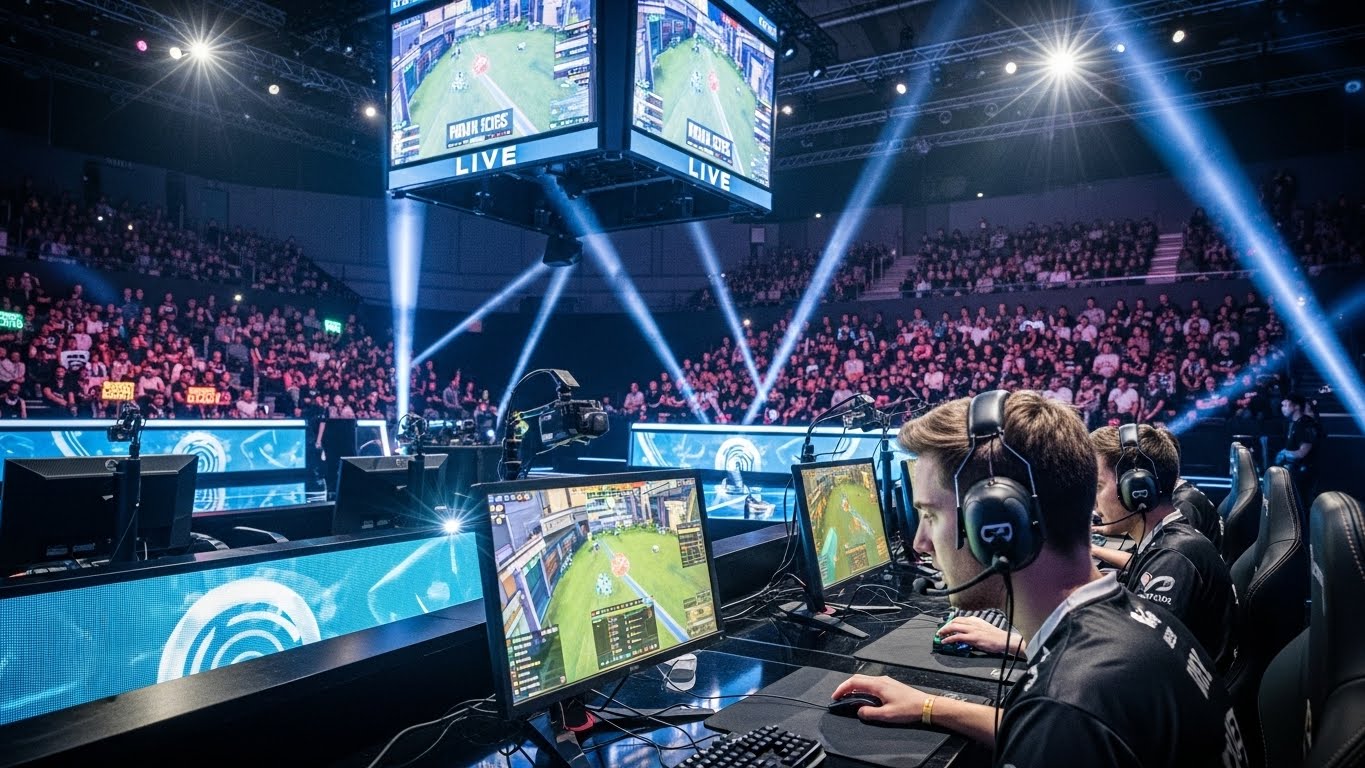
At its core, esports refers to organized, multiplayer video game competitions, particularly between professional players, individually or as teams. Unlike casual gaming, esports involves highly skilled athletes who train and compete in professional tournaments with large audiences, both in person and via live streaming platforms. While esports includes a variety of video game genres, the most popular titles tend to be strategy games, first-person shooters, and multiplayer online battle arenas (MOBAs), such as League of Legends, Dota 2, Counter-Strike: Global Offensive, and Overwatch.
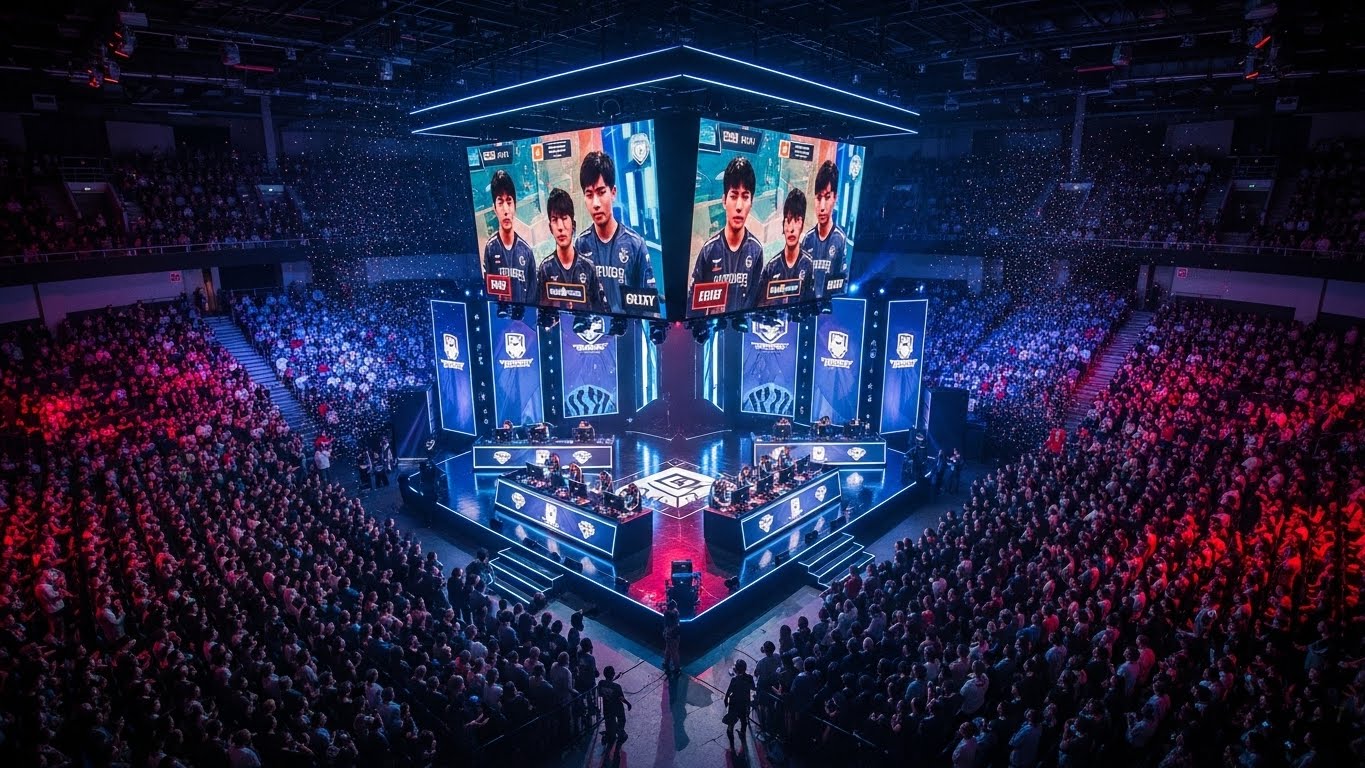
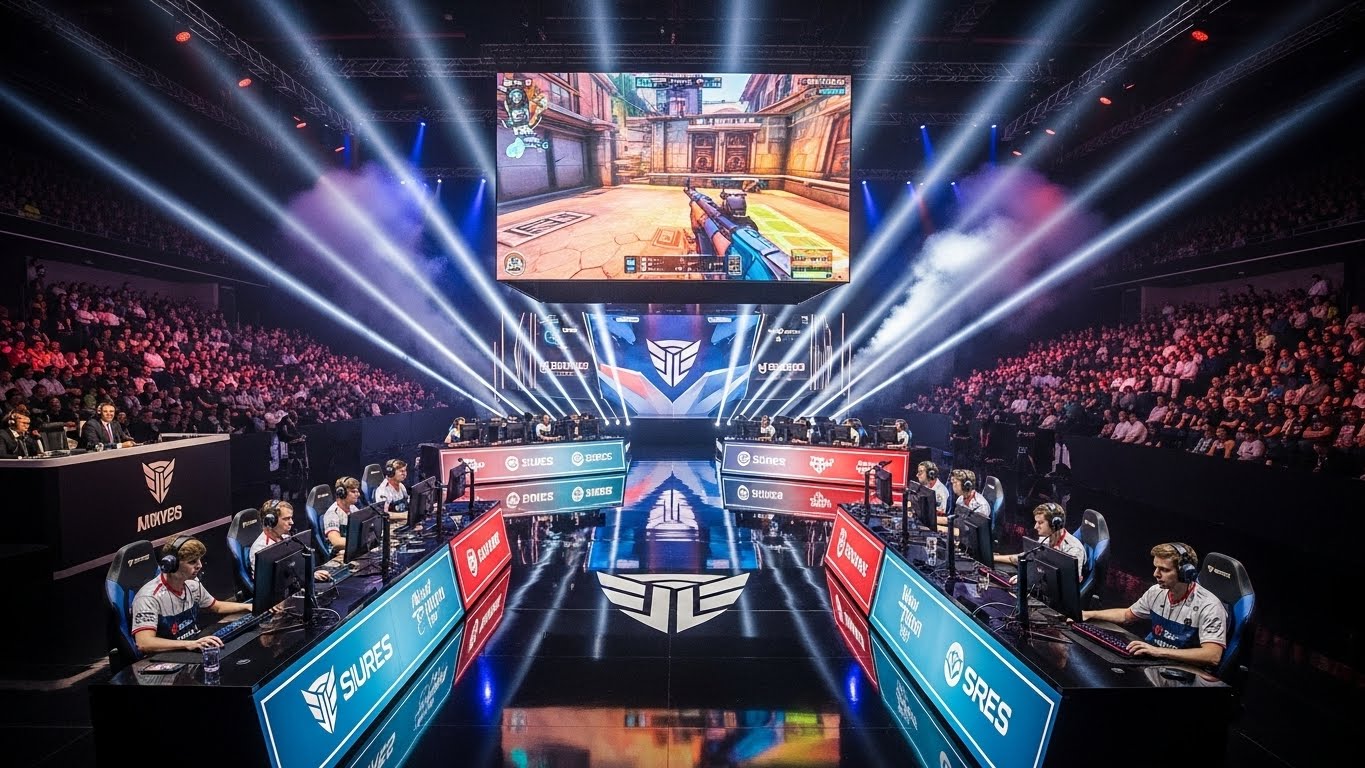
Esports competitions can take place in massive arenas or virtually, with players participating from all over the world. These tournaments often feature large cash prizes, sponsorships from global brands, and millions of online viewers tuning in to watch the action unfold in real-time. Some of the biggest esports events rival traditional sports tournaments in terms of viewership, with finals attracting more viewers than major sporting events like the Super Bowl or the NBA Finals.
The Evolution of Esports
Esports as we know it today has its roots in the early days of competitive gaming. The first significant event in the history of esports dates back to 1972, when Stanford University hosted the “Intergalactic Spacewar Olympics”, a competition featuring the game Spacewar! While this event was small and not televised, it laid the groundwork for the competitive gaming community.
The real rise of esports, however, began in the late 1990s and early 2000s, with the advent of online multiplayer games. Games like Quake and StarCraft began to gain popularity, and gamers all over the world started to connect and compete in tournaments. The establishment of gaming leagues and tournaments, such as the World Cyber Games (WCG) in 2000, marked the beginning of more formalized competitive gaming events.
Fast forward to the present day, and esports has exploded into a billion-dollar industry. Tournaments for games like League of Legends and Fortnite draw millions of viewers and feature multi-million dollar prize pools. The development of streaming platforms like Twitch, YouTube Gaming, and Facebook Gaming has also allowed fans to follow their favorite players and teams, further fueling the growth of esports.
Why is Esports So Popular?
Several factors have contributed to the meteoric rise of esports in recent years. These include the accessibility of gaming, the appeal of streaming platforms, the rise of social media, and the increasing recognition of esports as a legitimate form of entertainment and competition.
- Accessibility of Gaming:
One of the major driving forces behind esports’ popularity is the widespread availability of gaming consoles, personal computers, and mobile devices. Unlike traditional sports, where players need specialized equipment and facilities, esports can be played by anyone with a computer or gaming console and an internet connection. This makes competitive gaming more accessible to a larger audience, which is especially appealing to younger generations who have grown up in a digital-first world. - Streaming and Online Platforms:
The rise of live streaming platforms has played a crucial role in the success of esports. Platforms like Twitch and YouTube Gaming allow players to broadcast their gameplay to millions of viewers around the world. These platforms have become essential for the esports ecosystem, as they offer fans an opportunity to engage with the content in real time, participate in chats, and support their favorite players through donations and subscriptions. - Social Media and Community Engagement:
Esports thrives on social media, where fans and players can engage directly with one another. Social media platforms like Twitter, Instagram, and Discord enable fans to follow their favorite players, teams, and brands, creating a sense of community around the games. The ability for fans to connect with players and other enthusiasts has helped build a dedicated fan base that is deeply invested in the outcomes of esports competitions. - Global Appeal:
Esports has a truly global appeal, transcending geographical and cultural boundaries. Whether you’re in North America, Europe, Asia, or Latin America, esports tournaments can be accessed online and watched live, bringing together viewers from all walks of life. This global audience is drawn to the competitive nature of the games, as well as the personalities and stories behind the players. - Sponsorships and Revenue Streams:
As esports grows, it attracts an increasing number of corporate sponsors, investors, and media companies. Brands from outside the gaming industry, including Coca-Cola, Mercedes-Benz, and Intel, are investing in esports, recognizing its potential as a marketing tool to reach younger, tech-savvy consumers. Sponsorships, advertising revenue, and media rights deals are contributing to the financial growth of the esports ecosystem, making it one of the fastest-growing sectors in the entertainment industry.
The Players and Teams: The Stars of Esports
Just like traditional sports, esports has its superstars, teams, and coaches. Professional esports players are highly skilled athletes who train for hours every day to hone their abilities. They are not only competing in tournaments for cash prizes but also for the chance to build their personal brand, attract sponsorships, and secure a future in the competitive gaming world.
The most successful esports players often have sponsorship deals with brands and make a significant income through tournament winnings, streaming, and merchandise sales. For example, Lee “Faker” Sang-hyeok, a South Korean League of Legends player, is considered one of the greatest esports athletes of all time. His achievements in League of Legends have made him a global icon, earning him millions of dollars in prize money and endorsement deals.
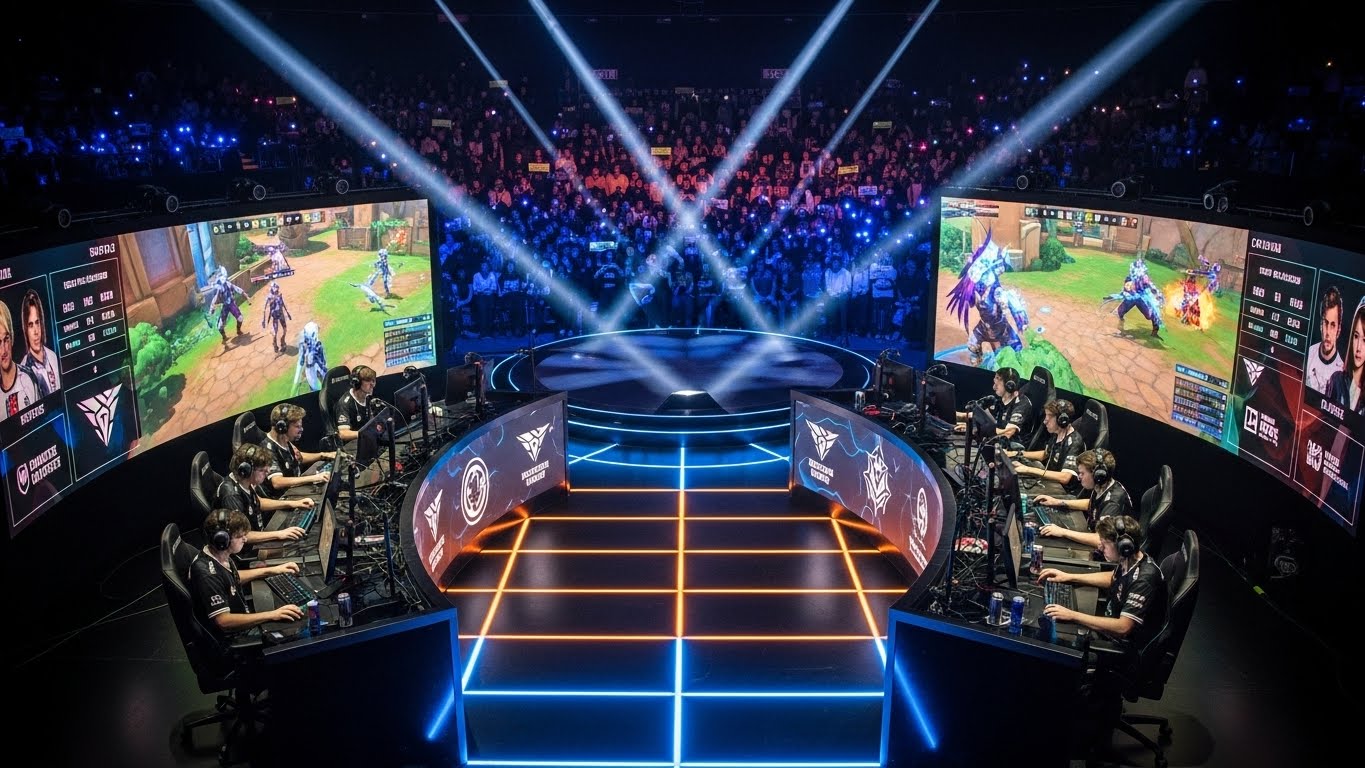
On the team side, organizations like Cloud9, Team Liquid, and Fnatic are some of the biggest names in esports, fielding teams across various games and competitions. These teams are composed of players who work together to strategize, practice, and compete in tournaments worldwide. Much like professional sports teams, esports organizations have coaches, analysts, and support staff to ensure their players are performing at the highest level.
The Economics of Esports
Esports is a multi-billion-dollar industry that generates revenue from a variety of sources, including sponsorships, advertising, ticket sales, merchandise, and media rights. The industry has seen exponential growth in the past decade, with revenue streams expanding as the popularity of esports continues to rise.
Tournaments like The International for Dota 2 have set new standards for prize pools, with the 2018 tournament boasting a prize pool of over $25 million, primarily funded by fans through in-game purchases. Similarly, games like Fortnite and League of Legends offer millions of dollars in prize money, with top players and teams competing for a share of the wealth.
In addition to tournament winnings, esports players and influencers also generate income through streaming platforms like Twitch, where they can earn money through ads, subscriptions, and donations from their followers. This has created new career opportunities for players, streamers, and content creators, giving them the ability to make a living doing what they love.
The Future of Esports
The future of esports looks incredibly promising. As technology continues to evolve, new innovations like virtual reality (VR), augmented reality (AR), and artificial intelligence (AI) are set to transform how esports are played and consumed. VR and AR, for example, could offer players and viewers a more immersive experience, while AI could be used to create smarter bots and enhance the training process for players.
Moreover, esports is likely to continue its march toward becoming a mainstream form of entertainment, with traditional sports organizations and media companies investing heavily in the space. Esports leagues may eventually become as established and recognized as traditional professional sports leagues like the NFL, NBA, or FIFA.
One potential development is the integration of esports into the Olympic Games. While the debate over whether esports should be included in the Olympics is ongoing, many see it as a natural fit due to its global appeal and competitive nature. With esports gaining legitimacy as a sport, it is only a matter of time before it receives broader recognition on the world stage.
Conclusion
Esports has undoubtedly become a dominant force in the entertainment and sports industries. What started as a small, passionate community has grown into a massive, global ecosystem that generates billions of dollars in revenue and captures the attention of millions of fans worldwide. The combination of accessibility, global appeal, and technological innovation has allowed esports to flourish, and it shows no signs of slowing down.
As the industry continues to evolve, it is clear that esports is not just a passing trend. It is a new era of competitive gaming that has forever changed the way we think about entertainment and sports. With the rise of new technologies, expanding markets, and increasing investment, esports will only continue to grow, and its impact on the world of digital entertainment will be felt for generations to come.