 championcircle20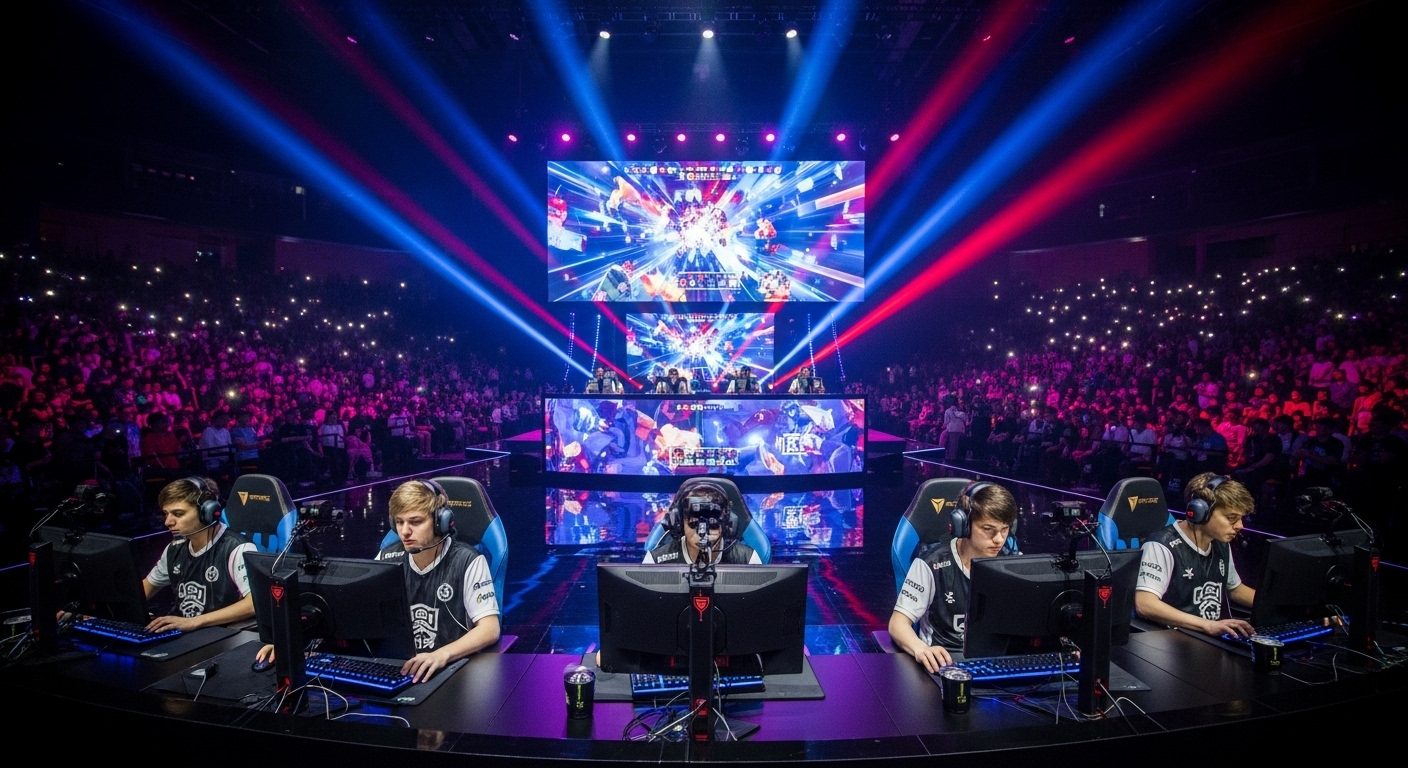
The Rise of Esports: From Niche Hobby to Global Phenomenon
Esports, or competitive video gaming, has grown from a niche pastime into a global phenomenon that rivals traditional sports in viewership, sponsorship, and cultural influence. Over the past two decades, this industry has evolved dramatically, transforming how people perceive gaming and entertainment. From local LAN tournaments to million-dollar international competitions, esports has become a legitimate career path for many and a source of entertainment for millions worldwide.
A Brief History of Esports
The roots of esports can be traced back to the late 1970s and early 1980s when video games first started gaining popularity. One of the earliest known gaming competitions was the 1980 “Space Invaders Championship,” which drew thousands of participants in the United States. As technology advanced and arcade gaming spread, competitive gaming communities began to emerge, often centered around specific games and local tournaments.
The 1990s brought the rise of PC gaming and networked competitions. Titles like Quake, StarCraft, and Counter-Strike became the foundation of competitive gaming, fostering communities that communicated through online forums and early gaming networks. South Korea emerged as a central hub for esports during this period, with StarCraft: Brood War achieving immense popularity and establishing the template for professional gaming leagues.
The Explosion of Online Multiplayer Games
The turn of the millennium marked a turning point for esports. The widespread availability of high-speed internet enabled online multiplayer games to flourish. Games such as League of Legends, Dota 2, and Overwatch created massive communities and became staples of competitive gaming. The rise of platforms like Twitch and YouTube further amplified the visibility of esports, allowing fans to watch live streams, follow professional players, and engage with gaming content on a global scale.
Esports grew from small tournaments with minimal prize pools to massive events with multimillion-dollar rewards. The introduction of franchised leagues, such as the Overwatch League, provided stability for players and teams, while also attracting sponsorships from major corporations. This professionalization of esports legitimized it as a career option for aspiring players, coaches, and content creators.
Popular Esports Titles and Genres
Esports encompasses a wide range of genres, each with its own competitive scene, player base, and fan following. Some of the most prominent genres include:
Multiplayer Online Battle Arenas (MOBAs)
MOBAs, including League of Legends and Dota 2, are some of the most popular esports games globally. These games require strategic thinking, teamwork, and quick reflexes. Professional leagues for MOBAs often feature extensive seasonal competitions culminating in grand tournaments with millions of dollars in prize money.
First-Person Shooters (FPS)
FPS games like Counter-Strike: Global Offensive, Valorant, and Call of Duty emphasize precision, strategy, and fast reflexes. FPS esports tournaments are known for their intense matches and passionate fan bases. The genre has a strong presence in both online and offline competitions, with events hosted in arenas filled with cheering fans.
Battle Royale
Battle royale games, including Fortnite and PUBG, have revolutionized competitive gaming with their large-scale, last-person-standing gameplay. These games emphasize both individual skill and adaptability, as the dynamic nature of the matches ensures that no two games are ever the same. Tournaments in this genre often feature massive prize pools and draw viewers from around the world.
Fighting Games
Fighting games like Street Fighter, Tekken, and Super Smash Bros. offer a more niche but passionate competitive scene. These games focus on one-on-one matches where precision, timing, and knowledge of character matchups are critical. Fighting game communities thrive on grassroots tournaments and events, fostering a unique culture within esports.
The Role of Streaming and Content Creation
The rise of streaming platforms has played a pivotal role in esports’ growth. Twitch, YouTube Gaming, and other platforms allow fans to watch professional matches, follow their favorite players, and even learn strategies to improve their own gameplay. Streaming has also created opportunities for players to build personal brands, monetize their gameplay, and engage directly with audiences.
Content creators often bridge the gap between casual players and professional esports. They provide tutorials, commentary, and entertainment, cultivating a community around their channels. The symbiotic relationship between esports and streaming has helped maintain continuous fan engagement, even during off-seasons or between tournaments.
Esports as a Career
Esports is no longer just about playing video games for fun; it has become a viable career path. Professional players can earn substantial incomes through tournament winnings, sponsorships, streaming revenue, and team salaries. Beyond players, careers in esports also include coaching, content creation, event management, game development, and broadcasting.
However, pursuing a career in esports requires dedication, skill, and resilience. The competitive landscape is intense, and maintaining peak performance often involves rigorous training schedules, strategic analysis, and continuous improvement. Players must also manage public exposure, mental health, and long-term career planning, as professional gaming careers can be relatively short.
Esports Culture and Community
Esports culture is vibrant and diverse, encompassing gamers, fans, developers, and organizers. Communities form around specific games, teams, and tournaments, creating a sense of belonging and shared passion. Fan engagement is not limited to spectating; it extends to discussions, fan art, cosplay, and social media interactions.
The global nature of esports also promotes cross-cultural connections. Players from different countries compete against each other, while fans follow international leagues and events. This connectivity has fostered a sense of inclusivity and shared enthusiasm across borders.
Major Esports Tournaments and Events
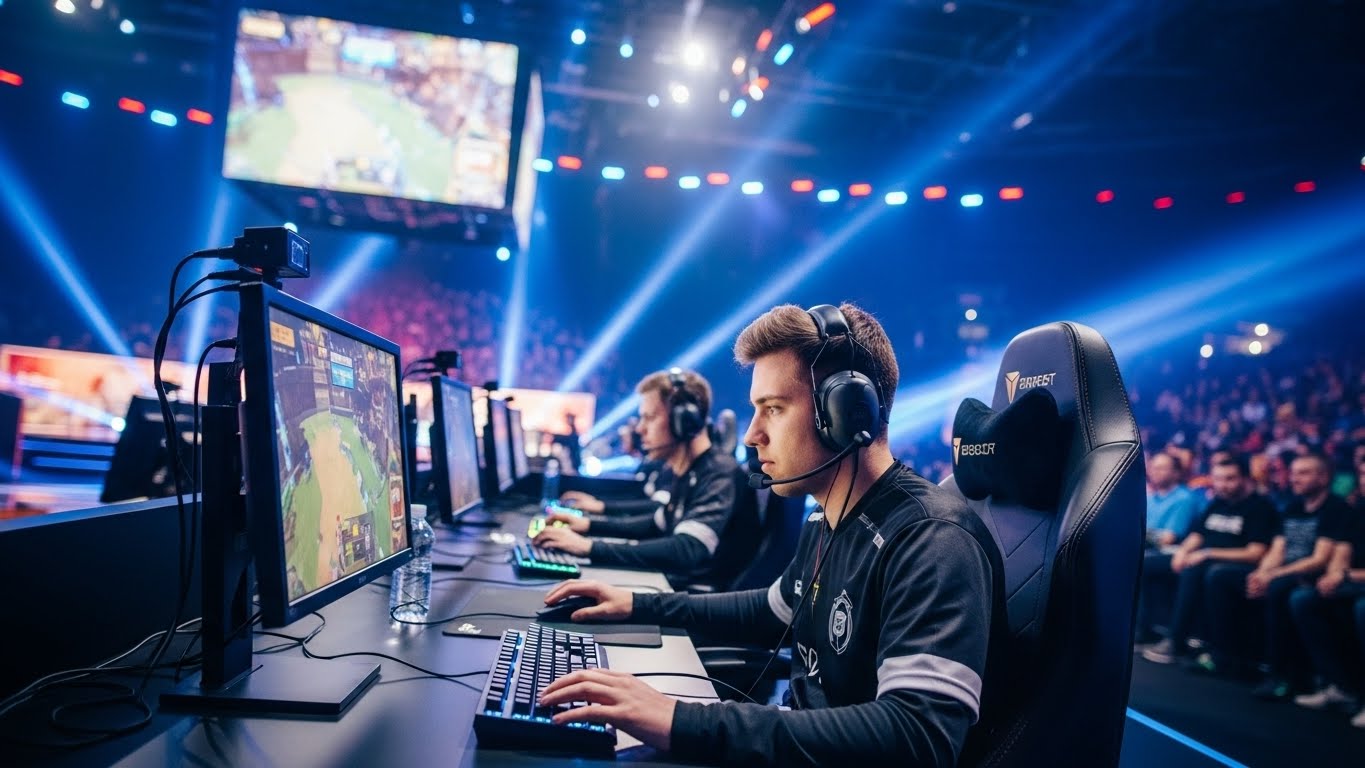
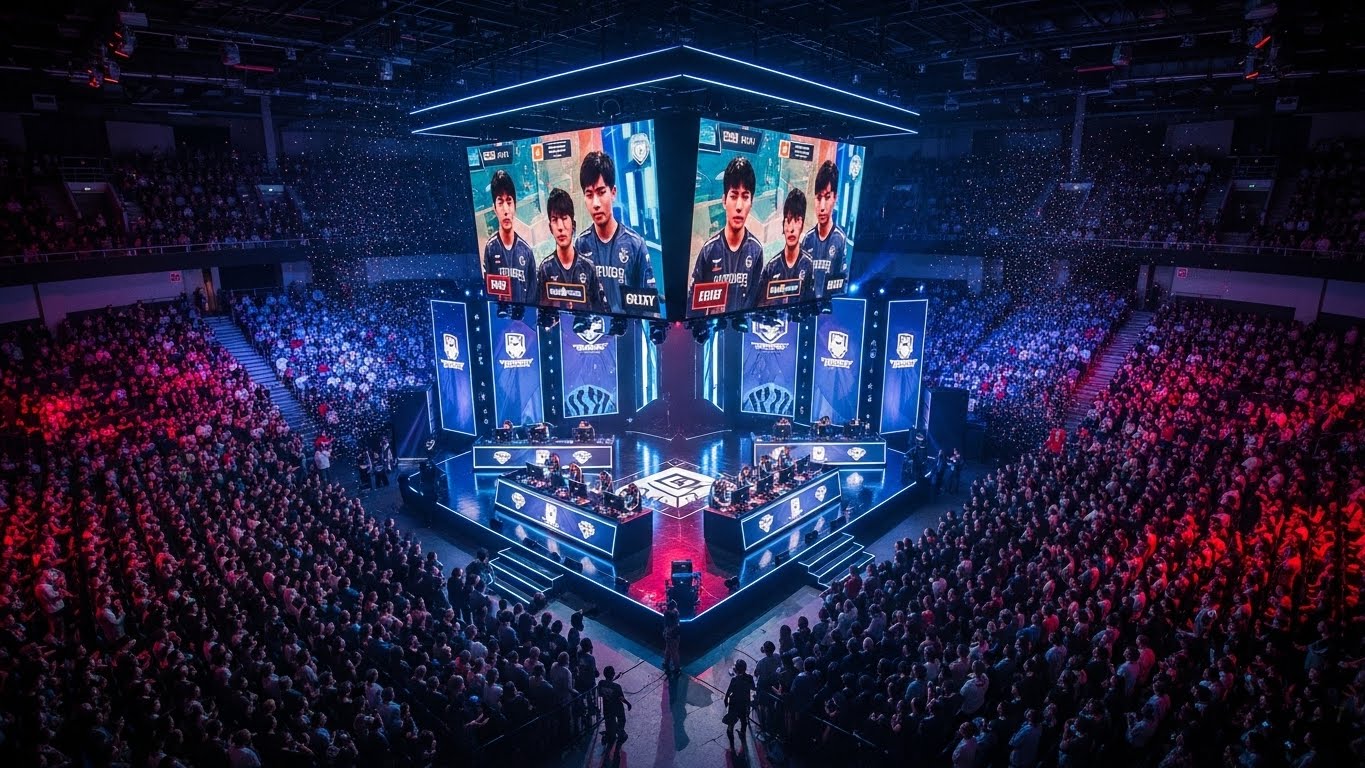
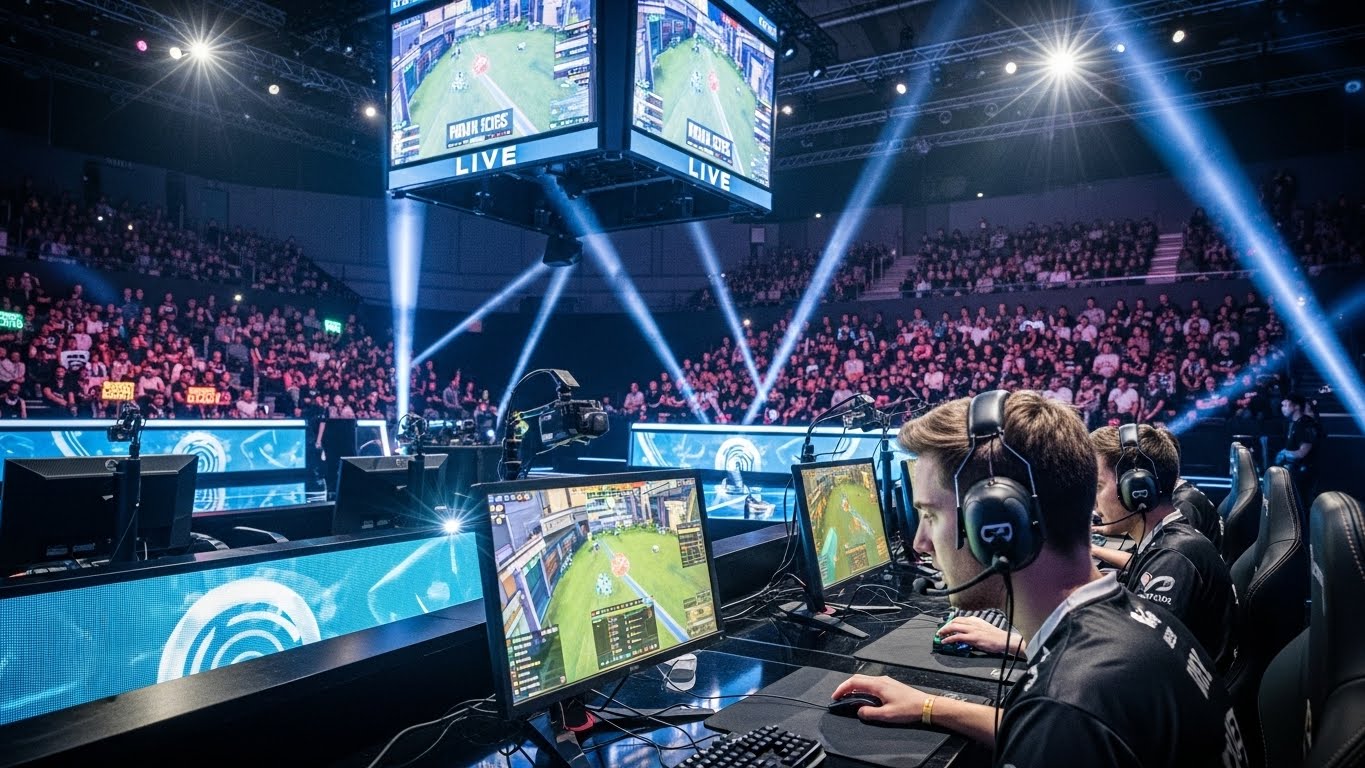
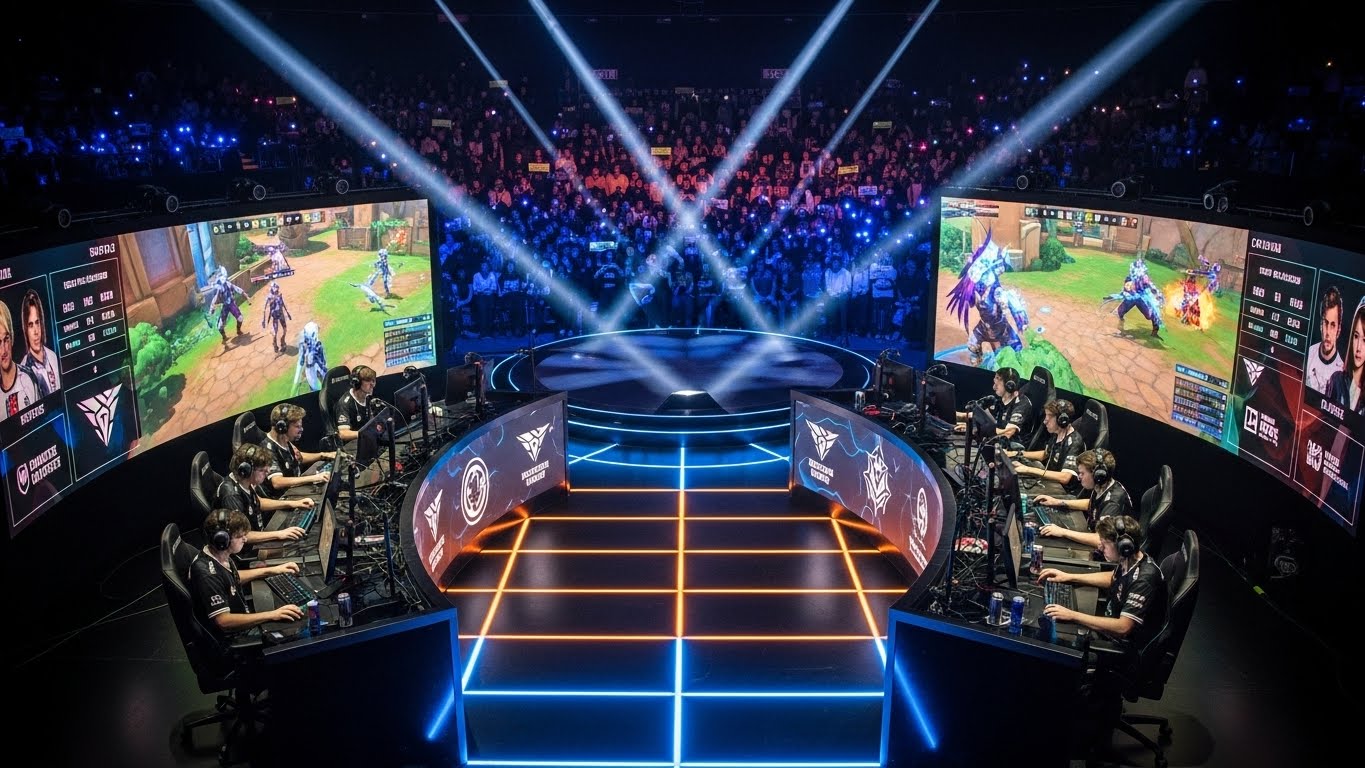
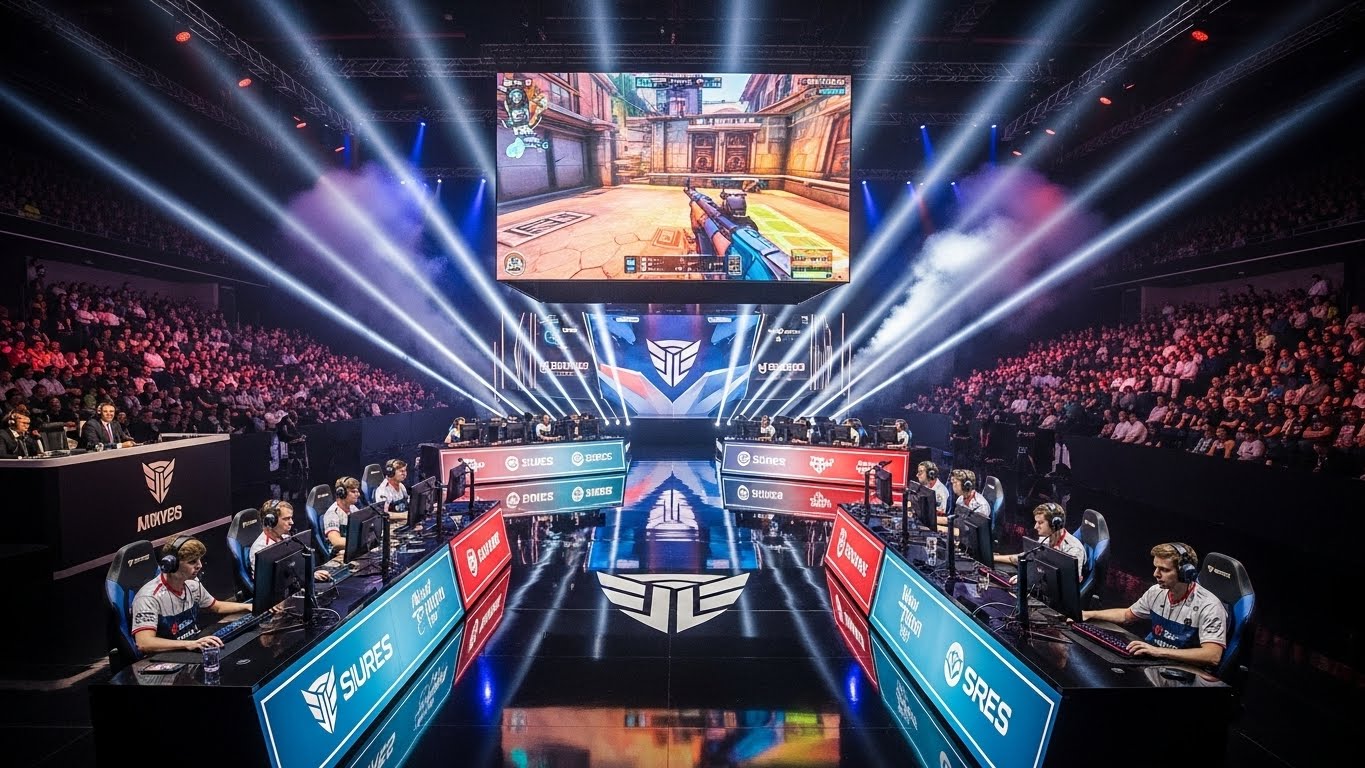
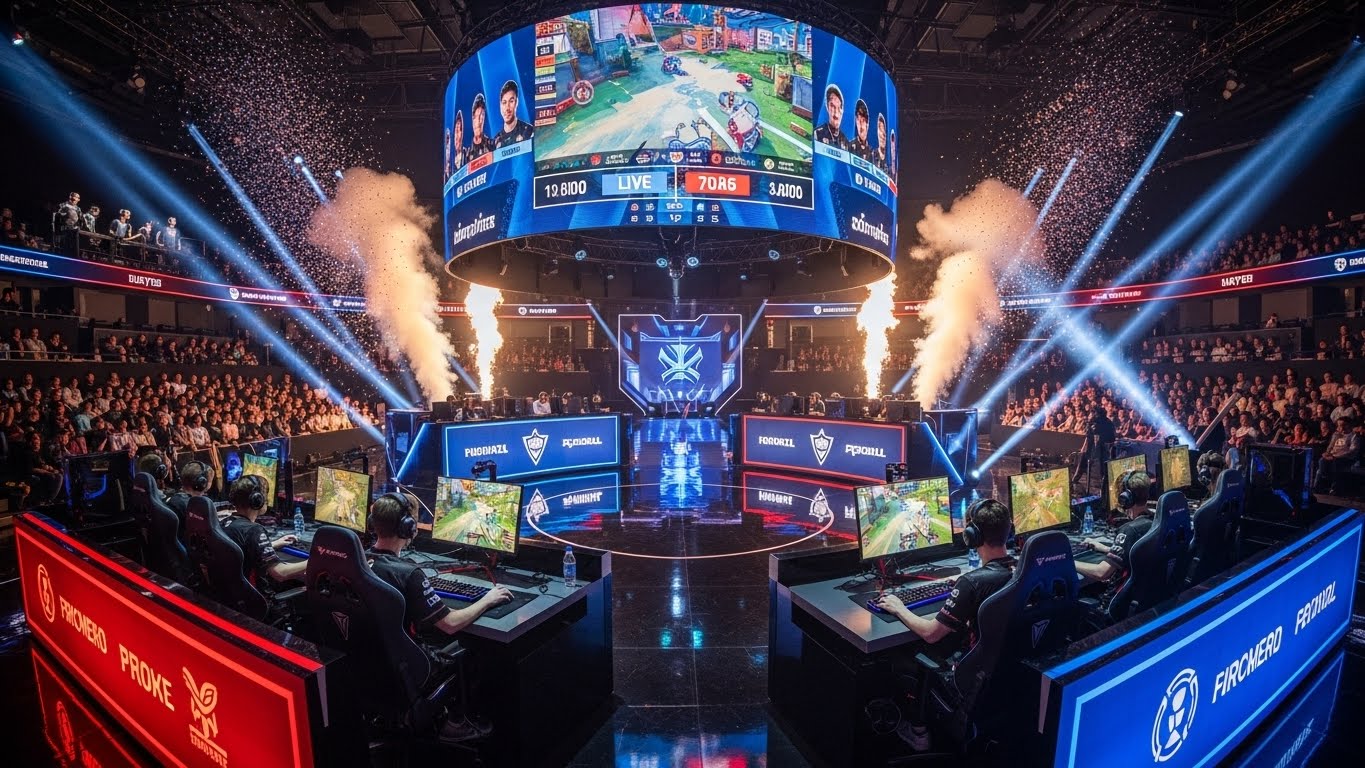
Esports tournaments have evolved into large-scale spectacles, rivaling traditional sports events in terms of production quality and audience reach. Some notable tournaments include:
- The International (Dota 2): Known for its massive prize pools, this annual tournament draws the best teams worldwide to compete for millions of dollars.
- League of Legends World Championship: A seasonal event that crowns the top team in one of the most popular esports titles.
- CS:GO Majors: Prestigious tournaments featuring the best Counter-Strike teams, showcasing skill and strategy at the highest level.
- Fortnite World Cup: A landmark event that brought esports mainstream attention with its massive prize pool and media coverage.
These events are more than just competitions—they are cultural moments that attract media coverage, sponsorships, and fan celebrations on a global scale.
The Economic Impact of Esports
The esports industry has grown into a multi-billion-dollar business, generating revenue from sponsorships, advertising, merchandise, ticket sales, and media rights. Major brands from various industries, including technology, apparel, and beverages, sponsor esports teams and events to reach younger, tech-savvy audiences.
Esports also contributes to local economies by hosting tournaments in arenas, creating jobs in event management, and driving tourism. Cities like Los Angeles, Seoul, and Berlin have embraced esports as part of their cultural and economic strategies, further solidifying its mainstream acceptance.
Challenges Facing Esports
Despite its growth, esports faces several challenges. One major issue is the sustainability of professional careers. The high level of competition, pressure to perform, and potential for burnout make longevity in esports difficult. Mental health and physical well-being are growing concerns, as players often endure long hours of practice and travel.
Another challenge is regulatory oversight. Ensuring fair play, preventing cheating, and establishing standardized rules are ongoing concerns for leagues and organizers. Additionally, the industry must address diversity and inclusivity, ensuring opportunities for players of all backgrounds and identities.
The Future of Esports
The future of esports looks promising, with continued growth expected in audience size, prize money, and mainstream recognition. Emerging technologies like virtual reality, augmented reality, and artificial intelligence could transform gameplay experiences and fan engagement. Esports may also integrate further with traditional sports, entertainment, and media, creating hybrid events that appeal to broader audiences.
Educational institutions are beginning to recognize esports as well, offering scholarships, courses, and programs dedicated to competitive gaming and related industries. This legitimization will likely continue, fostering a new generation of professional players, analysts, and industry experts.
Conclusion
Esports has come a long way from its humble beginnings in arcades and small competitions. Today, it stands as a major cultural and economic force, offering entertainment, community, and career opportunities on a global scale. The industry continues to evolve, driven by innovation, passion, and the universal love of gaming. As esports grows, it will undoubtedly shape the future of digital entertainment, bridging the gap between virtual competition and real-world impact.