 championcircle20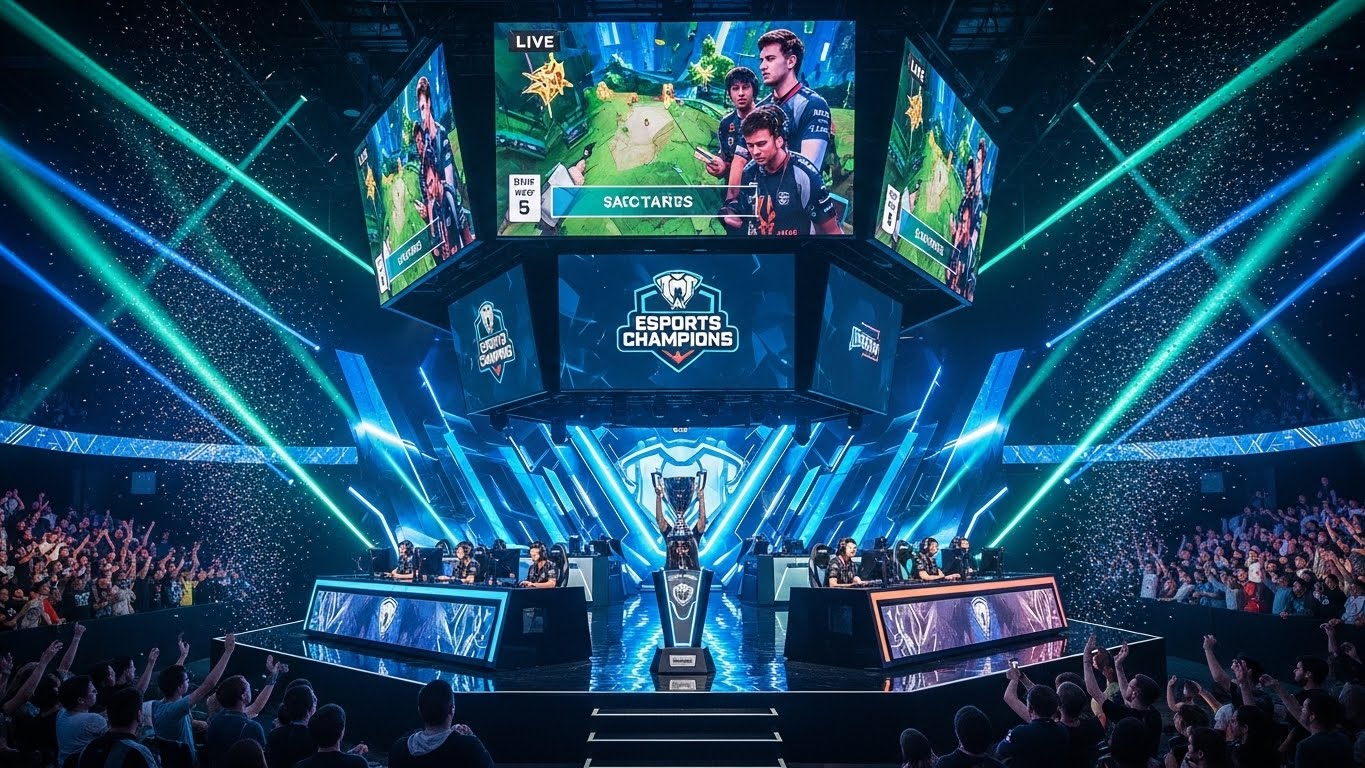
In recent years, esports has transcended its niche roots to become a global entertainment powerhouse. With the advent of streaming platforms, professional leagues, and an expanding base of passionate fans, competitive gaming is now as mainstream as traditional sports. From small local tournaments to multi-million-dollar prize pools, esports has proven to be a thriving industry with a vast cultural impact. This blog will explore how esports evolved, its current landscape, the players and teams that define it, and its future potential in the world of entertainment.
The Birth of Esports: From Arcades to Online Tournaments
Esports, or electronic sports, refers to organized multiplayer video game competitions, particularly between professional players, individually or as teams. While it may seem like a modern phenomenon, the roots of competitive gaming stretch back to the 1970s and 1980s, when the first arcade games like Space Invaders and Pong inspired early forms of competition. Back then, players competed for high scores, a precursor to the modern-day esports tournament.
The evolution of esports accelerated in the 1990s with the rise of the internet and the increasing accessibility of online multiplayer games. Titles like Quake and StarCraft ignited a competitive community, laying the groundwork for the formation of the first esports tournaments. In fact, the Red Annihilation tournament in 1997, a Quake competition, is often considered one of the earliest notable esports events. The event culminated in a dramatic showdown between professional players, and the winner took home a Ferrari, signifying the growing value and recognition of esports.
The Digital Revolution: Esports in the 2000s
The early 2000s marked the beginning of esports as we know it today. The internet became faster and more accessible, enabling players from around the world to compete against each other online. Multiplayer online games like Warcraft III, Counter-Strike, and Dota built passionate communities and gave birth to the concept of online tournaments. Websites dedicated to competitive gaming, such as ESL (Electronic Sports League), began organizing and hosting events, further professionalizing the scene.
In the mid-2000s, South Korea became a hotbed for esports. The country’s infrastructure, combined with a deep cultural affinity for gaming, saw games like StarCraft and League of Legends become household names. South Korea’s government-backed broadcasting of gaming competitions and the development of dedicated gaming venues, such as the PC Bangs (internet cafes), created a fertile ground for esports to thrive. The emergence of professional players, coaches, and sponsors paved the way for esports to be viewed as a legitimate career.
The 2000s also saw the rise of streaming platforms. Twitch, founded in 2011, revolutionized how fans could watch competitive gaming. No longer confined to physical arenas or cable broadcasts, esports competitions could now be viewed by millions of fans worldwide with just a few clicks. This accessibility further propelled the global growth of esports and made it more mainstream.
The Present: Esports as a Multi-Billion Dollar Industry
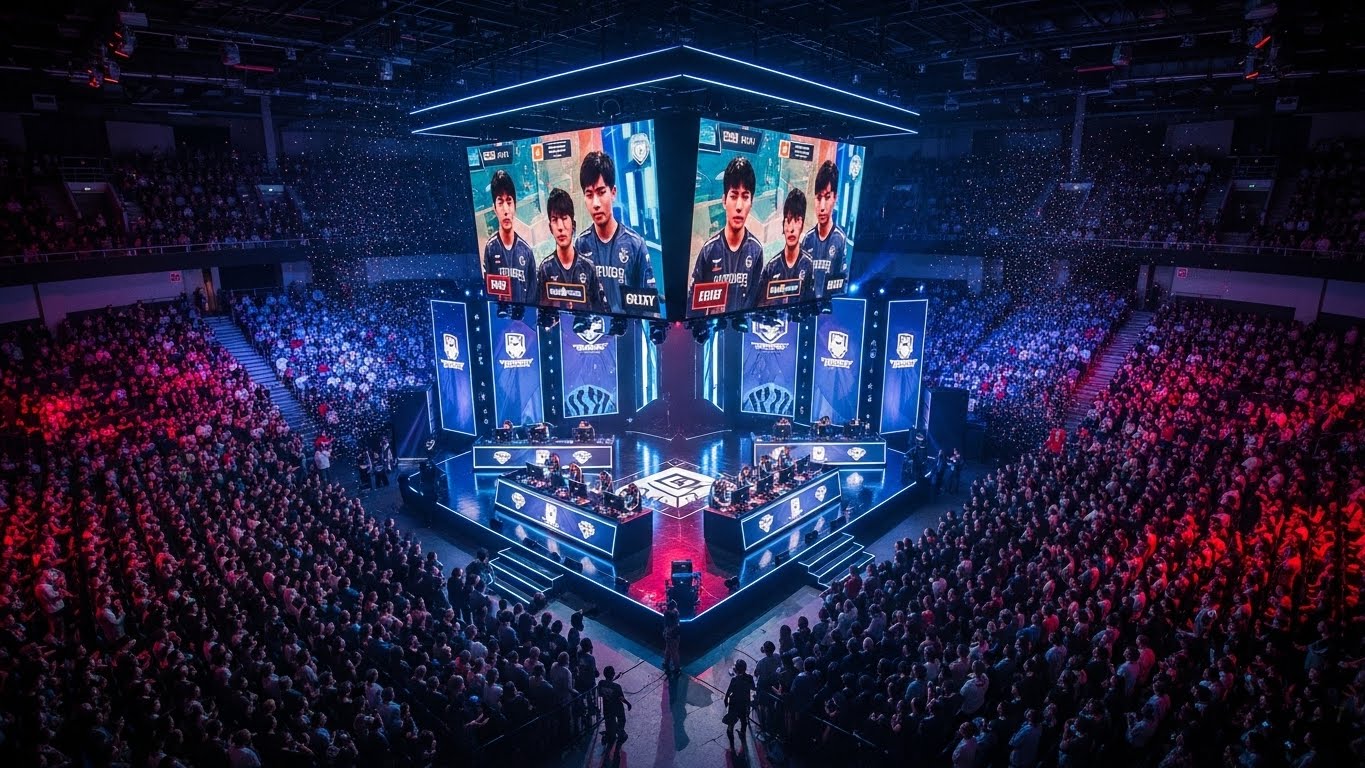
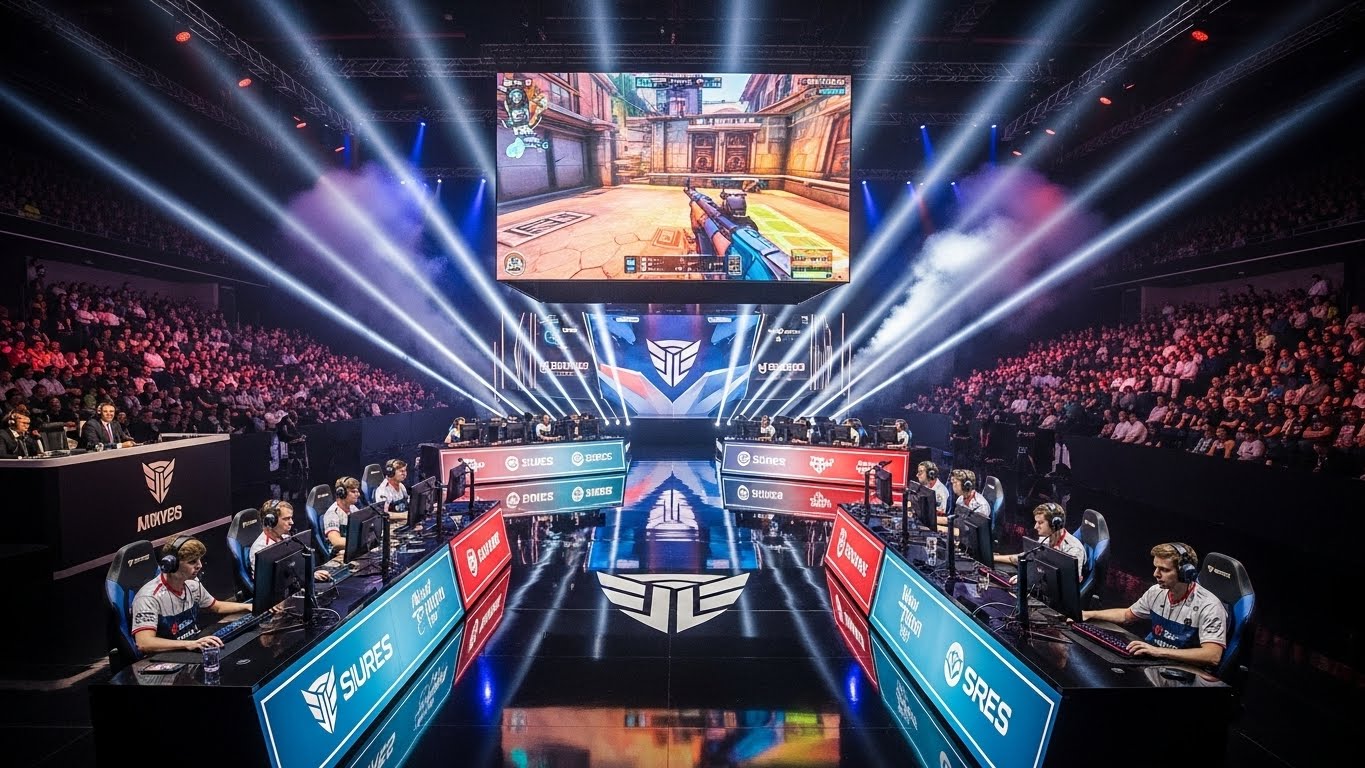
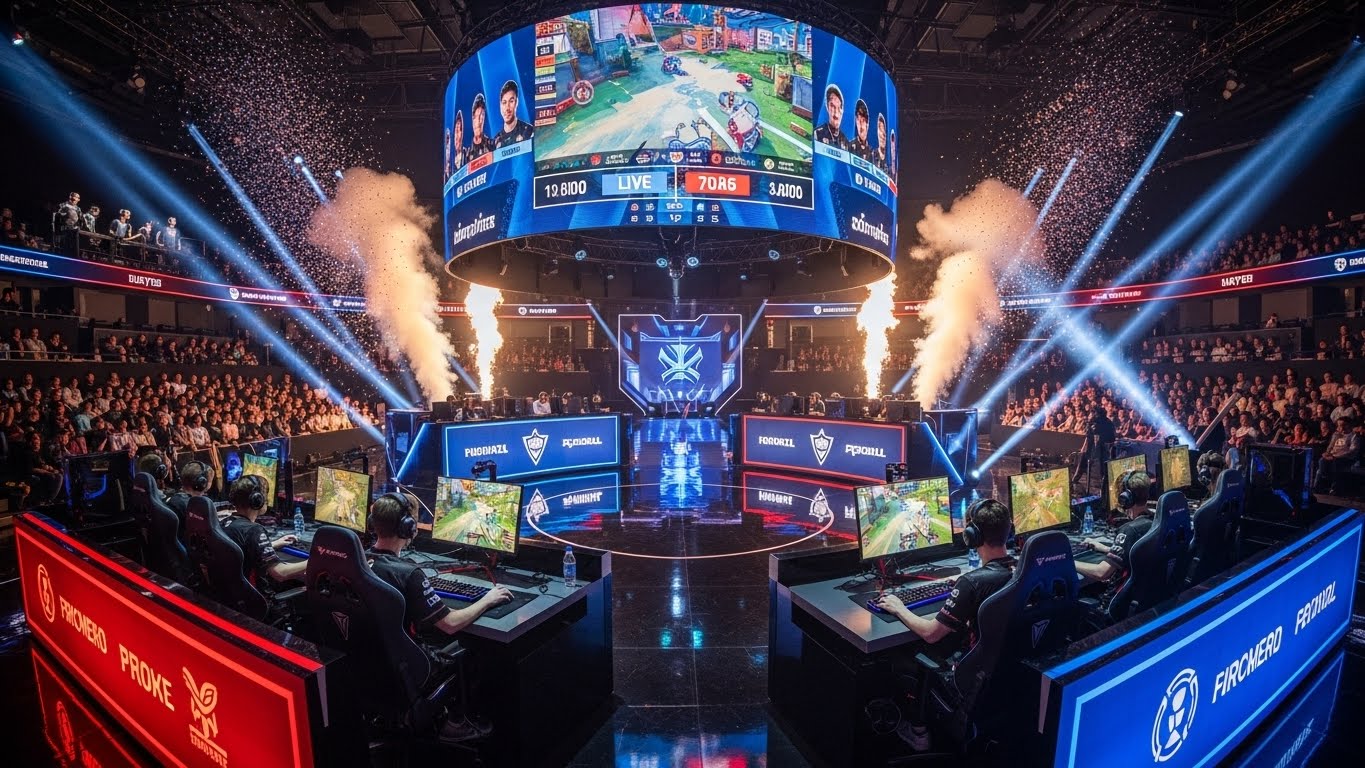
Today, esports is a global industry worth billions of dollars, encompassing game developers, media companies, teams, sponsors, advertisers, and a fanbase of millions. Tournaments and leagues have evolved into major events that attract massive live audiences, both in-person and online. Events like The International (Dota 2’s annual championship) and League of Legends World Championship offer multi-million-dollar prize pools, and companies like Riot Games, Valve, and Blizzard Entertainment have made significant investments in fostering competitive gaming ecosystems.
Professional Players and Teams
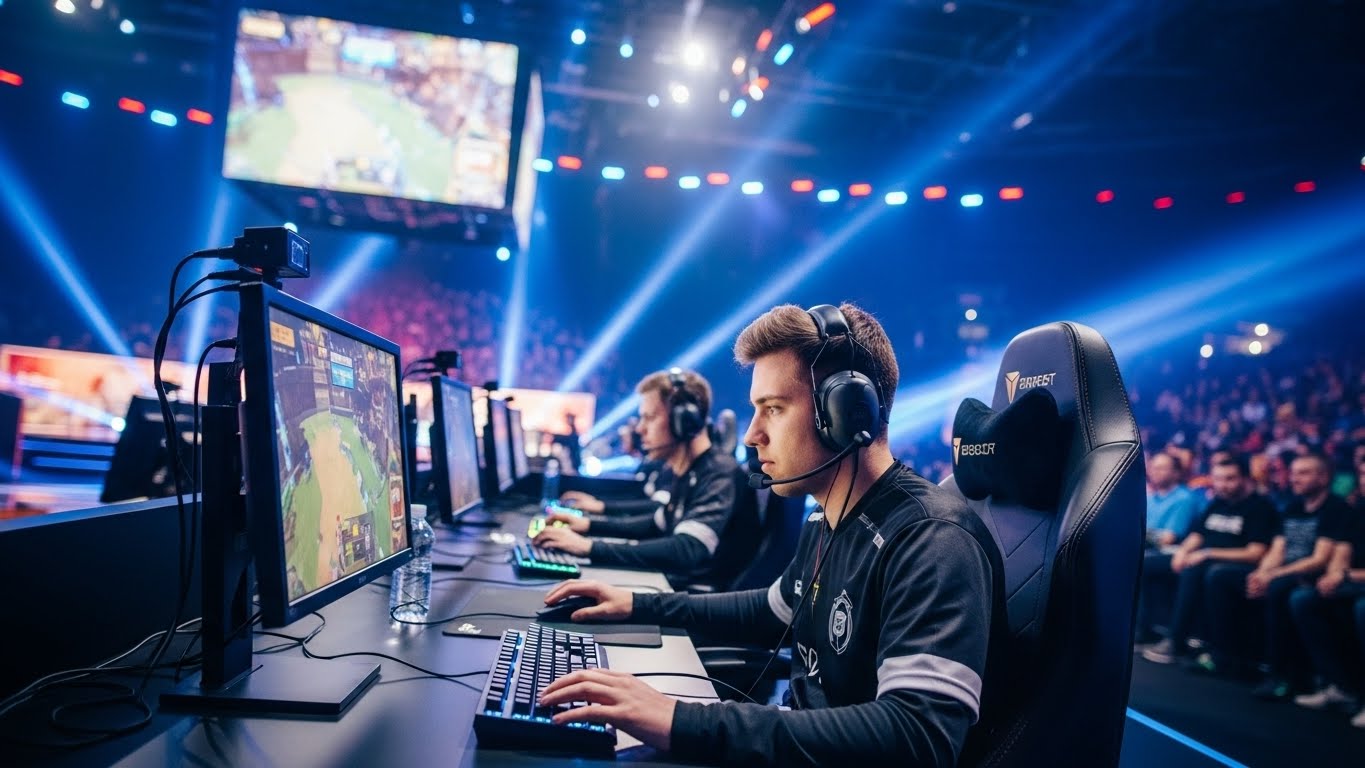
In the world of esports, professional players have become celebrities in their own right. Top players in games like League of Legends, Fortnite, Valorant, and Counter-Strike: Global Offensive earn substantial incomes from tournament winnings, sponsorship deals, streaming, and content creation. These players often have millions of followers on platforms like Twitch, YouTube, and Twitter, where they stream their gameplay, interact with fans, and build personal brands.
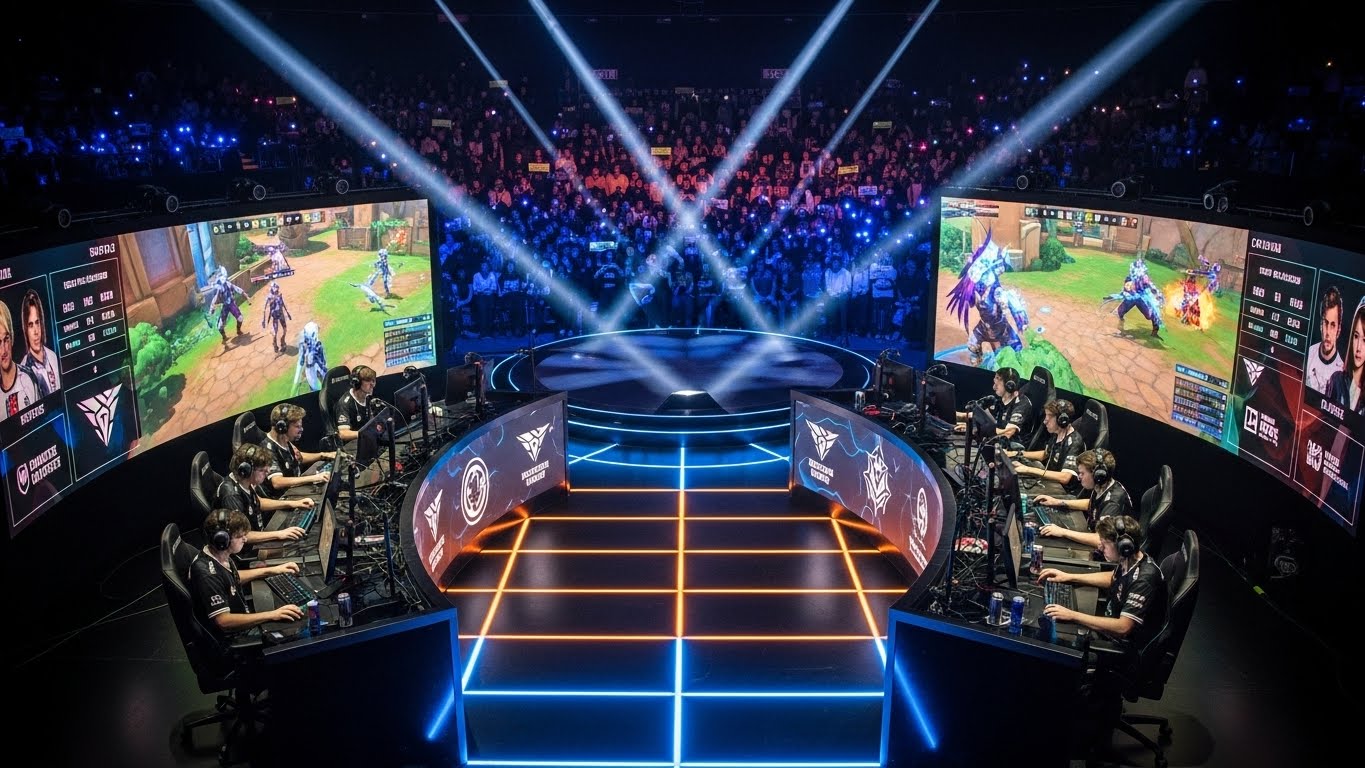
Esports teams also play a vital role in the industry’s growth. Teams like T1, Cloud9, Team Liquid, and Fnatic have become household names, with players from all over the world representing these organizations. These teams are not only comprised of skilled players but also include managers, coaches, analysts, and support staff, mirroring the structure of traditional sports teams. Some of these teams even have dedicated training facilities and performance-enhancing support, such as psychologists, nutritionists, and fitness coaches, to ensure that players perform at their best.
The Role of Sponsors and Advertisers
The involvement of major brands has been a key factor in esports’ financial growth. Companies like Intel, Coca-Cola, Adidas, and Monster Energy have signed sponsorship deals with top-tier esports organizations, players, and tournaments. These partnerships bring in significant revenue, which, in turn, allows for bigger prize pools, improved event production, and higher salaries for players and staff.
Esports has also attracted traditional sports brands. For instance, NBA teams such as the Golden State Warriors and Cleveland Cavaliers have invested in esports organizations, creating an intersection between traditional sports and digital entertainment. The symbiotic relationship between esports and brands reflects the evolving media consumption habits of younger generations, who are more inclined to watch esports over traditional TV sports.
Broadcast and Streaming: Changing the Game
The way fans consume esports has undergone a dramatic shift in the past decade. Streaming platforms like Twitch, YouTube Gaming, and Facebook Gaming have become the go-to destinations for watching live competitions, replays, and exclusive content. Twitch, in particular, has played a monumental role in the growth of esports, giving fans an interactive and immersive viewing experience.
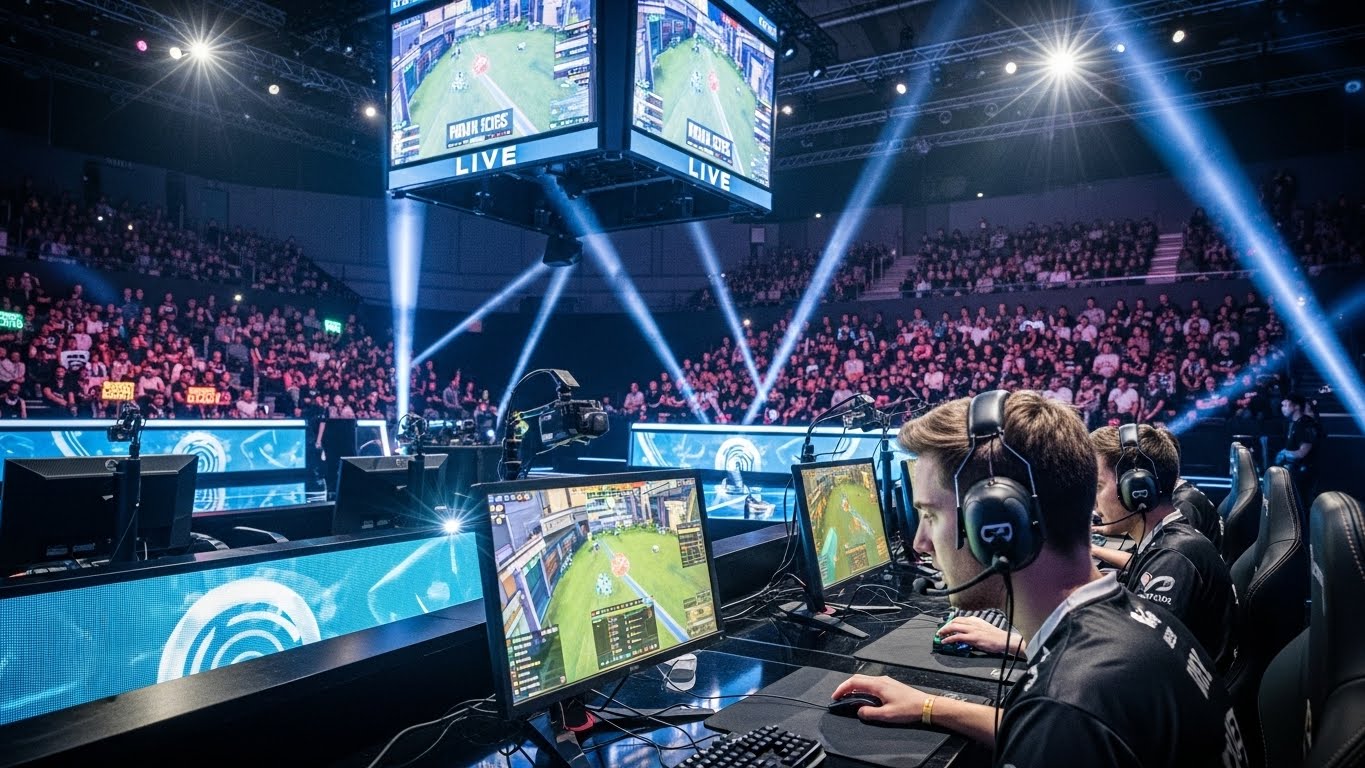
Esports broadcasts feature skilled commentators, analysts, and live interviews, similar to traditional sports broadcasts. The broadcasts are also often supplemented by community engagement, allowing fans to interact with each other and with players during the event. This creates a sense of community and involvement that has been essential to esports’ meteoric rise.
The Cultural Impact of Esports
Esports has become a cultural force, shaping the entertainment habits of a generation. Competitive gaming has become intertwined with youth culture, particularly among millennials and Gen Z. Esports events are no longer just tournaments; they are celebrated spectacles that attract millions of viewers, both online and in-person. For many, esports is as exciting as attending a live concert or watching a major sporting event.
In addition to shaping entertainment preferences, esports has also had a significant impact on education. Universities around the world have begun to offer scholarships for esports players, and dedicated esports programs and courses have emerged, preparing students for careers in gaming. There are now formal degrees in game design, game development, esports management, and digital marketing, making esports a viable career path for many.
Moreover, esports has promoted diversity and inclusion. While historically gaming was considered a male-dominated space, esports has seen a rise in female participation and increased efforts to create more inclusive environments. Several initiatives and organizations have emerged to encourage women to compete in esports, and the rise of female players and streamers continues to break barriers and redefine stereotypes about who can succeed in gaming.
The Future of Esports: What Lies Ahead?
The future of esports is incredibly bright. With a growing fanbase, expanding sponsorship deals, and continued technological advancements, esports is poised to become even more integrated into mainstream entertainment. Several key trends indicate the potential for even greater growth:
1. Global Expansion
As the internet continues to spread across the world, esports is reaching new regions, particularly in Asia, Latin America, and Africa. Countries like China and Japan are already significant players in the esports market, and the global expansion of high-speed internet connectivity will only amplify the reach of esports.
2. Mobile Gaming
Mobile gaming has exploded in popularity, particularly in regions where access to high-end gaming PCs is limited. Games like PUBG Mobile, Free Fire, and Call of Duty Mobile have brought competitive gaming to millions of new players, opening up new avenues for esports growth.
3. Virtual Reality (VR) and Augmented Reality (AR)
As VR and AR technologies advance, they hold the potential to revolutionize the way esports is experienced. Imagine watching a tournament in 3D or even participating in a virtual match. While this is still in its early stages, the future of immersive esports experiences is exciting and could drastically change the spectator experience.
4. Esports as an Olympic Event?
Esports has long been discussed as a potential inclusion in the Olympic Games. While it may be several years before this becomes a reality, the increasing legitimacy of esports as a competitive sport means that the possibility of it being added to the Olympics is now more realistic than ever.
Conclusion: Esports – A Permanent Fixture in Entertainment
Esports has grown from a niche hobby to a global phenomenon, with millions of fans and billions of dollars in revenue. Its rapid rise is a testament to the changing dynamics of entertainment and the power of digital communities. As gaming technology evolves, so too will the esports landscape, offering more opportunities for players, fans, and investors alike. Whether you’re a casual viewer, an aspiring professional player, or a brand looking to tap into this booming market, one thing is clear: esports is here to stay.