 championcircle20
The Thriving World of Esports: A New Era of Competitive Gaming
Esports, once a niche interest, has transformed into a global phenomenon, captivating millions of viewers and players worldwide. From competitive tournaments to thriving streaming platforms, esports is reshaping the way we perceive gaming, sports, and entertainment. With massive prize pools, professional teams, and a dedicated fanbase, esports has evolved into a billion-dollar industry. This blog post will dive into the world of esports, exploring its growth, key players, games, and the future of competitive gaming.
The Rise of Esports: From Hobby to Industry
Esports, or electronic sports, refers to competitive video gaming at a professional level. It has evolved from a hobby that enthusiasts engaged in during their free time to an industry that generates millions in revenue. The rapid growth of esports can be attributed to several factors, including the rise of online multiplayer games, streaming platforms like Twitch and YouTube, and the increasing acceptance of video games as a form of entertainment.
In the early days, competitive gaming was primarily limited to local LAN (Local Area Network) tournaments or small-scale competitions. However, with the advent of high-speed internet and the rise of popular online multiplayer games, such as Counter-Strike, StarCraft, and League of Legends, esports began to take shape as a professional industry. Major game developers and publishers saw the potential in turning their games into competitive platforms, creating a thriving ecosystem of tournaments, leagues, and sponsorships.
The first significant step towards mainstream acceptance came in the early 2000s with the creation of esports organizations, like ESL (Electronic Sports League) and MLG (Major League Gaming). These organizations played a crucial role in organizing professional tournaments, broadcasting events, and attracting sponsors. By the 2010s, esports began to gain traction among traditional sports networks and media companies, with high-profile tournaments being aired on television and major companies investing in the industry.
Key Games Driving the Esports Boom
While there are many games that contribute to the growing esports scene, a handful of titles have emerged as the pillars of competitive gaming. These games not only have massive player bases but also host high-stakes tournaments that attract millions of viewers. Some of the key games driving the esports boom include:
1. League of Legends (LoL)
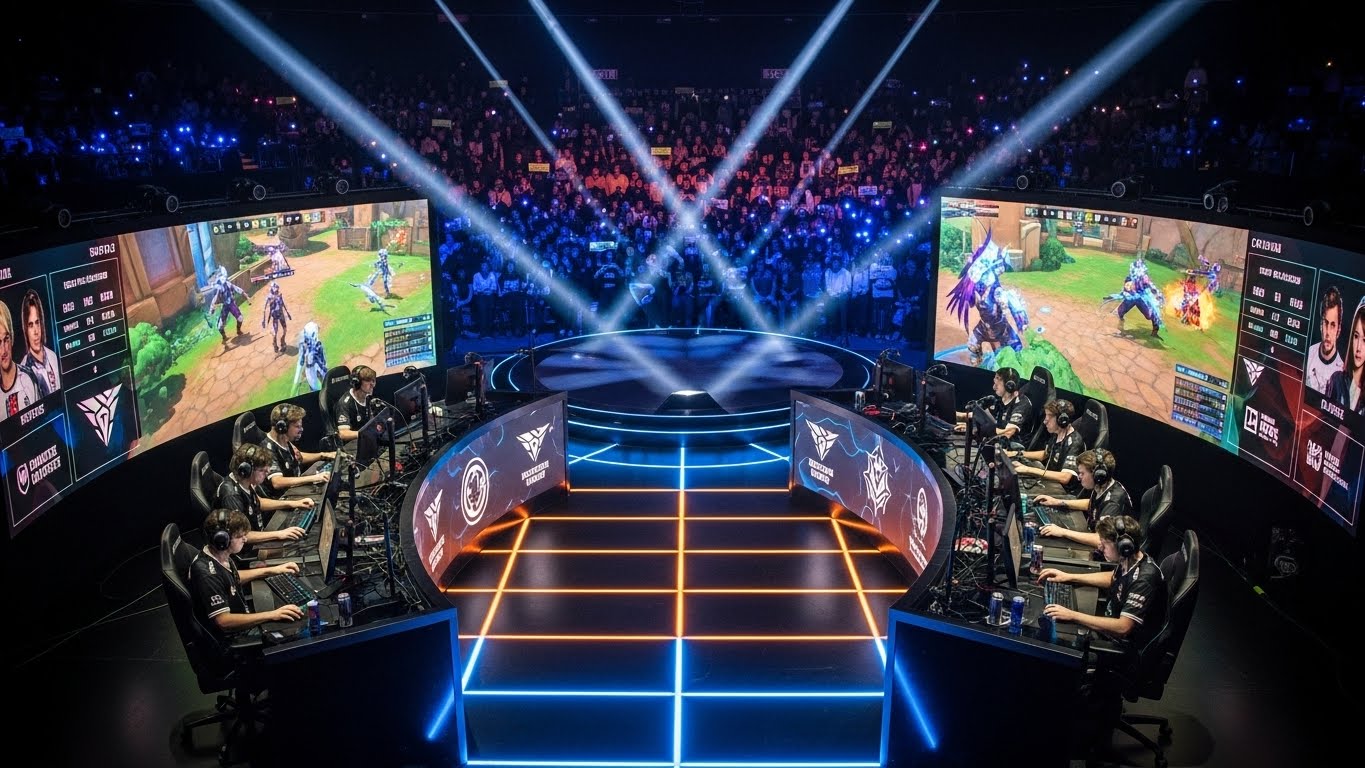
League of Legends, developed by Riot Games, is one of the most iconic and influential games in the esports world. Released in 2009, the game has become the cornerstone of competitive gaming, with its World Championship (commonly known as Worlds) attracting millions of viewers annually. LoL is a multiplayer online battle arena (MOBA) game where two teams of five players compete to destroy each other’s base. The game’s strategic depth, constant updates, and thriving esports scene have cemented it as one of the most popular games in the world.
2. Dota 2
Developed by Valve Corporation, Dota 2 is another major title in the esports landscape. Known for its complex gameplay and high skill ceiling, Dota 2 has a massive global following. The International, the game’s premier annual tournament, offers some of the largest prize pools in esports, often surpassing $30 million. The game is a 5v5 multiplayer online battle arena (MOBA) similar to League of Legends, but with a focus on deep strategy and individual skill.
3. Counter-Strike: Global Offensive (CS:GO)
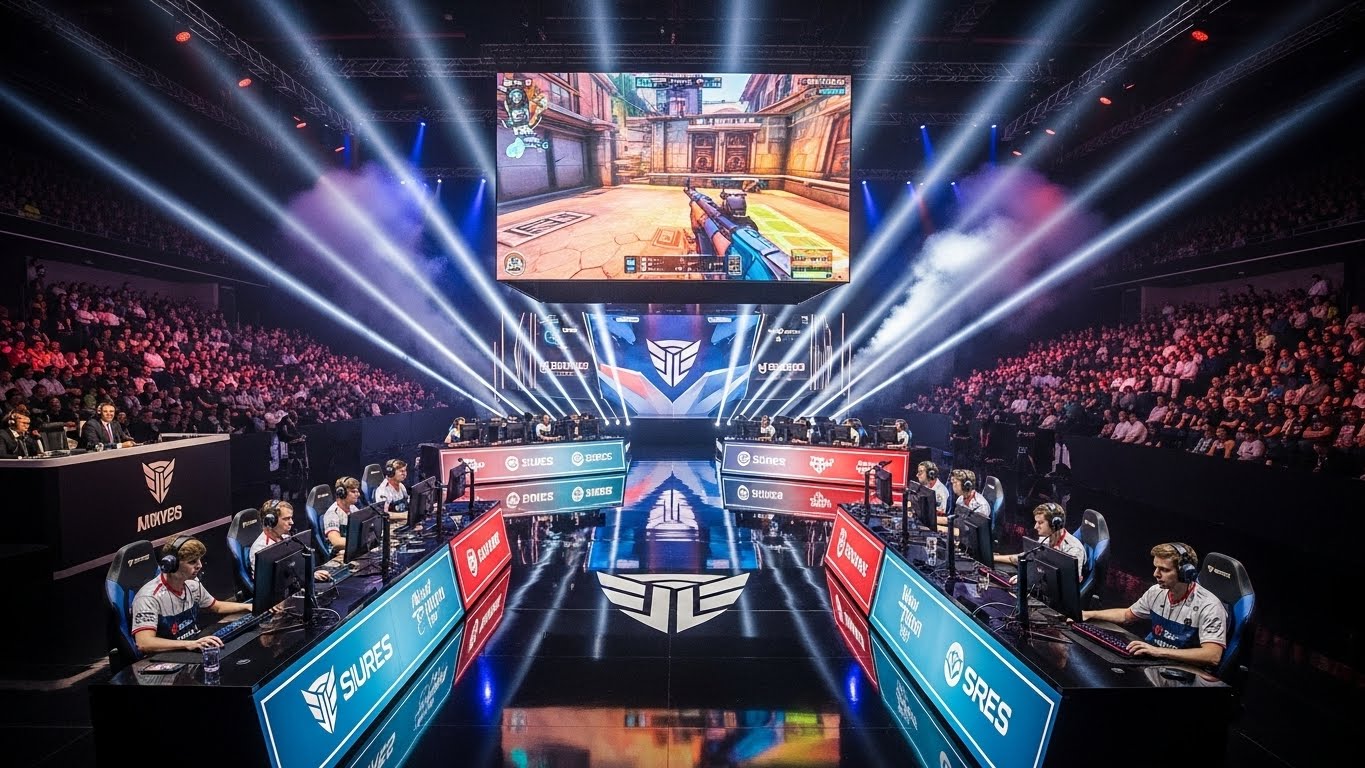
Counter-Strike: Global Offensive, developed by Valve and Hidden Path Entertainment, is one of the most popular first-person shooters in the world. The game has a rich history, dating back to its roots in the early 2000s, and its competitive scene has been thriving for over a decade. CS:GO features two teams—Terrorists and Counter-Terrorists—competing to plant or defuse bombs or eliminate the opposing team. The game’s tactical gameplay and emphasis on team coordination make it a staple of esports.
4. Fortnite
While Fortnite is more of a battle royale game than a traditional esports title, it has nonetheless made a massive impact on competitive gaming. Developed by Epic Games, Fortnite combines elements of survival, scavenging, and combat with a unique building mechanic. The game exploded in popularity in 2017 and quickly became a major player in esports. Epic Games has invested heavily in competitive tournaments, and the Fortnite World Cup, which boasts multimillion-dollar prize pools, has drawn in thousands of competitors and millions of viewers.
5. Overwatch
Overwatch, developed by Blizzard Entertainment, is a team-based first-person shooter that has captured the attention of both casual gamers and esports enthusiasts. The game’s colorful and diverse cast of heroes, each with unique abilities, makes it a dynamic and engaging experience. The Overwatch League (OWL) is one of the premier esports leagues, featuring professional teams from cities around the world competing for championship titles. Its emphasis on team play, strategy, and coordination has made it a staple of the esports scene.
The Evolution of Esports Tournaments and Leagues
Esports tournaments and leagues have evolved significantly over the years. Early competitions were often small, community-driven events, but as the industry grew, so did the scale and organization of these tournaments. Today, some of the most prestigious esports tournaments offer prize pools that rival traditional sports, with millions of dollars up for grabs.
1. The International (Dota 2)
The International, hosted by Valve for Dota 2, is one of the most prestigious esports events in the world. Held annually, The International boasts record-breaking prize pools, with the 2018 tournament offering over $25 million in prize money. The event attracts teams from all over the globe, and the stakes are incredibly high. The International has become a spectacle, not just for its gameplay but also for the drama, rivalries, and fan engagement that surround it.
2. League of Legends World Championship
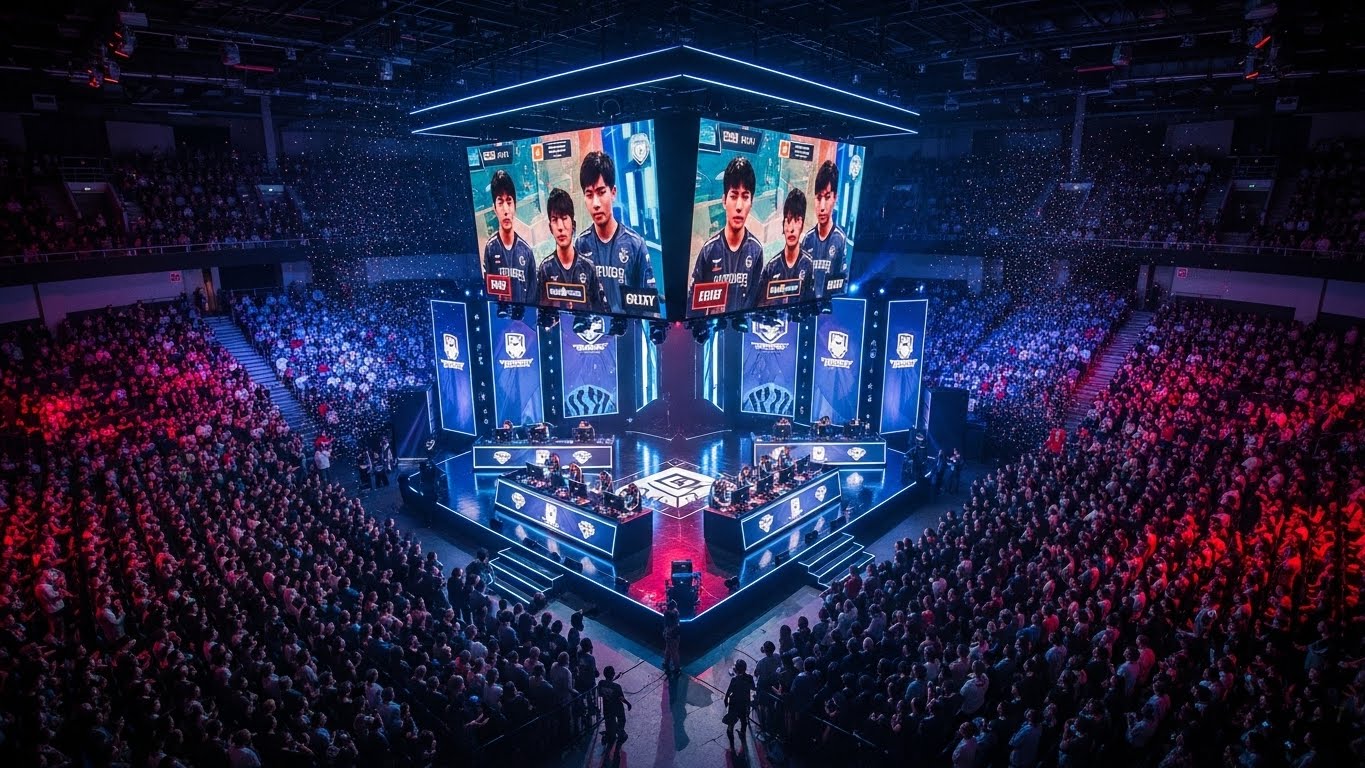
The League of Legends World Championship, or Worlds, is another pinnacle of competitive gaming. Riot Games, the developer of LoL, has crafted an international event that attracts millions of viewers from across the world. Worlds features the best teams from different regions, all vying for the title of world champion. The event is known for its thrilling matches, high production values, and electric atmosphere.
3. CS:GO Major Championships
Counter-Strike: Global Offensive has its own set of major tournaments, known as the CS:GO Major Championships. These events are the most prestigious in the CS:GO competitive scene, and the winners are often regarded as the best teams in the world. The Major tournaments feature top-tier teams, fierce rivalries, and intense competition, all while offering multi-million-dollar prize pools.
4. Overwatch League
The Overwatch League (OWL) is Blizzard’s attempt to bring traditional sports-style leagues into the world of esports. Launched in 2018, the OWL features city-based teams from around the world, competing in a structured, seasonal format. The league is designed to be more accessible to casual viewers, with a focus on team branding, sponsorships, and fan engagement.
Esports as a Career: The Professional Player’s Journey
For many players, esports represents an opportunity to turn a passion for gaming into a full-fledged career. Professional esports players train for hours each day, honing their skills in order to compete at the highest level. While the journey to becoming a pro player is not easy, it has become a realistic goal for many aspiring gamers.
Professional esports players typically start by playing games at a high skill level, often progressing from amateur tournaments to semi-professional competitions. Once they have established themselves as skilled players, they may be scouted by esports organizations or teams. These teams provide support in terms of coaching, strategy, and equipment, allowing players to focus on their gameplay.
The life of a professional player involves constant practice, travel to tournaments, sponsorship deals, and streaming. Some players also have to manage their personal brand, as their popularity on platforms like Twitch and YouTube can translate into additional revenue streams.
The Business of Esports: Revenue and Sponsorships
Esports has become a multi-billion-dollar industry, with revenue coming from several sources, including sponsorships, advertising, media rights, merchandise, and ticket sales. Major companies, such as Coca-Cola, Intel, Red Bull, and Nike, have invested heavily in esports, seeing it as a lucrative market to target young, tech-savvy consumers.
Sponsorships and advertising are among the largest revenue streams in esports. Companies sponsor teams, players, and tournaments, providing financial support in exchange for brand exposure. Esports events also attract viewers, both online and in person, creating opportunities for advertising revenue.
The rise of streaming platforms like Twitch and YouTube has also played a pivotal role in the growth of esports. These platforms provide a way for fans to watch live tournaments, follow their favorite players, and engage with the esports community. Streaming platforms often share revenue with content creators, further incentivizing players to build their own online presence.
The Future of Esports: What Lies Ahead?
The future of esports looks incredibly bright. As technology continues to advance, esports will evolve to include even more immersive and interactive experiences. The rise of virtual reality (VR) and augmented reality (AR) could revolutionize how esports are played and watched, creating new possibilities for both players and fans.
Additionally, the continued integration of esports into mainstream media is likely to result in more televised events, partnerships with traditional sports leagues, and broader recognition. As more universities offer esports scholarships and programs, the pipeline for new talent will only grow.