 championcircle20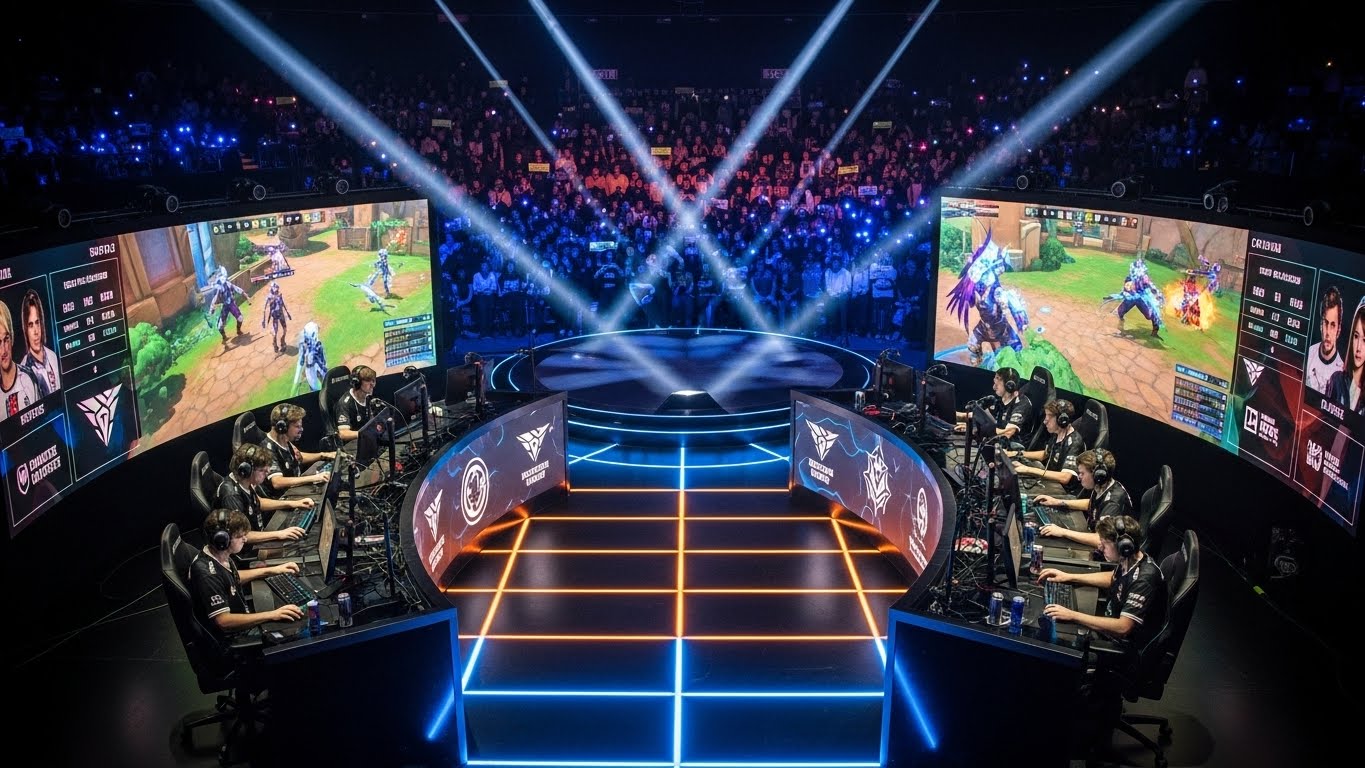
Esports has grown from a niche hobby into a global phenomenon, transforming the way people view gaming, competition, and entertainment. What began as casual tournaments among friends or small communities has evolved into a professional industry with millions of fans, high-stakes competitions, and players who dedicate their lives to mastery. Esports is not merely about playing games; it represents skill, strategy, discipline, and a cultural movement that transcends borders. This blog explores the evolution of esports, its societal impact, and the forces driving its continued growth.
The Origins of Esports
The roots of esports trace back to the early days of video gaming. In the 1970s and 1980s, arcade games such as Space Invaders, Pac-Man, and Donkey Kong attracted players eager to prove their skills. High-score competitions in arcades were the first informal form of esports, where spectators could watch and celebrate exceptional talent.
With the rise of home consoles and personal computers, multiplayer games became popular, allowing players to compete beyond local communities. Games like Street Fighter, StarCraft, and Counter-Strike laid the foundation for organized tournaments, demonstrating that gaming could be competitive, strategic, and engaging for both participants and audiences.
Defining Esports in Today’s World
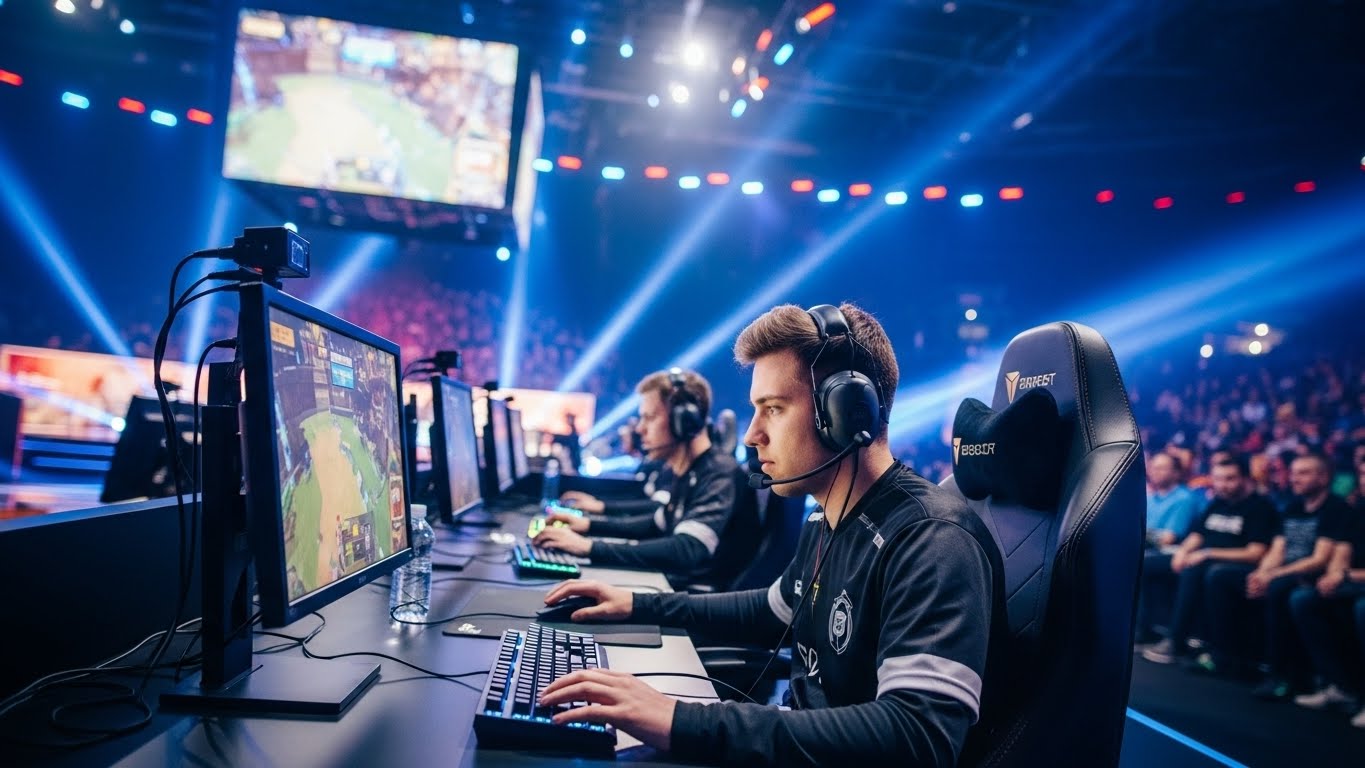
Esports, short for electronic sports, refers to organized, competitive video gaming played professionally or semi-professionally. Unlike casual gaming, esports requires rigorous practice, strategic thinking, and teamwork. Players often specialize in particular games, roles, or characters, dedicating countless hours to perfecting their skills.
Modern esports encompasses multiple genres, including first-person shooters, real-time strategy, multiplayer online battle arenas, and sports simulations. Each genre demands specific abilities, from quick reflexes to complex tactical planning. What unites them all is the emphasis on competition, skill, and mental endurance.
The Professionalization of Esports
Esports has evolved into a professional industry with structured teams, leagues, and tournaments. Players are now signed to contracts, receive salaries, and work under the guidance of coaches, analysts, and support staff. Practice schedules often mirror traditional athletes, with hours spent refining skills, studying opponents, and optimizing strategies.
Organizations manage not only player performance but also marketing, sponsorships, and public engagement. This level of professionalism has transformed esports from casual play into a legitimate career path, requiring discipline, dedication, and continuous learning.
The Global Audience of Esports
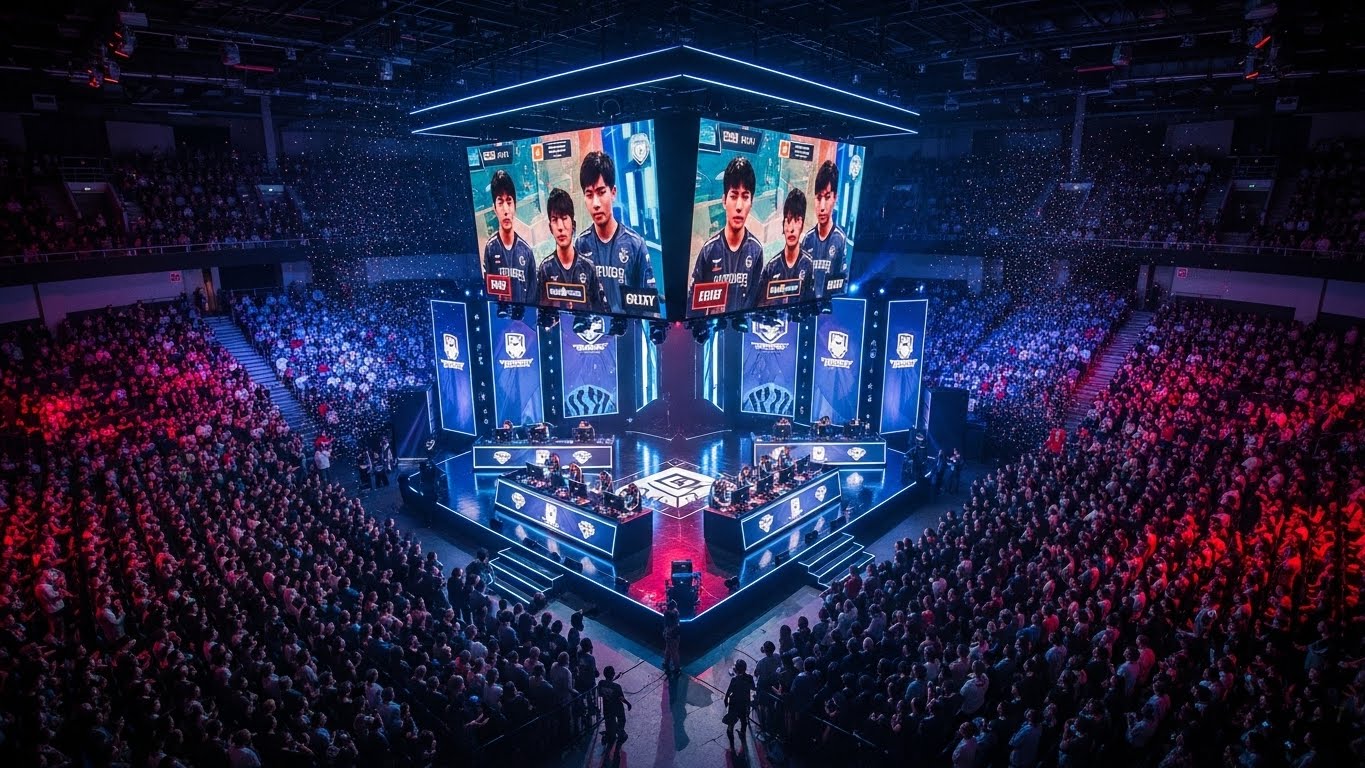
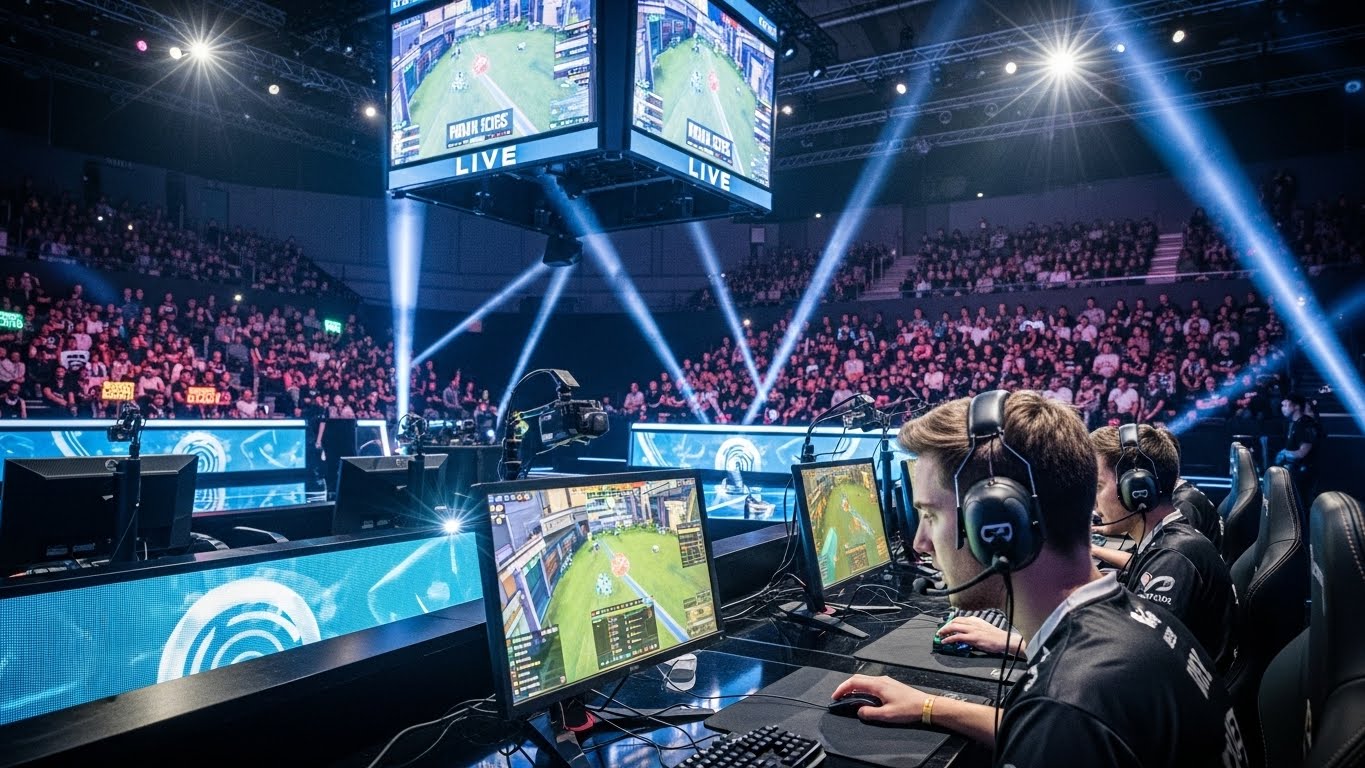
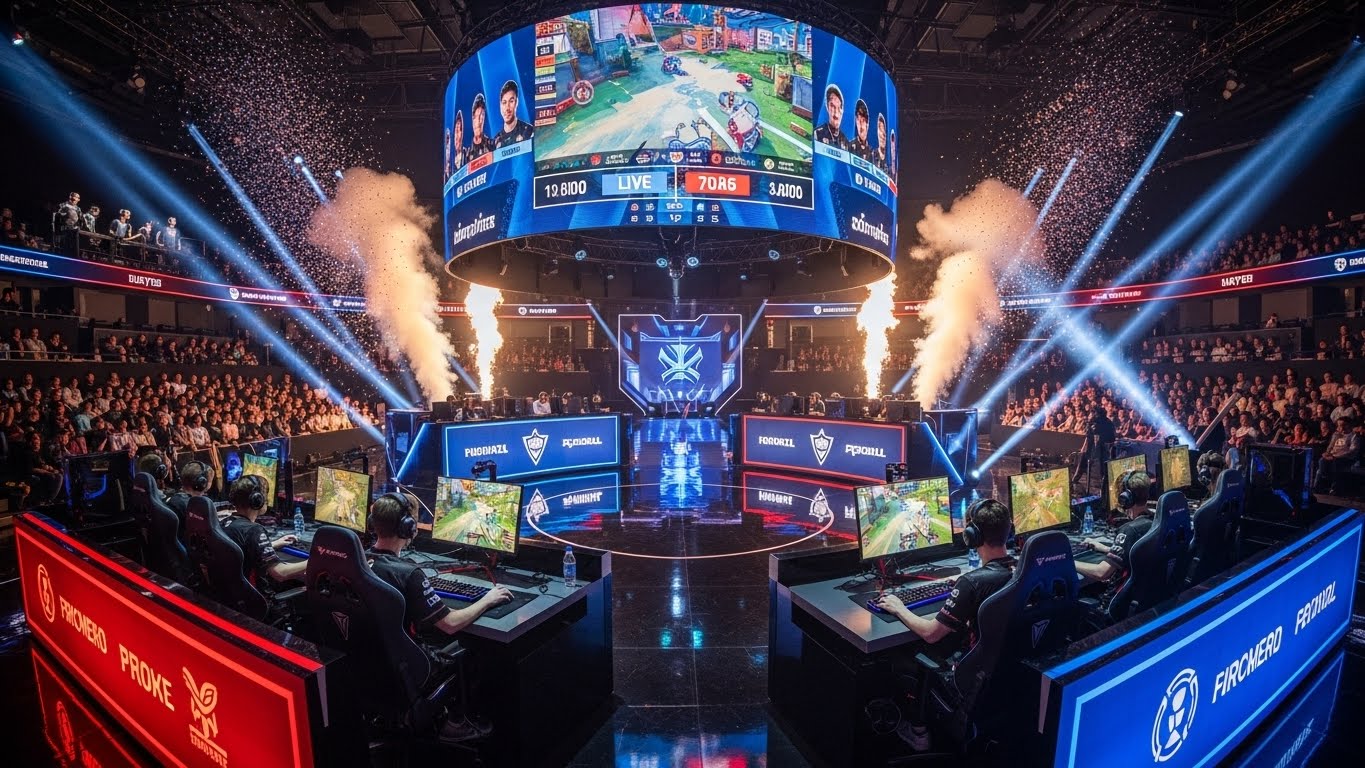
Esports has become a worldwide phenomenon, attracting millions of viewers across digital platforms and live events. Tournaments such as the League of Legends World Championship, The International for Dota 2, and the Fortnite World Cup have captivated audiences spanning continents. Fans support their favorite teams and players with fervor comparable to traditional sports enthusiasts.
Digital streaming platforms have expanded esports’ reach, allowing fans to watch live matches, interact with players, and discuss strategies in real time. This accessibility has made esports a truly global experience, breaking down geographic and cultural barriers.
Streaming and the Rise of Interactive Communities
Streaming platforms have played a central role in esports’ popularity. Live broadcasts include commentary, analysis, and interactive chats that create dynamic communities of viewers. Fans can observe professional strategies, ask questions, and engage directly with players.
Beyond competitions, individual streamers have gained prominence by showcasing gameplay, sharing insights, or entertaining audiences with personality-driven content. Streaming bridges the gap between players and fans, fostering connection and engagement that traditional sports rarely achieve.
Skill, Strategy, and Mental Endurance
Esports requires a combination of physical dexterity and cognitive skill. Players rely on hand-eye coordination, reaction speed, and precise movements while simultaneously processing vast amounts of information. Strategic thinking, resource management, and anticipation of opponents’ actions are equally crucial.
Mental endurance is also a key factor. Competitive matches can last for hours, demanding sustained focus and emotional control. The ability to remain calm under pressure and adapt to unexpected situations distinguishes top players from the rest.
Career Opportunities Beyond Playing
While professional players are the most visible figures, esports encompasses numerous career paths. Coaches, analysts, event organizers, commentators, broadcasters, content creators, and technical specialists all contribute to the industry.
Educational programs in esports management, marketing, and technology are emerging, preparing students for careers in this rapidly growing field. Esports demonstrates that gaming is more than recreation; it is a diverse ecosystem with multiple professional opportunities.
Esports and Youth Engagement
Esports has a strong appeal to younger generations. Schools and universities are establishing esports clubs and scholarships, providing structured environments for competition and skill development. For many students, esports promotes teamwork, discipline, and time management.
Participation in esports also enhances cognitive abilities such as problem-solving, strategic planning, and multitasking. The collaborative nature of team-based games helps develop communication and leadership skills, preparing young players for challenges both in and outside the gaming world.
Diversity and Inclusion in Esports
Esports is working toward becoming more inclusive. While historically male-dominated, the industry is seeing increasing representation of women and diverse communities. Initiatives promoting fair treatment, equal opportunity, and respectful environments are helping reshape the esports landscape.
A diverse esports community encourages creativity, innovation, and unique playstyles. Inclusion strengthens the ecosystem and ensures that talent and dedication are the primary drivers of success.
Health and Well-Being in Competitive Gaming
Competitive gaming requires careful attention to health. Long practice sessions can cause physical strain, repetitive motion injuries, and eye fatigue. Mental health is equally important, as the pressures of competition and public scrutiny can be intense.
Professional teams now prioritize physical fitness, proper nutrition, ergonomic setups, and mental health support. These measures help players maintain focus, performance, and career longevity. Esports is evolving into a discipline where well-being is integral to success.
Esports as a Cultural Force
Esports has grown beyond competition to become a cultural phenomenon. Fans create artwork, cosplay as favorite characters, and engage in storytelling inspired by games. Players become role models, influencing trends and inspiring new generations.
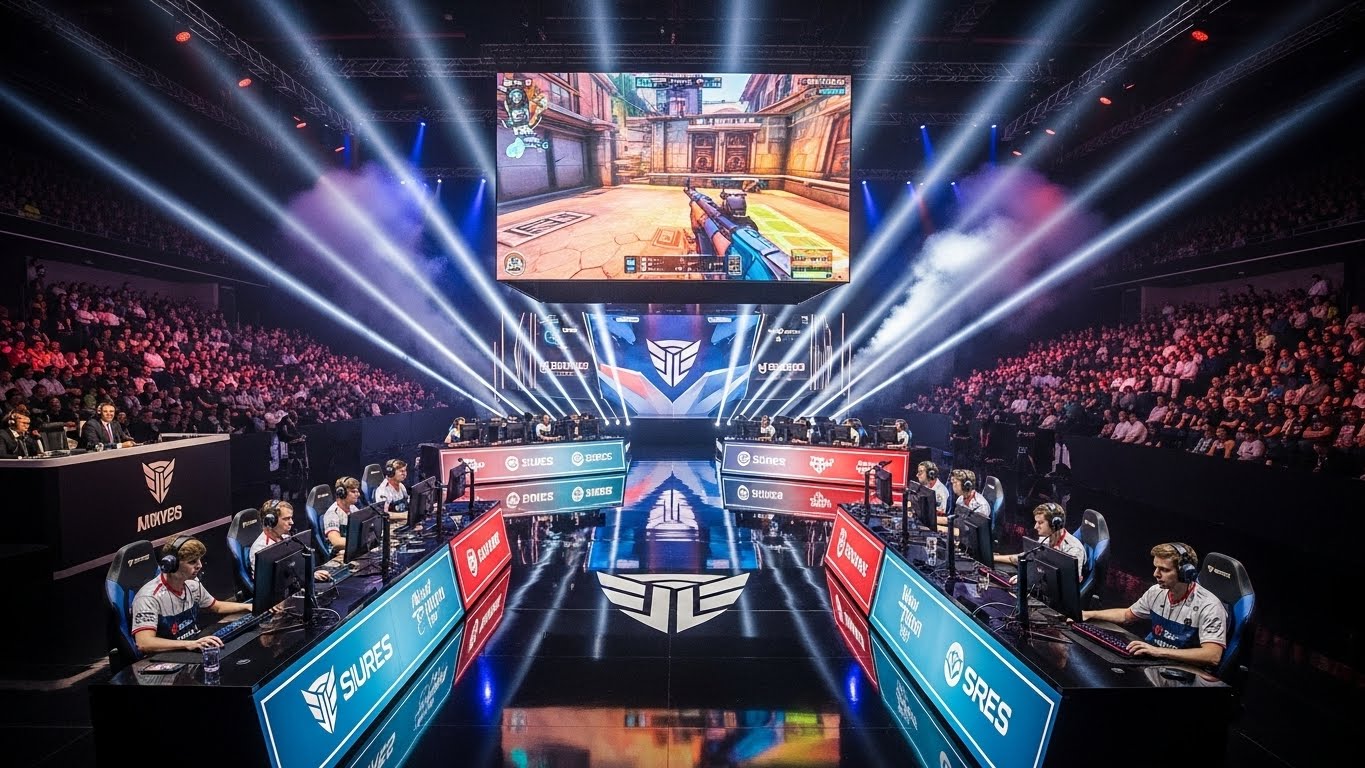
Major tournaments feature elaborate productions with storytelling, music, and live entertainment, demonstrating that esports combines athleticism, creativity, and spectacle. It has become a key part of digital culture, influencing how people socialize, consume media, and connect globally.
Technology Driving Esports
Technology underpins every aspect of esports. Advanced gaming hardware, software, and high-speed internet allow seamless competition and viewing experiences. Analytics tools help teams understand performance, refine strategies, and prepare for opponents.
As technology advances, esports will continue to evolve. Virtual reality, augmented reality, and artificial intelligence promise new ways to compete, spectate, and engage. Technology ensures that esports remains at the forefront of entertainment innovation.
The Future of Esports
The future of esports is bright. New games, platforms, and markets are constantly emerging, expanding opportunities for players, fans, and industry professionals. Mainstream recognition continues to grow, with esports featured alongside traditional sports in media coverage, sponsorships, and academic programs.
Sustainability, ethical competition, and player well-being will shape the next phase of esports. With careful management and community support, esports has the potential to remain a major global phenomenon for decades.
Lessons Learned from Esports
Esports teaches valuable life skills. Players develop discipline, resilience, and adaptability. Teamwork, leadership, and communication are cultivated through collaborative gameplay. Success in esports, like in life, is built on preparation, perseverance, and learning from failure.
For fans, esports offers lessons in empathy, patience, and community engagement. Watching, analyzing, and supporting players nurtures strategic thinking and emotional connection. Esports demonstrates that digital competition can be meaningful, educational, and transformative.
Conclusion
Esports has grown into a global competitive force that combines skill, strategy, and community. It is no longer simply gaming; it is a professional, cultural, and economic phenomenon that shapes how millions interact, compete, and connect.
From humble beginnings in arcades to stadiums filled with fans and millions more online, esports reflects the evolution of digital entertainment. It teaches discipline, teamwork, and resilience while providing inspiration and excitement. As esports continues to expand, it will remain a defining element of modern culture, uniting players and fans across borders and shaping the future of competitive entertainment.