 championcircle20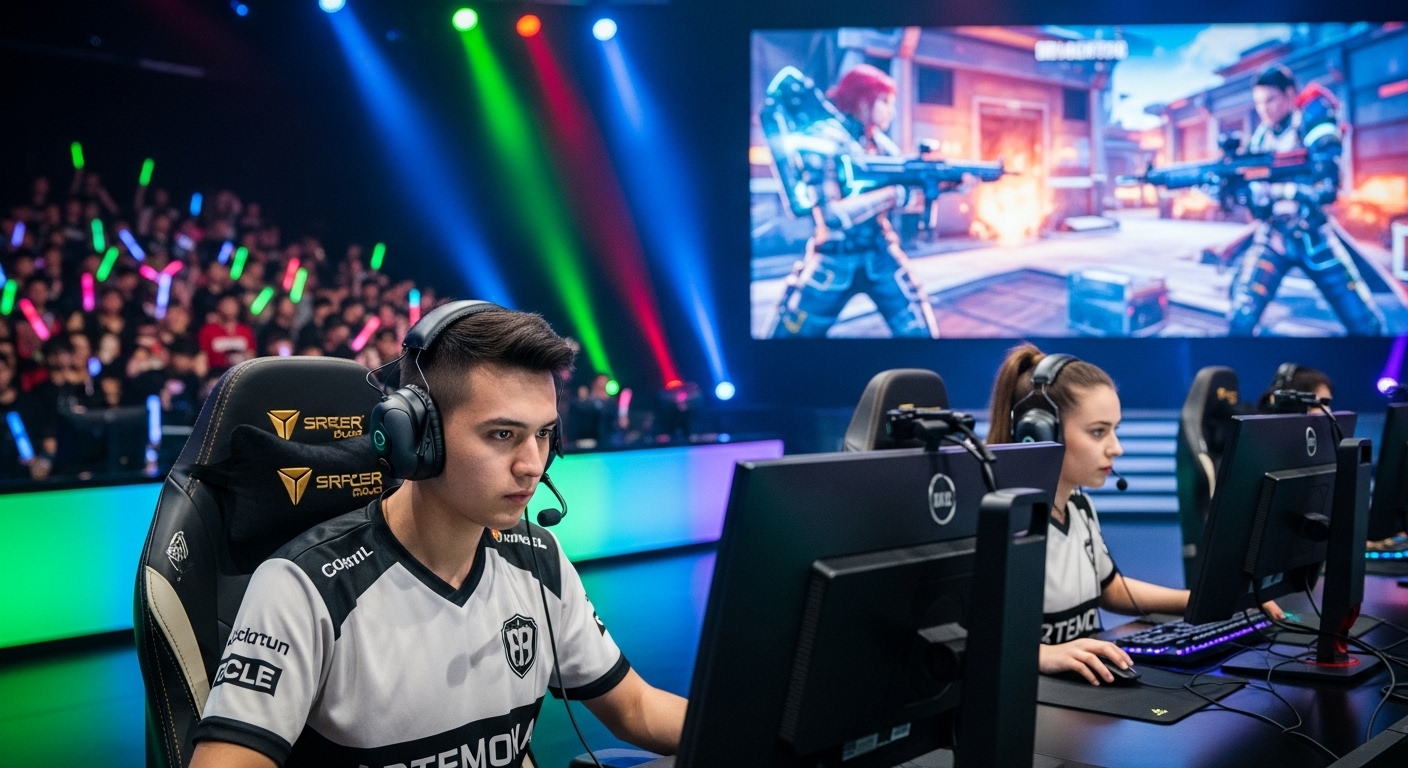
The Esports Revolution: Unveiling the Future of Competitive Gaming
Introduction: The Transformation of Competitive Gaming
Esports, the world of competitive video gaming, has undergone a remarkable transformation in recent years. What began as small-scale, underground competitions has exploded into a global entertainment industry worth billions of dollars. With professional players, massive tournaments, and a passionate fanbase, esports is no longer a subculture but a mainstream phenomenon. In this blog, we’ll take a deep dive into the esports landscape, examining its growth, the games that define the scene, the business side of esports, and what the future holds for this dynamic industry.
The Origins of Esports: A Humble Beginning
The history of esports dates back to the 1970s, when the first video game tournaments were organized. The most notable early example is the Space Invaders Championship held in 1980, which set the stage for competitive gaming. However, it wasn’t until the late 1990s and early 2000s, when high-speed internet became more widespread, that esports began to take shape as we know it today.
One of the first major esports events was the World Cyber Games, launched in 2000, which brought together gamers from different countries to compete in games like StarCraft and Quake. This event laid the groundwork for a competitive gaming ecosystem that would eventually grow into a global industry.
Fast forward to the 2010s, and esports experienced exponential growth. Streaming platforms like Twitch allowed fans to watch live broadcasts of competitive gaming, while games like League of Legends and Dota 2 attracted millions of viewers and offered massive prize pools. Esports was no longer a niche interest; it had become a global phenomenon.
The Pillars of Esports: Key Genres and Games
Esports isn’t confined to just one type of game; instead, it encompasses a wide range of genres, each with its own fanbase and competitive structure. Here are some of the key genres that have shaped the esports landscape:
Multiplayer Online Battle Arenas (MOBAs)
MOBAs are among the most popular and iconic esports genres. Games like League of Legends and Dota 2 have become mainstays in the competitive gaming world. These games typically feature two teams of players, each controlling powerful heroes or characters, with the goal of destroying the opposing team’s base. The combination of strategy, quick reflexes, and teamwork makes MOBAs thrilling to play and watch.
League of Legends, with its annual World Championship, is one of the biggest esports events in the world. The prize pool often reaches tens of millions of dollars, and the event draws viewers from across the globe. Dota 2’s The International is another monumental event in the esports calendar, with prize pools that have broken records, thanks to crowd-funded contributions.
First-Person Shooters (FPS)
First-person shooters (FPS) are another cornerstone of esports, offering fast-paced action and competitive gameplay. Games like Counter-Strike: Global Offensive (CS:GO), Overwatch, and Call of Duty have massive followings in the competitive gaming scene.
CS:GO, for instance, has an incredibly active esports scene, with tournaments such as ESL Pro League and DreamHack Masters attracting top-tier teams from around the world. Similarly, Overwatch’s league format, the Overwatch League (OWL), mirrors traditional sports leagues with city-based teams, making it a unique blend of gaming and sports culture.
Battle Royale
The Battle Royale genre has seen a surge in popularity with games like Fortnite, PUBG (PlayerUnknown’s Battlegrounds), and Apex Legends. These games involve large groups of players competing to be the last one standing, with shrinking play zones and dynamic environments making for exciting, unpredictable gameplay.
Fortnite in particular has become a cultural phenomenon, attracting millions of players and viewers. Its esports tournaments have given rise to high-profile events like the Fortnite World Cup, where the top players in the world compete for massive cash prizes and bragging rights.
Fighting Games
The fighting game community (FGC) has been a foundational part of esports for decades. Titles like Street Fighter, Tekken, Super Smash Bros., and Mortal Kombat offer players the opportunity to compete in one-on-one combat, where mastery of combos, timing, and strategy is key. Tournaments like Evo and Capcom Cup are a central part of the FGC calendar, bringing together some of the best players to compete for glory.
The skill and precision required in fighting games make them an exciting watch for esports fans, especially when top players compete in high-stakes tournaments.
The Business of Esports: Sponsors, Investments, and Broadcasting
Esports is no longer just about the players; it has evolved into a full-fledged business. From sponsorships and media rights to merchandising and advertising, the business side of esports is booming.
Sponsorship and Partnerships
One of the driving forces behind the rapid growth of esports is its sponsorship opportunities. Global brands from a wide range of industries, including technology, energy drinks, apparel, and automobiles, have all invested heavily in esports. Companies like Intel, Red Bull, and Nike have partnered with esports teams, leagues, and events, recognizing the immense value in reaching young, tech-savvy audiences.
Major tournaments also attract sponsorships, which help fund the massive prize pools and operational costs of these events. As esports continues to grow, it’s expected that more traditional sports organizations will invest in the industry, further cementing its place in the global entertainment landscape.
Media and Broadcasting
Esports broadcasting has become one of the most important aspects of the industry. Platforms like Twitch, YouTube, and Facebook Gaming provide live streams of tournaments, player streams, and commentary, attracting millions of viewers. Esports has even made its way to traditional television networks, with events being aired on channels like ESPN and TBS.
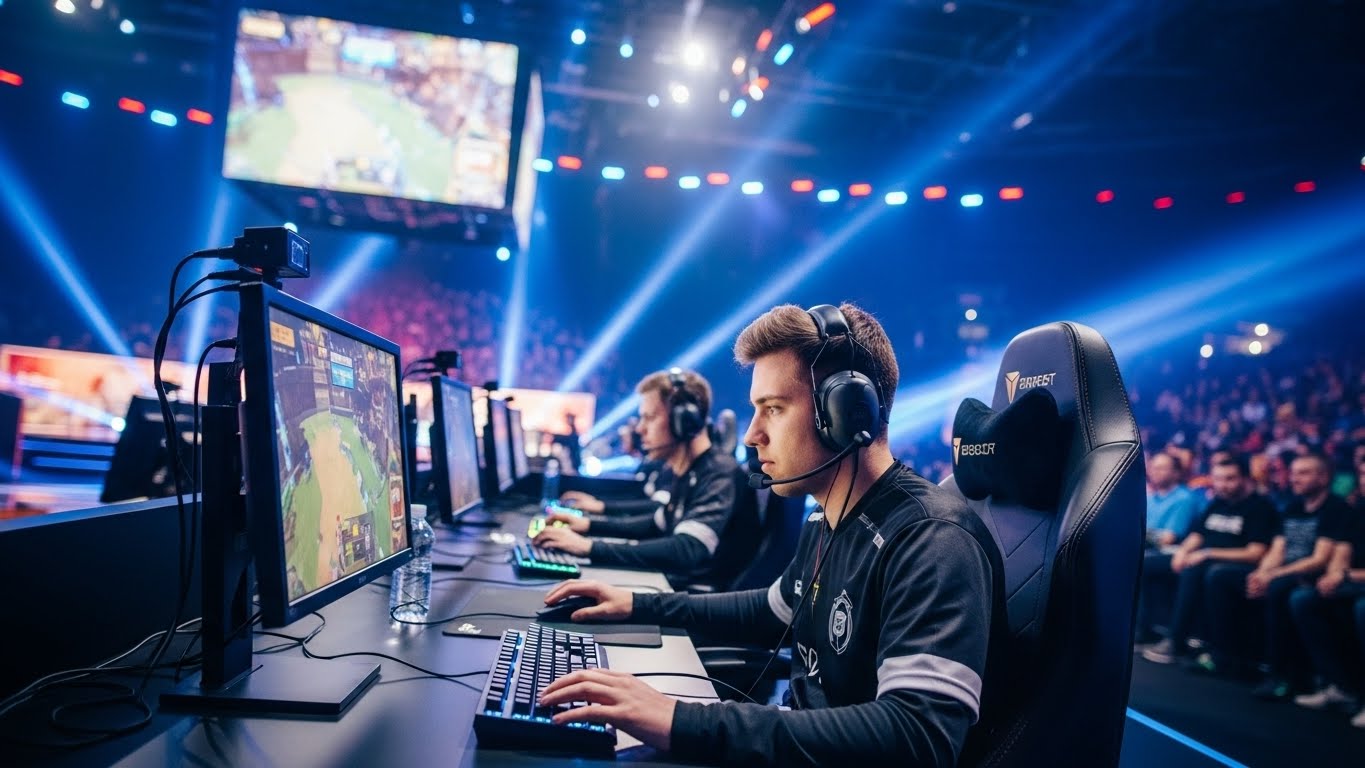
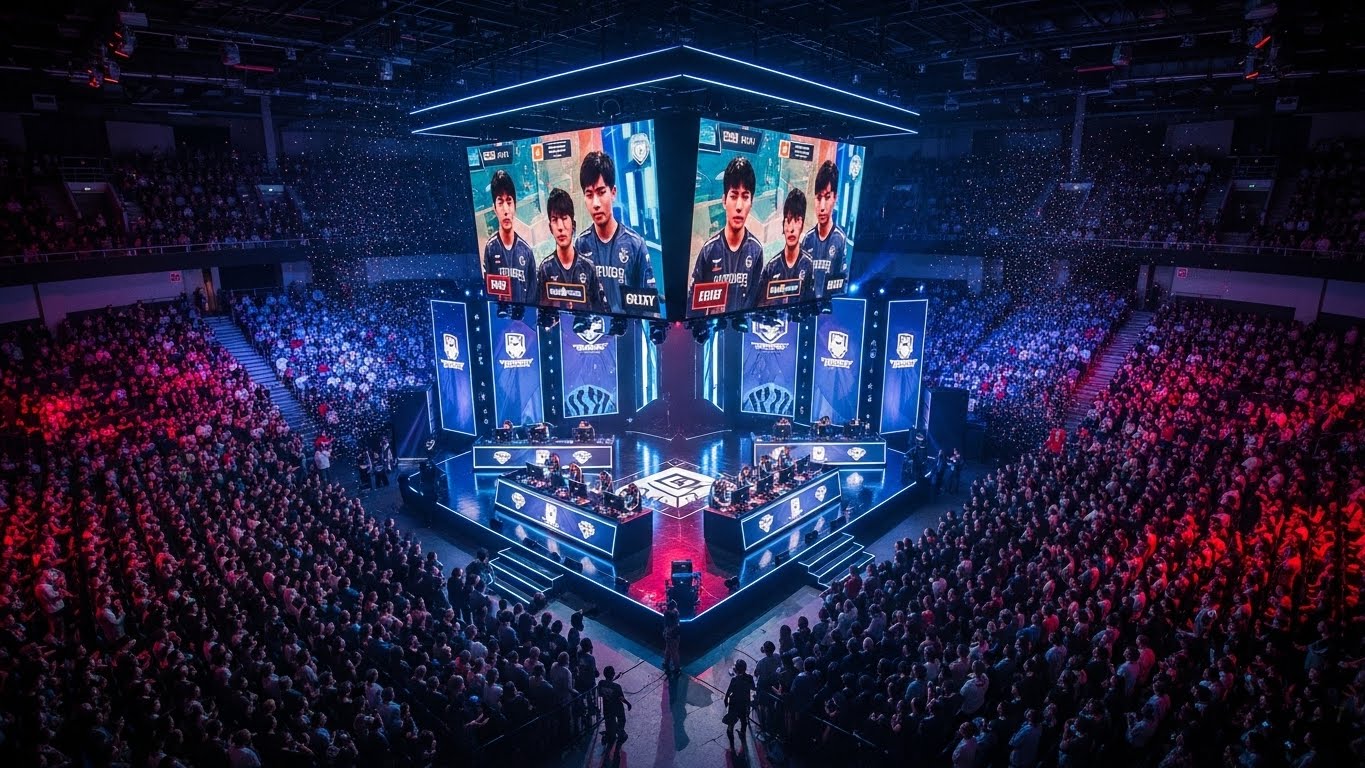
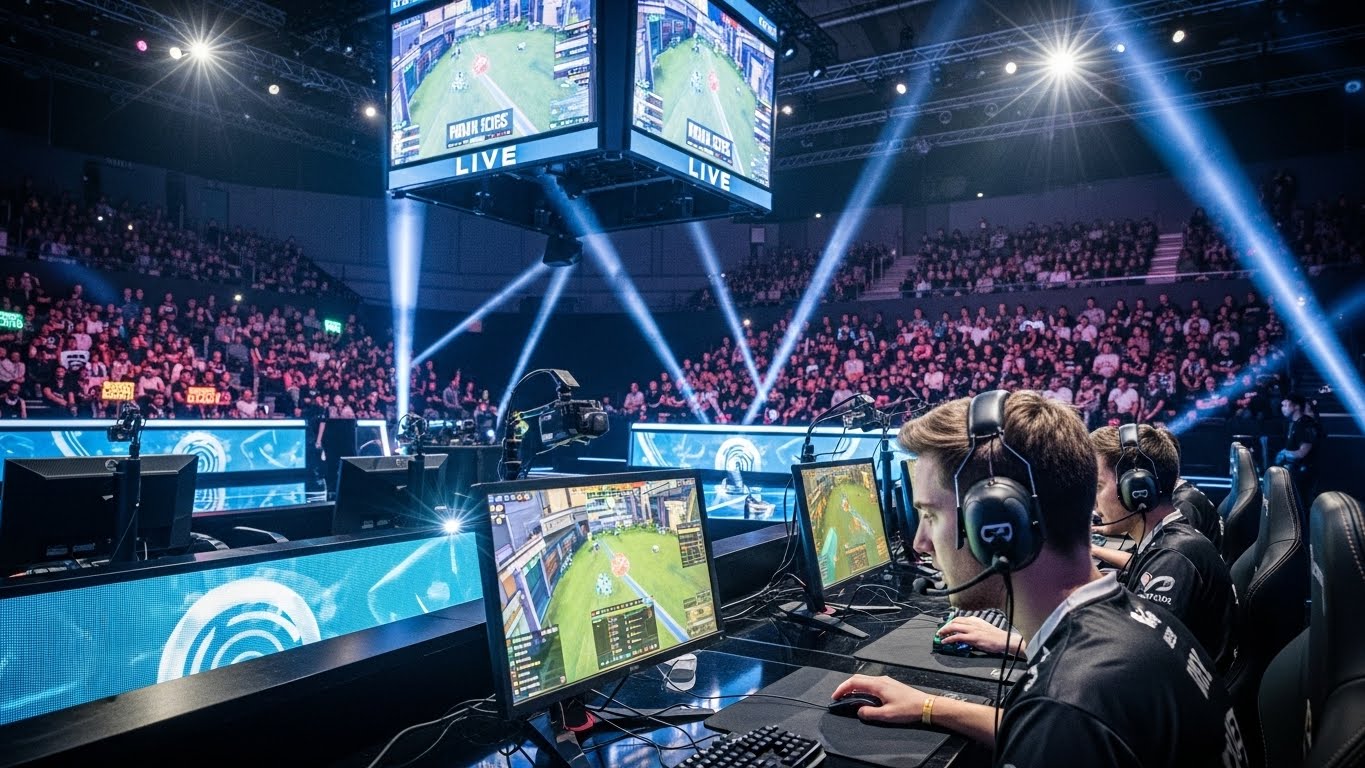
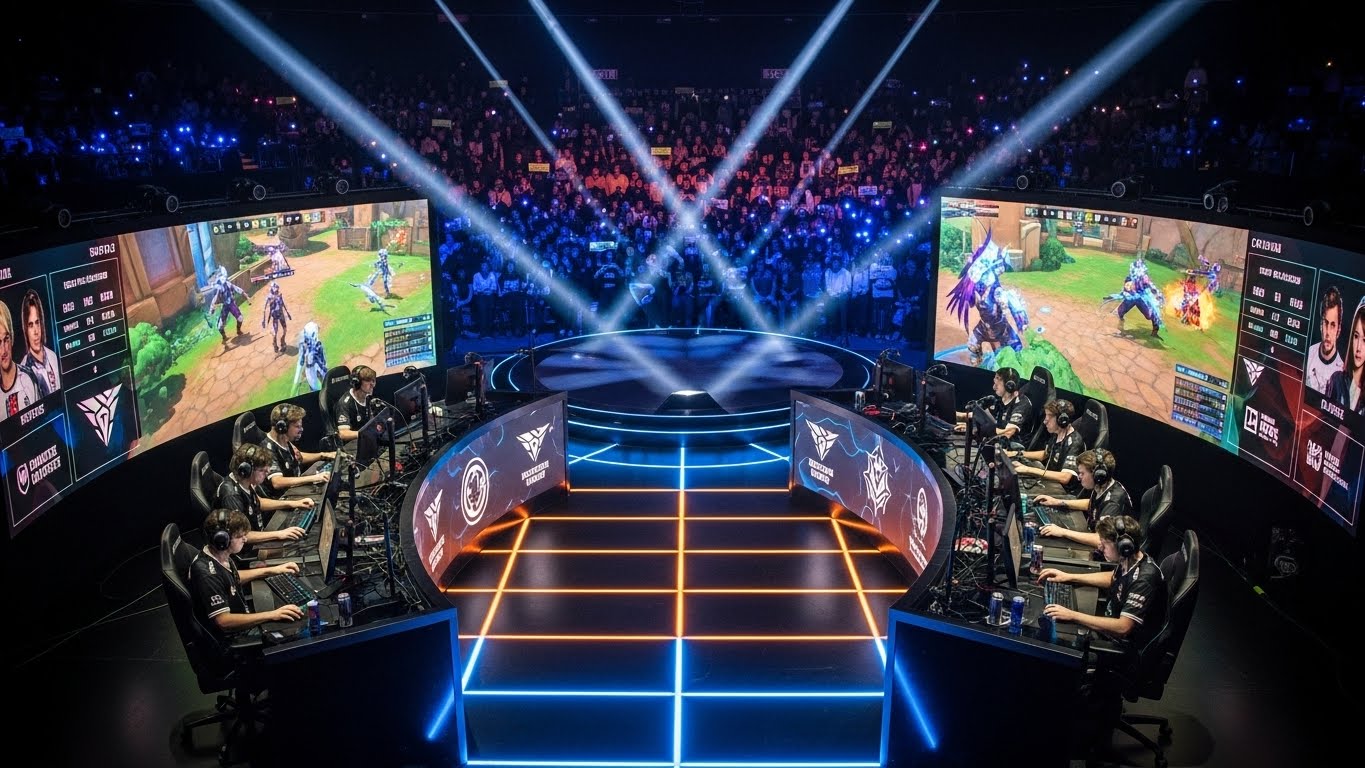
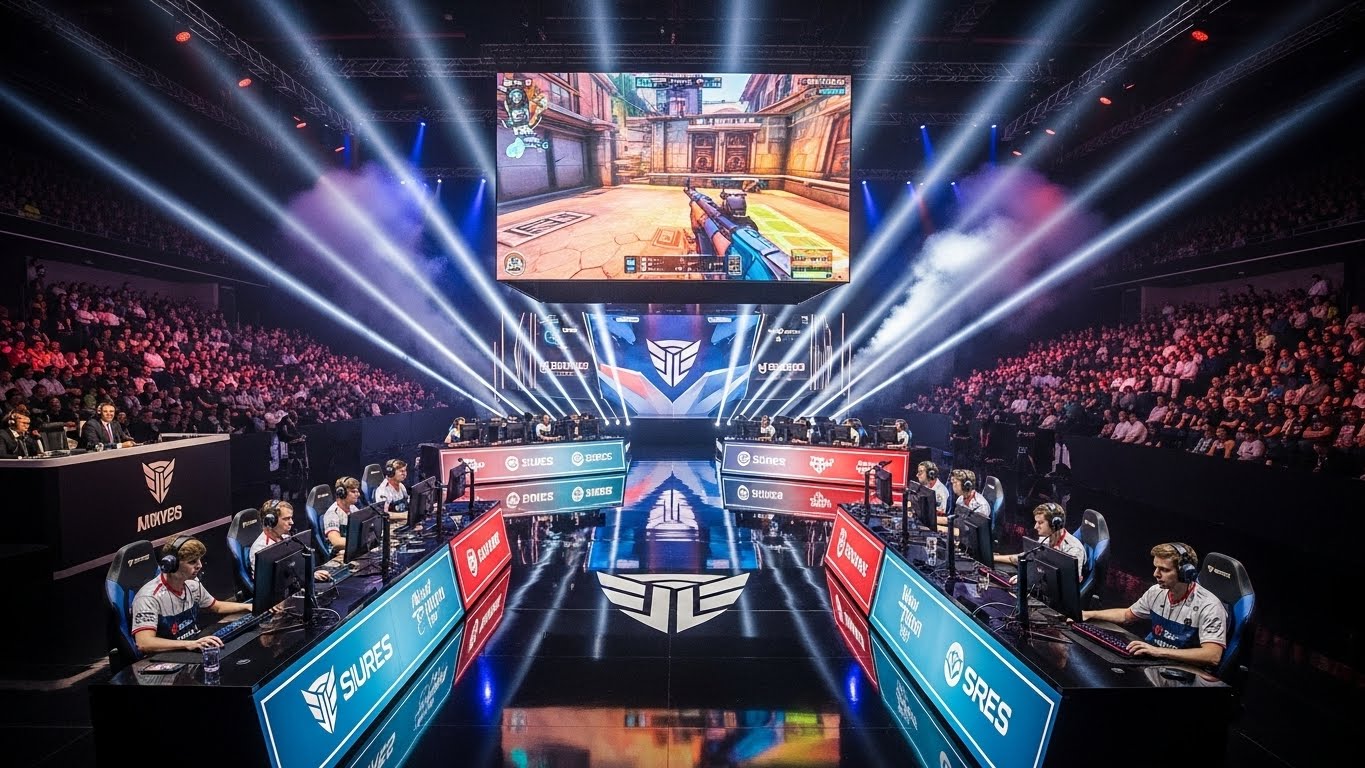
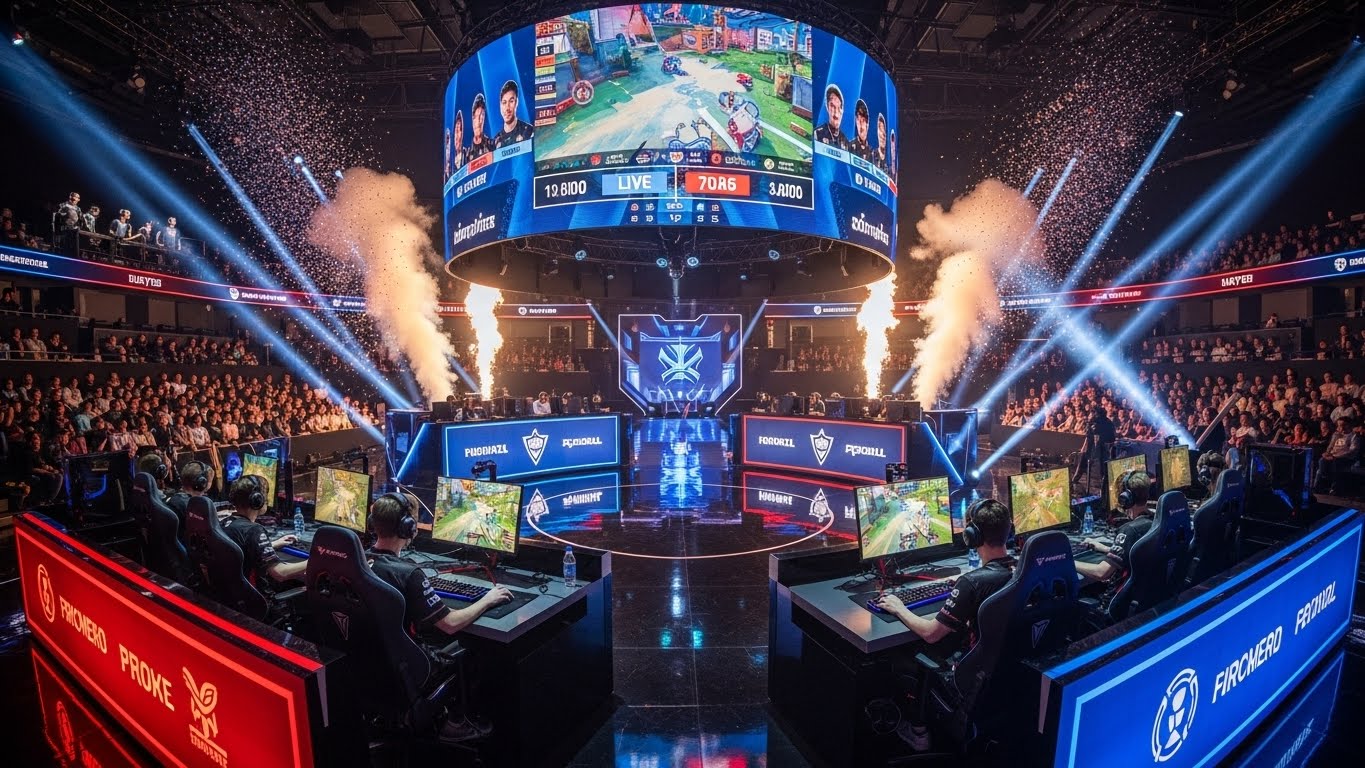
In addition, esports tournaments are often hosted in arenas, with live audiences attending to cheer on their favorite players. The most popular esports events can draw in tens of thousands of spectators in person, while millions more watch online. This combination of live and digital audiences has made esports a truly global spectacle.
Merchandising and Content Creation
The esports industry has also seen the rise of merchandising and content creation. Teams have their own apparel, fan merchandise, and products, often supported by big-name sponsors. Players and teams also generate content for their fans through streaming, vlogs, and social media, which helps build their personal brands and foster a loyal fanbase.
The Esports Community: Fans, Players, and Culture
Esports is more than just the games—it’s about the community that surrounds them. The esports fanbase is one of the most dedicated and passionate in the world, with fans following tournaments, players, and teams closely. Esports has created a new kind of celebrity, with pro players and streamers gaining millions of followers on platforms like Twitch and YouTube.
The sense of community extends beyond the games themselves. Fans interact with each other through forums, social media, and fan meetups, building a global network of people who share a common love for esports. Esports culture is also heavily intertwined with gaming culture, influencing music, fashion, and digital content.
Esports also has a more inclusive side. Many organizations are working toward promoting diversity in competitive gaming, ensuring that people from all backgrounds have the opportunity to participate, whether as players, fans, or employees.
The Future of Esports: What Lies Ahead?
The future of esports looks incredibly bright, with several key trends on the horizon.
Virtual and Augmented Reality
As VR and AR technology improves, the potential for immersive esports experiences is enormous. VR tournaments could allow players to compete in virtual environments, offering an even more immersive experience for both competitors and viewers. While still in its early stages, the integration of VR and AR into esports could reshape the industry in the coming years.
Growth in Global Markets
Esports is already a global industry, but certain regions, like Latin America, Southeast Asia, and Africa, remain untapped. As internet access improves and local organizations invest in esports, these regions are expected to see explosive growth in both participation and viewership.
Increased Integration with Traditional Sports
We’re already seeing traditional sports organizations becoming involved in esports, whether through sponsorships, team ownership, or even the creation of their own esports leagues. This trend is likely to continue, as esports gains recognition as a legitimate form of entertainment.
Conclusion: Esports is Here to Stay
Esports is no longer just a passing trend; it’s a cultural and economic force that continues to redefine the world of entertainment. With a growing fanbase, expanding business opportunities, and a wide array of competitive games, esports has firmly established itself as a central pillar of modern gaming culture.
As the industry continues to evolve, we can expect more exciting innovations, larger events, and greater global recognition. Whether you’re a casual player, a dedicated fan, or a professional in the esports industry, one thing is clear: esports is the future of competitive gaming, and its impact will be felt for years to come.