 championcircle20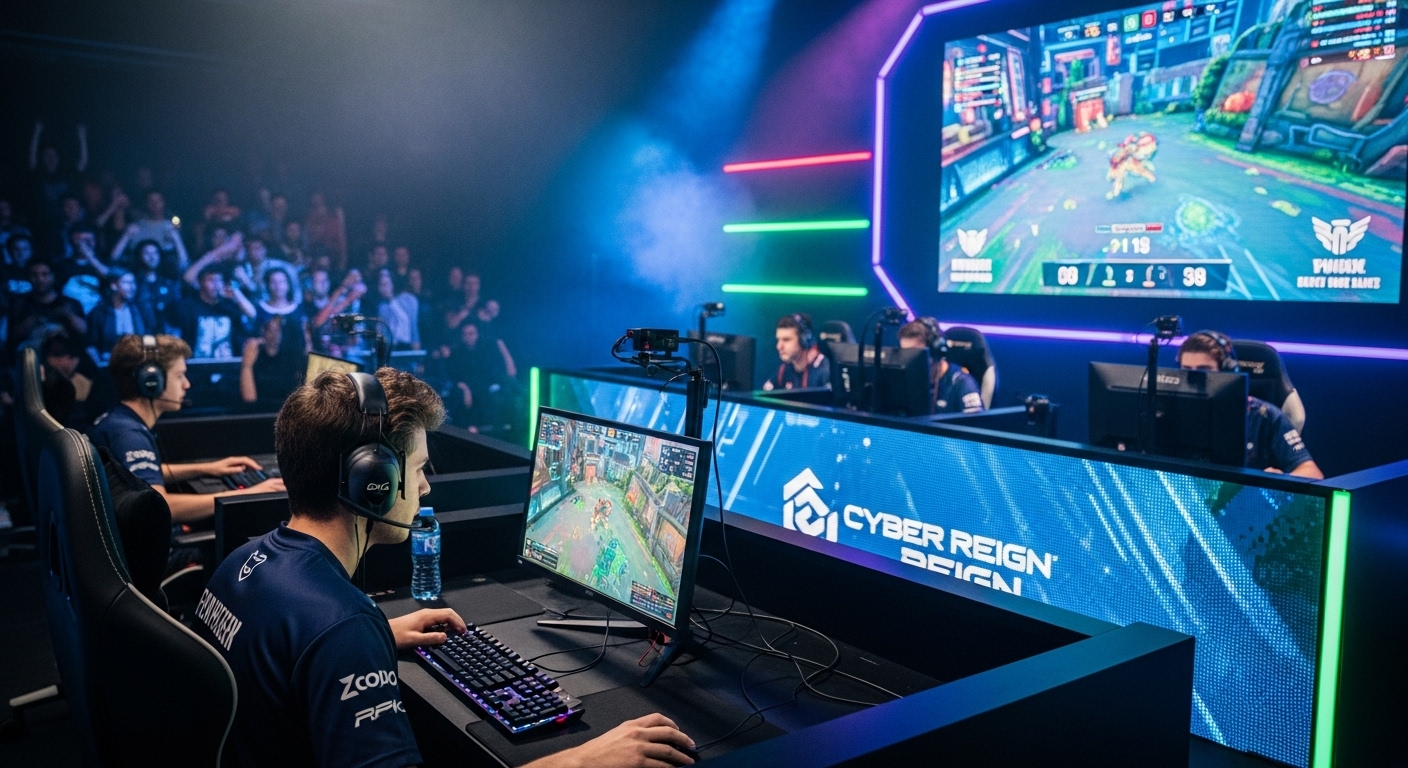
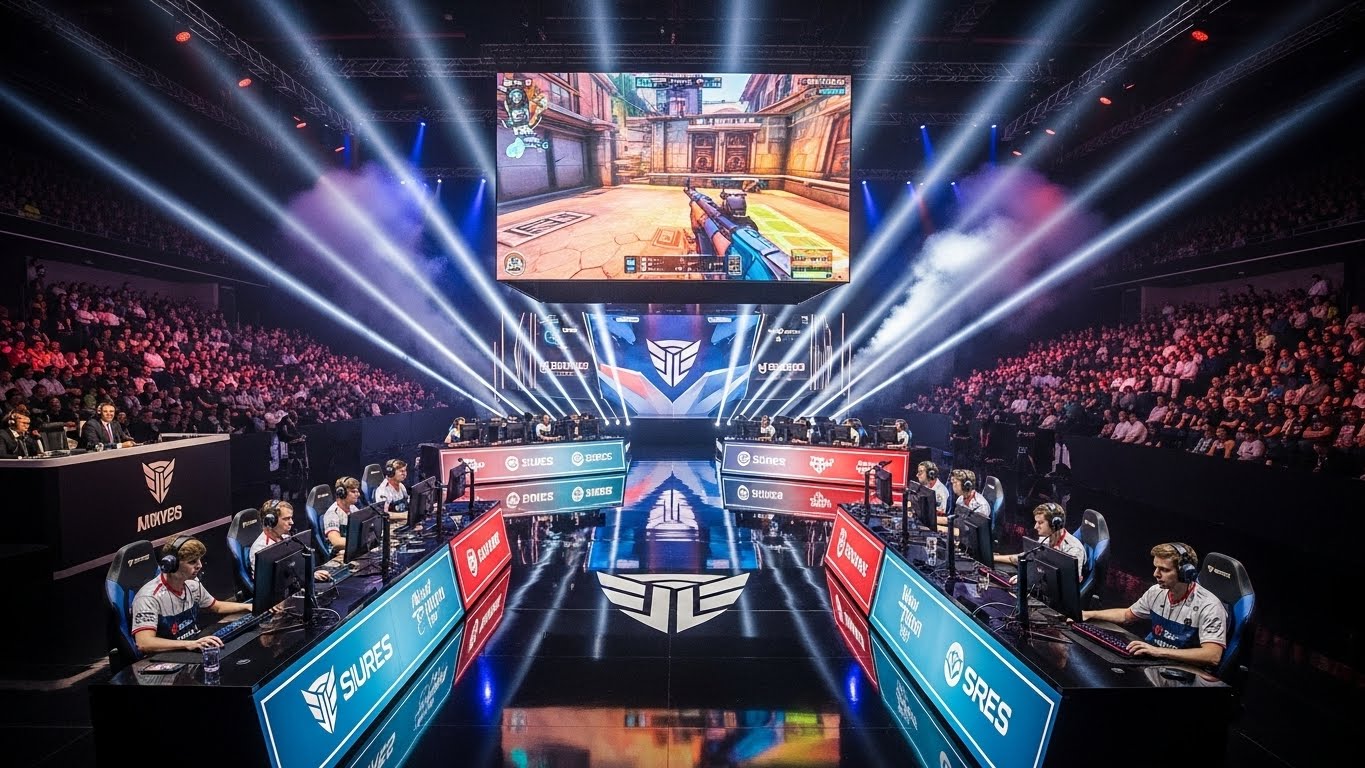
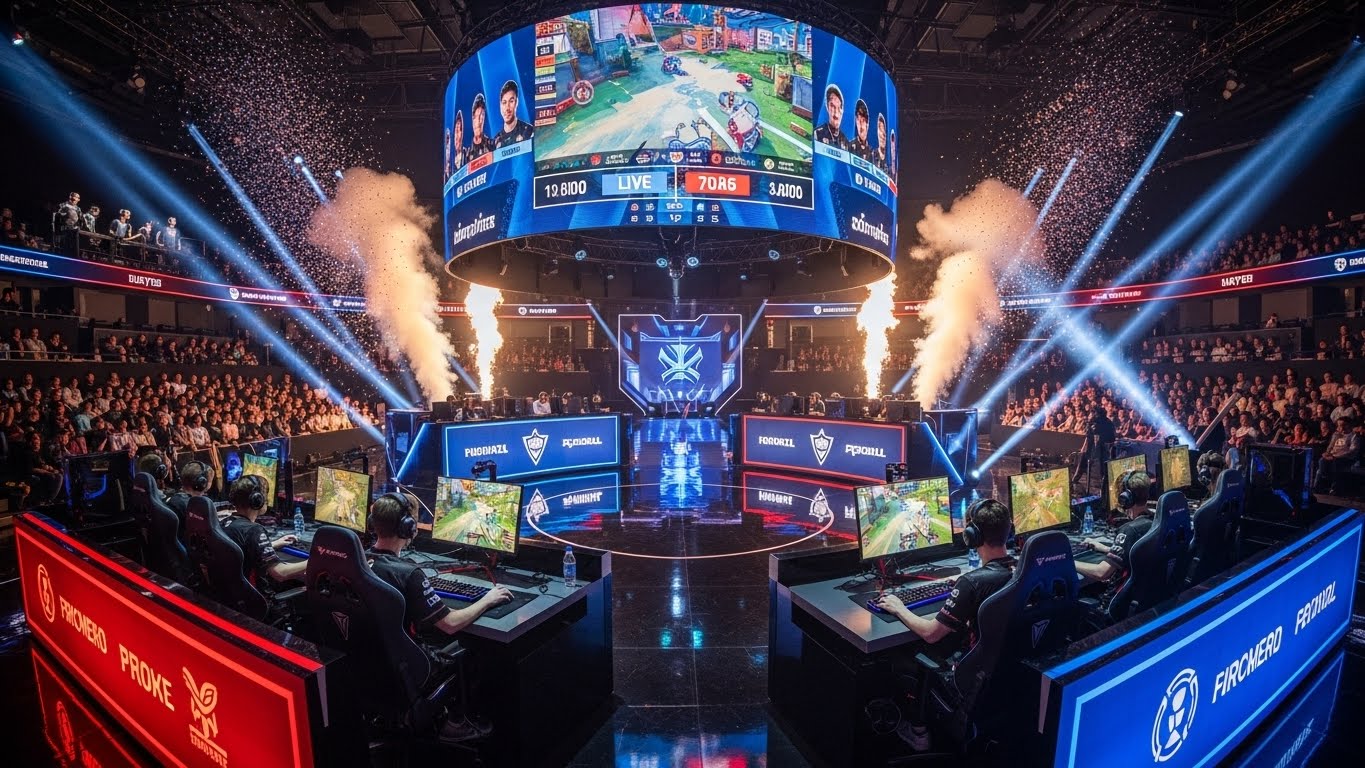
Esports, once a niche hobby for a small group of enthusiasts, has evolved into a multi-billion-dollar global industry. With millions of viewers, professional players, and massive tournaments, it has transformed from a passion project into a legitimate sport. Competitive gaming, or esports, has garnered attention from mainstream media, brands, and even traditional sports organizations. But what exactly is driving this rapid growth, and what does the future hold for esports? Let’s explore how esports is reshaping entertainment, sports culture, and the digital landscape.
The Rise of Esports: From Hobby to Global Phenomenon
Esports has come a long way since its humble beginnings. In the early 2000s, online gaming competitions were small, often hosted in local gaming centers or small-scale online tournaments. However, the rise of streaming platforms like Twitch and YouTube, coupled with the increasing availability of high-speed internet and gaming consoles, led to a surge in popularity. Games like League of Legends, Dota 2, and Counter-Strike began to dominate the competitive scene, attracting millions of viewers worldwide.
As the viewership grew, so did the investment from sponsors, advertisers, and even traditional sports franchises. Esports organizations and teams were born, and professional players started to gain celebrity status, attracting sponsorships, endorsements, and massive fan followings. Major tournaments, such as The International (Dota 2) and the League of Legends World Championship, now offer multi-million-dollar prize pools, making esports one of the most lucrative forms of entertainment in the world.
The Evolution of Esports: Structure and Professionalism
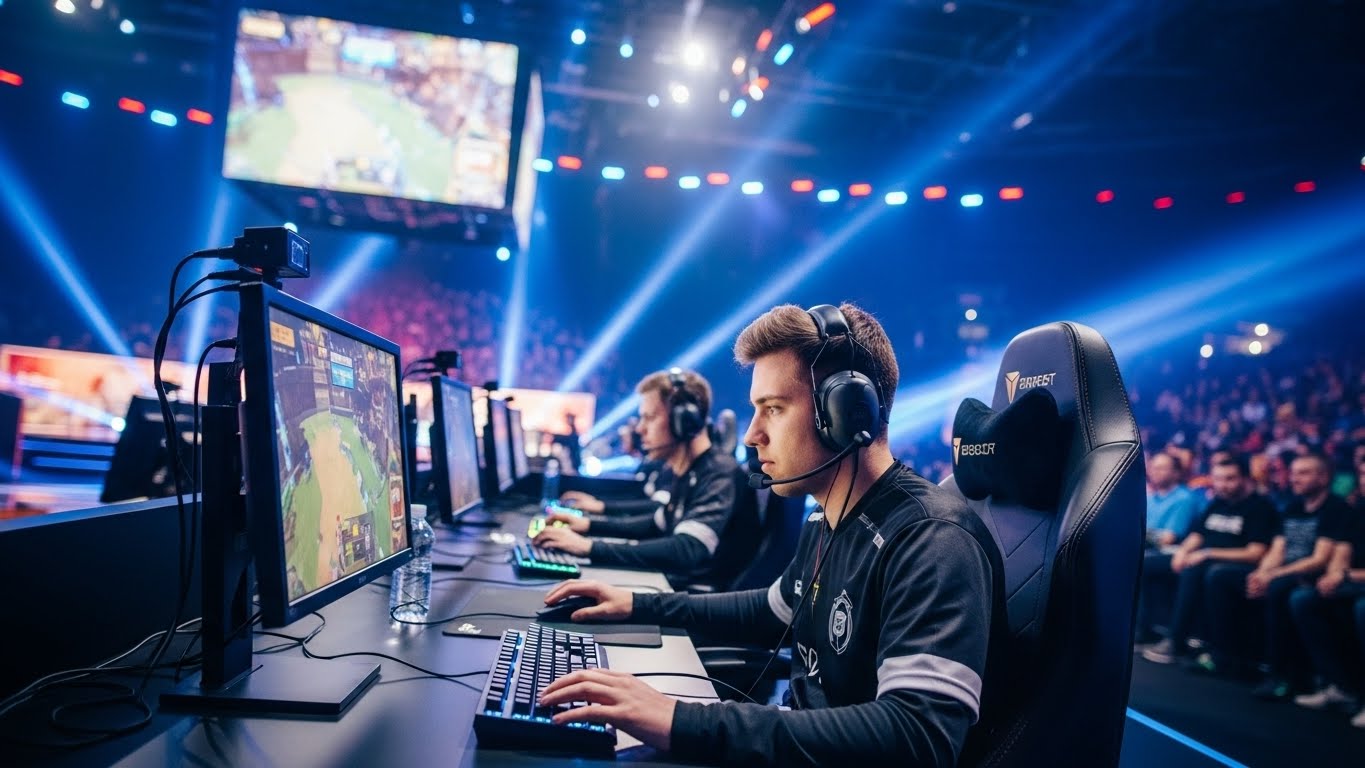
One of the most impressive aspects of esports is how quickly it has professionalized. Esports athletes, coaches, analysts, and broadcasters have become a core part of the ecosystem, much like traditional sports. In major esports titles, teams are often structured like professional sports franchises, complete with full-time players, dedicated training facilities, and coaching staff. Just like in the NBA or NFL, players have to manage rigorous training schedules, study their opponents, and stay at the top of their game to remain competitive.
These organizations are also getting smarter about brand-building, creating global fanbases that transcend borders. Esports teams like Cloud9, Team Liquid, and Fnatic are not just names; they are brands that represent excellence, strategy, and the spirit of competition. Their success on and off the virtual stage is a testament to how esports has become a sustainable, long-term business model.
Streaming and Content Creation: The Heartbeat of Esports
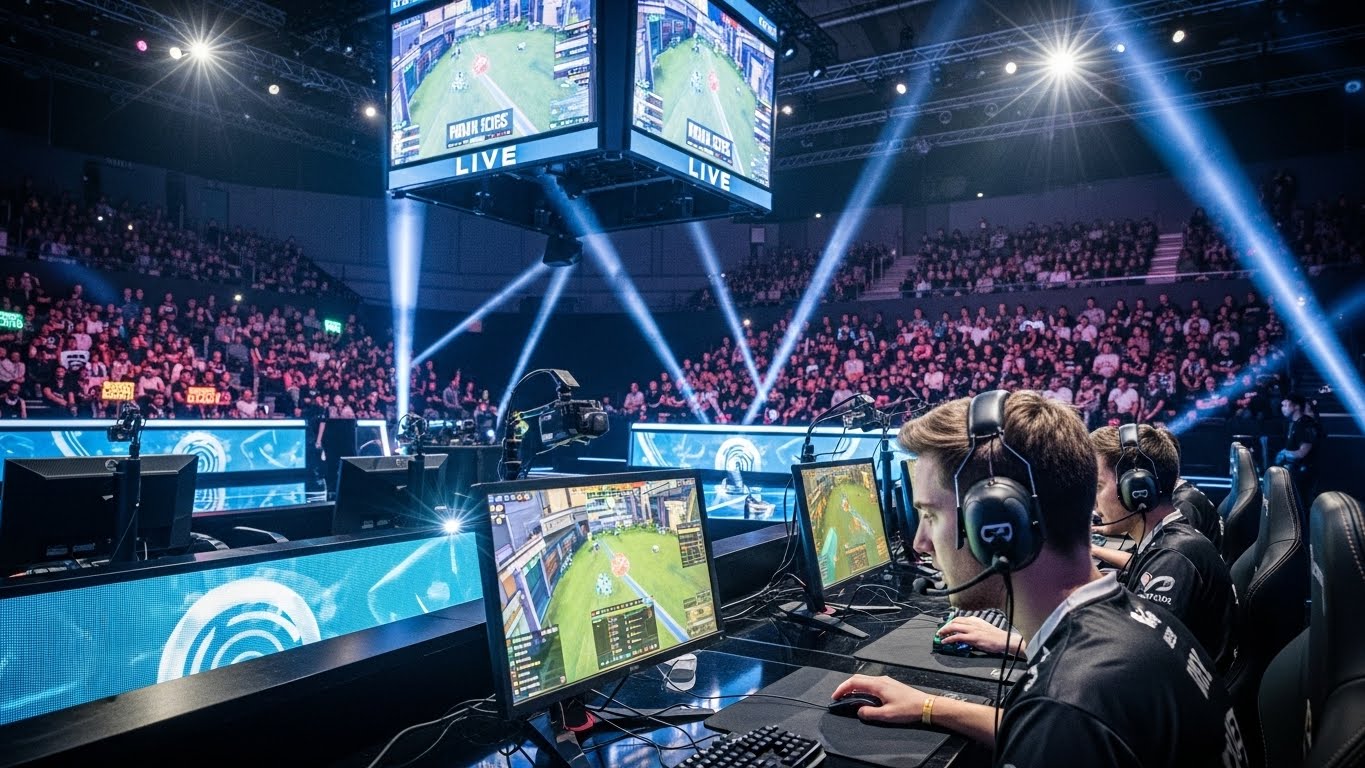
Streaming platforms like Twitch, YouTube Gaming, and Facebook Gaming have revolutionized how fans interact with esports. Unlike traditional sports, where viewers often watch events from a distance, esports fans can engage directly with players, teams, and personalities. Streaming platforms allow viewers to watch live gameplay, listen to commentary, and even interact with their favorite players in real-time through chat and social media.
Content creators, streamers, and influencers have become the backbone of the esports community. Many pro gamers start their careers by building a fanbase on platforms like Twitch, where they can stream their practice sessions, share tips, and connect with their audience. As these influencers grow, they often transition into full-time esports professionals, sometimes even becoming the face of major brands or tournaments.
Esports-related content has also become more diverse, with commentators, analysts, and personalities providing additional layers of entertainment. Shows like The PGL Major or ESL Pro League offer in-depth analysis, behind-the-scenes interviews, and expert commentary, further enriching the fan experience.
Esports and Traditional Sports: A Growing Partnership
At first glance, esports may seem like a completely different universe from traditional sports, but the lines between the two are starting to blur. Many traditional sports organizations are investing heavily in esports, either by sponsoring teams, hosting events, or even acquiring esports franchises.
For example, the NBA has launched its own esports league, the NBA 2K League, where professional players compete in the popular basketball simulation game NBA 2K. Similarly, football clubs like Manchester City and PSG have formed their own esports teams, tapping into the growing gaming culture while reaching younger, tech-savvy audiences.
The growing partnership between traditional sports and esports is not just about expanding brand reach; it’s also about recognizing the competitive nature of esports as a legitimate form of sport. Much like athletes in traditional sports, esports players are highly skilled, perform under pressure, and entertain millions around the globe. These shared qualities have paved the way for a more harmonious relationship between the two worlds.
The Esports Ecosystem: Tournaments, Sponsorships, and Media Deals
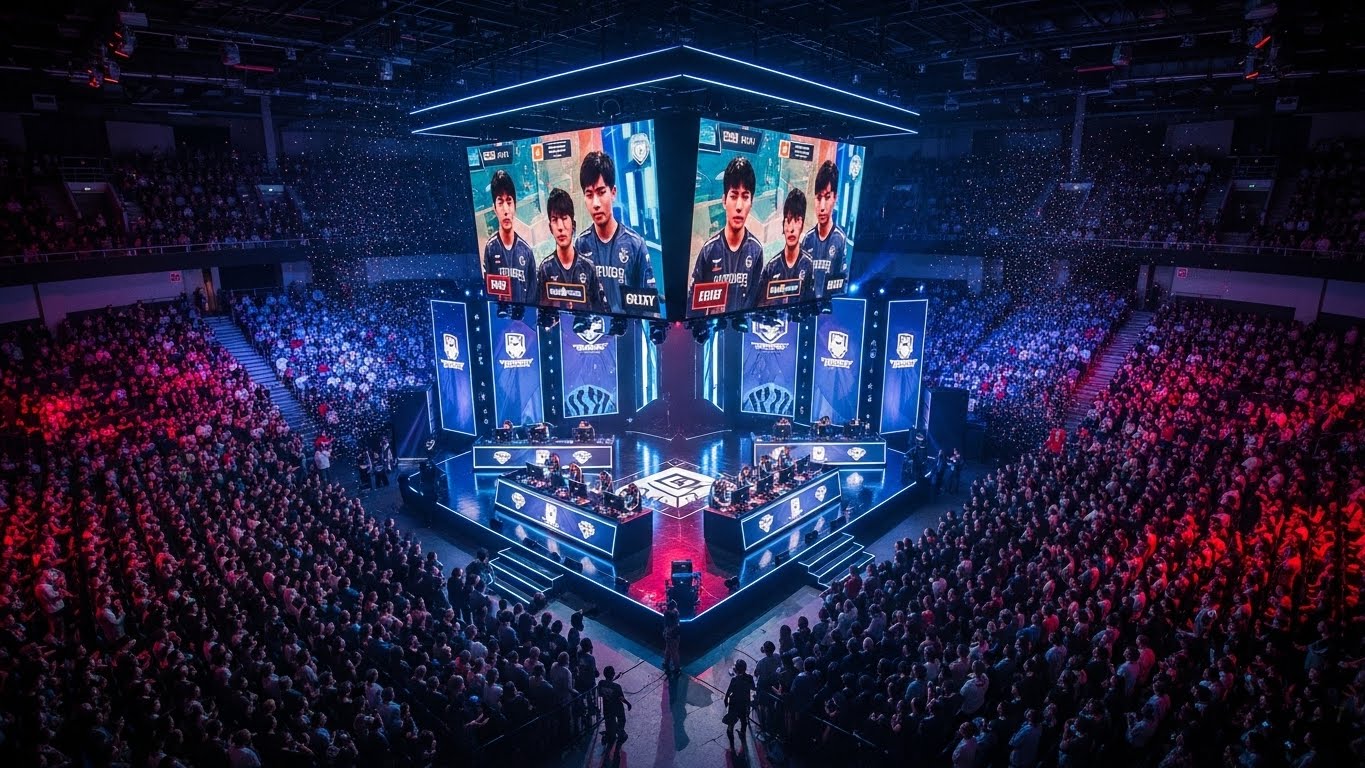
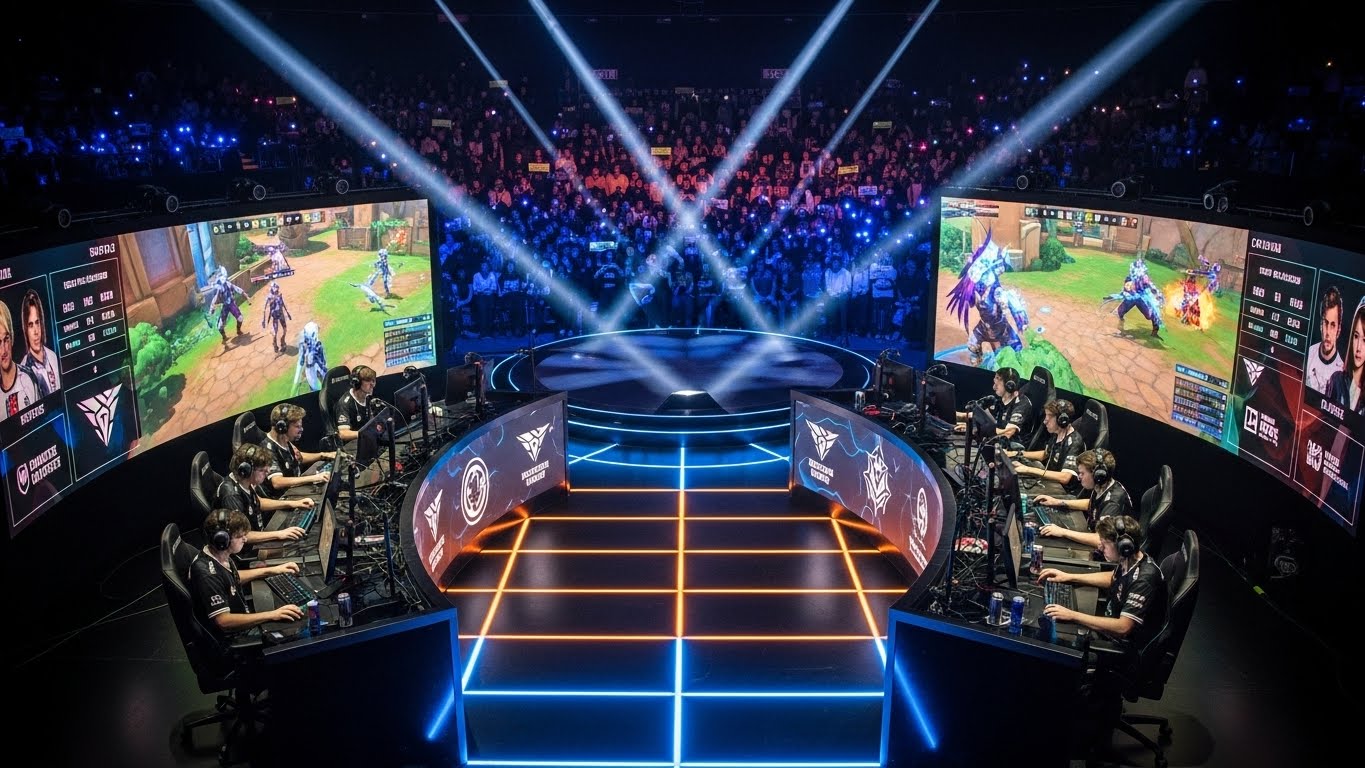
One of the most remarkable aspects of esports is its intricate ecosystem, which involves not just players and teams, but also sponsors, event organizers, media companies, and fans. Esports tournaments are often broadcast globally, with viewership rivaling that of major traditional sports events.
The International, the premier Dota 2 tournament, boasts some of the highest prize pools in the world, reaching over $40 million in 2021. Similarly, the League of Legends World Championship attracts millions of viewers across the globe, cementing its place as one of the largest gaming events in history. These tournaments are broadcast on streaming platforms, TV networks, and sometimes even on traditional sports channels, further blurring the lines between esports and traditional sports.
Sponsors are also increasingly recognizing the value of esports. Major companies like Intel, Red Bull, and Coca-Cola have all partnered with esports leagues and teams, recognizing the growing consumer base in the gaming community. These sponsorships not only support the infrastructure of esports but also provide the financial backing needed for tournaments, prize pools, and team salaries.
The Future of Esports: Growth, Challenges, and Opportunities
As esports continues to expand, several key factors will shape its future. One of the most important is the integration of virtual reality (VR) and augmented reality (AR) technologies. These innovations will bring a new level of immersion to competitive gaming, allowing players and viewers to experience esports in entirely new ways. For example, imagine being able to sit courtside at an esports match through VR or use AR to view player stats in real-time during a broadcast.
Another significant opportunity lies in the potential for esports to be included in the Olympic Games. While the idea of esports as an Olympic sport is still a topic of debate, the inclusion of competitive gaming could open the doors for even greater global recognition and legitimacy.
However, challenges remain. The physical and mental health of esports players is becoming an increasing concern, as long hours spent in front of screens can lead to burnout, injury, and stress. Addressing these health issues through proper training regimens, psychological support, and balanced lifestyles will be key to ensuring the sustainability of esports as a career.
Conclusion: The Future is Now for Esports
Esports has rapidly transformed from a niche activity into a booming global industry with immense cultural and economic impact. The growing popularity of esports is reshaping how we define competitive sports, entertainment, and community. With its blend of gaming culture, professional competition, and entertainment, esports is now a major player in the world of sports and media.
As technology advances and more people get involved, esports will continue to evolve and captivate audiences around the world. From the evolution of the player experience to the growing importance of streaming, the esports industry is far from slowing down. The future of esports is not just about gaming—it’s about creating new forms of entertainment that bring people together and create lasting memories. In this new era of competitive gaming, one thing is clear: esports is here to stay.